Lębork Castle: A Teutonic Order Administrative Seat
Site at a Glance
- Rating
- 3.7
- Popularity
- High
- Country
- Poland
- Primary era
- Medieval
- Eras represented
- Medieval
- Civilizations
- Crusader, Teutonic Order
- Site type
- Military
- Remains
- Castle
On this page5 sections
History
Teutonic Order Administration
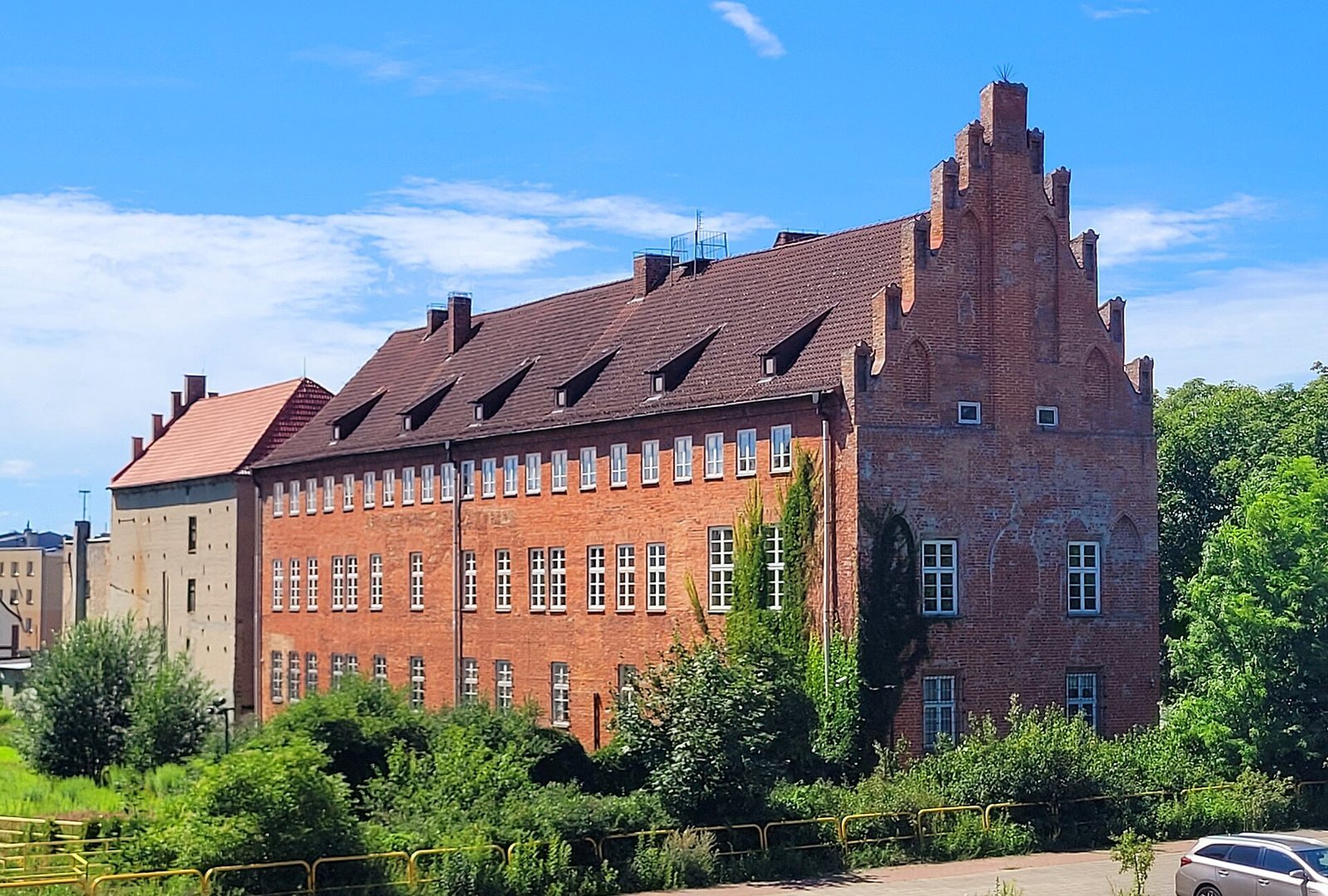
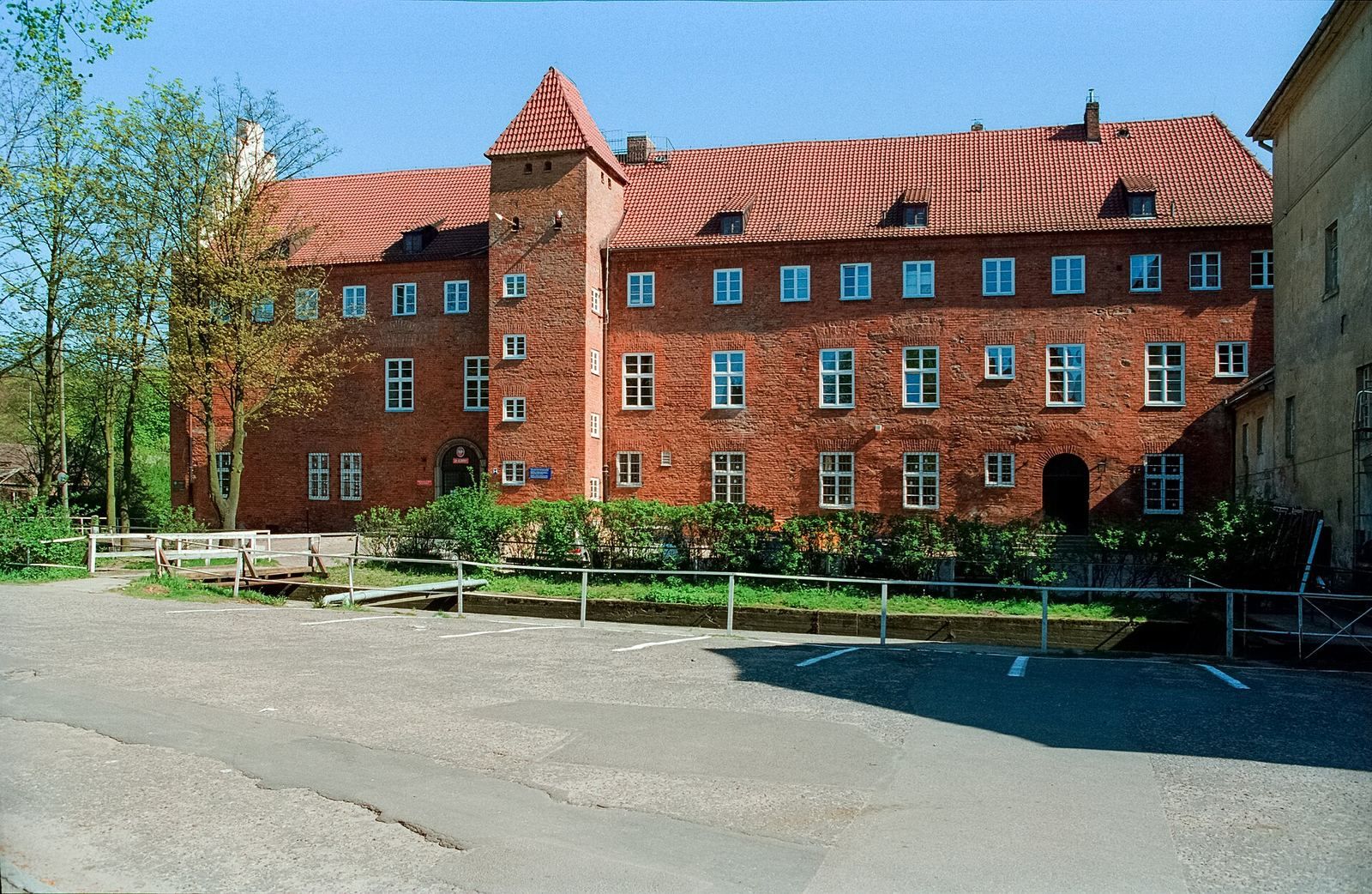
Lębork Castle is a Gothic castle in Poland, built by the Teutonic Order around the middle of the fourteenth century. The Order, a medieval Catholic religious and military institution, used it as the administrative seat of its vogts, officials responsible for local administration.
Polish and Pomeranian Control
In 1410, the castle came under the control of forces belonging to Władysław II Jagiełło, king of Poland. During the Thirteen Years’ War (1454–1466), fought by the Polish Crown and its allies against the Teutonic Order, it was under Polish control. In 1455, Eric II, Duke of Pomerania, took possession as a fief granted by Casimir IV of Poland in recognition of his support for the Polish side. A fief was a holding dependent on a superior authority. Under the Second Peace of Thorn, the treaty that ended the war, the Order gave up its claim to Lębork. Lębork-Bütow became part of Royal Prussia, a territory under the Polish Crown, although it remained unclear whether the land was held in trust or as a pledge.
Later Control and Use
When the Pomeranian ducal dynasty ended in 1637, the castle returned to Poland. From 1657, it was again under German control. Repeated alterations between the sixteenth and twentieth centuries changed the building. It now houses Lębork’s district court and district prosecutor’s office.
Remains
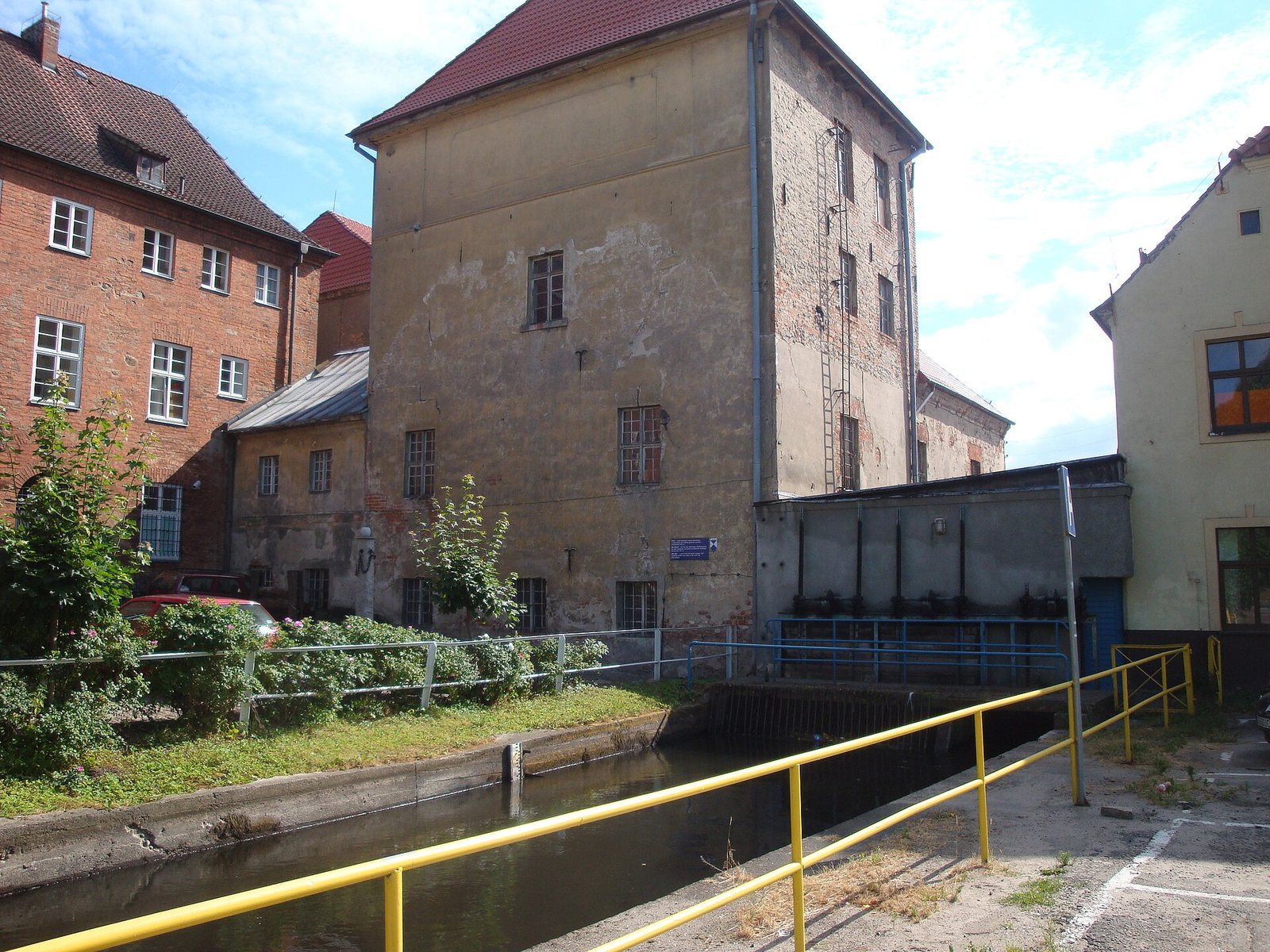
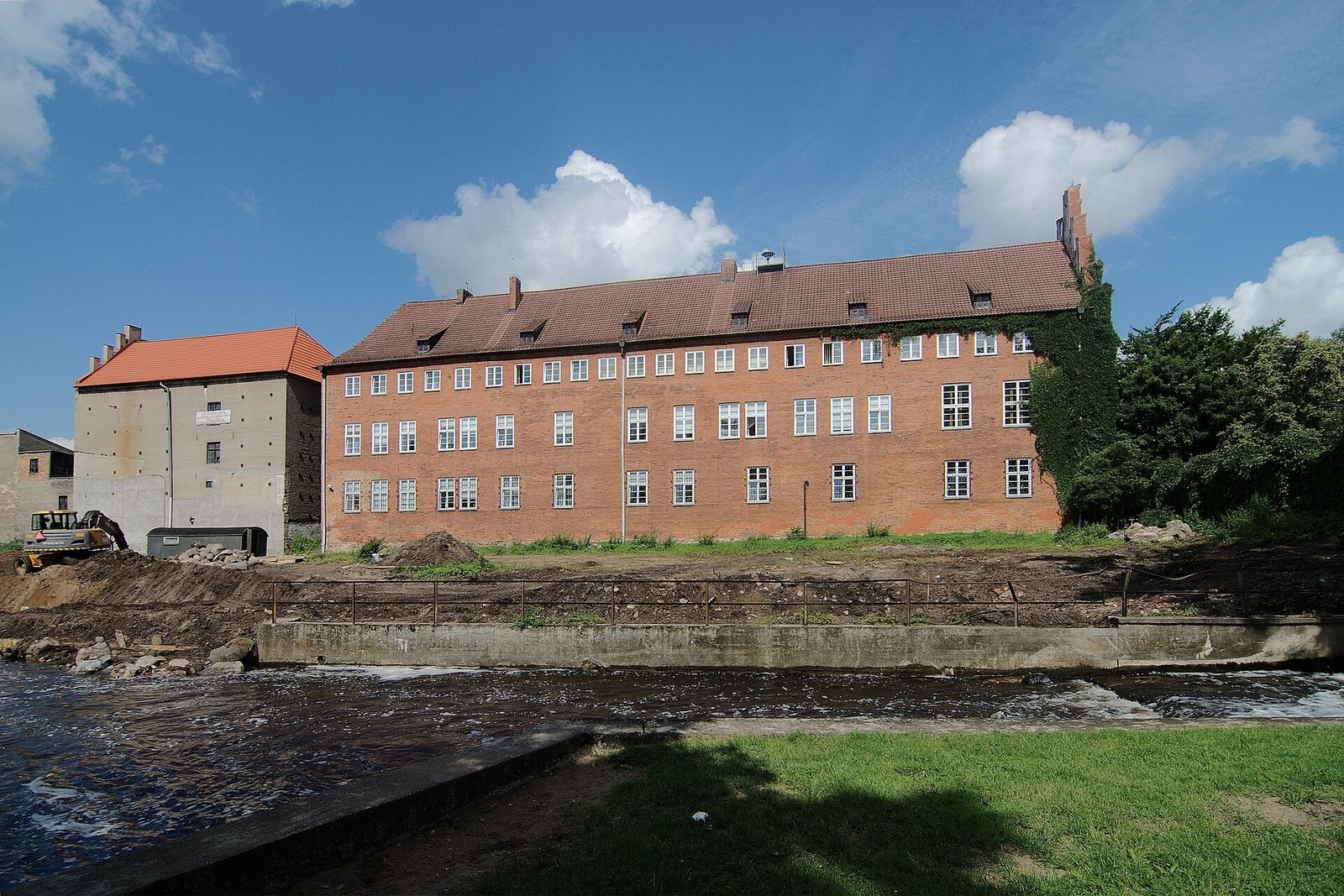
Beside the Łeba River, the castle was originally laid out as a rectangular Gothic structure. Surviving elements of the original complex include the eastern Gothic gable, part of the cellars, loopholes, or narrow openings for defensive fire, the castle mill, and a fragment of the perimeter wall.