Fortezza Medicea in Montepulciano: A Medieval and Renaissance Fortress
Site at a Glance
- Rating
- 4.5
- Popularity
- Medium
- Country
- Italy
- Primary era
- Early Modern
- Eras represented
- Medieval, Early Modern
- Civilizations
- Republic of Siena
- Site type
- Military
- Remains
- Fort
On this page4 sections
History
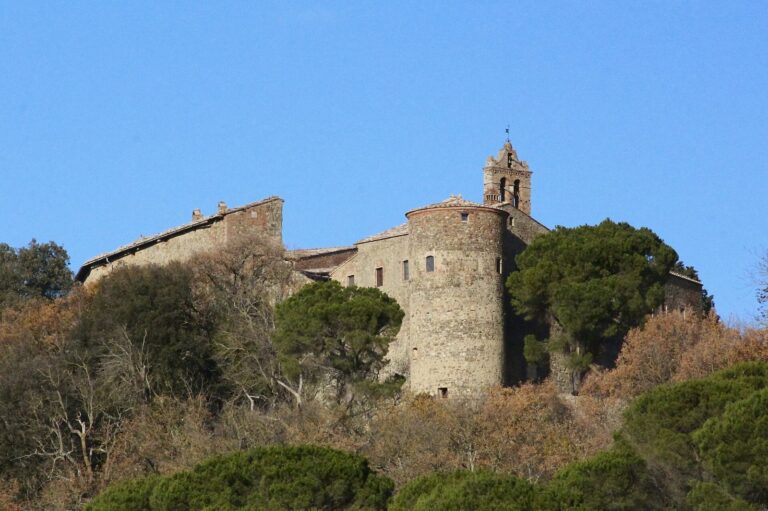
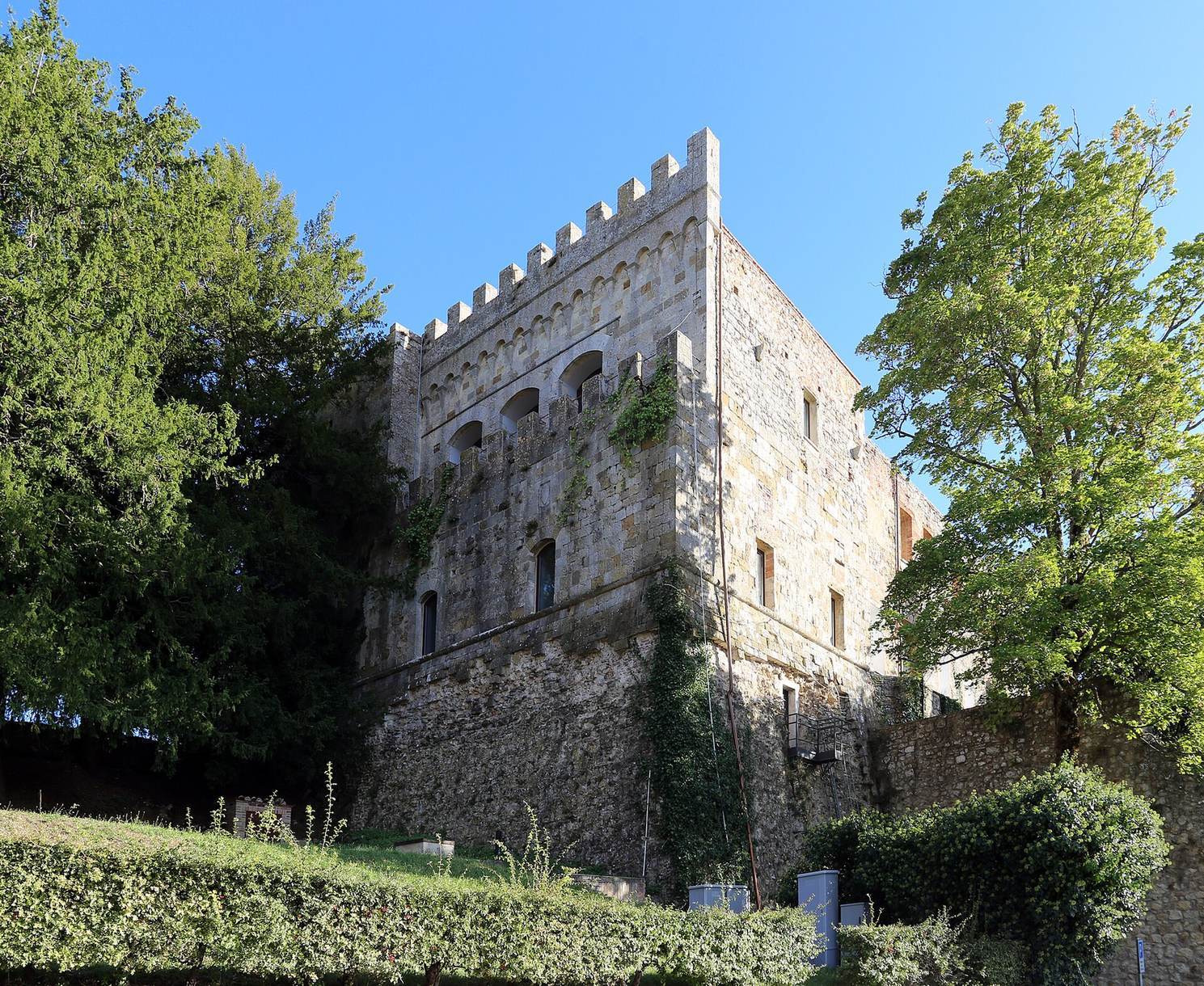
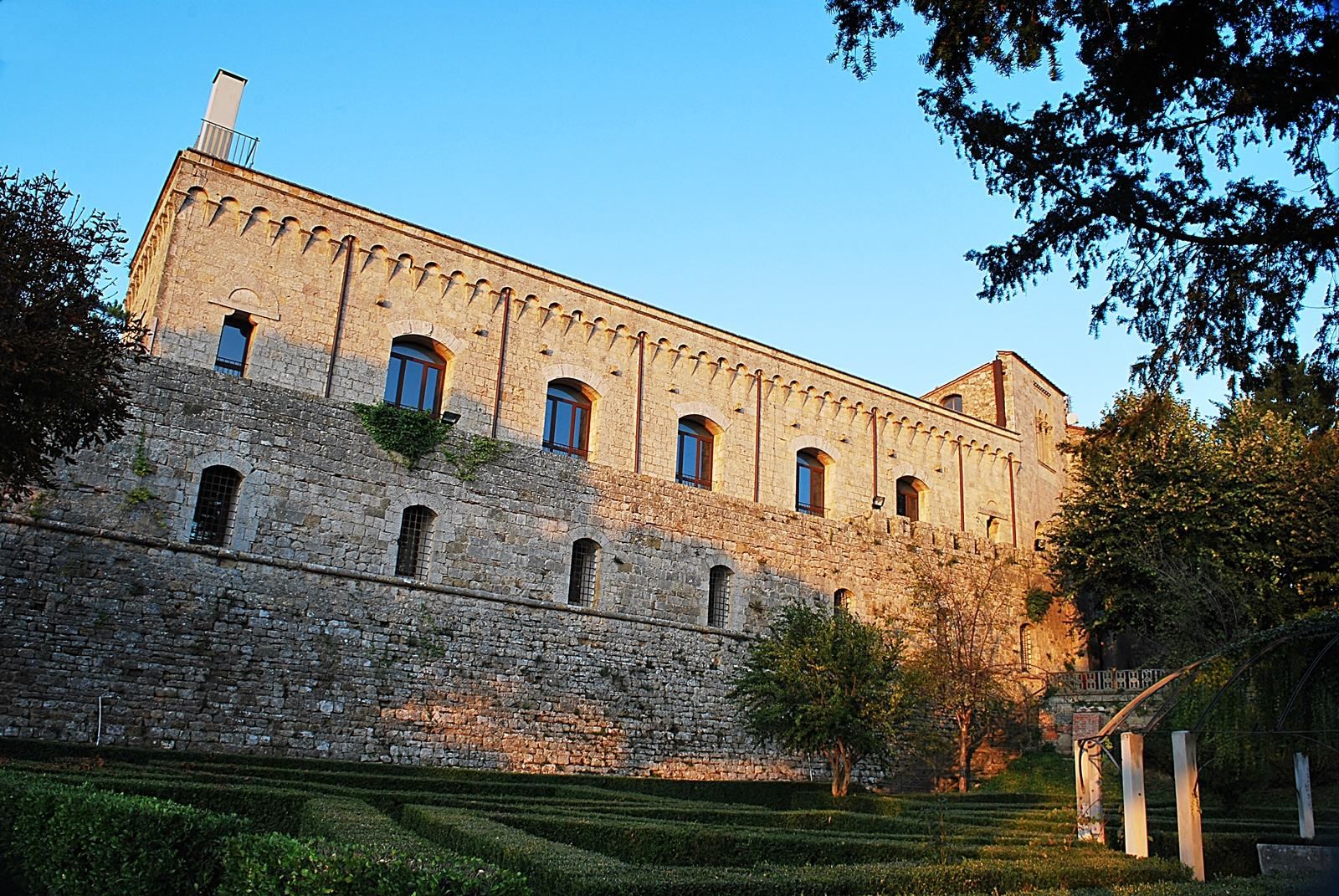
The Fortezza Medicea in Montepulciano is a medieval and Renaissance military fortress in Italy, begun by the Republic of Siena in 1261. It served as a stronghold and helped Siena control the Valdichiana, a valley in Tuscany. Built in the Renaissance style, the fortress underwent construction and rebuilding through the 16th century.
Destruction and reconstruction
Siena and Florence, rival city-states in central Italy, disputed control of Montepulciano. During these conflicts, the fortress was repeatedly destroyed and rebuilt. Its final reconstruction is attributed to the Renaissance architect Antonio da Sangallo the Elder, and gave the fortress the name “Medicea.”
Renovation and later uses
In 1885, the Sienese engineer Augusto Corbi carried out major renovations. After its military role ended, the fortress first housed a silkworm-rearing establishment founded by Francesco Saverio Melissari, and later the Agnolo Poliziano classical secondary school.
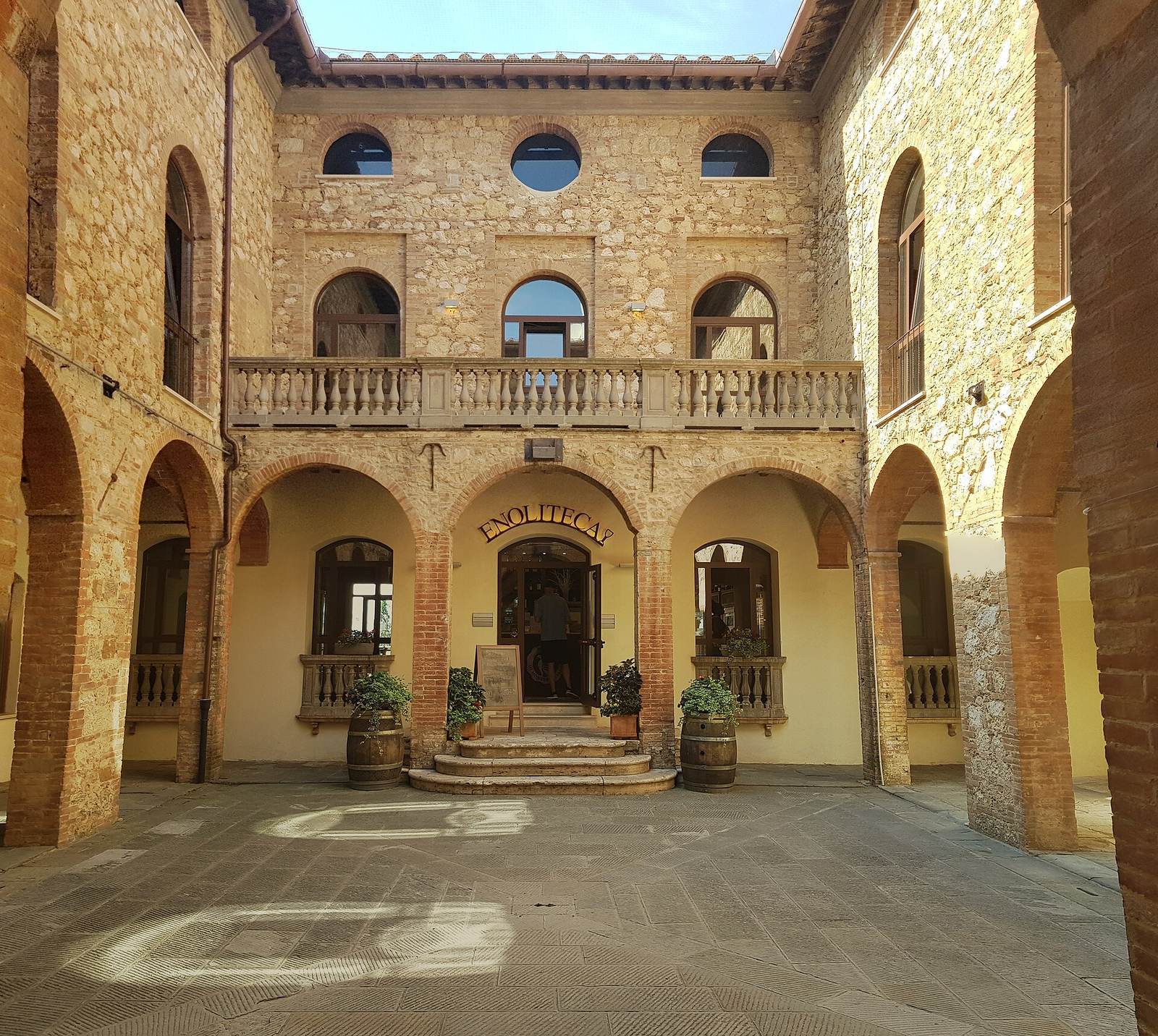
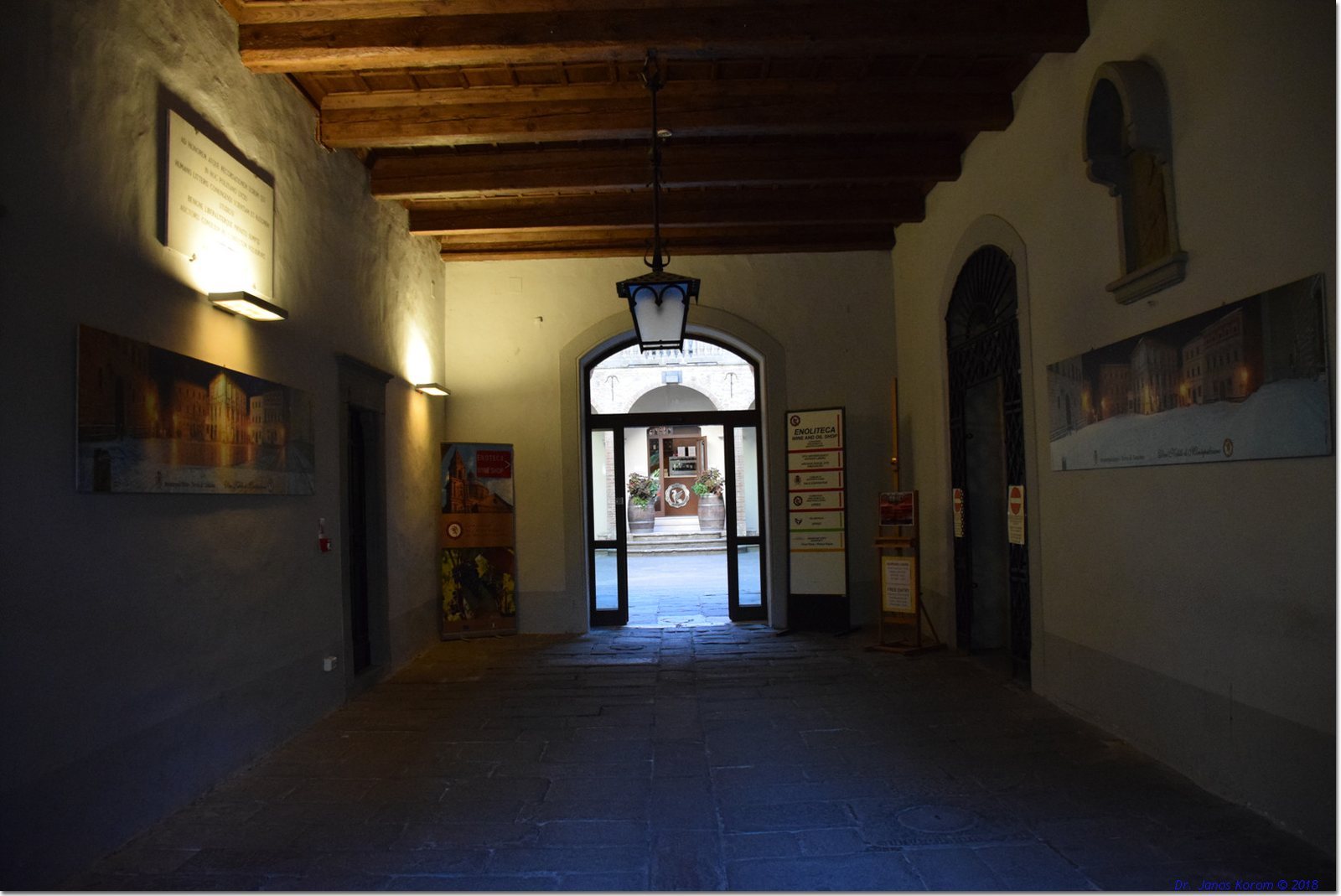
The Municipality of Montepulciano now owns the complex. Some rooms are used for cultural and exhibition activities, while other spaces serve Kennesaw State University in Georgia for teaching and training. The cloister houses Enoliteca, a center for the consortium of Vino Nobile producers. Vino Nobile is the red wine associated with Montepulciano.
Remains
The restored complex includes rooms and a cloister and is built from pietra serena, a gray sandstone used in Tuscan architecture.