Castelluccio in Pienza: A Medieval Castle in Italy
Site at a Glance
- Popularity
- Medium
- Country
- Italy
- Primary era
- Medieval
- Eras represented
- Medieval
- Civilizations
- Republic of Siena
- Site type
- Military
- Remains
- Castle
On this page7 sections
History
Castelluccio in Pienza is a medieval castle in Italy whose construction began in the thirteenth century. Its first owners were the Bifolchi family, after whom it was once called Castelluccio Bifolchi.
Origins and Sienese control
From 1320, the castle belonged to the Republic of Siena, a medieval republic centered on Siena in what is now Tuscany, and lay within the territory of Monticchiello. Its position near the Papal States, lands governed by the pope, made it strategically important to Siena. The republic stationed a military garrison there and strengthened the defenses.
The hospital estate and later tradition
In 1390, part of the fortification was given to the Ospedale di Santa Maria della Scala, a major Sienese hospital and charitable institution. It retained the property until 1787, using it as a fortified farm.
An unverified story set around the middle of the sixteenth century centers on Countess Giulia Maria di Montefiore. The tale says she sought revenge on Duke Ranieri dei Pannocchieschi and Cesare di Sanseverino after they turned against her. It describes Don Jacopo del Taja, captain of a group of armed men seeking shelter at the castle, agreeing to kill the two men during spring celebrations, then fleeing for fear of discovery. According to the story, Giulia was arrested and beheaded in the courtyard. The tale gave rise to a legend that she appears at the castle on May 15.
In more recent times, the castle had several owners, including the writer Iris Origo and Antonio Origo. The property is privately owned.
Remains
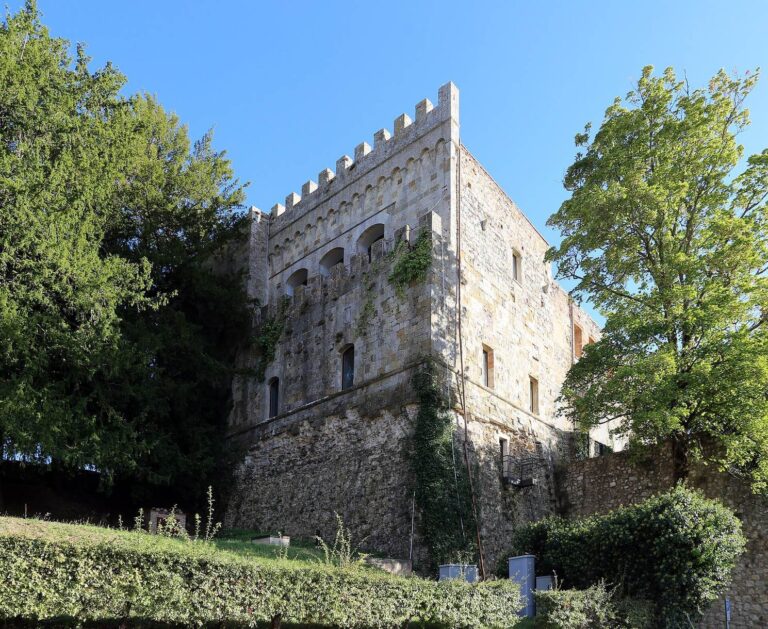
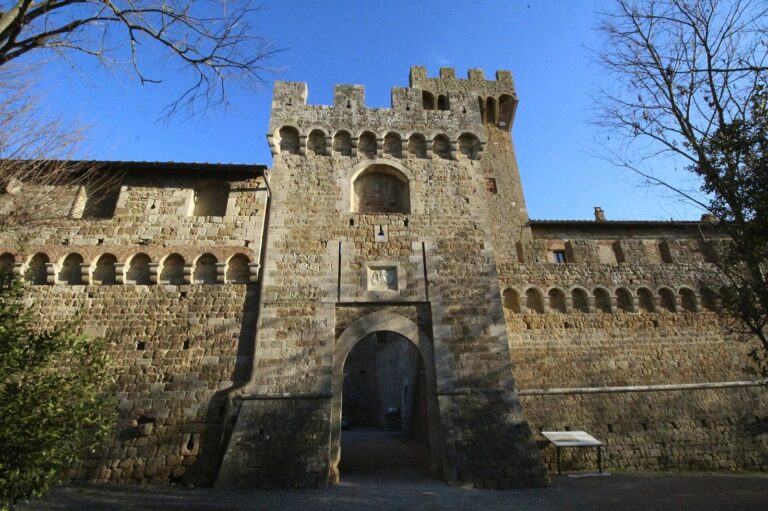
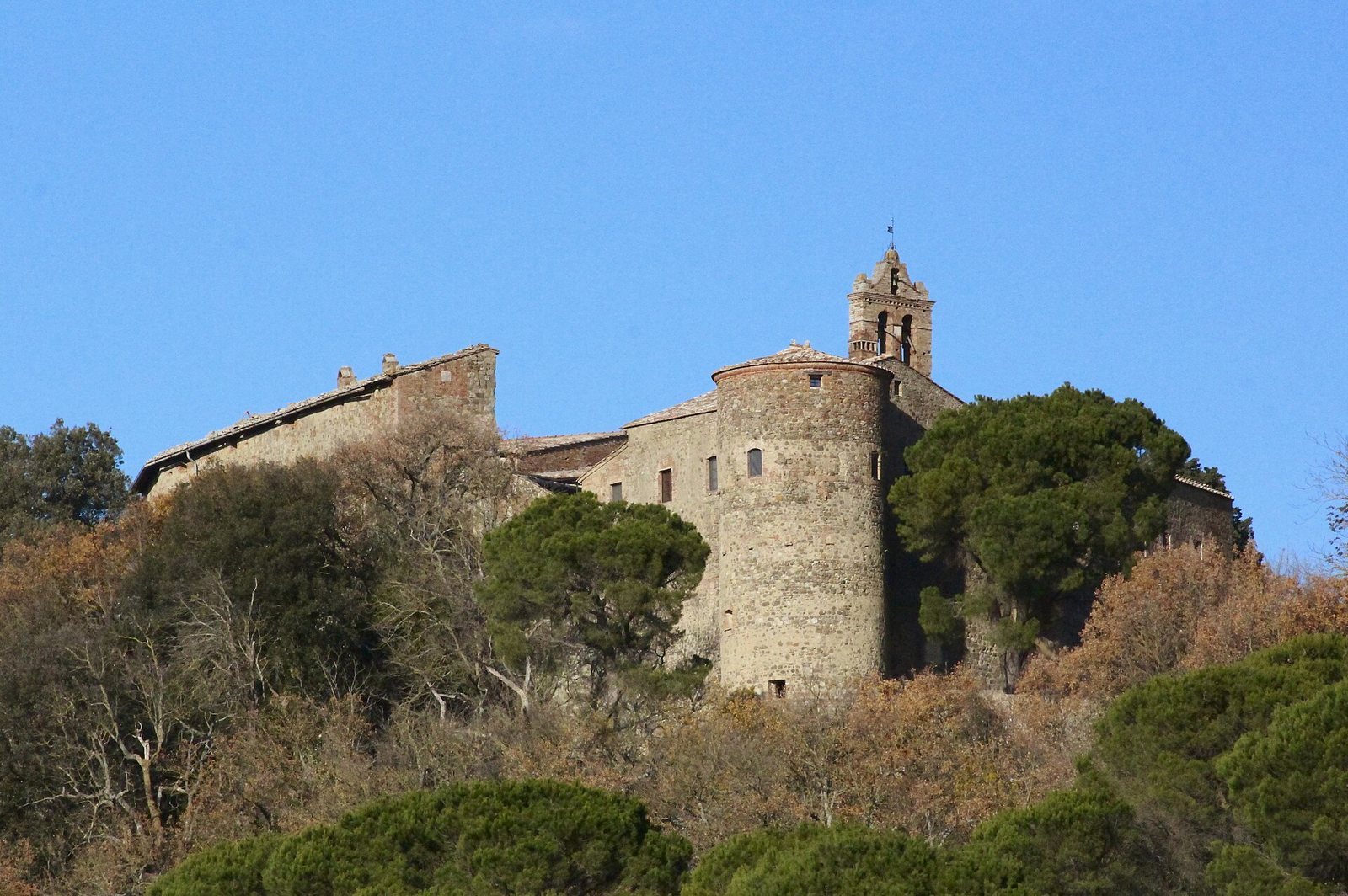
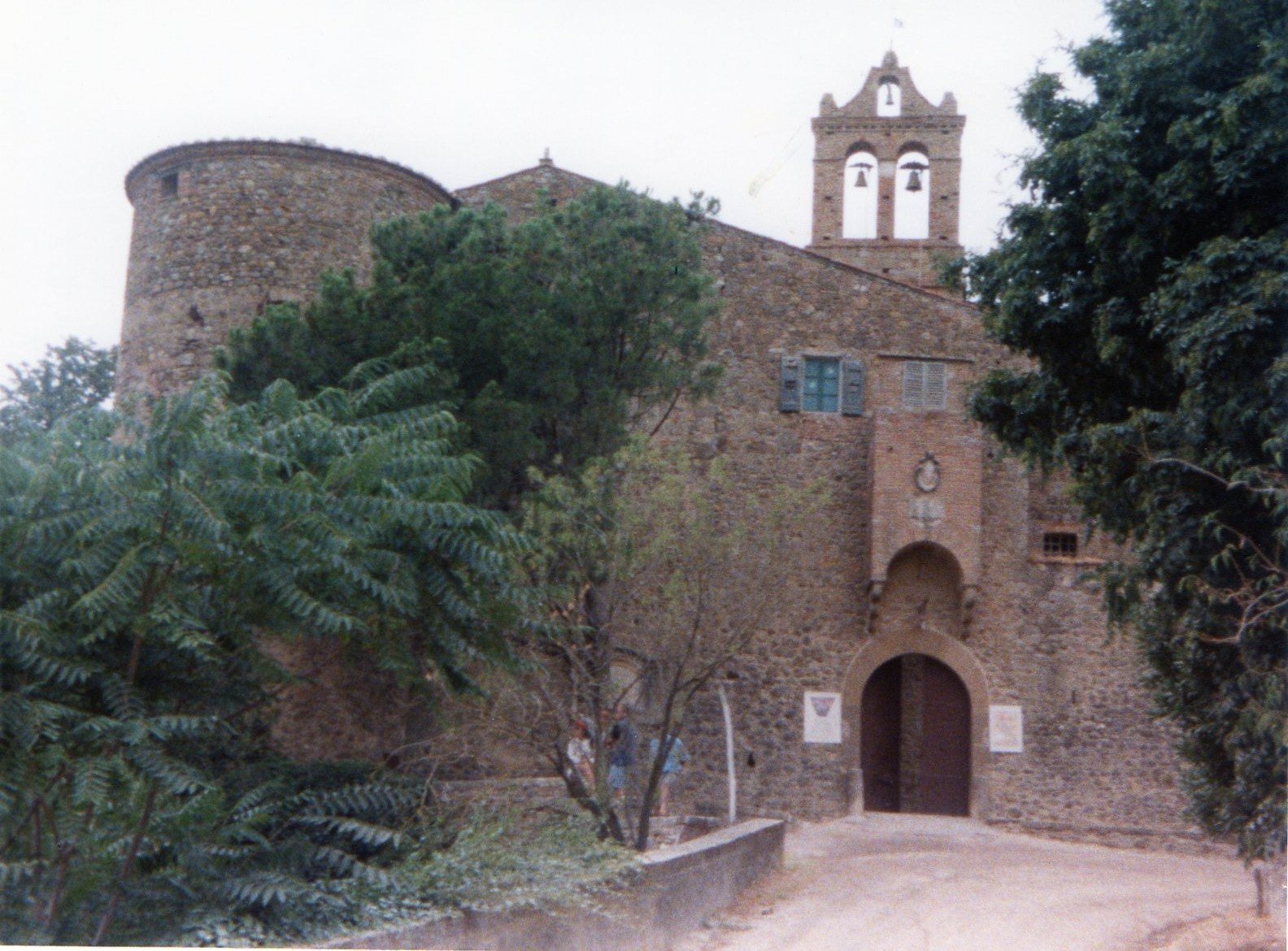
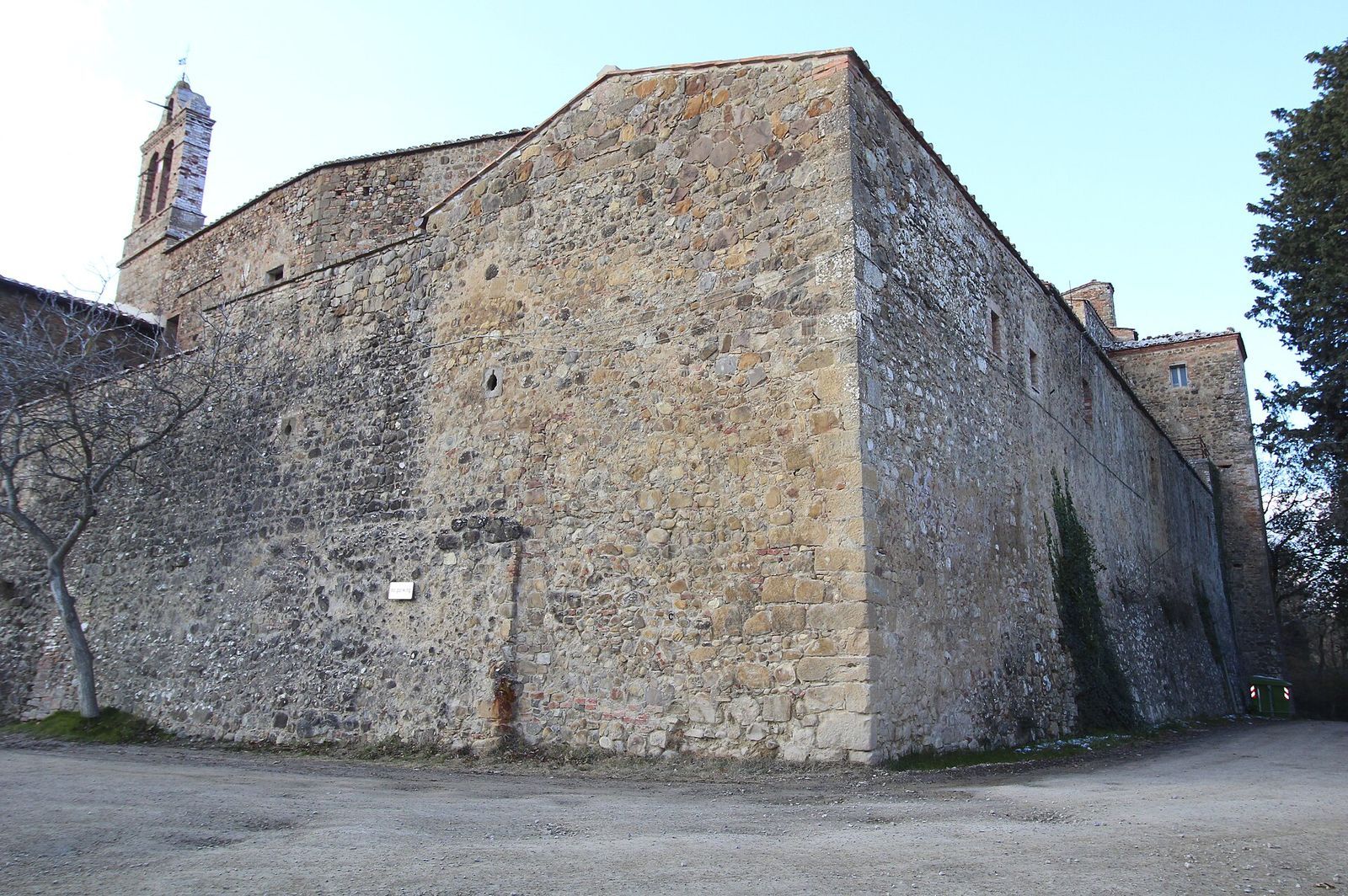
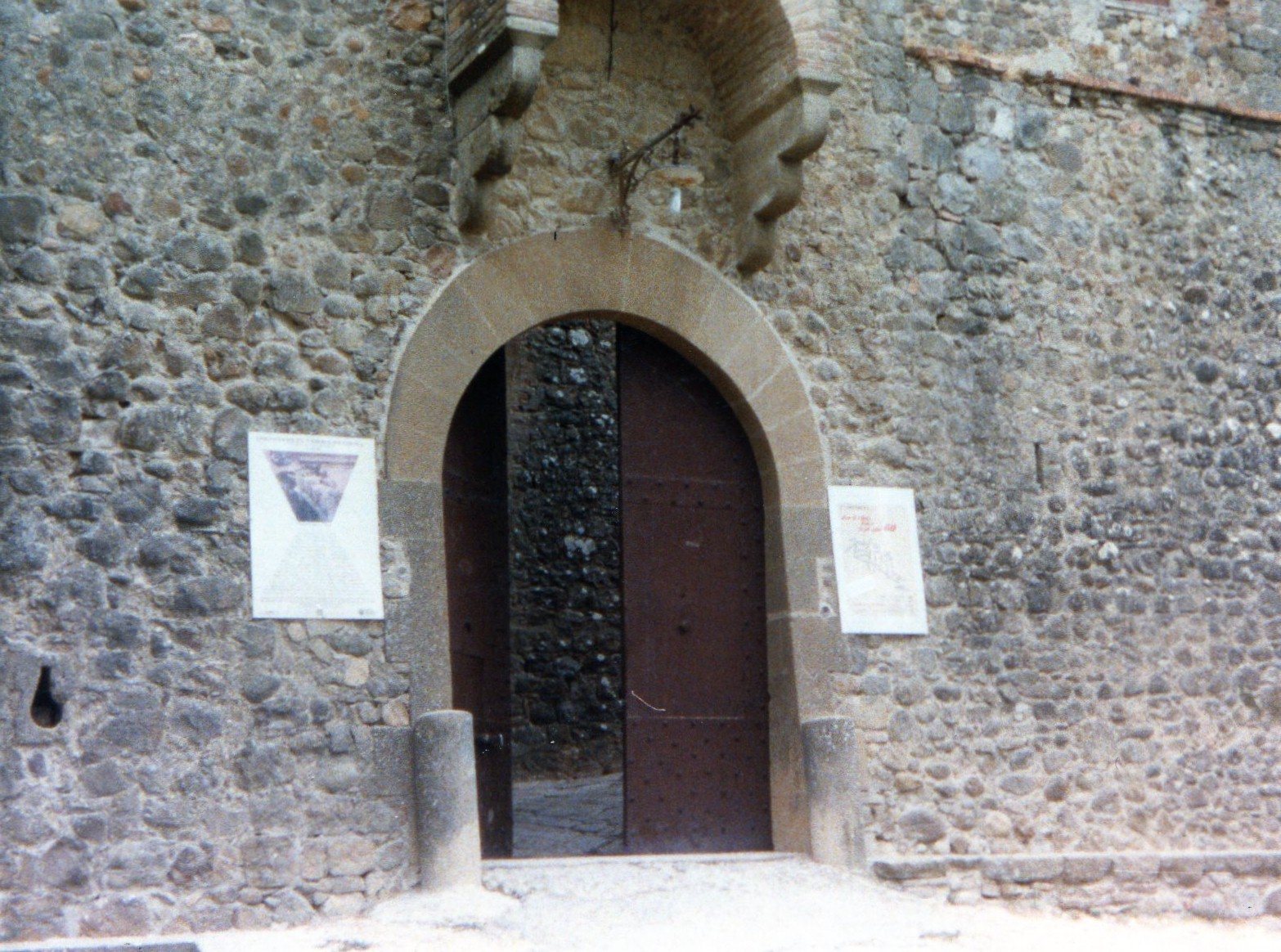
The medieval castle stands on a hill about ten kilometers from both Pienza and Chianciano Terme. Its buildings are made of brick, and the surviving complex includes fortifications and a chapel within the castle.
Castle and chapel
Fortifications and facade
The defenses included two substantial round towers, part of Siena’s effort to protect the stronghold. The facade still displays the coat of arms of the Ospedale di Santa Maria della Scala.
Chapel of San Bernardino
The chapel of San Bernardino lies inside the castle and is associated with a stay there by Bernardino of Siena, a fifteenth-century Franciscan preacher and saint.