Swainston Manor: An English Country House on the Isle of Wight
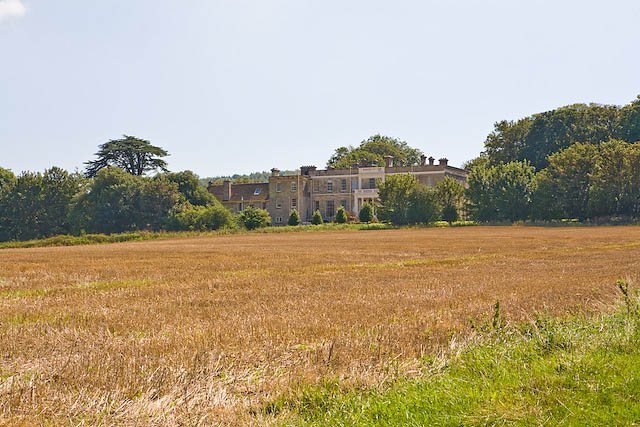
Site at a Glance
- Popularity
- Medium
- Country
- United Kingdom
- Primary era
- Early Modern
- Eras represented
- Medieval, Early Modern
- Civilizations
- British, English
- Site type
- Domestic
- Remains
- Manor House
On this page9 sections
History
Swainston Manor is an English country house on the Isle of Wight in the United Kingdom, about one mile east of Calbourne. Its history is traced to 735 CE. The name is traditionally explained as “Sweyn’s Town,” and a foundation story associates the manor with Danish king Sweyn Forkbeard, father of King Canute.
Early manor and episcopal palace
Swainston began as a manor house. About eight centuries ago, the Bishops of Winchester, the senior church leaders of their diocese, built a palace there. The parish of Calbourne was once dependent on the manor. Richard Neville, known as Warwick the Kingmaker, was a powerful English nobleman involved in the Wars of the Roses, a series of dynastic conflicts. He reportedly dined at Swainston.
Eighteenth and nineteenth centuries
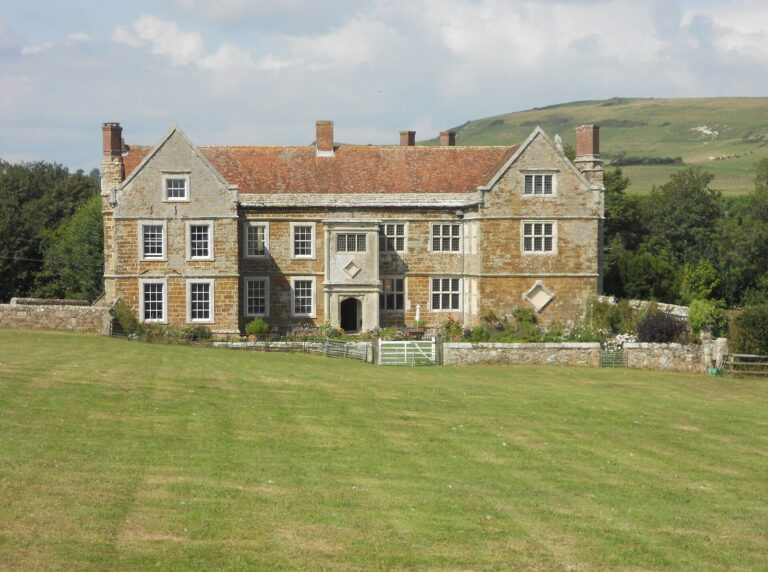
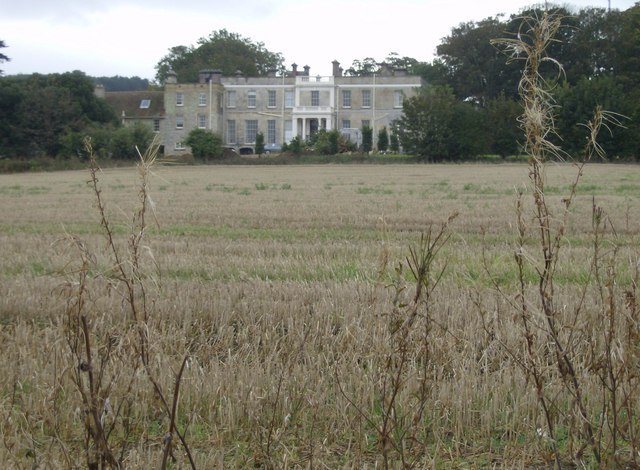
Most of the present house was built in the eighteenth century. Alfred Lord Tennyson, a major nineteenth-century English poet, visited Swainston several times. A tradition claims that he wrote Maud on the grounds. After the death of his friend and the manor’s owner, Sir John Simeon, Tennyson wrote In the Garden at Swainston. Swainston also appears as “Swaynestone” in Maxwell Gray’s 1886 novel The Silence of Dean Maitland.
Twentieth century and present use
Incendiary bombs severely damaged the house during the Second World War, while a church on the site escaped damage. In the 1960s, Swainston was one of the locations used by King James School, which also operated in Newport and Cowes. The house is now a hotel and is listed as Grade II*, a high-level designation in England for buildings of particular importance.
Remains
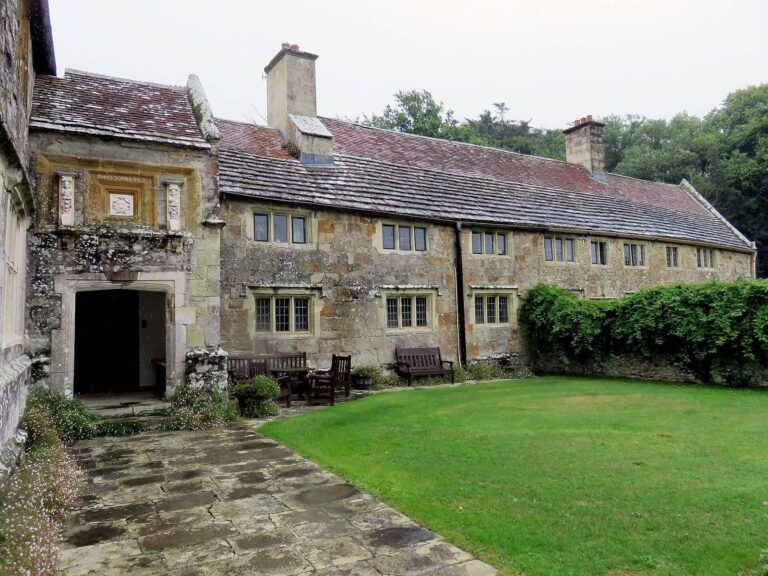
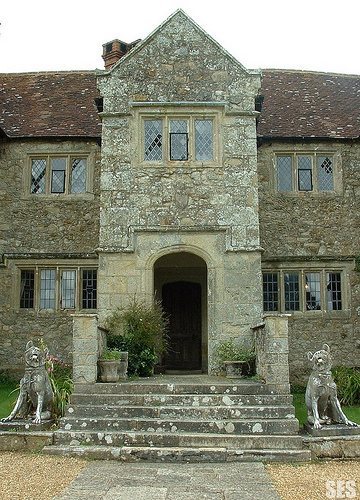
The manor’s 32-acre grounds include a chapel, an attached hall, the main house, and a church. The surviving buildings represent medieval and eighteenth-century phases of the site.
Buildings within the grounds
Chapel
A chapel dating to the twelfth century stands within the grounds.
Attached hall
The hall attached to the chapel dates to the thirteenth century.
Main house
Most of the present main house was constructed in the eighteenth century.