Mottistone Manor: A Historic House on the Isle of Wight
Site at a Glance
- Popularity
- High
- Country
- United Kingdom
- Primary era
- Early Modern
- Eras represented
- Medieval, Early Modern, Modern
- Civilizations
- British, English
- Site type
- Domestic
- Remains
- Manor House
On this page7 sections
History
Mottistone Manor is a historic house in the village of Mottistone on the Isle of Wight, England, with surviving parts dating to the fifteenth or early sixteenth century. The manor is first mentioned in records associated with the Domesday Book, a survey of England’s land and resources completed in 1086 under William the Conqueror.
Early records and building phases
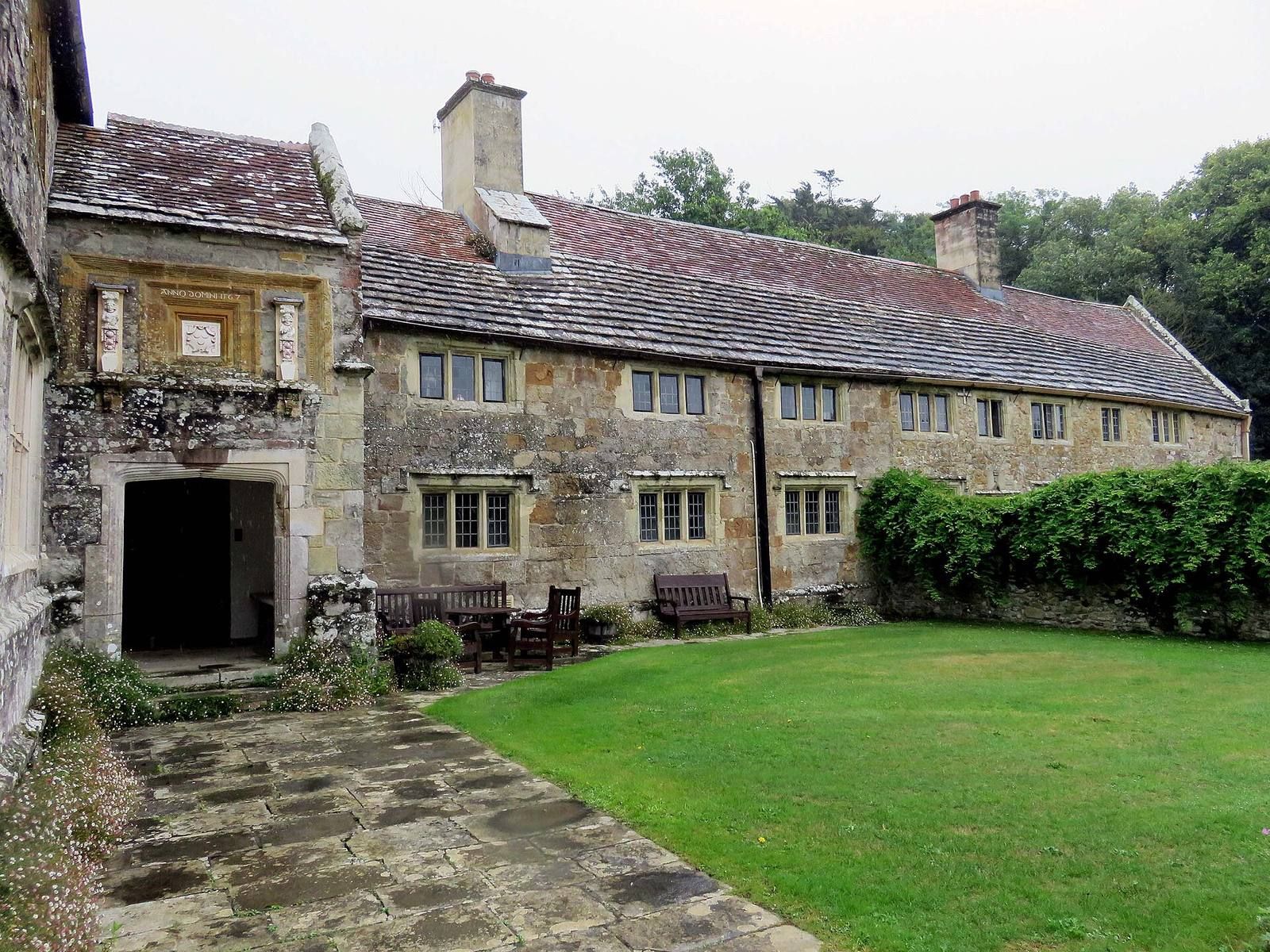
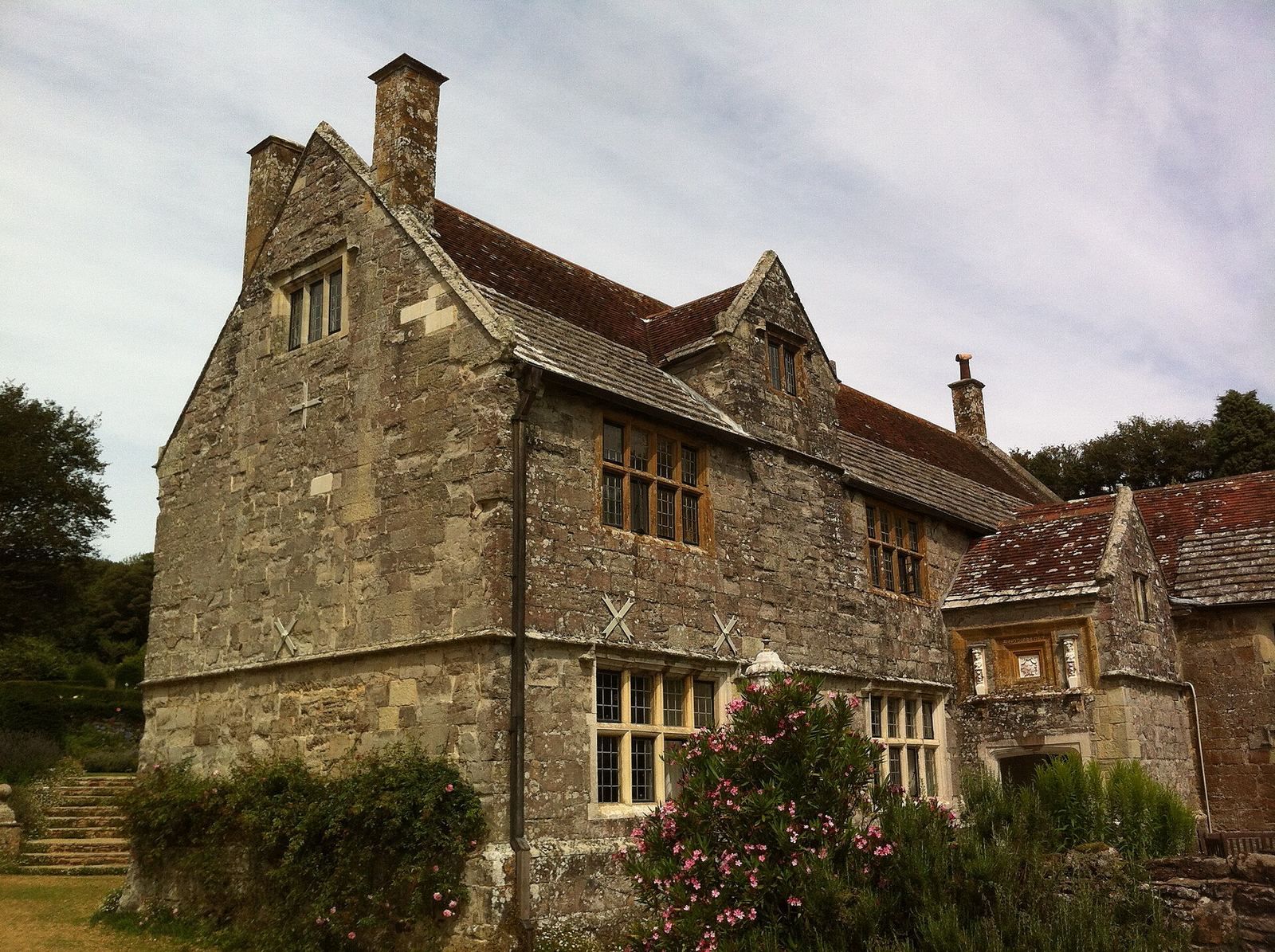
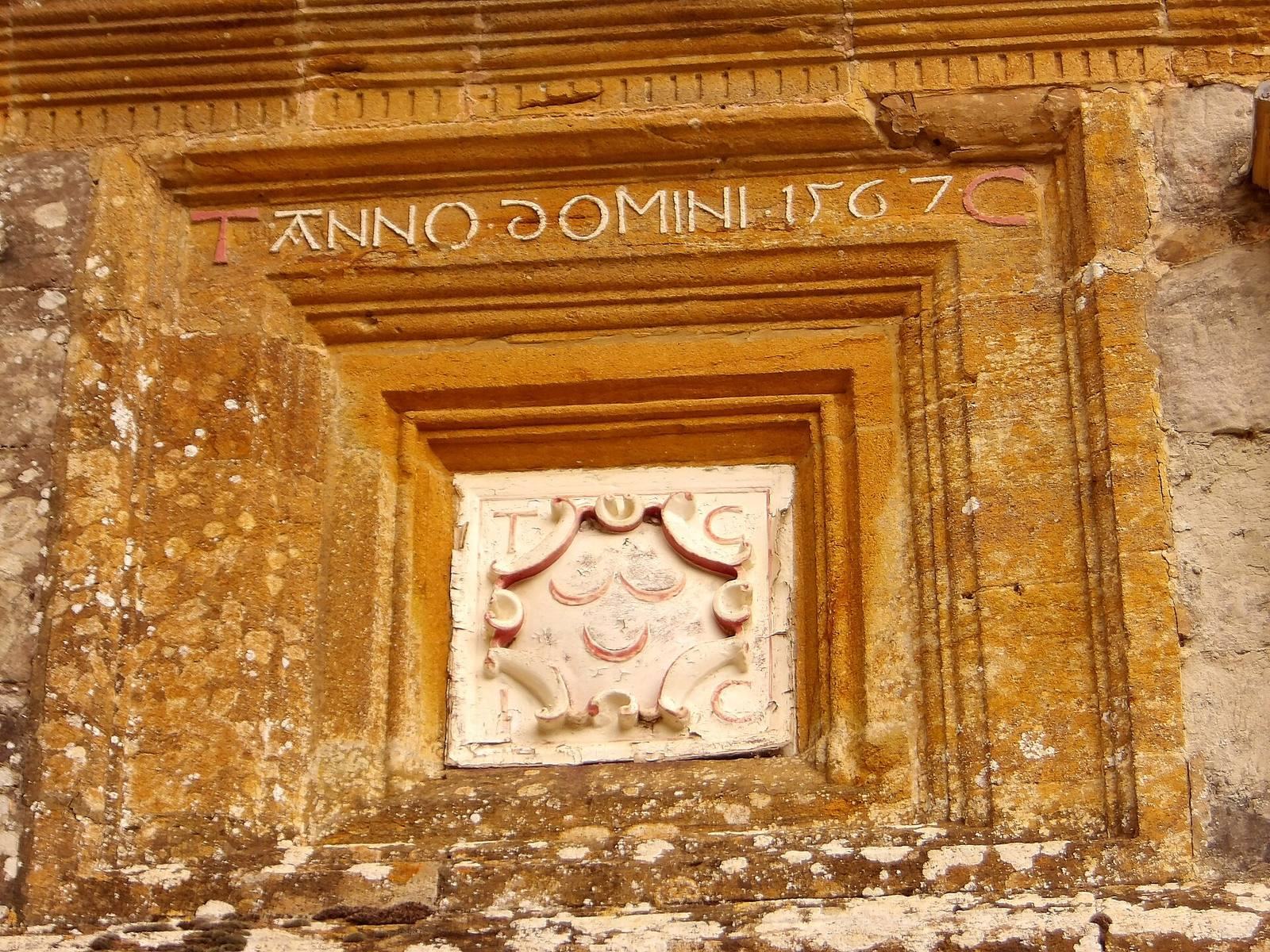
The manor’s oldest parts date to the fifteenth or early sixteenth century. In 1567, Thomas Cheke, a sixteenth-century English landowner, added to or remodelled the north-west wing. The south-east wing was extended in the early seventeenth century.
The Seely family and the National Trust
Industrialist and politician Charles Seely bought the house and estate in 1861. His great-grandson John Seely, later 2nd Baron Mottistone, was among the architects involved in a comprehensive remodelling of the house in the 1920s by the firm Seely & Paget. After John Seely’s death, the manor and estate were given to the National Trust in 1963. The Trust has since restored and managed the house and gardens.
Remains
House and interior
Wings and gardens
The manor’s physical layout includes south-east and north-west wings, together with gardens. The oldest parts of the house are in the south-east wing.
The Long Room
The Long Room displays decorative wall hangings commissioned by John Seely and Paul Paget in the mid-twentieth century.