Cockersand Abbey: A Premonstratensian Monastery and Medieval Hospital
Site at a Glance
- Rating
- 4.3
- Popularity
- Medium
- Country
- United Kingdom
- Primary era
- Medieval
- Eras represented
- Medieval
- Civilizations
- English
- Site type
- Religious
- Remains
- Monastery
On this page7 sections
History
Cockersand Abbey was a Premonstratensian abbey near Cockerham in Lancashire, United Kingdom. Before 1184, it began as the Hospital of St Mary on the marsh, a religious institution providing care and hospitality rather than a modern medical hospital. In 1190, Theobald Walter, 1st Baron Butler, a Cambro-Norman aristocrat from the Norman-connected nobility of Wales and the Anglo-Norman borderlands, refounded it as a priory for Premonstratensians, members of a Catholic religious order of canons regular. It became an abbey in 1192 and continued its hospital work.
Dissolution and later use
When Cockersand was dissolved in 1539, it ranked as Lancashire’s third-richest abbey. John Kechyn acquired it in 1544. The Daltons gained the land shortly after 1556, following Sir Robert Dalton’s marriage to Ann Kitchen.
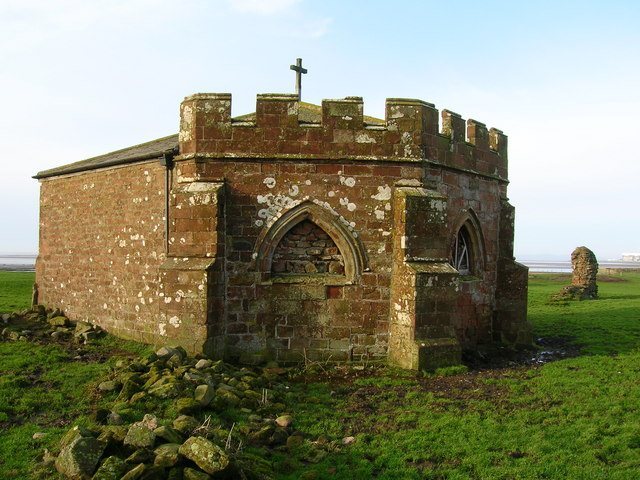
The abbey site was designated a scheduled monument in 1915. The chapter house was also scheduled and received Grade I listed status in 1968. In 2007, English Heritage gave the owner a grant to help preserve the chapter house.
Remains
Surviving buildings and finds
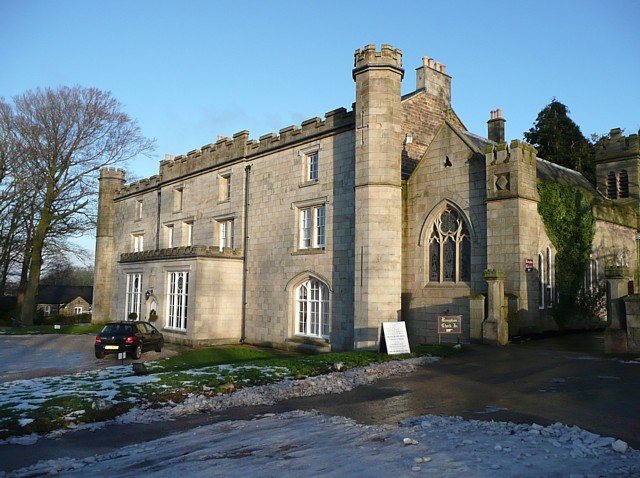
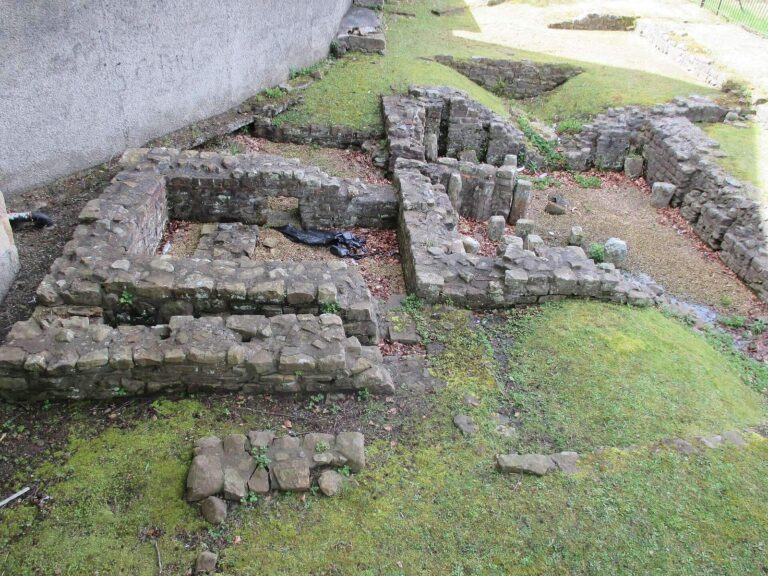
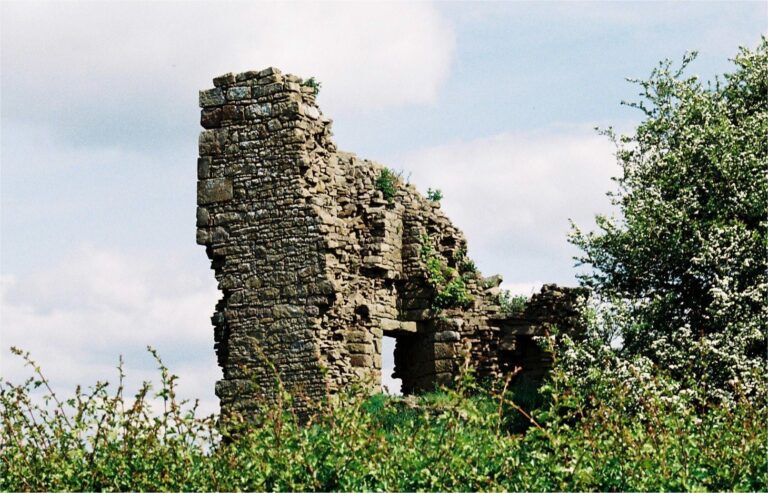
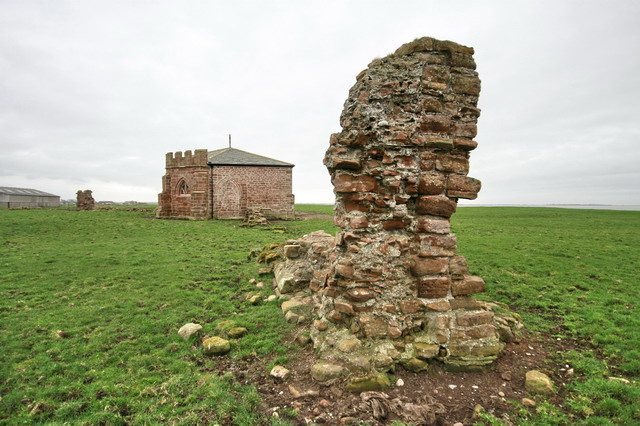
The abbey originally occupied marshland that was later drained. The site lies near the mouth of the River Cocker and is now beside a farmhouse. Its principal surviving building is the chapter house, with fragments of the church alongside it.
Chapter house
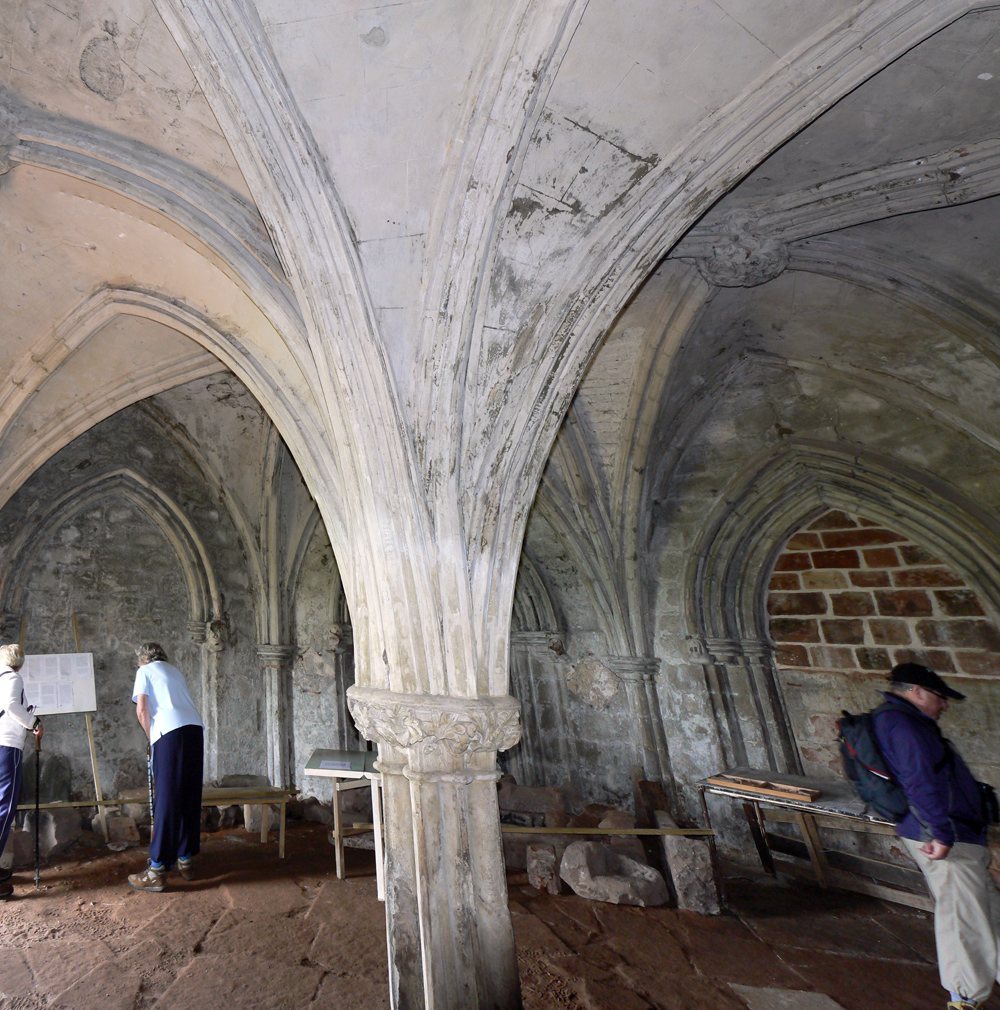
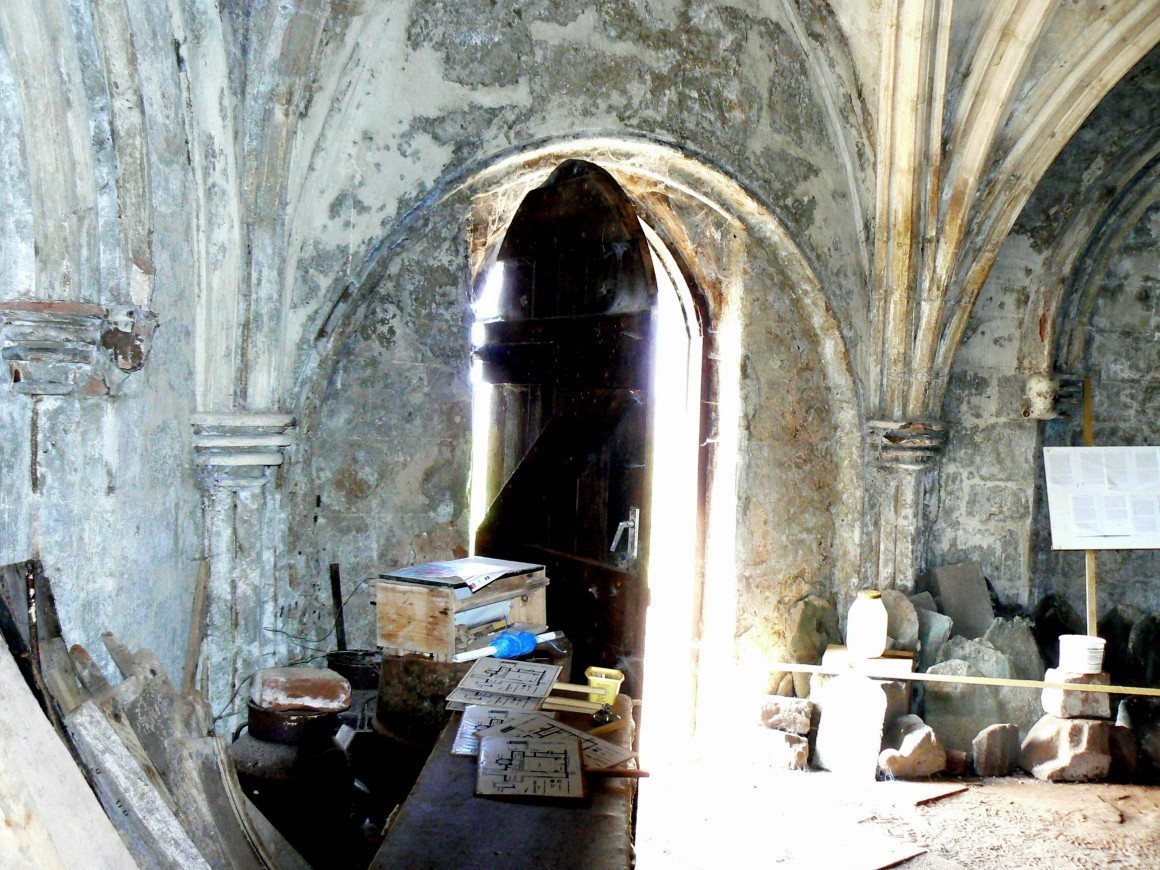
Built in 1230, the intact chapter house has a vaulted ceiling. The Daltons of Thurnham Hall used it as a family mausoleum during the eighteenth and nineteenth centuries.
Church
Fragments of the abbey church survive beside the chapter house.
Roman statuettes
Two Roman statuettes were found on Cockersand Moss near the abbey in 1718. Their discovery may point to a nearby shrine from the Romano-British period, the era of Roman rule in Britain and the society shaped by it. The larger figure depicts Mars, a Roman god especially associated with war, and bears an inscription reading DEO MARTI NODONTI AVRELIVS….. CINVS SIG. The inscription includes the name Nodens, a Romano-British deity sometimes associated with Mars. The smaller, less finely made statuette bears the inscription LVCIANVS D.M.N. COL LIC APRILI VIATORIS V S. One of the statuettes later belonged to Lord Arundel’s collection and was shown by the English antiquary William Stukeley to the Society of Antiquaries, a learned society devoted to studying antiquities, in 1719.