Mírov Castle: An Episcopal Fortress and State Prison in Czechia
Site at a Glance
- Rating
- 4.2
- Popularity
- Low
- Country
- Czechia
- Primary era
- Medieval
- Eras represented
- Medieval, Early Modern, Modern
- Civilizations
- Austrian Empire, Habsburg, Habsburg Austria, Holy Roman Empire, Margraviate of Moravia
- Site type
- Military
- Remains
- Castle
On this page6 sections
History
Founded in 1256 by the bishop of Olomouc, Mírov Castle stands in the village of Mírov, Czechia. The bishop, the senior church authority for the Olomouc diocese, began construction in 1258, and work continued until 1266. Among Moravia’s earliest castles, it served as an episcopal hunting lodge and a refuge when plague or warfare threatened.
Episcopal rule and growth
As the castle was altered and enlarged, it became the bishop’s foremost castle. A settlement grew around it and developed into a town. The bishop’s lands were divided into small fiefs, or estates held in exchange for duties. Their holders owed obligations to the castle and to the feudal lords who lived there.
War and fortress
During the Hussite Wars, religious and political conflicts in fifteenth-century Bohemia, the castle entered a period of decline. Swedish forces burned Mírov Castle and the town during the Thirty Years’ War, a major European conflict of the seventeenth century.
Concern about an Ottoman attack, from an empire centered in Anatolia and southeastern Europe, led to restoration between 1679 and 1694. The work converted the castle into a powerful Baroque fortress. Its final major military role came during the Napoleonic Wars, conflicts between Napoleonic France and European powers.
Prison use
From 1750, the castle served first as an ecclesiastical prison and later as a state prison. After the feudal system was abolished in 1848, it lost its administrative role. Valuables were transferred to episcopal palaces, while officials and hunters received weapons. The archbishop of Olomouc sold the castle to the Moravian governor, who altered it in the Neo-Gothic style, a later revival of medieval Gothic design, and established a state prison there.
During the Second World War, the castle also housed tuberculosis patients, mainly Czechs and Poles. It served as a prison for the Gestapo, Nazi Germany’s secret state police, although the timing of that use is uncertain.
From 1948, opponents of the communist regime were imprisoned at Mírov for about four decades. It remains a state prison, holding prisoners from across Czechia, most of them serving life sentences.
Remains
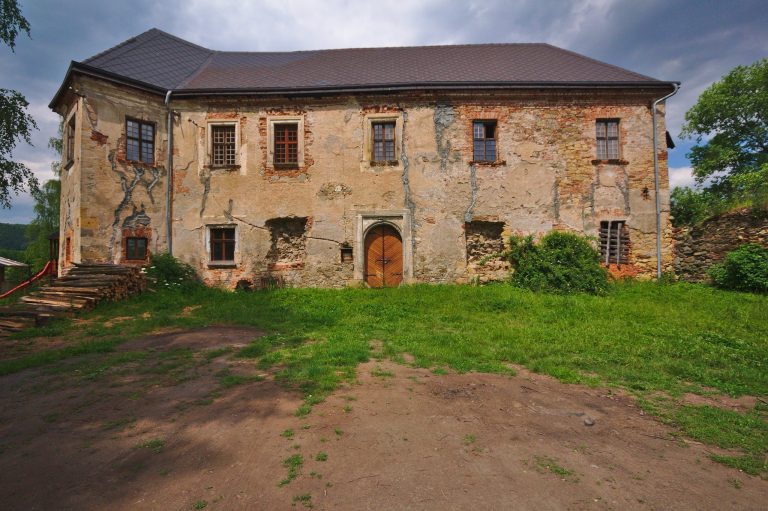
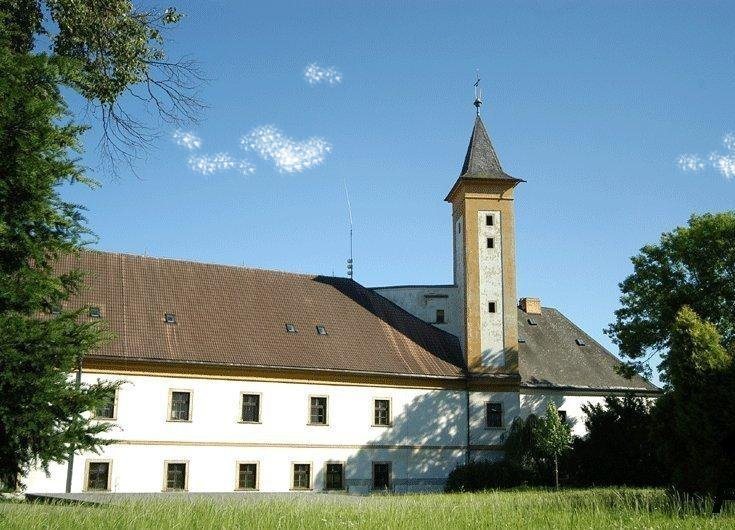
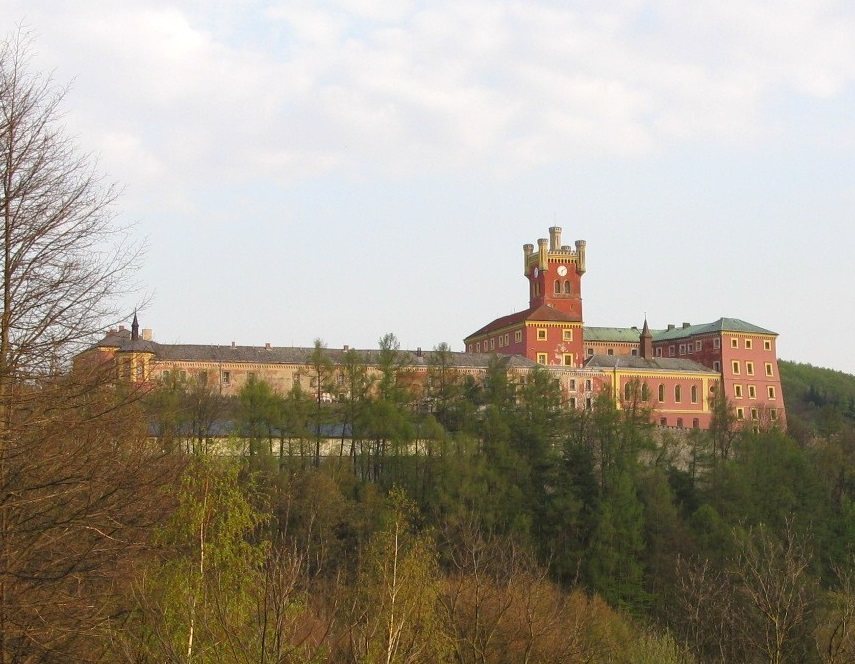
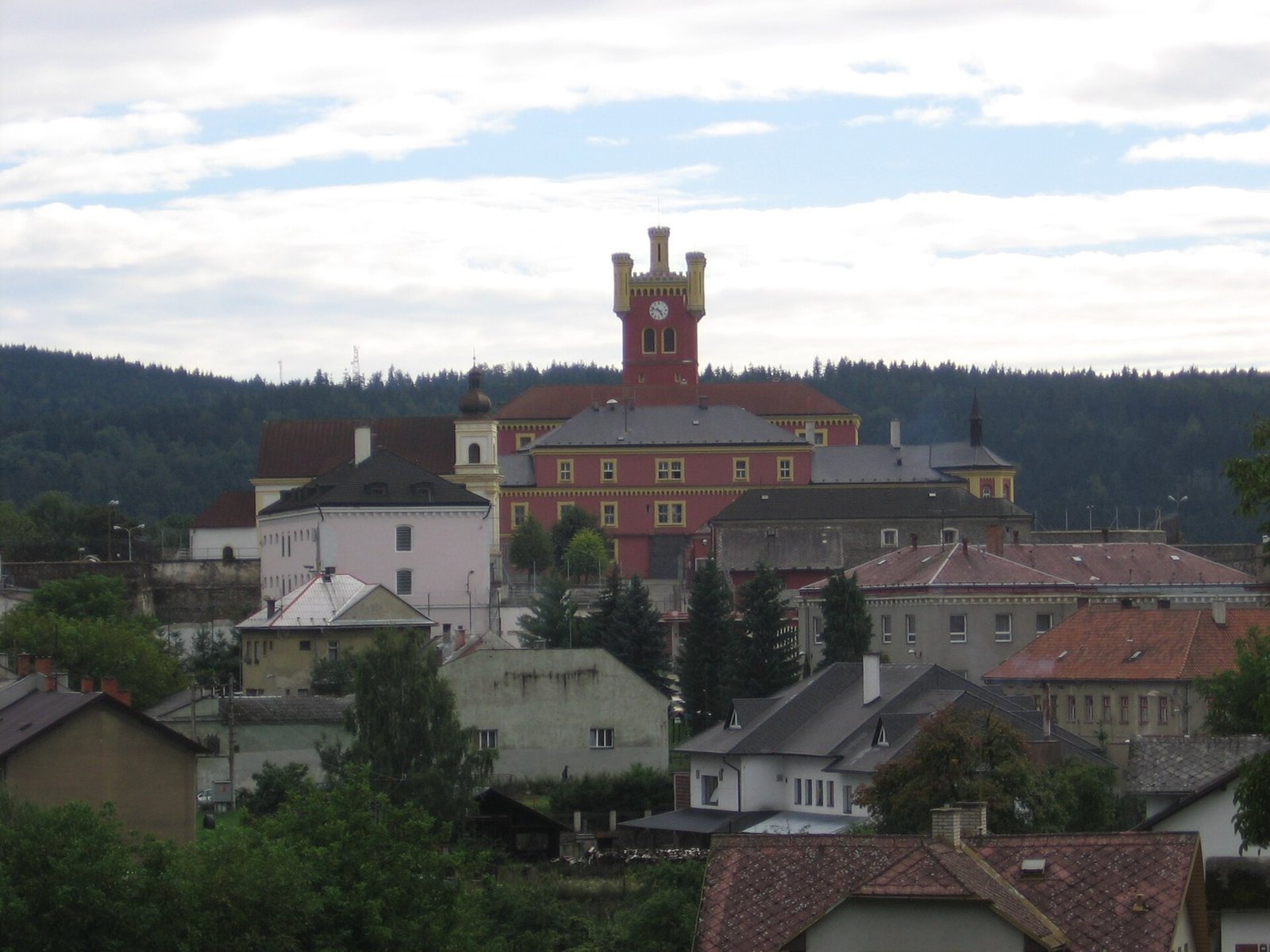
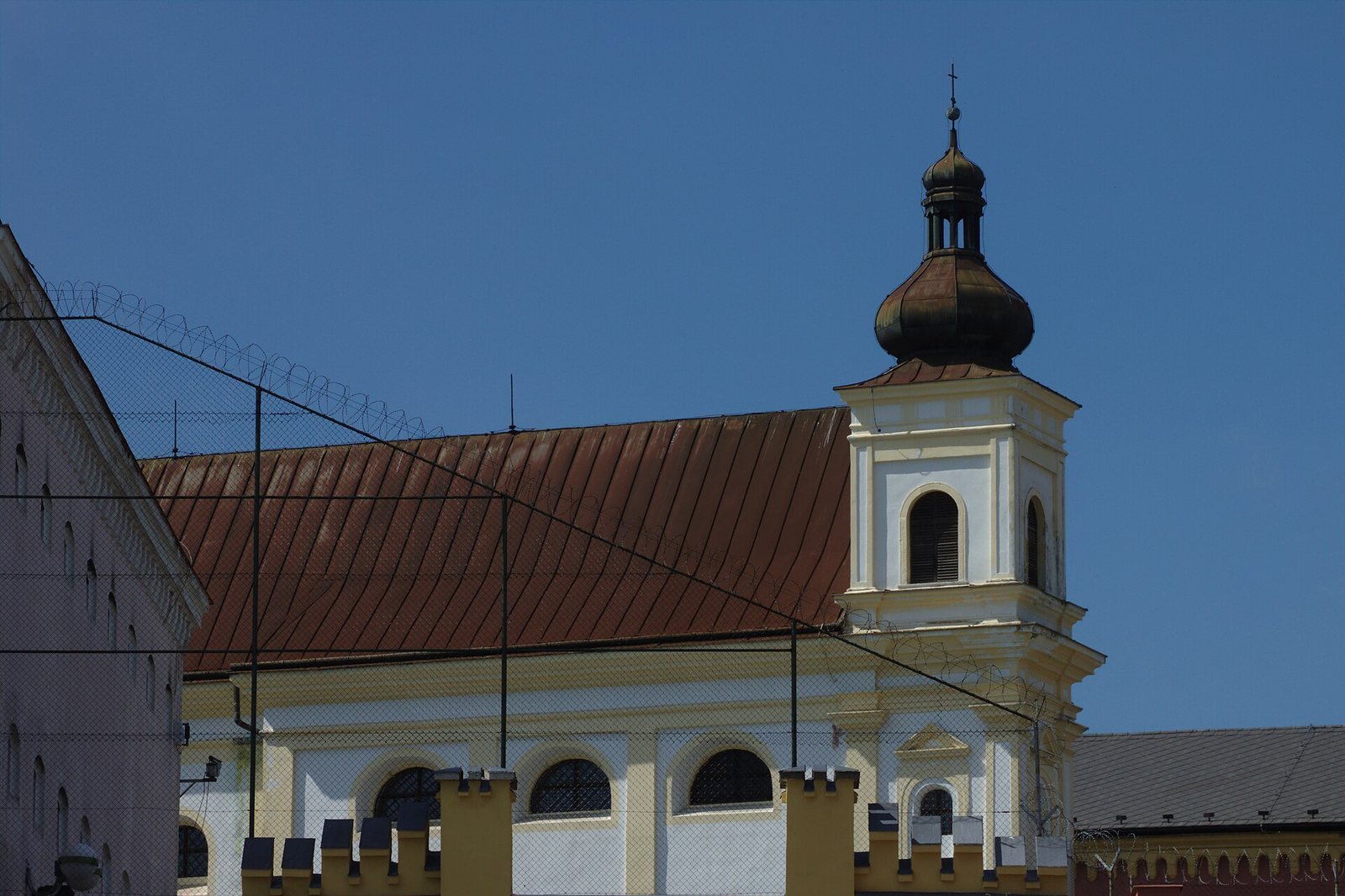
Mírov Castle stands on a high, forest-covered rocky rise in the village and is a prominent feature there. Its architectural character combines Gothic, a medieval European style, Baroque forms, and Neo-Gothic, a later revival of Gothic design.
Medieval complex
The medieval complex included a 13th-century weapons store, a drawbridge and an outer fortified courtyard. These features formed part of the castle’s early layout.