Schloss Liechtenstein in Styria: A Castle and Its Medieval Predecessor
Site at a Glance
- Popularity
- Medium
- Country
- Austria
- Primary era
- Early Modern
- Eras represented
- Medieval, Early Modern
- Civilizations
- Duchy of Bavaria, Duchy of Styria, Habsburg, Holy Roman Empire
- Site type
- Domestic
- Remains
- Castle
On this page8 sections
History
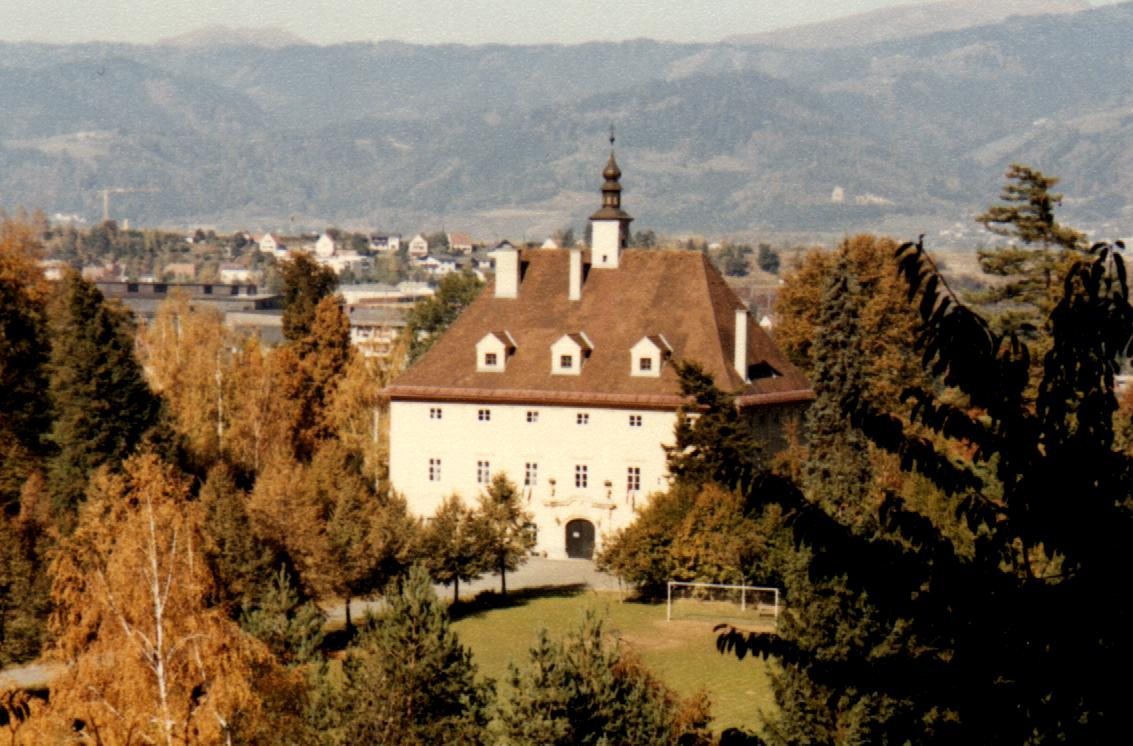
Schloss Liechtenstein in Styria is a castle in Austria, built around 1650 by Seckau Abbey, a Benedictine monastery. It followed an earlier fortress associated with the medieval Styrian nobleman and poet Ulrich von Liechtenstein.
Medieval fortress and abbey castle
A castle belonging to Ulrich von Liechtenstein appears in a record from 1140. It fell into disrepair during the 16th century. Seckau Abbey later built the present Schloss, and a 1705 princely fief charter described the fortress as collapsed while referring to the new castle.
Expansion and changing ownership
The Barons of Königsbrun, a Styrian noble family, enlarged the Schloss during the 18th century. In 1814, Prince Johann I. Josef von und zu Liechtenstein acquired it by purchase. The property later passed to the State of Styria.
Modern use and ownership
Several renovations took place through 2001, and the castle housed a state-run student residence. Diakonie de La Tour, a Protestant social-service organization, later held the property. Under the name Haus Murtal, it served as a basic-care facility for asylum seekers in cooperation with Diakonie Flüchtlingsdienst, a refugee-support organization. The State of Styria offered the Schloss for sale in 2011; it has been privately owned since June 2019.
Remains
Site layout and buildings
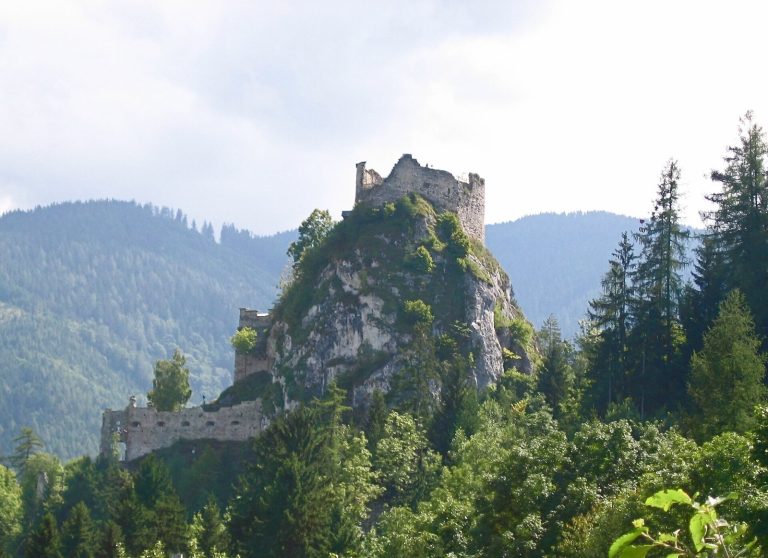
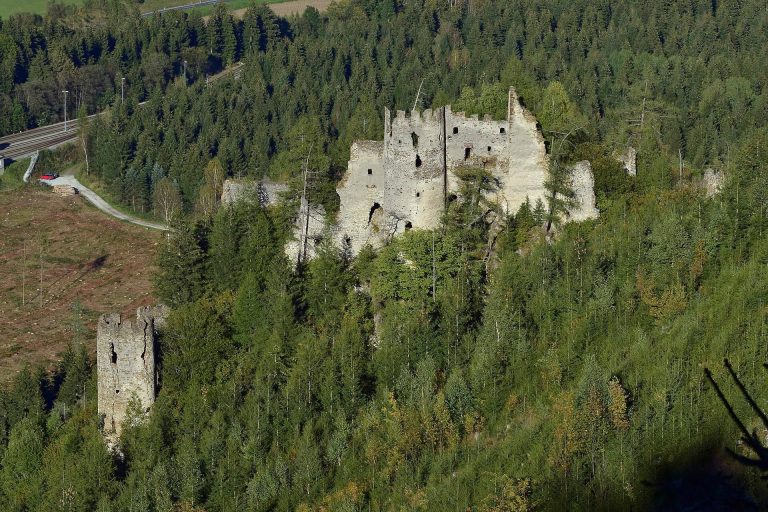
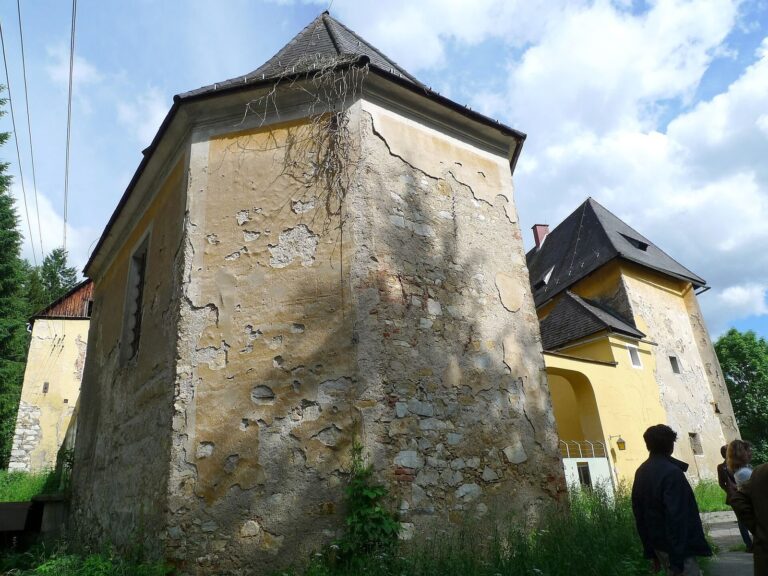
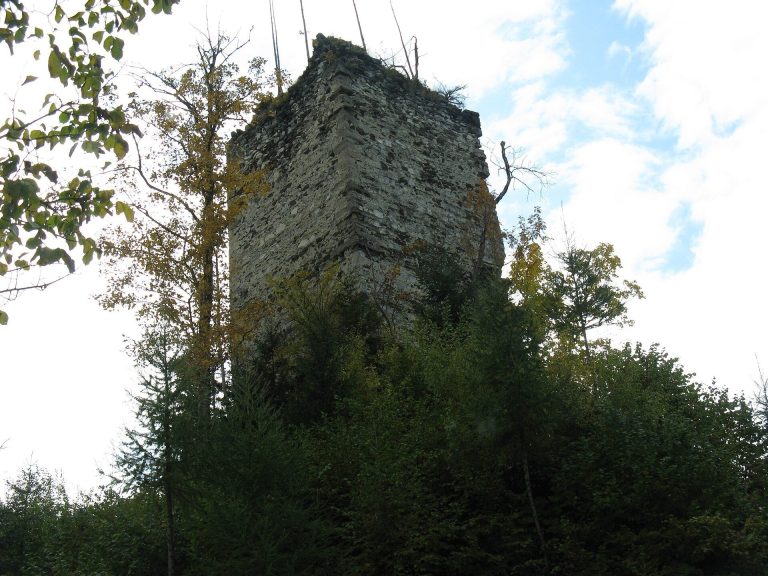
The remains occupy two related positions: the earlier fortress stood on a rocky promontory southeast of Judenburg, while the later Schloss was built below its ruins. Part of the fortress’s main residential hall survives alongside the well-preserved later building and its ancillary structures.
Earlier fortress
The predecessor castle occupied the rocky promontory. Remains of its main residential hall survive there, marking the site of the medieval stronghold.
Later Schloss
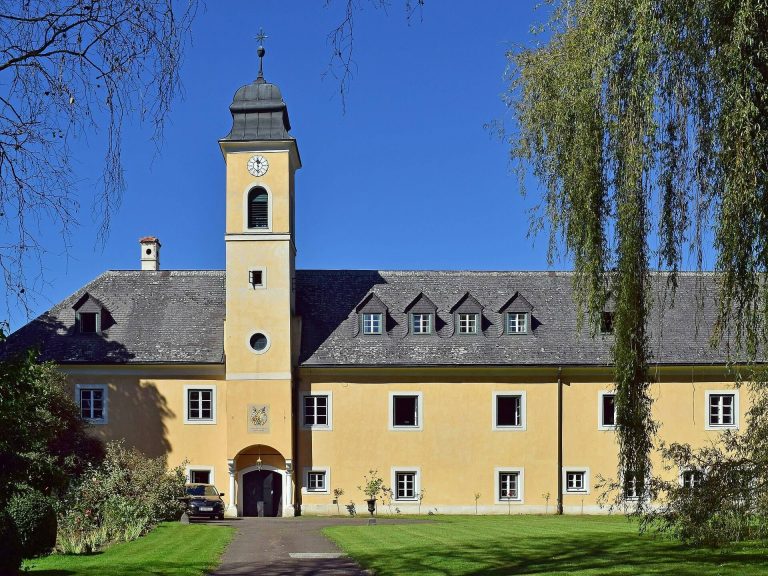
The Schloss is a two-and-a-half-storey building beneath a high hipped roof, which slopes down on all sides. Its entrance has a Rococo portal, an ornate European style of the 18th century, bearing the Königsbrun coat of arms. Inside, stucco ceilings, finished with plasterwork, date to the late 17th century. The ancillary buildings were built in the early 18th century.