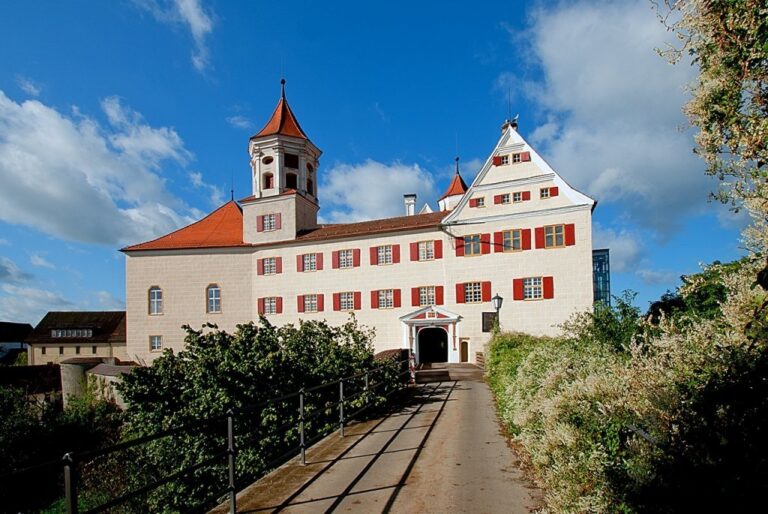
Reisensburg Castle: A 10th-Century Stronghold Later Converted into a Palace
Site at a Glance
- Popularity
- Medium
- Country
- Germany
- Primary era
- Medieval
- Eras represented
- Medieval
- Civilizations
- Duchy of Bavaria
- Site type
- Domestic
- Remains
- Castle
On this page5 sections
History
Prehistoric settlement and early references
People lived at the site around 4,000 years ago. Five prehistoric settlement groups have been identified, though they did not form an unbroken sequence. The better-understood phases include a Neolithic settlement, from the later Stone Age associated with farming, and a Bronze Age settlement, from the period when bronze became a major material for tools and weapons.
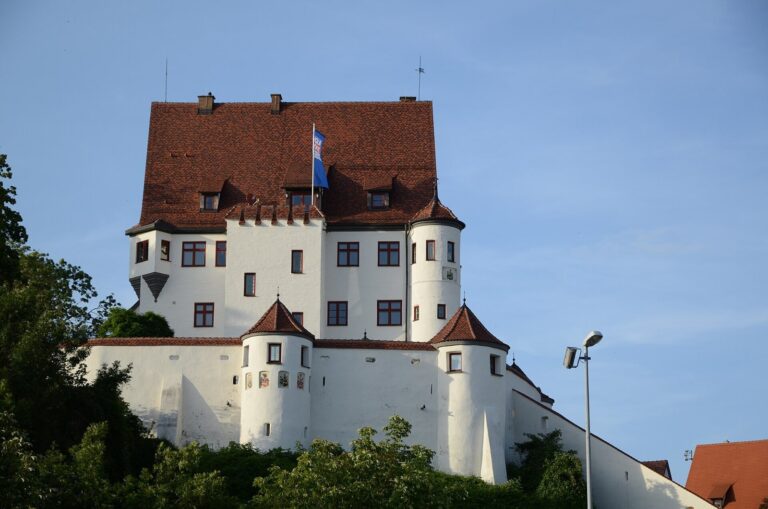
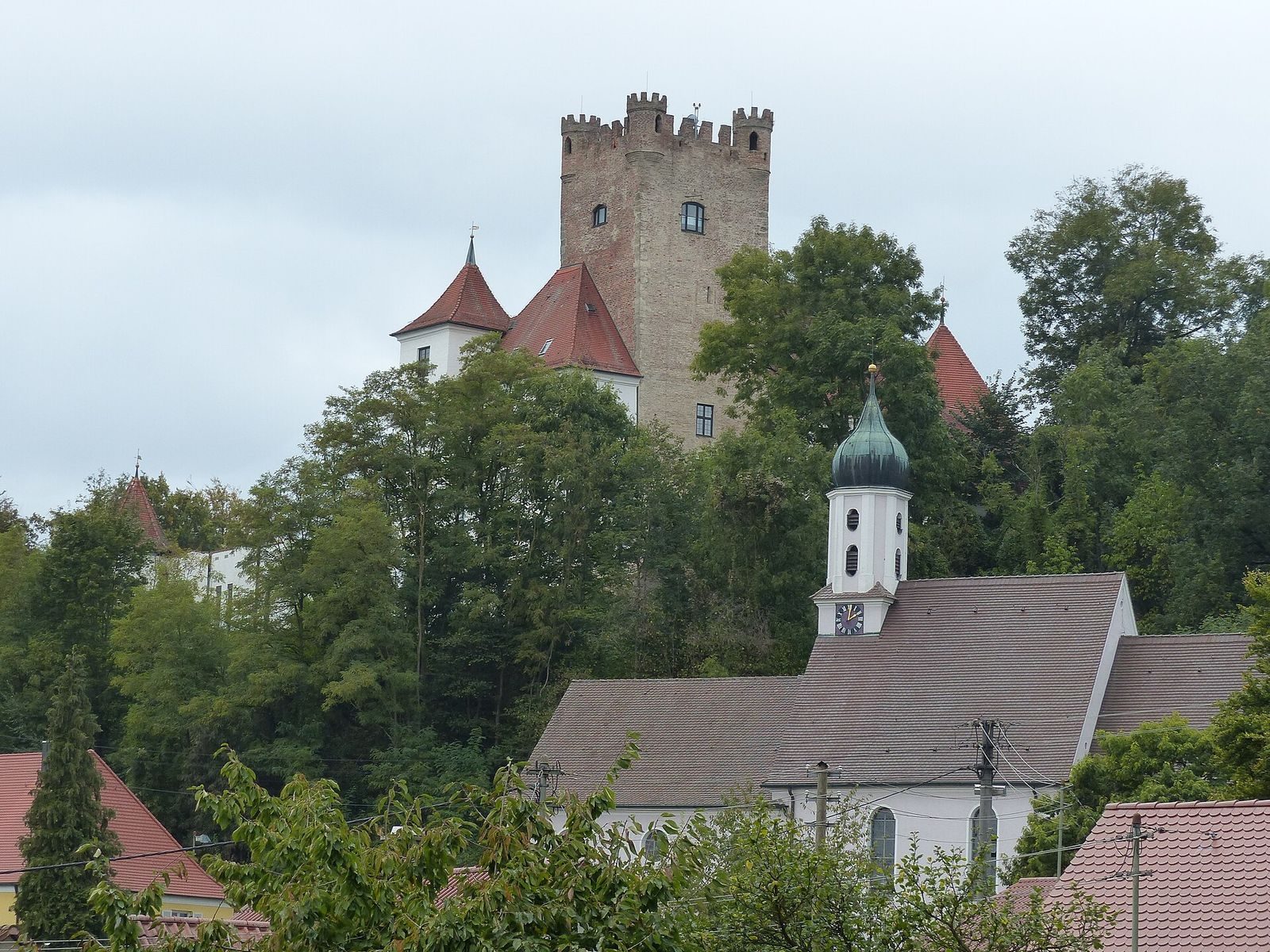
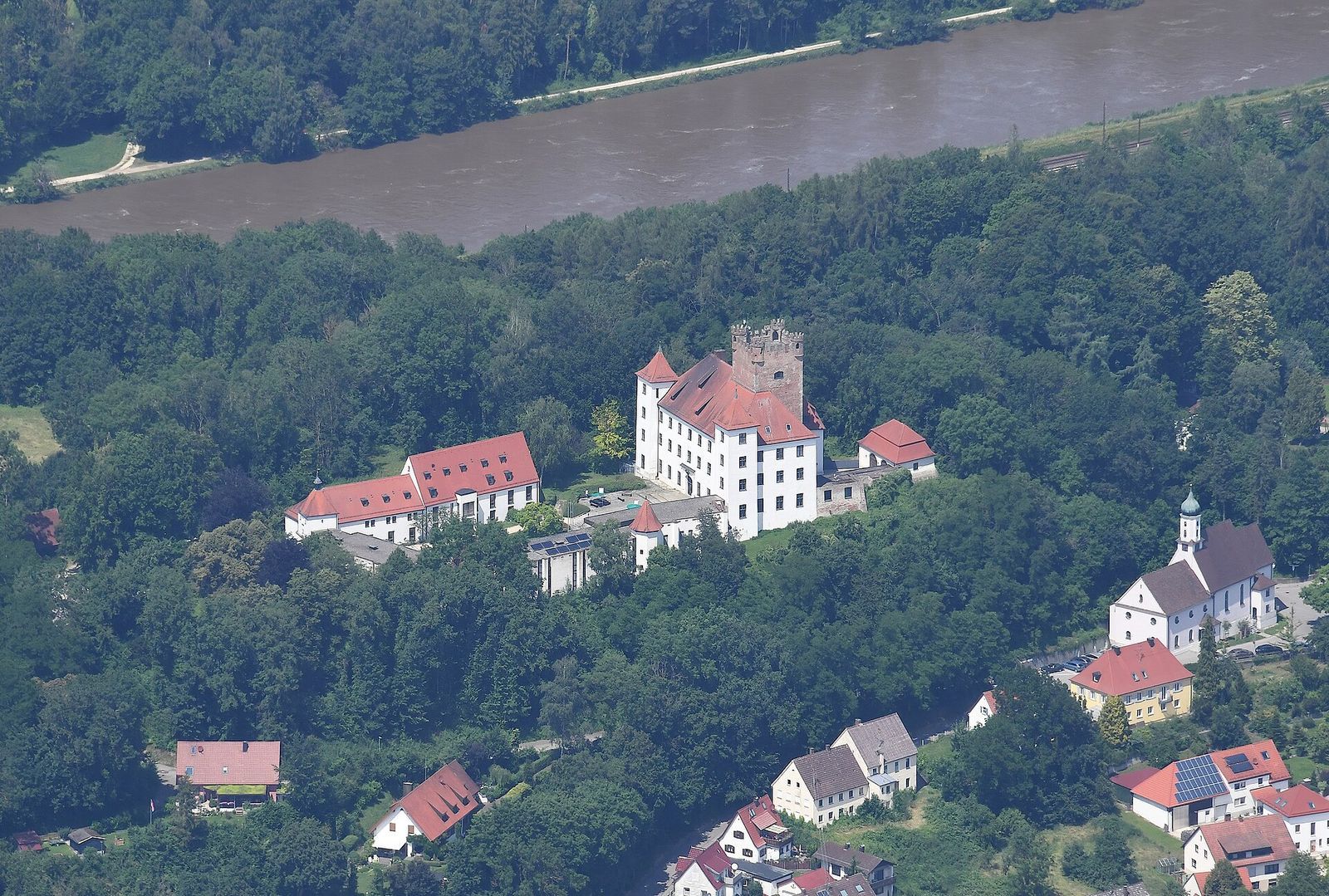
Reisensburg Castle, near Günzburg on the Danube in Germany, is dated to the 10th century and was later converted into a palace. A first castle complex appears in a passage from the first half of the 6th century by the anonymous writer known as the Geographer of Ravenna, who mentions the Gothic ruler Athanarid. The earliest written form of the name, Rizinis, appears in chapter IV.26 of the writer’s Cosmographia. Its origin is uncertain. It may be linked to the Germanic or Indo-European verb rīsan, meaning “to rise,” perhaps referring to the hilltop position. Another possibility is the Old High German root hrisinon, meaning brushwood, or a connection with the Rucinates, a people of the Alpine region described as Celtic.
The Luitpoldingers and 10th-century Reisensburg
In the 10th century, the castle served as a seat for Berthold of Reisensburg and other members of the Luitpoldingers, a Bavarian ducal family. Berthold joined a revolt against Otto I, an East Frankish king who later became emperor, alongside his father Arnulf II, Duke of Bavaria, and Liudolf, Otto’s son. Berthold was banished, and the family was expelled from Bavaria in 955. Before the Battle of Lechfeld that year, in which Otto’s forces defeated the Hungarians, Berthold was said to have betrayed Otto’s campaign plans to the Hungarian forces.
After Berthold’s time, Reisensburg drops out of written records until the 12th century, when it appears again in connection with various castle lords.
Palace, ownership, and modern use
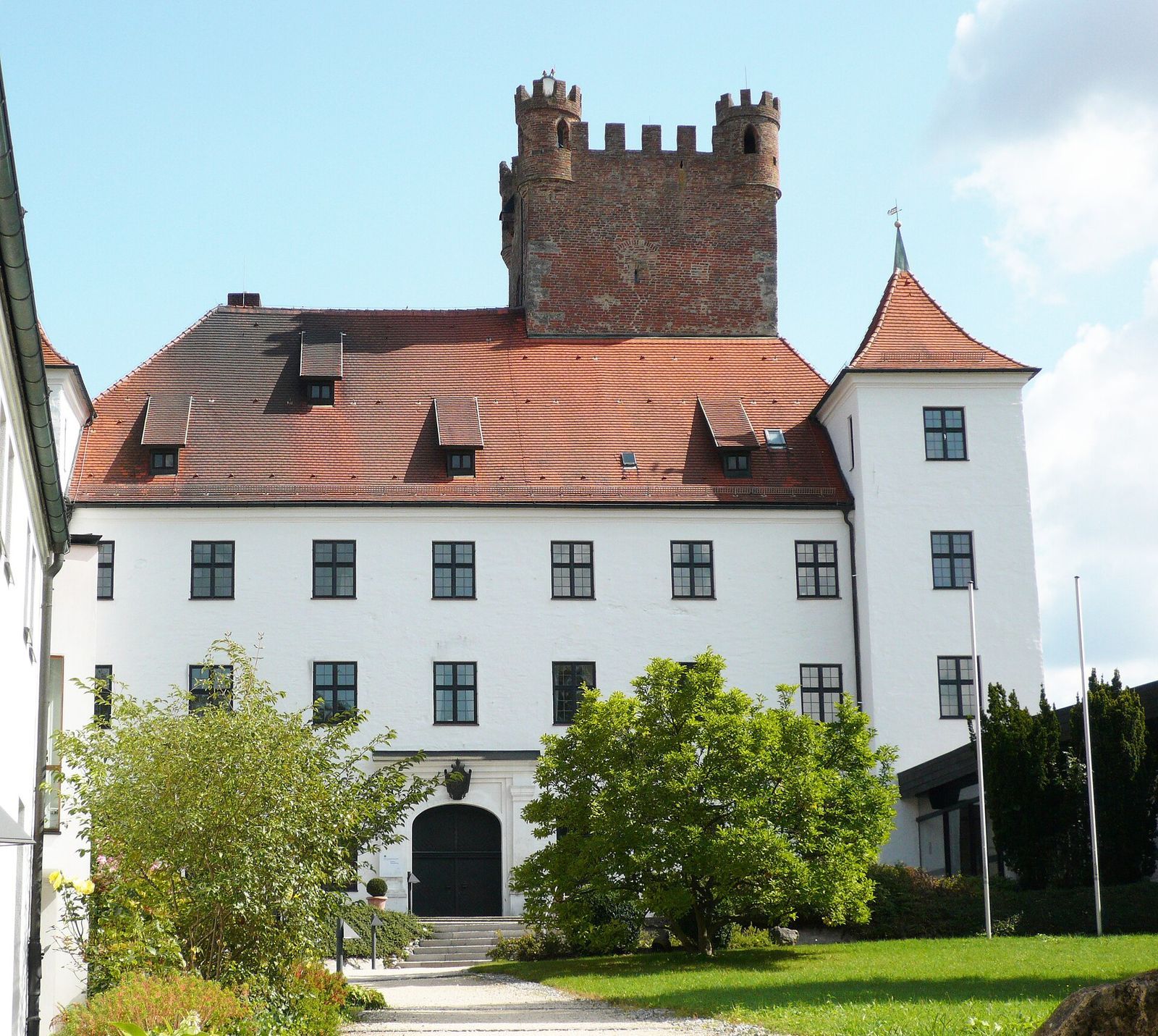
The castle was transformed into a palace in the 16th century. In 1604, the last group of feudal lords lost possession of Reisensburg. Swedish mercenaries burned the palace in 1632, after which it was rebuilt.
The estate passed by inheritance to the Barons von Eyb in 1763. The last descendant of that family line died on 27 March 1851, and Maximilian Alexander von Riedheim bought the estate on 17 June 1852. Political unrest led to a forced sale in 1920.
The International Institute for Scientific Cooperation, an association, purchased the castle on 6 March 1966. The University of Ulm later began operating a conference centre there for academic retreats, the Wissenschaftszentrum Schloss Reisensburg. From 1 January 1997, the estate became part of the university’s assets as a dependent foundation, administered within the university rather than as a separate legal entity.
Remains
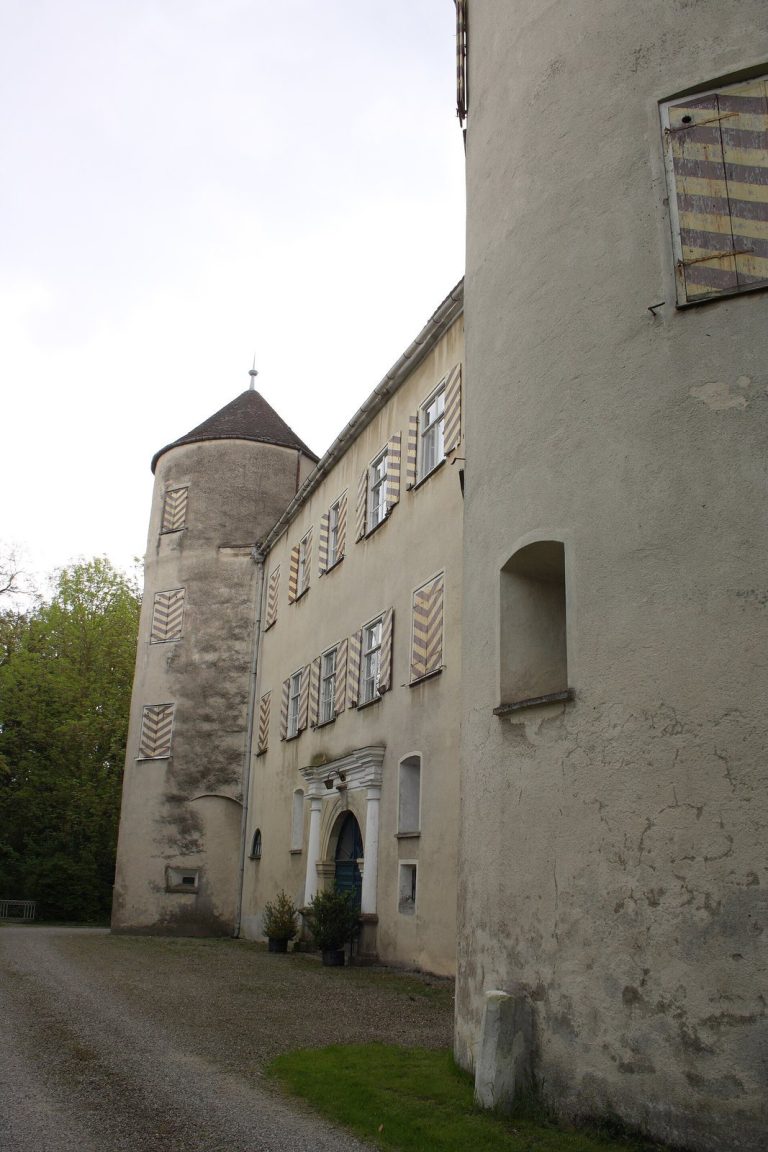
The site is classified as a castle within a settlement and survives in the form of a palace.