Loreto Abbey Palace: An Eighteenth-Century Religious Building in Italy
Site at a Glance
- Popularity
- Medium
- Country
- Italy
- Primary era
- Early Modern
- Eras represented
- Early Modern
- Civilizations
- Kingdom of Naples
- Site type
- Religious
- Remains
- Palace
On this page4 sections
History
Foundation of the Montevergine Congregation
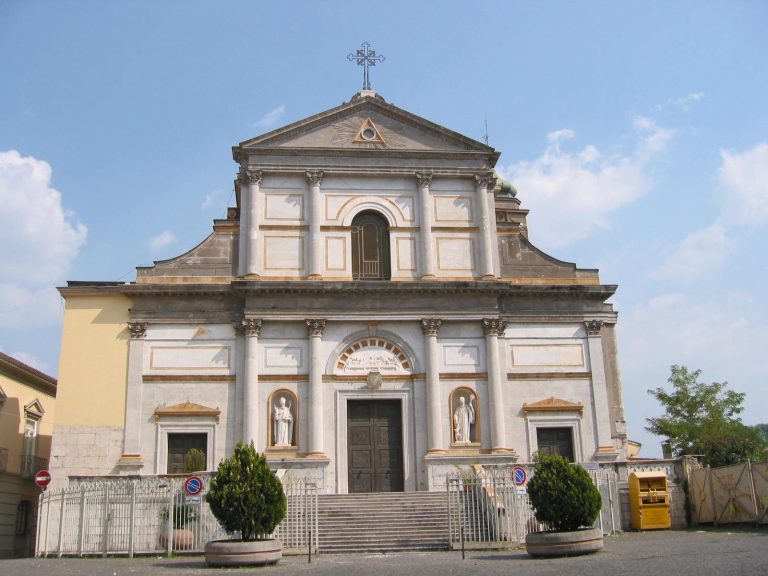
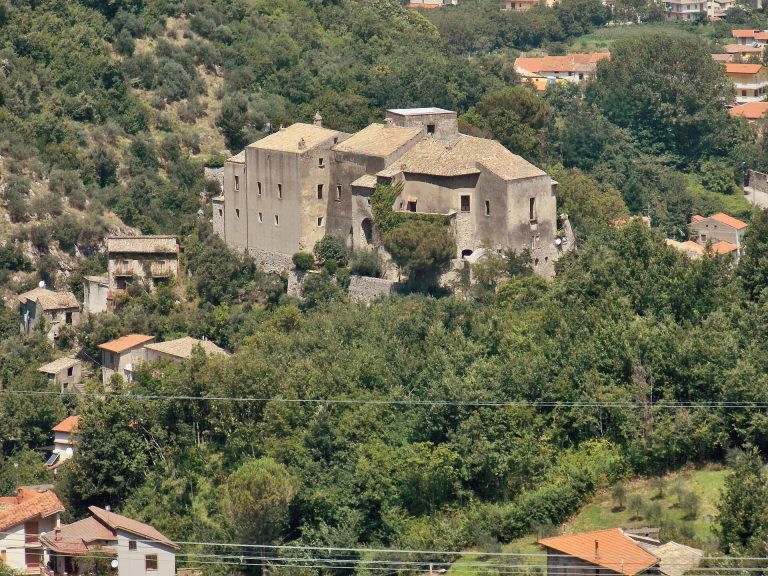
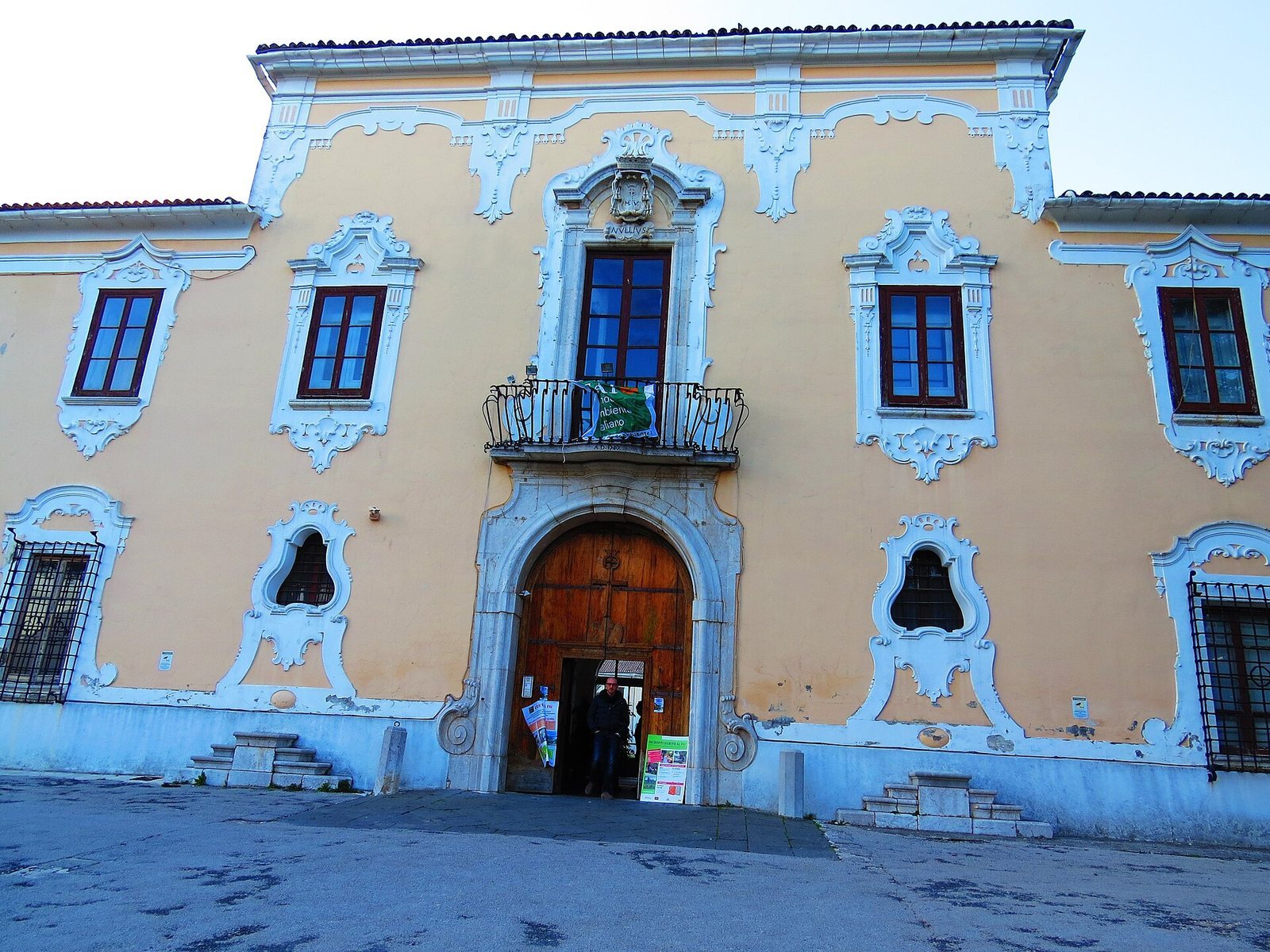
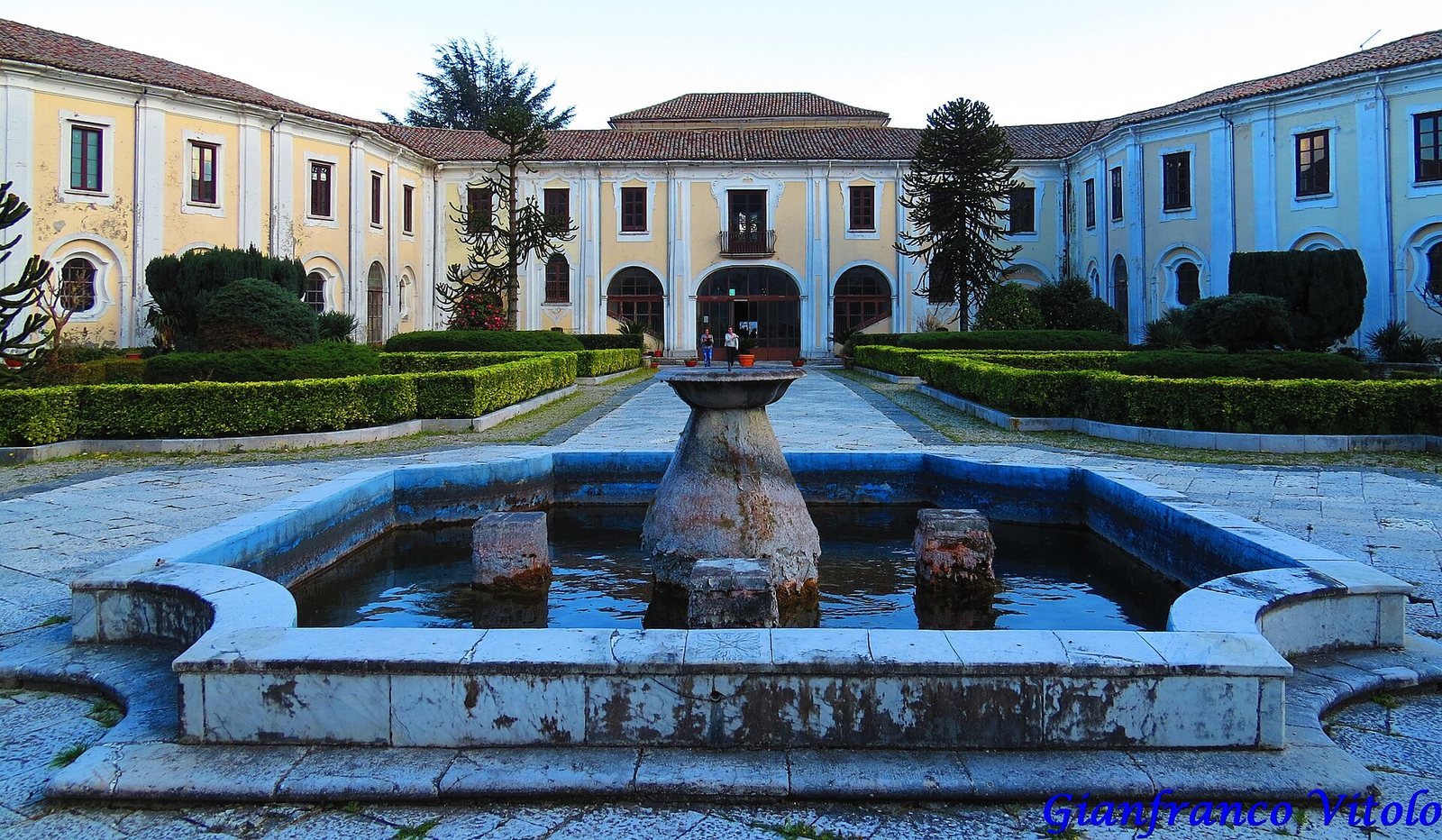
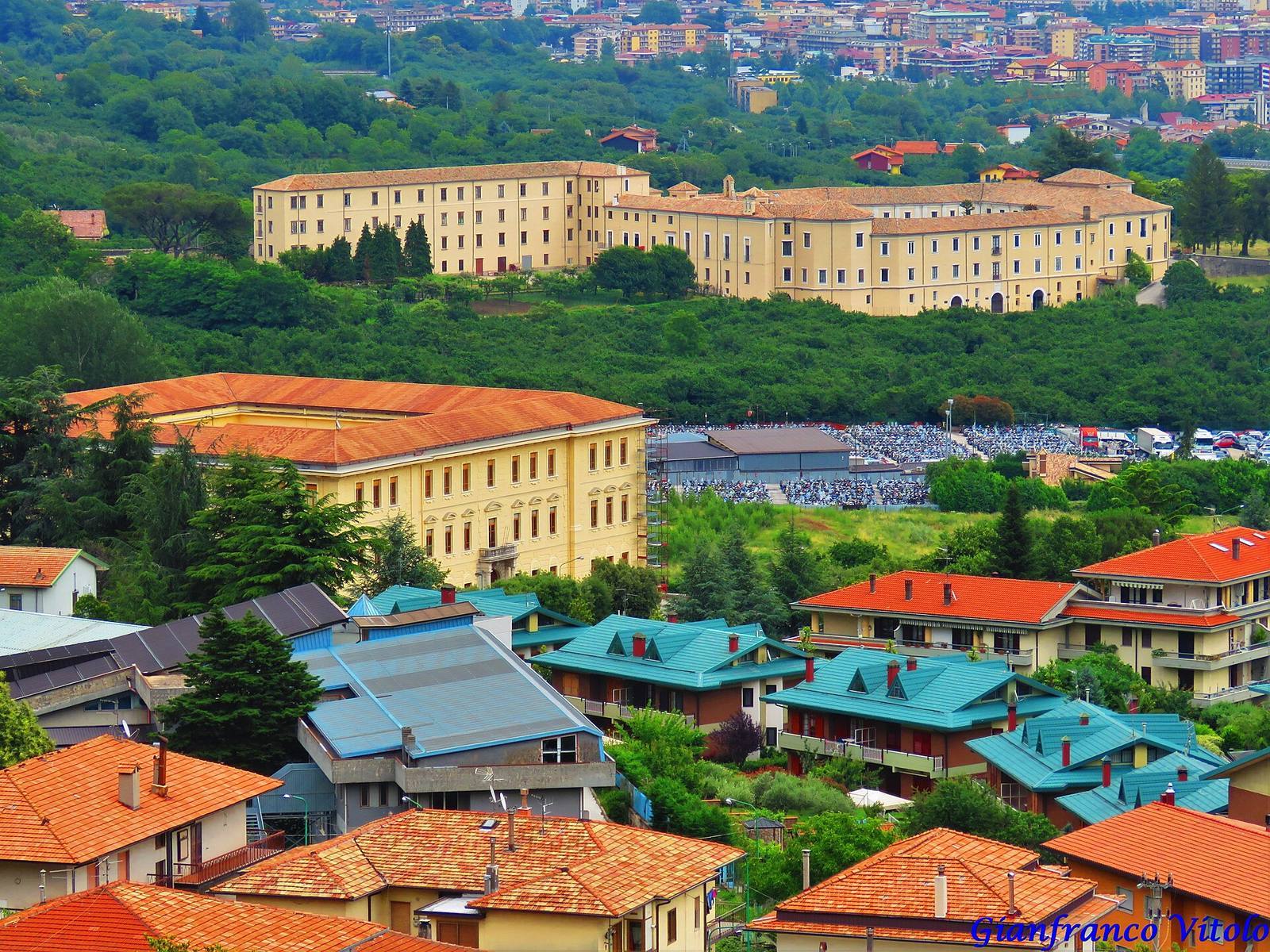
Loreto Abbey Palace is an eighteenth-century religious building in Mercogliano, Italy, which replaced an earlier Benedictine monastic complex. The monastery’s beginnings are associated with William of Vercelli, a pilgrim from northern Italy who was travelling toward Palestine when he reached Monte Partenio. As his reputation as a hermit grew, young men joined him to pursue an ascetic life under the Rule of Saint Benedict, a guide for communal monastic life.
The group began building a church on the mountain. Its consecration at Pentecost in May 1126 marks the beginning of the Montevergine monastic congregation, whose monks were also known as the Verginians. The earlier monastery dates to the first decades of the twelfth century.
Infirmary and Replacement Palace
The monks’ strict diet excluded meat, eggs, and dairy products, while the mountain climate was harsh. They therefore sought a milder location for an infirmary and care for the weak, elderly, and sick, choosing a site in the Mercogliano valley. An earthquake on 29 November 1732 seriously damaged the older monastic complex. The present palace took its place in the eighteenth century.
One tradition connects the name Loreto with a laurel grove at the monastery’s earlier location. Laurel was sacred to Apollo, a major deity in ancient Greek and Roman religion. Father Giovanni Mongelli instead proposed that the name came from a garden called Orrita in the Vesta district.
Remains
The palace houses the State Library of Montevergine, with about 200,000 volumes, and an archive containing roughly 7,000 parchment documents. Its old pharmacy holds more than 300 hand-painted majolica jars, made of tin-glazed earthenware with painted decoration. The building also accommodates the Benedictine Fathers of Montevergine’s award-winning liqueur factory, a wine cellar, and three Flemish tapestries whose dates are uncertain.