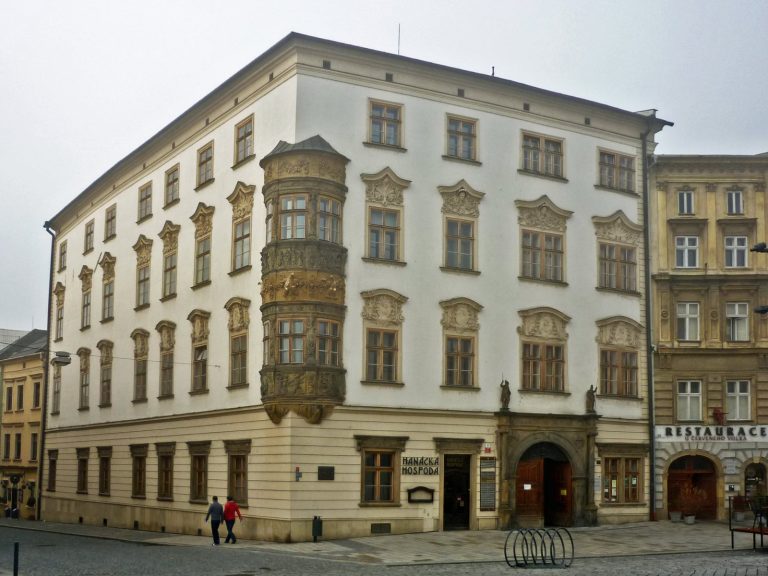
Edelmann Palace: A Renaissance Family Residence in Olomouc
Site at a Glance
- Popularity
- Medium
- Country
- Czechia
- Primary era
- Early Modern
- Eras represented
- Early Modern, Modern
- Civilizations
- Austria-Hungary, Habsburg, Holy Roman Empire, Margraviate of Moravia
- Site type
- Domestic
- Remains
- Elite Residence
On this page5 sections
History
Renaissance foundation and changing ownership
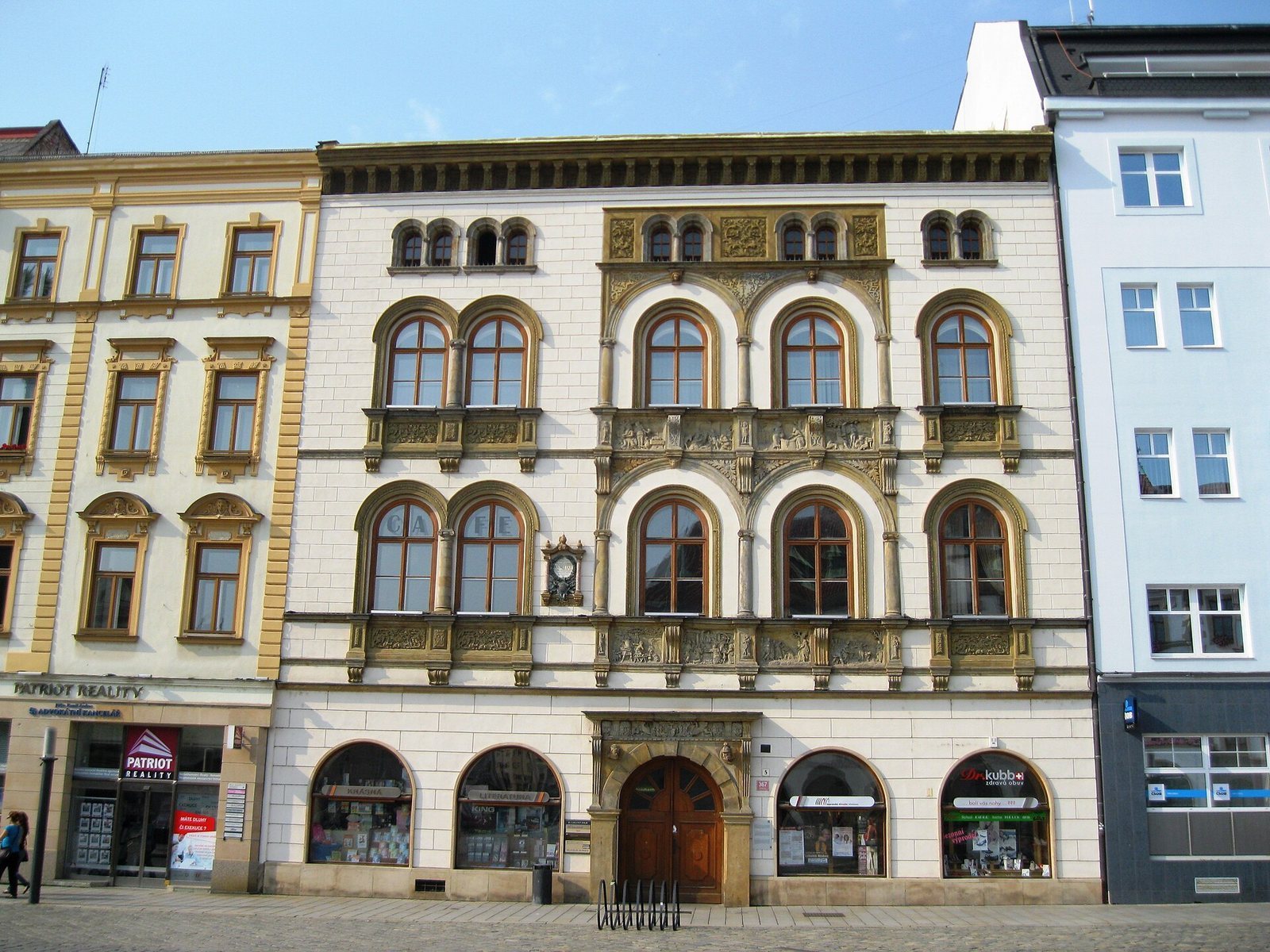
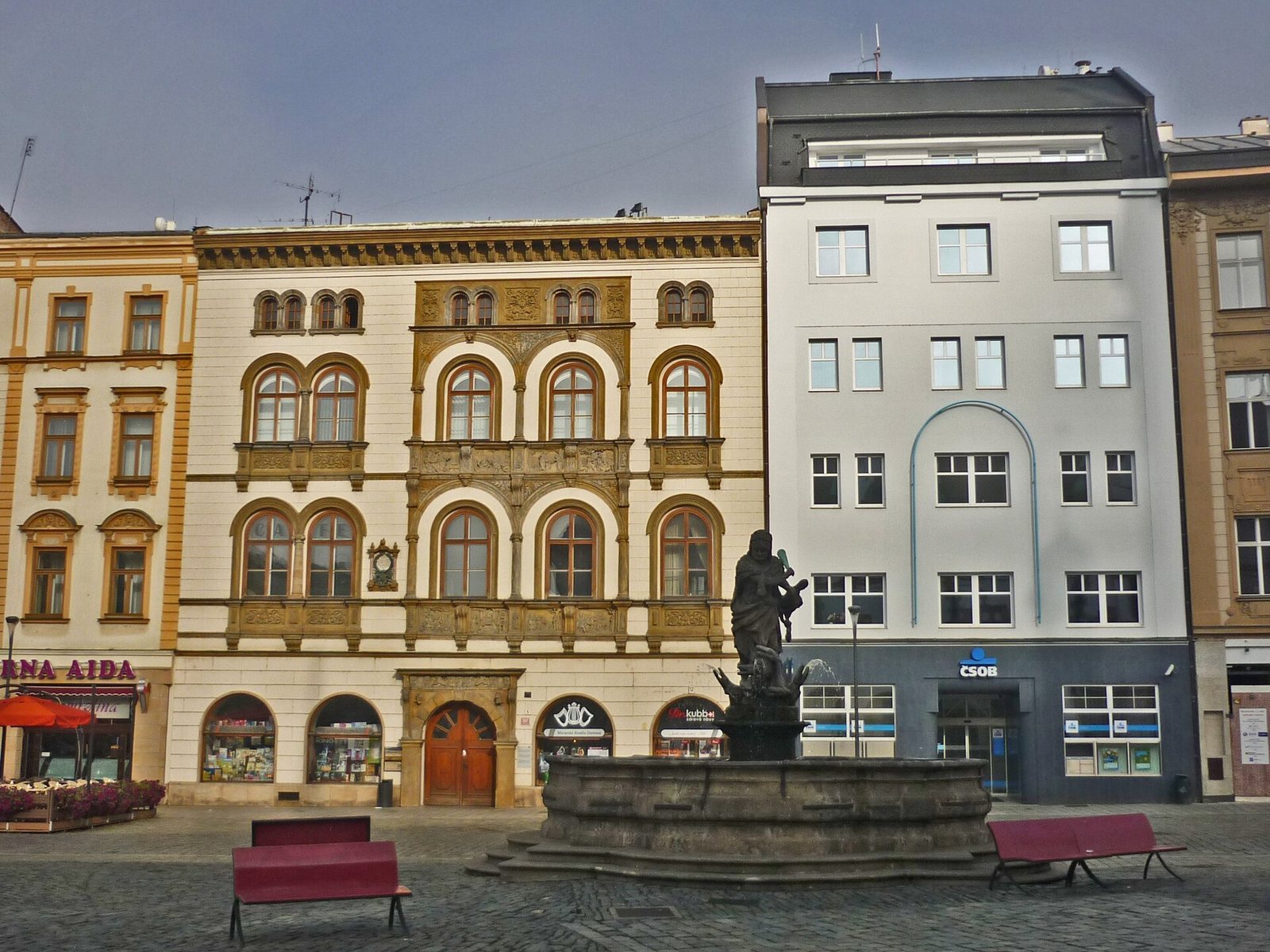
Edelmann Palace is a Renaissance urban residence on Horní náměstí in Olomouc, Czechia. After 1572, wealthy town citizen and mayor Václav Edelmann z Brosdorfu bought two older Gothic townhouses, had them demolished, and commissioned the palace as a home for his family. Its exact completion date is unknown, but it was probably finished before 1586.
During the sixteenth century, Václav Edelmann the Third sold the palace to Sigmund Willenberger. It passed through several hands in the seventeenth century, including those of the counts of Žampach, Proskov, and Appersdorf.
Municipal and cultural uses
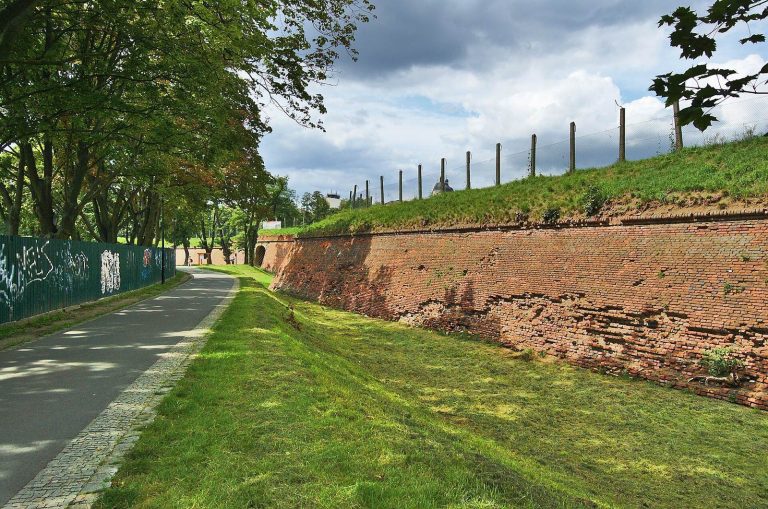
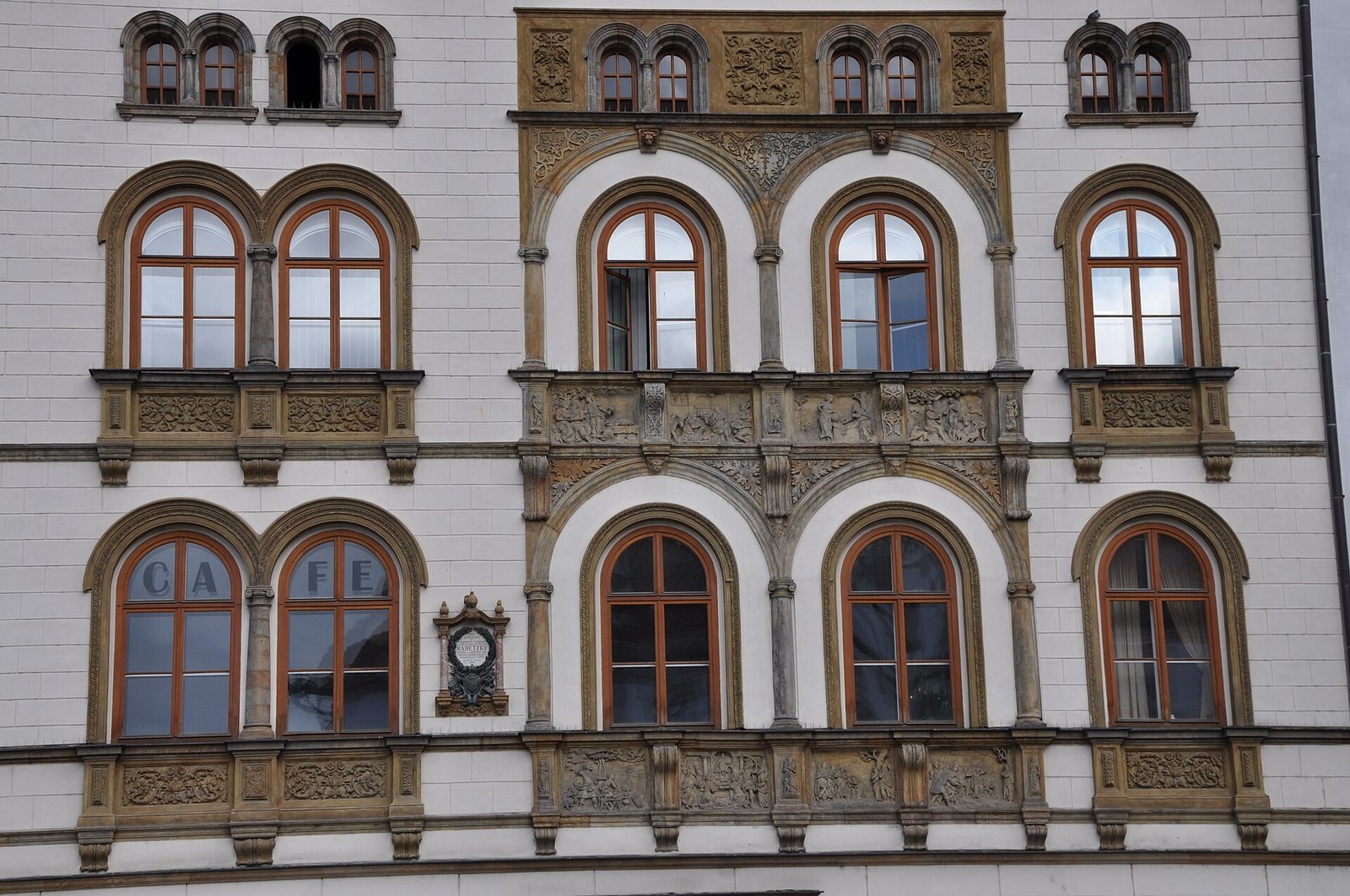
The city acquired the palace in 1719 and remodeled it several times. From 1816, it housed the commander-in-chief of the Olomouc Fortress, the city’s fortified military complex. Austrian military commander Josef Radetzky von Radetz lived there from 1829 to 1831.
From 1850 to 1904, the palace accommodated the city administration while Olomouc Town Hall was used for judicial work. Known in the nineteenth century as the municipal house, it also hosted cultural activities. These included a concert hall for the Collegium musicum, an organized musical society, followed by a gallery and bookstore. The palace later housed Olomouc’s first permanent cinema.
Later alterations and protection
The palace underwent a major remodeling from 1869 to 1871. It has been protected as a Czech cultural monument, a property recognized as part of the country’s cultural heritage, since 1958.
Remains
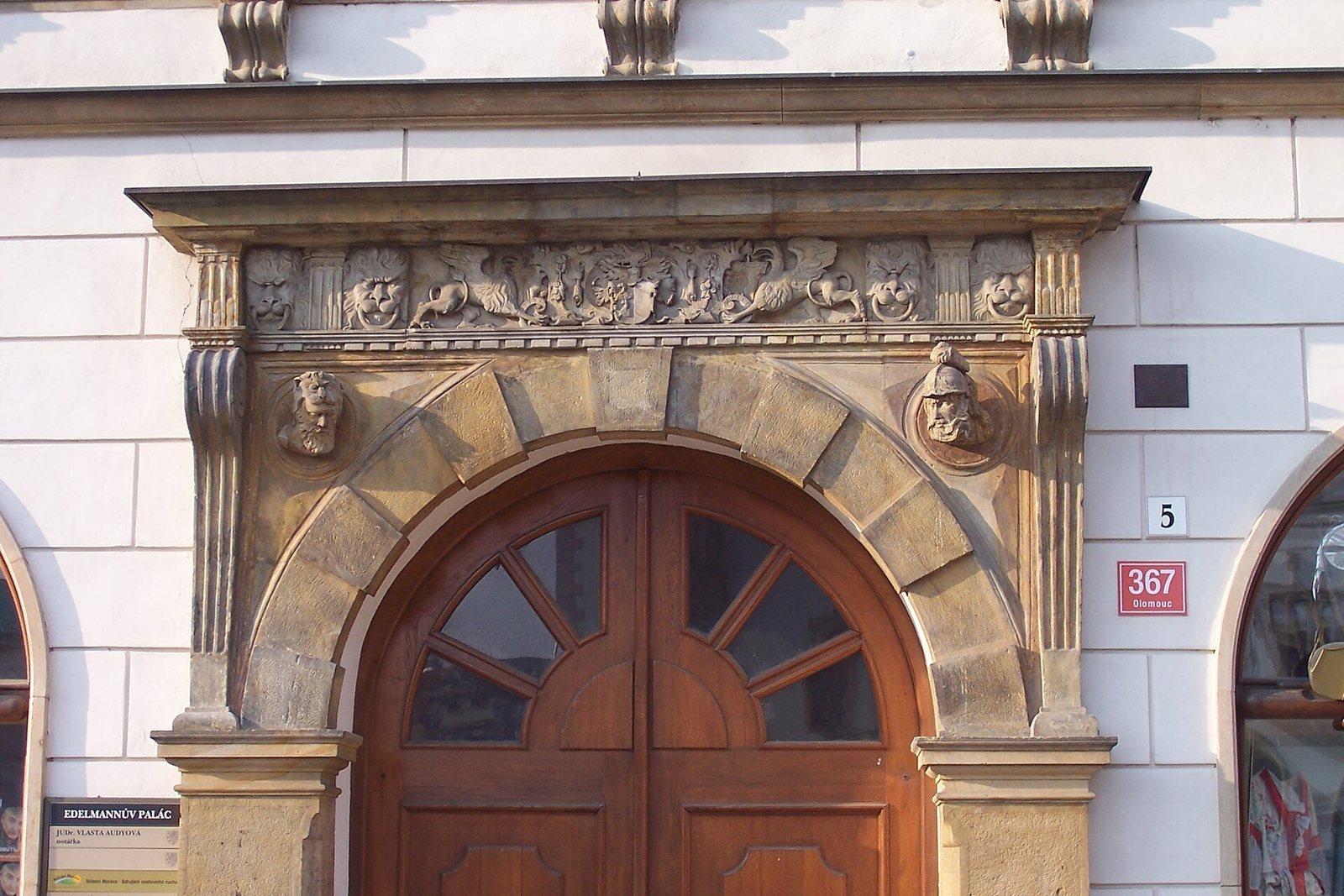
The palace’s architectural character combines its original Renaissance design with later Neo-Renaissance forms, a nineteenth-century revival of Renaissance architecture. A passage runs through the building and was renewed in the 1930s. The entrance portal bears the family’s earlier coat of arms, while the large entrance hall was reconstructed in the 1980s.