Putdaal Castle: A Neoclassical Estate in Brussels
Site at a Glance
- Popularity
- Medium
- Country
- Belgium
- Primary era
- Modern
- Eras represented
- Modern
- Civilizations
- Belgian
- Site type
- Domestic
- Remains
- Elite Residence
On this page7 sections
History
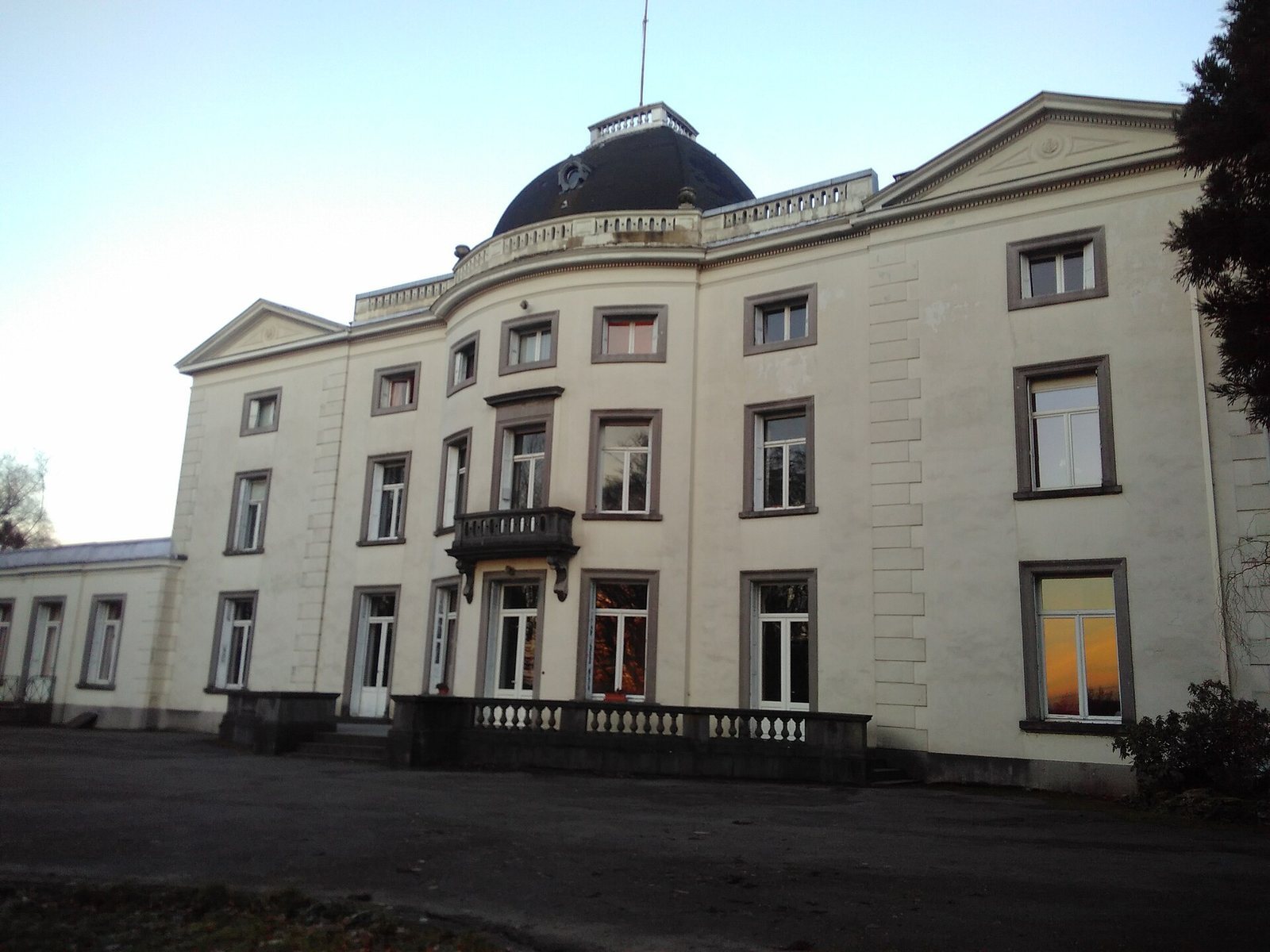
Putdaal Castle is a country estate in Woluwe-Saint-Pierre, Brussels, Belgium. Its grounds were laid out in 1845, and its later residence was built in the neoclassical style. The estate became a home for members of the Orléans branch of the French royal family.
Estate and residence
In the early nineteenth century, the property formed part of the Sonian Forest. After the woodland was cleared, a 27-hectare park was created. The estate was laid out in 1845 and named Putdael Castle after a nearby valley. It was first intended for private use. In 1884, newspaper publisher Alfred Madoux acquired the property and had a new residence built to replace the existing structures.
The Orléans family
In 1913, nine years after Madoux’s death, his widow leased the estate to Philippe d’Orléans, Duke of Orléans. Philippe supported the Orléans branch’s claim to the French throne. Until his death in 1926, he reshaped twelve hectares as an English-style park, a landscape designed to appear natural rather than geometric. He planted shade-tolerant vegetation in wooded areas and introduced game animals. The estate passed by bequest to his brother-in-law Jean d’Orléans, Duke of Guise, who became head of the House of France for Orleanists.
In 1940, after Jean’s death, his son Henri d’Orléans, Count of Paris, and Henri’s sisters sold the estate as part of the settlement of their father’s property. Henri’s five eldest children had been born at the castle between 1932 and 1938.
War and later use
German forces occupied the estate during the Second World War. In 1945, Guise Square and Anjou Slope were created along its edge. The Good Shepherd Sisters, a Catholic women’s religious congregation, purchased the property in 1948. The Fraternities of the Good Shepherd took it over in 1987. The estate remains private, apart from premises occupied by ICHEC, a higher-education institution focused on business and management. Around seventy people live on the site, including families, single people, a priest, a nun, young adults, and students. The house was listed as a protected heritage building on 8 May 2014.
Remains
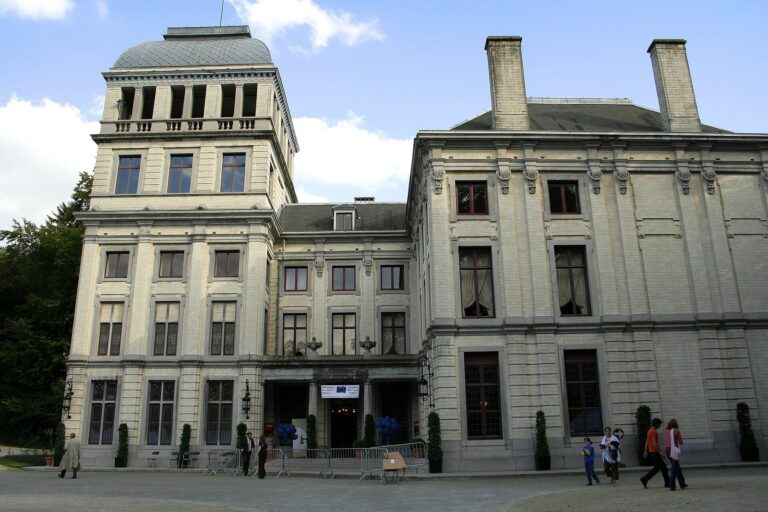
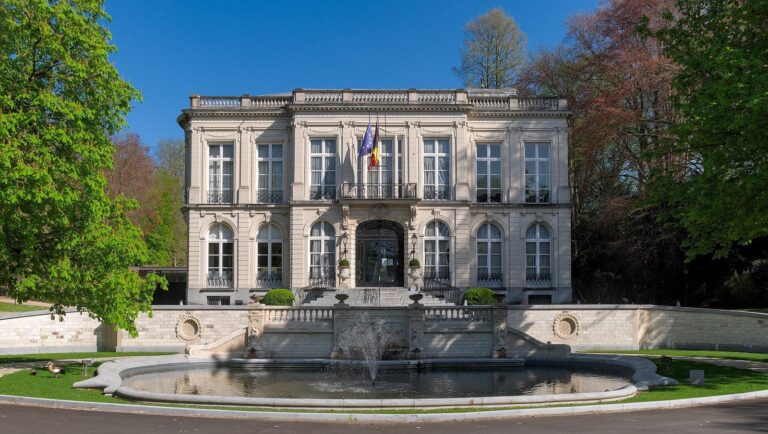
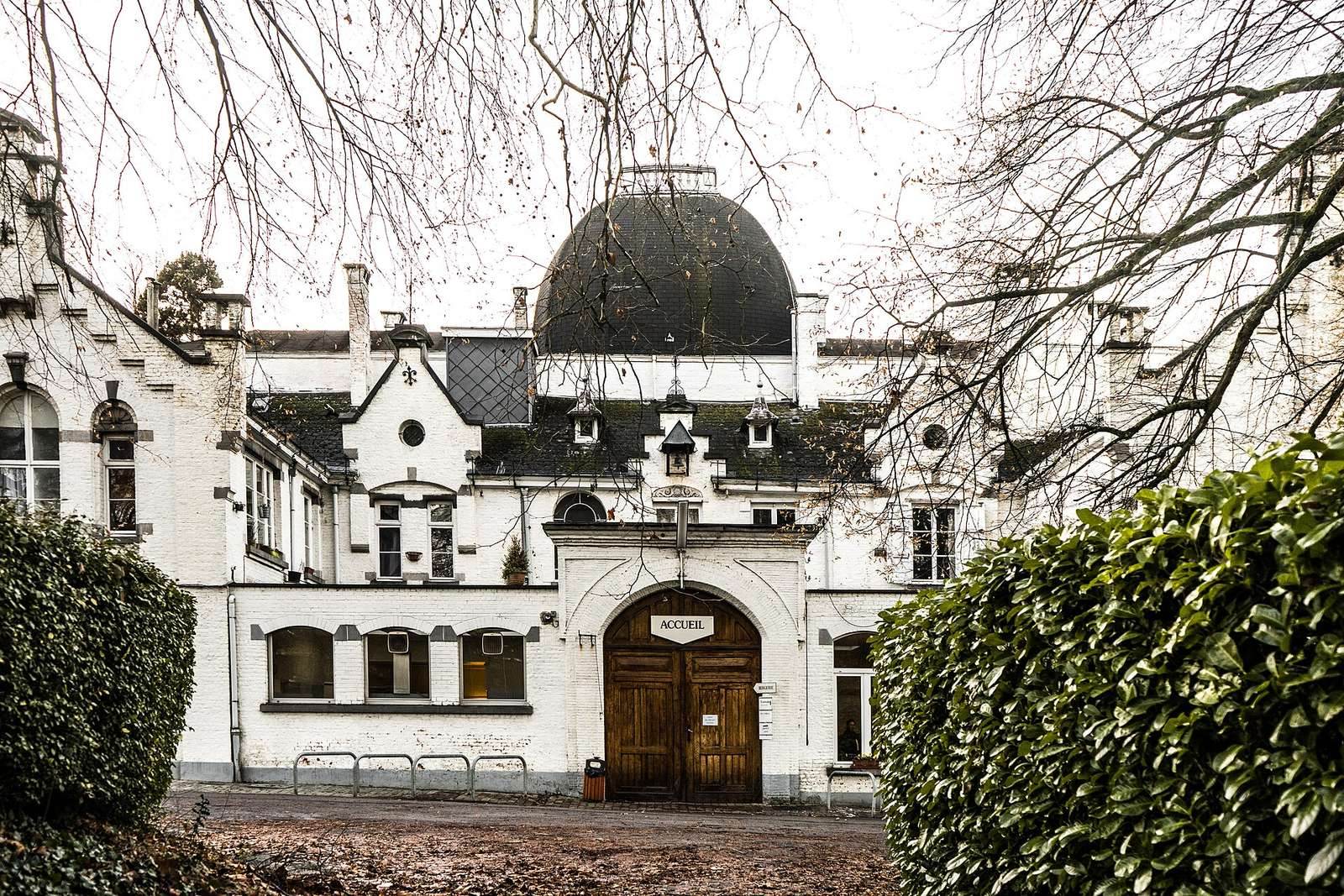
The estate combines a domed neoclassical residence with landscaped grounds that include a pond. By 1945, eight hectares of parkland, lawn, and pond remained.
The residence
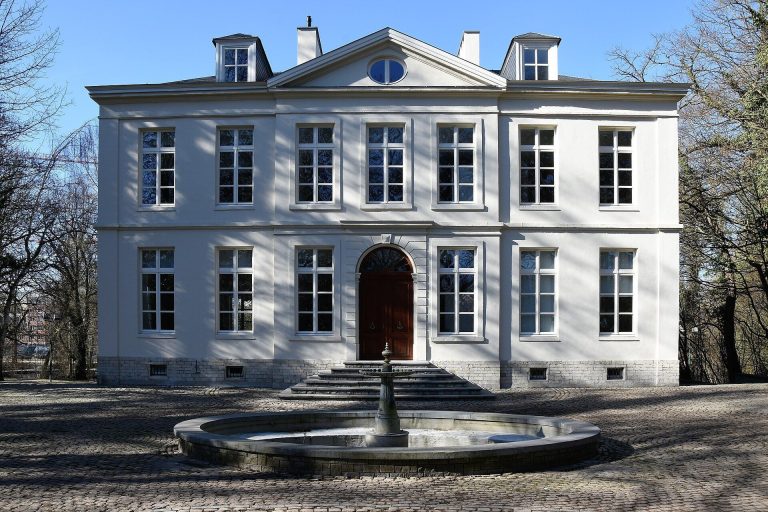
A modest hunting lodge stood in the earlier park. The later residence, built to replace the former structures, is neoclassical and topped by a dome.
Park and pond
The pond has a small island connected to the bank by a bridge. Statues were placed in the park, and an artificial grotto was created. Trees in the present grounds include spruces, Austrian black pines, western red cedars, chestnuts, oaks, beeches, and ash trees. Alders and willows grow beside the pond. Other plantings include a ginkgo, a Japanese cedar, a tulip tree, a small-leaved lime, and three bald cypresses.