Castle of Marracq: An Eighteenth-Century Residence in Bayonne
Site at a Glance
- Popularity
- Medium
- Country
- France
- Primary era
- Early Modern
- Eras represented
- Early Modern
- Civilizations
- French
- Site type
- Domestic
- Remains
- Palace
On this page4 sections
History
The Castle of Marracq is an early eighteenth-century residence in Bayonne, France, built in the Louis XIV style, a French architectural mode marked by formal, classical design. Its builder, Maria Anna of Neuburg, had been queen of Spain through her marriage to Charles II. Although she built Marracq while in exile, she preferred her residence at Saint-Michel and never lived in the castle.
Napoleon and the Spanish succession
In April 1808, the Spanish Bourbons’ abdication in Napoleon I’s favor was signed at Marracq. Napoleon, Emperor of the French, then placed his brother Joseph Bonaparte on the Spanish throne as Joseph I.
On 19 May 1808, Napoleon bought the castle with his personal funds from the brothers Aaron and Abraham Marqfoy. He stayed at Marracq, making it one of his imperial palaces. While in Bayonne, he preferred it to Château-Vieux because he found Marracq more comfortable.
After the Napoleonic period
Following the Bourbon Restoration, the return of the Bourbon monarchy after the Napoleonic period, the castle stood unoccupied. The army moved in during 1823, and a fire devastated the building in 1825. The castle belongs to the municipality of Bayonne and has been classified as a historic monument since 27 September 1907.
Remains
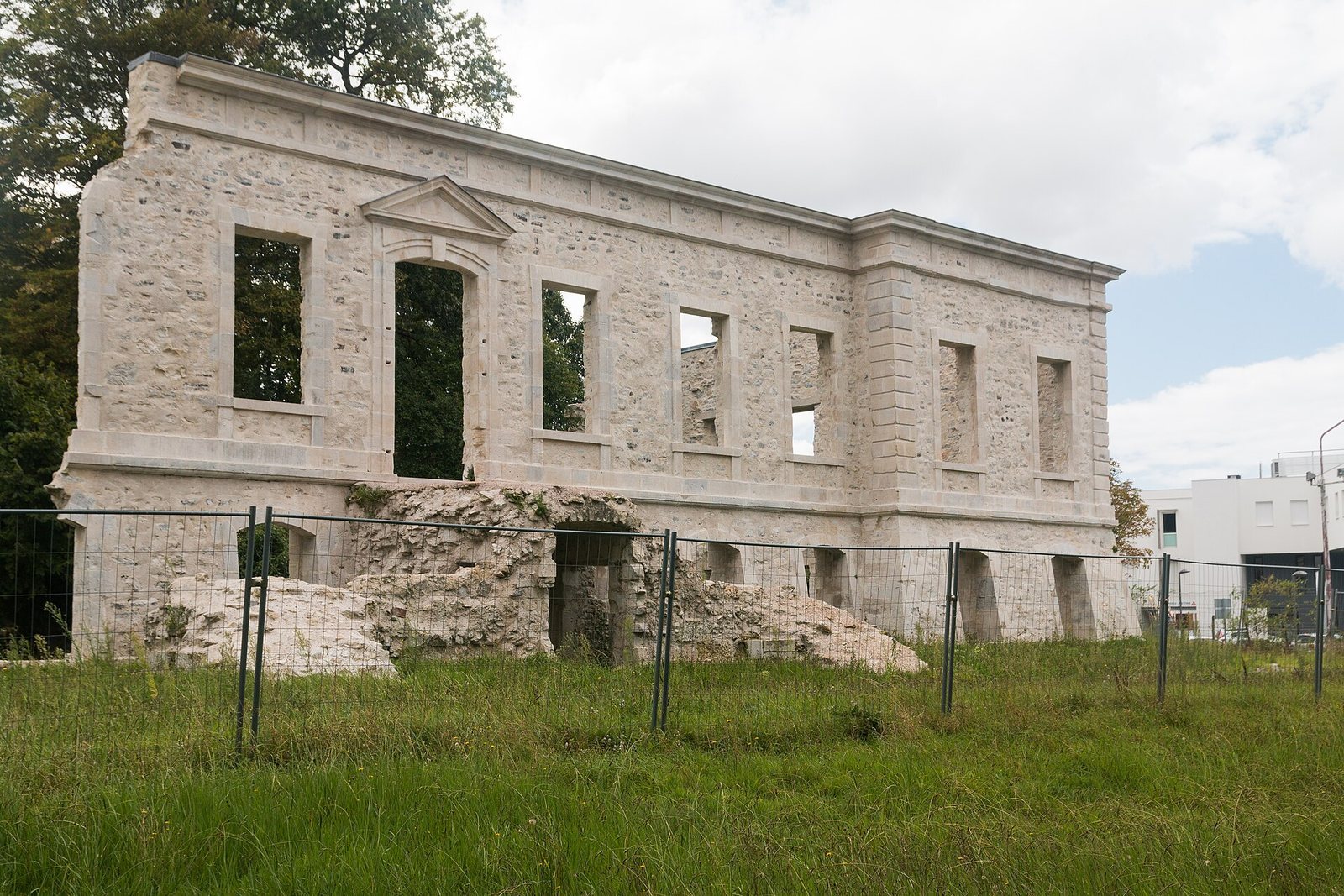
Marracq survives as an eighteenth-century ruin without its roof. Restoration work began in 2012 after erosion accelerated and the building faced a risk of collapse. The work has included cleaning the walls and repairing or replacing stones and keystones.