Palacio de Sotofermoso: A Fortress, Abbey, and Renaissance Palace in Spain
Site at a Glance
- Popularity
- Medium
- Country
- Spain
- Primary era
- Early Modern
- Eras represented
- Medieval, Early Modern
- Civilizations
- Crown of Castile, Crusader, Habsburg, Habsburg Spain, Knights Templar, Spanish
- Site type
- Domestic
- Remains
- Elite Residence
On this page6 sections
History
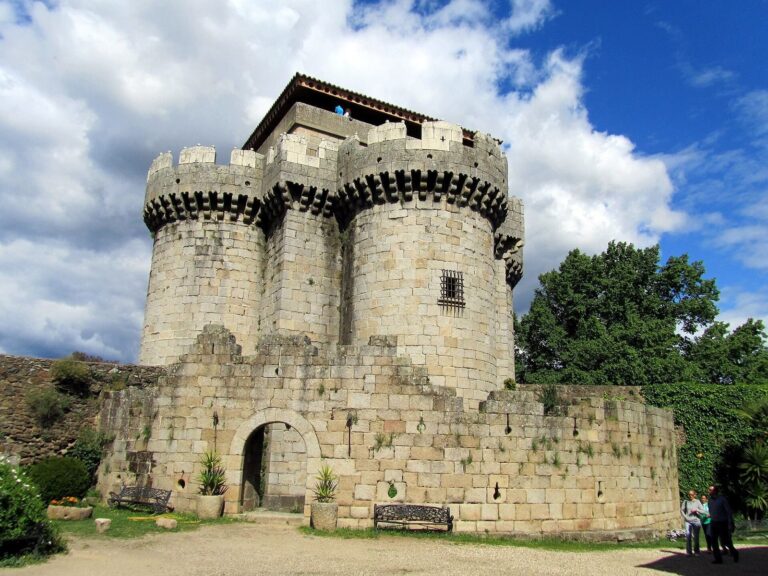
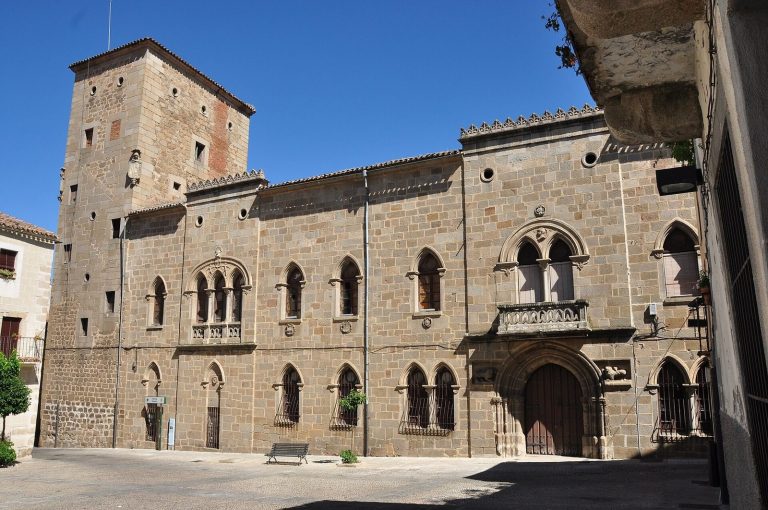
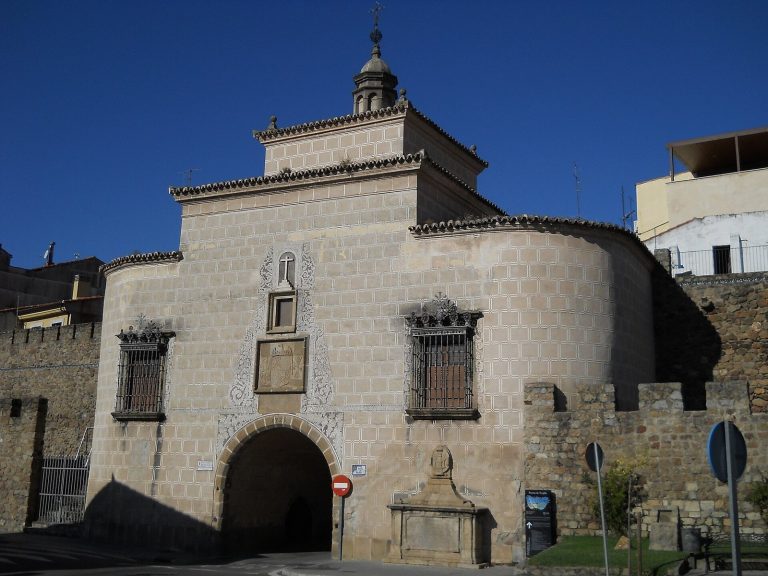
Palacio de Sotofermoso is a fortress-palace in Abadía, in northern Cáceres province, Spain. It began as a stronghold of the Knights Templar, a medieval religious military order, and later combined Mudéjar architecture, a style developed in Christian-ruled Iberia using forms and techniques associated with Islamic traditions, with Spanish Renaissance design.
From fortress to abbey
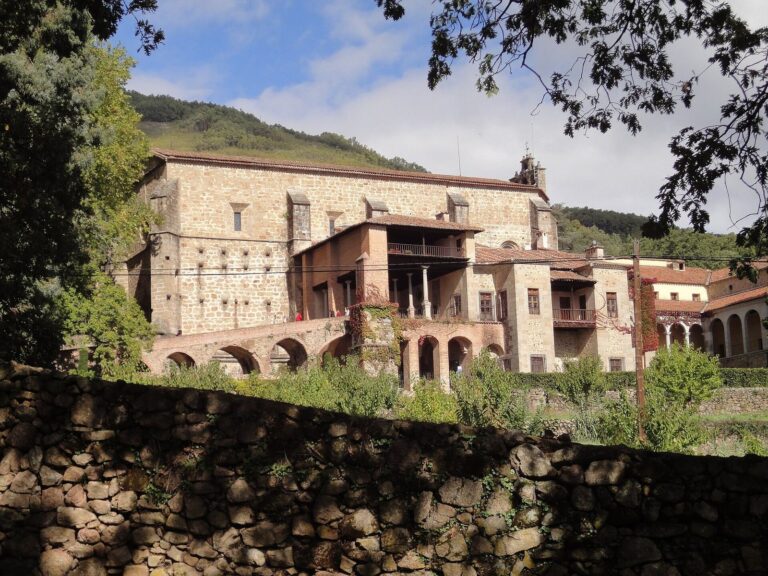
By around the twelfth or thirteenth century, the fortress had become a Cistercian abbey. The Cistercians were a monastic order within Western Christianity. The abbey gave the town of Abadía its name; the site later took on a new role as a palace.
The Alba palace and its cultural life
The Spanish aristocratic House of Alba owned the palace from the mid-fifteenth century until the early twentieth century. Fernando Álvarez de Toledo, Duke of Alba, commissioned its Renaissance garden. The palace also became a cultural and artistic center, with a literary academy associated with Italians and Flemings. Among the artists who came there were the Spanish Renaissance poet Garcilaso de la Vega and the playwright and poet Lope de Vega.
In 1931 the palace was declared a historic-artistic monument belonging to the National Artistic Treasure. Its protection also derives from a 1949 decree and the 1985 Spanish Historical Heritage Law. It is designated a Property of Cultural Interest, Spain’s legal category for protected cultural heritage.
Remains
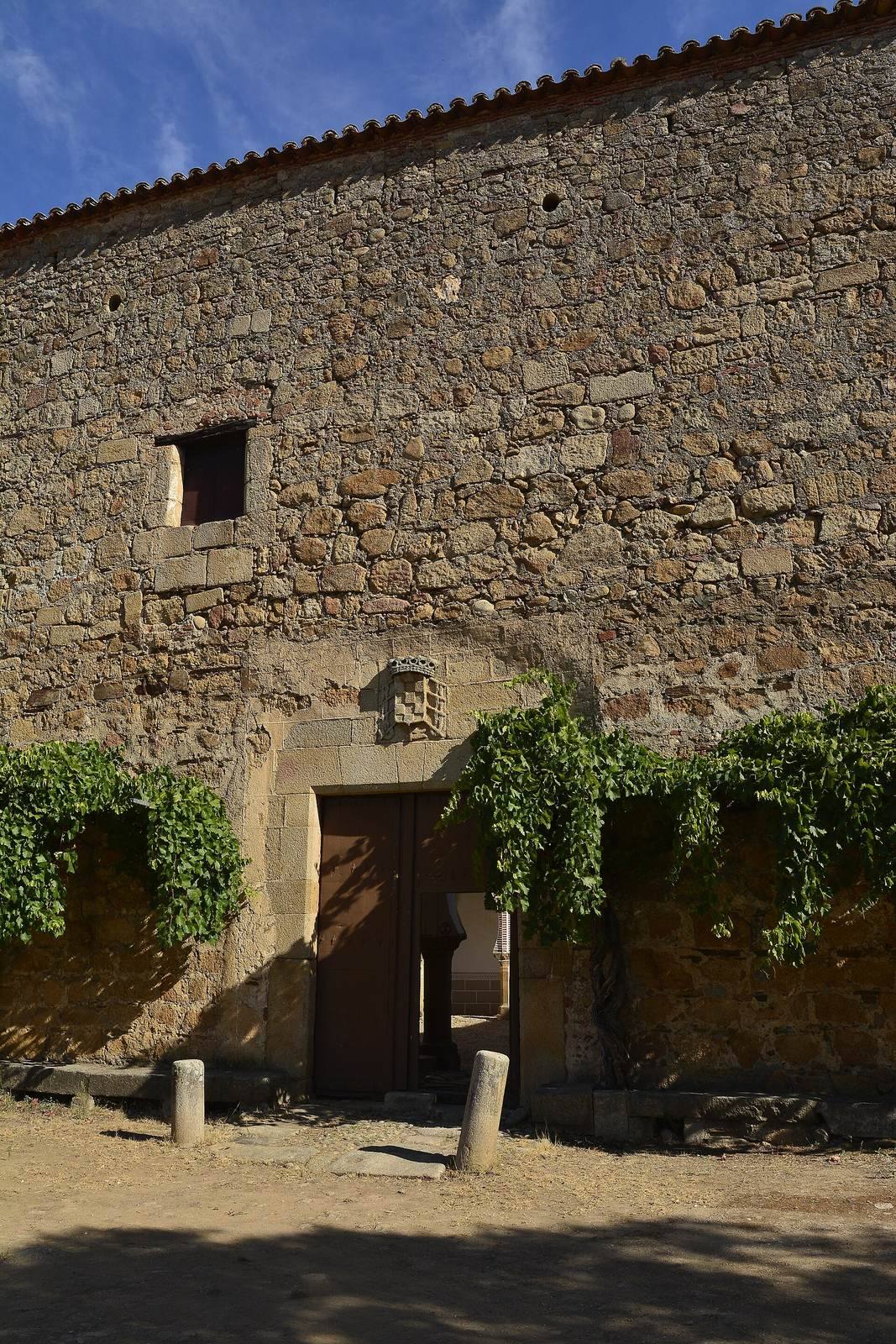
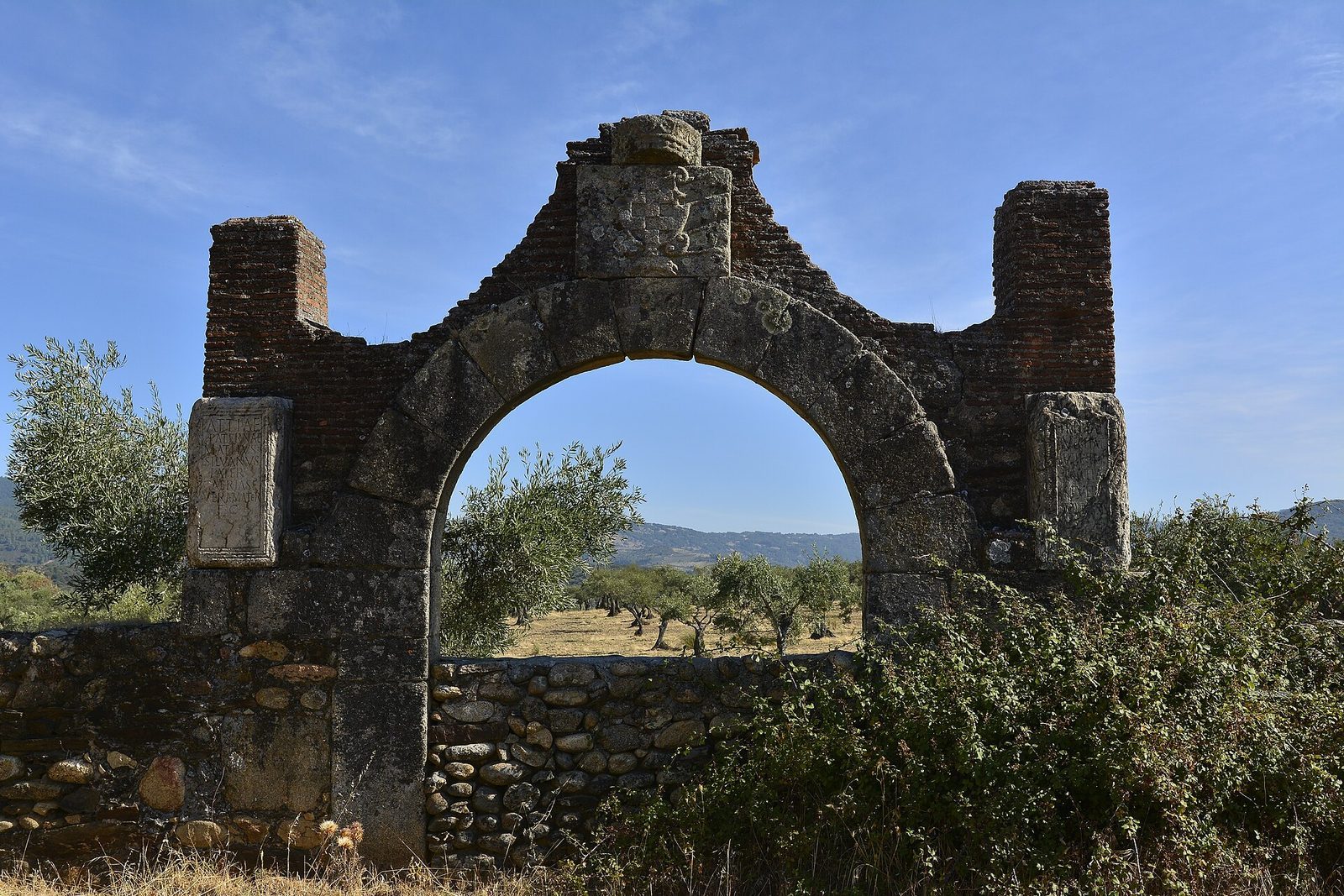
The square-plan fortress-palace stands in the northern part of Abadía. Its rooms are arranged around a two-storey courtyard, while the surviving architecture brings together Mudéjar and Spanish Renaissance features.
The courtyard
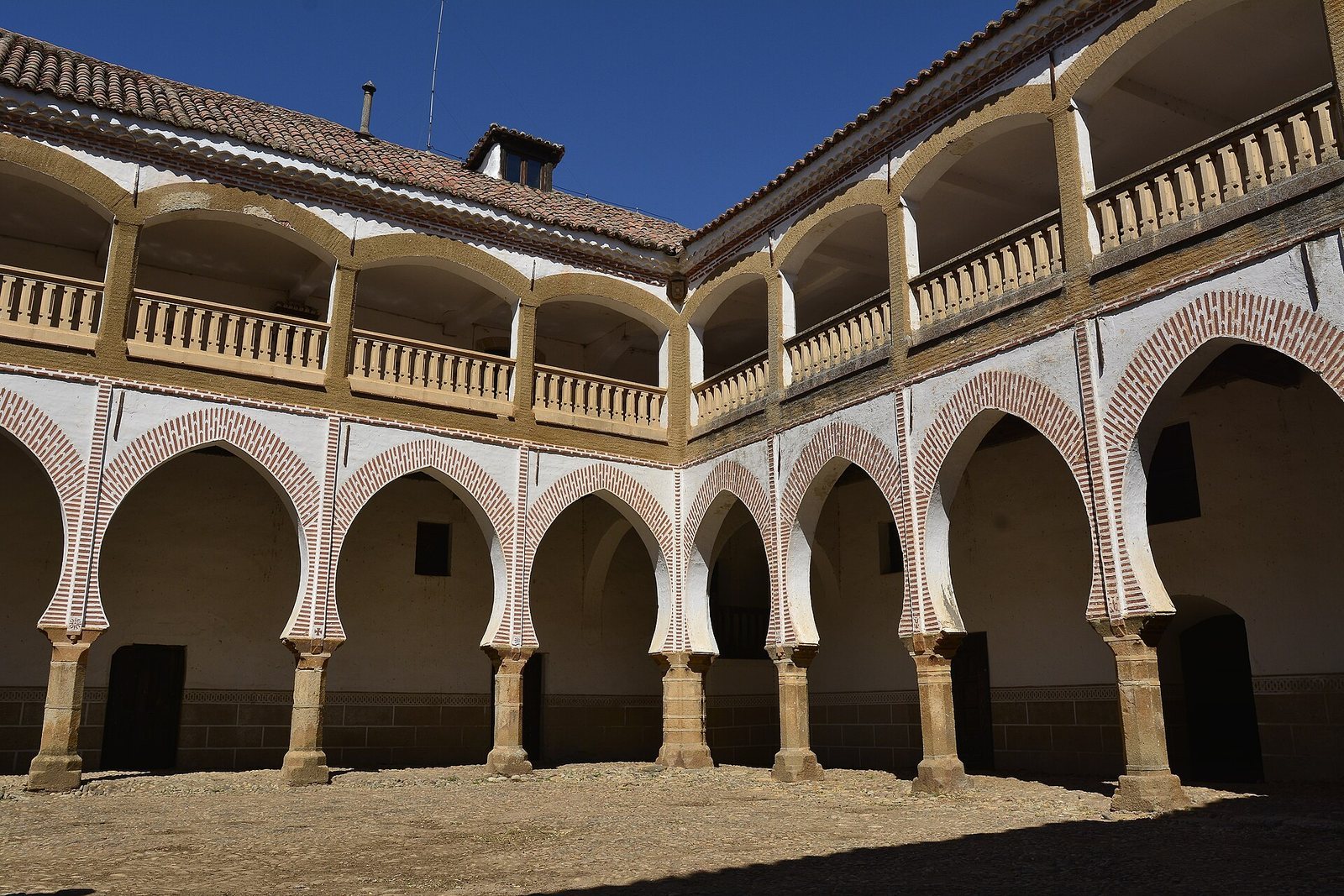
A double gallery runs around the courtyard, with five arches on each side. The lower level has pointed horseshoe-shaped arches dating to the sixteenth century; above them, the arches are also from the sixteenth century and have shallow, curved tops. The courtyard’s corners bear the heraldic shields of the House of Alba.
The Renaissance garden
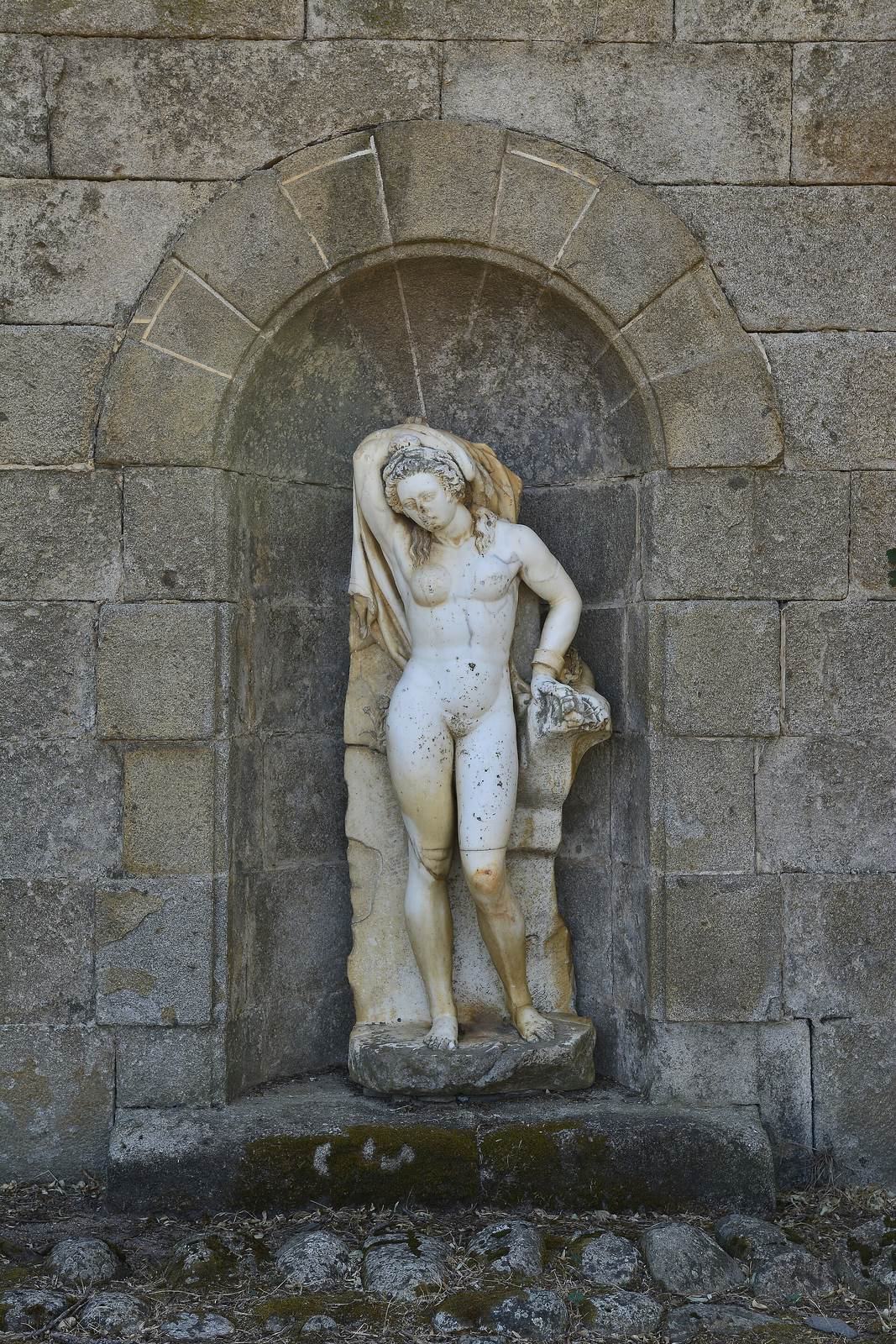
The garden combined architectural and sculptural works with paintings, stucco, varied plants, and water features. It is now badly deteriorated, and only parts survive, including a statue of Andromeda, the princess rescued by Perseus in Greek mythology.