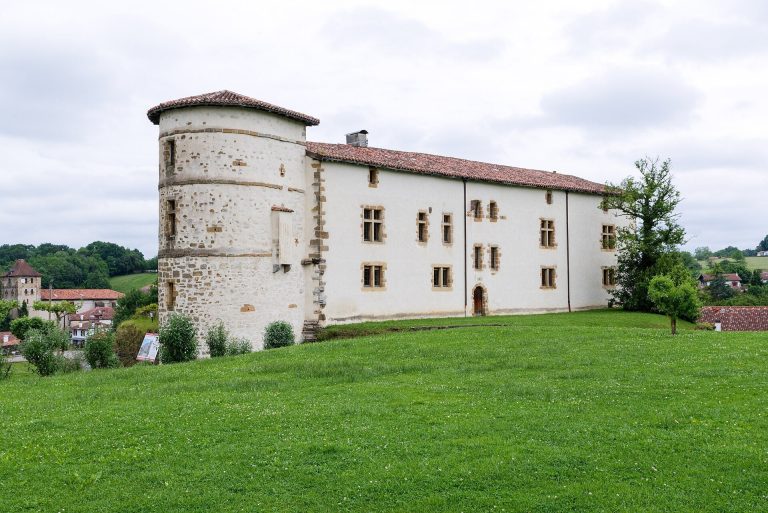
Château-Vieux: The Medieval Fortress of Bayonne
Site at a Glance
- Country
- France
- Primary era
- Medieval
- Eras represented
- Classical, Medieval, Early Modern
- Civilizations
- Duchy of Aquitaine, French, Roman
- Site type
- Military
- Remains
- Castle
On this page8 sections
History
Roman and medieval foundations
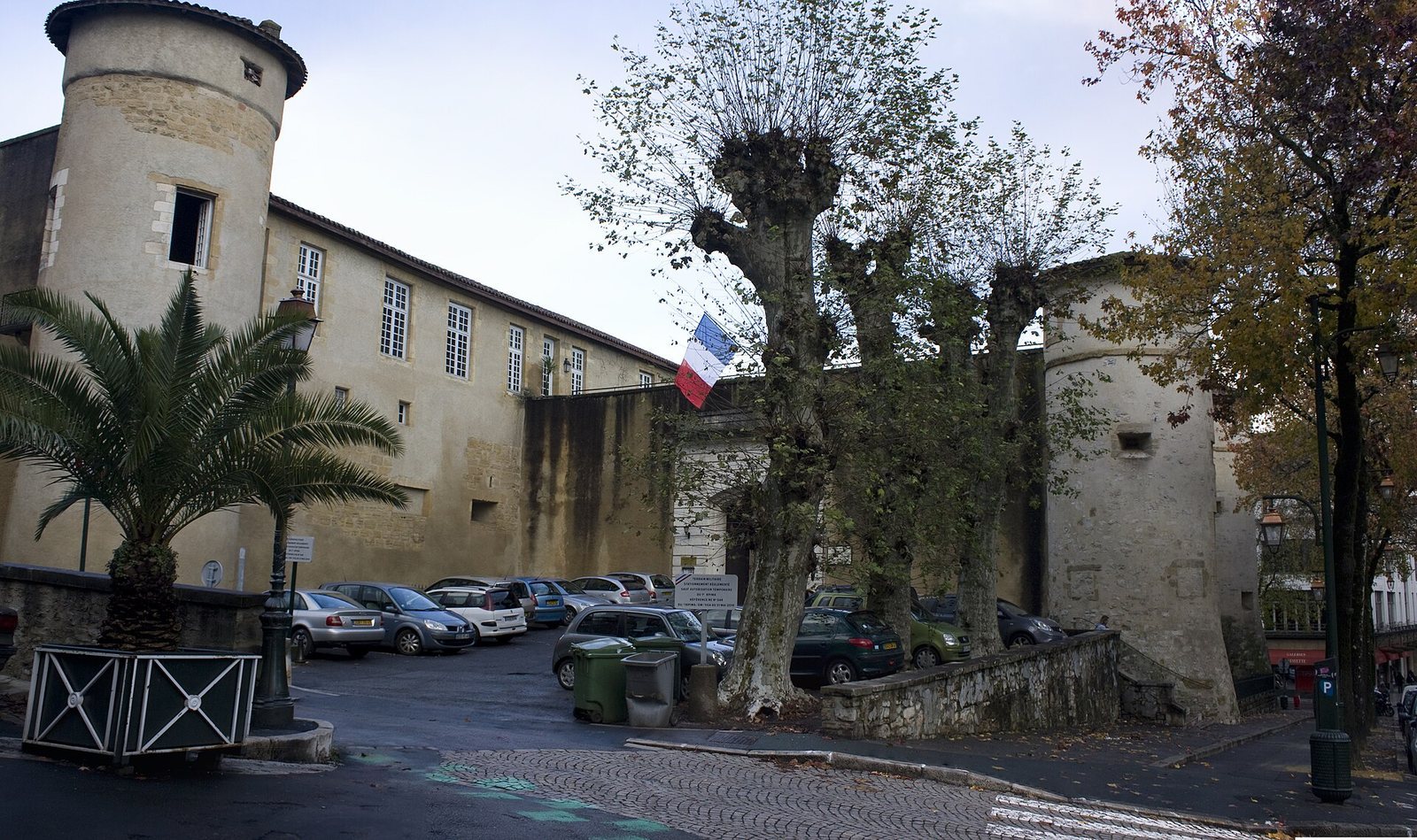
Château-Vieux is a fortress in Bayonne, France, built from the late 11th century by the Viscounts of Labourd on the site of a Roman fortified settlement. That earlier stronghold housed the garrison and administration of the region known as Lapurdum. The medieval castle served as the viscounts’ residence and stronghold.
The fortress later came under English rule through the Duchy of Aquitaine, a major medieval polity in southwestern France that passed to the English crown.
The siege and the castle’s later name
French forces occupied Bayonne and the castle in 1294. An English force led by the military commander John St John then besieged the town. On 1 January 1295, Bayonne’s citizens drove the French garrison into the castle and opened the gates to St John’s force. The castle garrison surrendered after an eleven-day siege.
In the 15th century, King Charles VII of France had a new castle built in Petit-Bayonne to watch over the city he had taken from the English. By the end of the century, the older fortress had acquired the name Château-Vieux, meaning “Old Castle.”
Fortification and later use
During the 17th century, the military engineer Vauban’s fortification of Bayonne made Château-Vieux the city’s northwestern defensive strongpoint. The castle was spared subsequent changes to Vauban’s fortification system.
Napoleon Bonaparte ordered the castle demolished in 1808, but the order was not carried out. A decree classified it as a historic monument on 7 November 1931. After a long period as the seat of the city’s military authorities, Château-Vieux now serves the 1st Marine Infantry Parachute Regiment, a French airborne military unit.
Remains
Fortress layout and defenses
The fortress’s defensive layout developed around Roman structures and was later altered by 17th-century fortification work.
Roman towers and walls
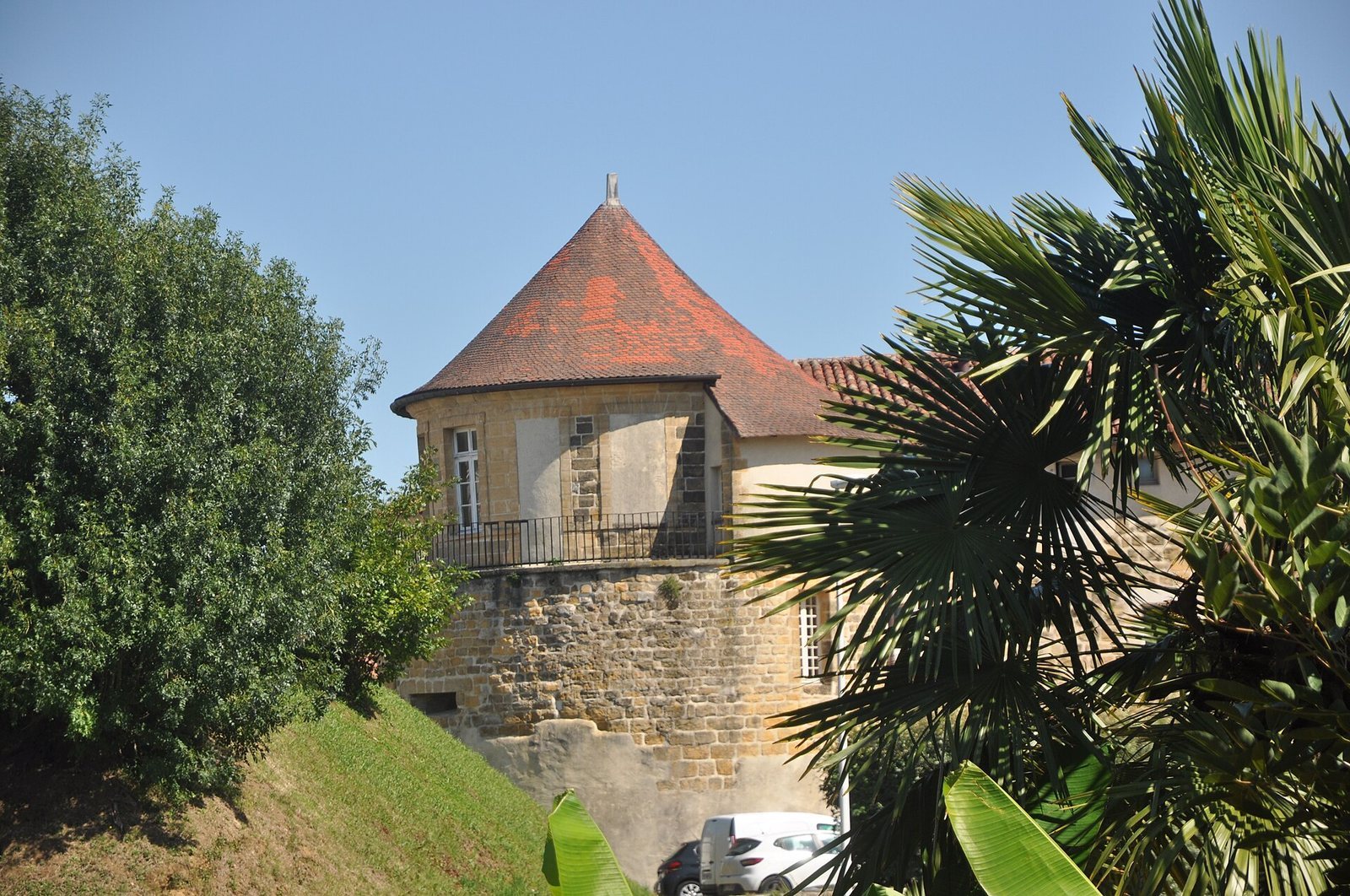
Château-Vieux was built around three Roman towers and the Roman walls surrounding the town. The towers were heavily reinforced as part of the fortress’s defenses.
Keep and fortified forecourt
The 17th-century works destroyed the castle’s keep and added a fortified forecourt. These changes reshaped the fortress’s defenses as Bayonne was fortified.