Ducal Palace, Urbania: Renaissance Residence and Museum
Site at a Glance
- Popularity
- Medium
- Country
- Italy
- Primary era
- Medieval
- Eras represented
- Medieval, Early Modern
- Civilizations
- Duchy of Urbino
- Site type
- Domestic
- Remains
- Palace
On this page12 sections
History
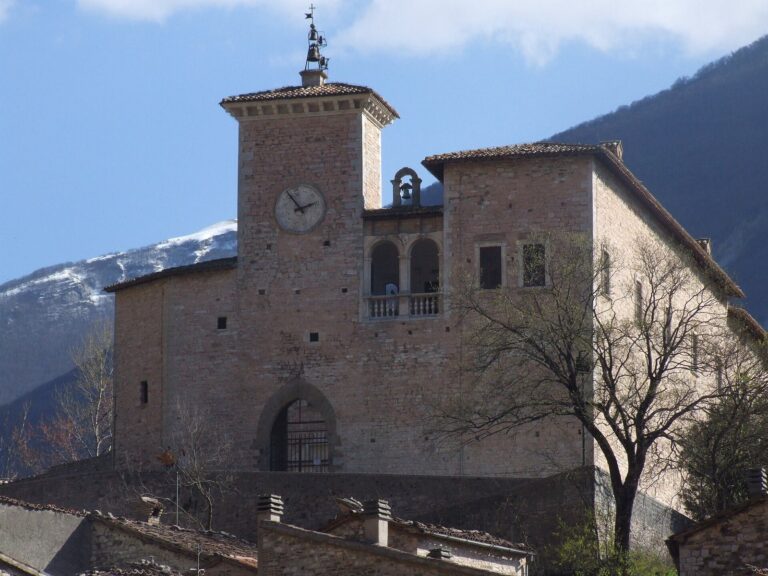
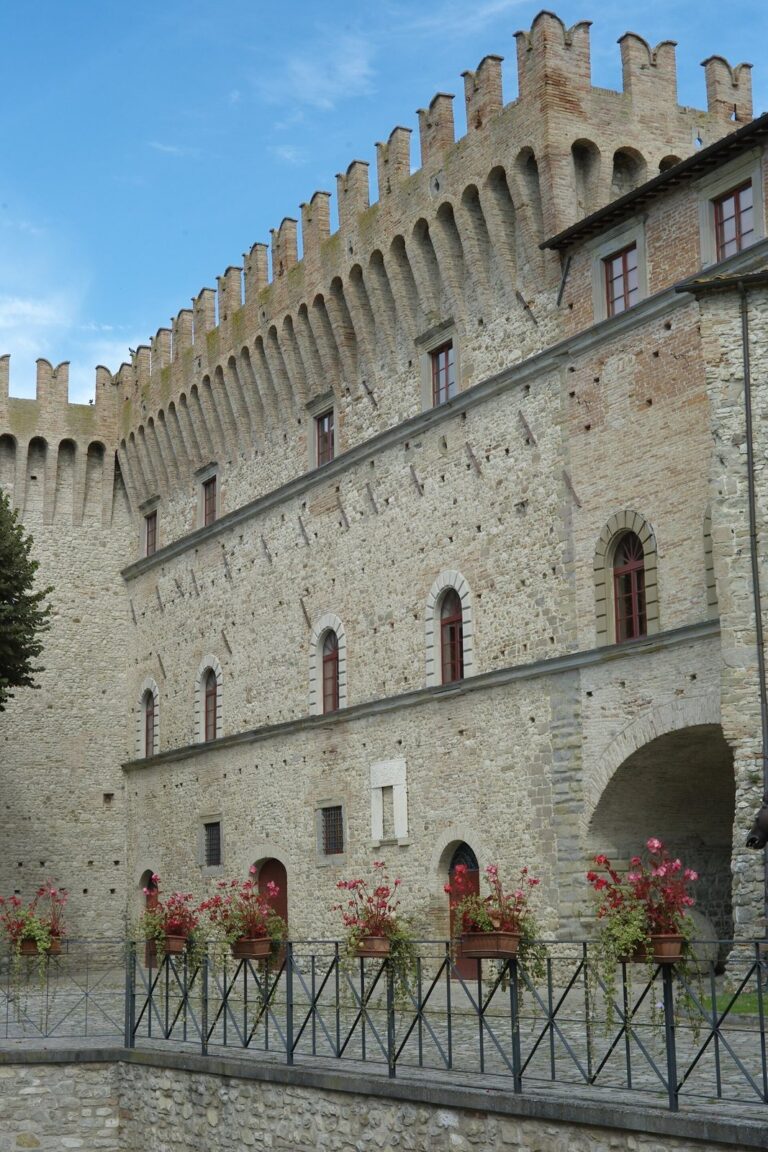
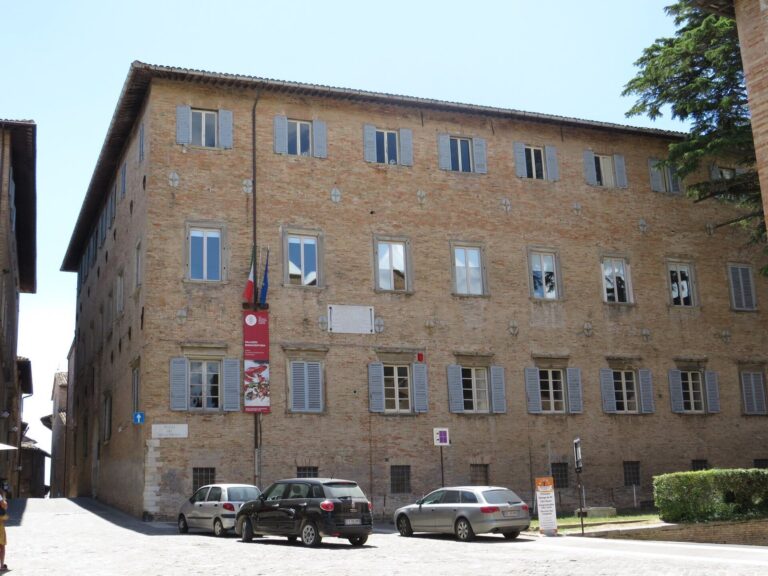
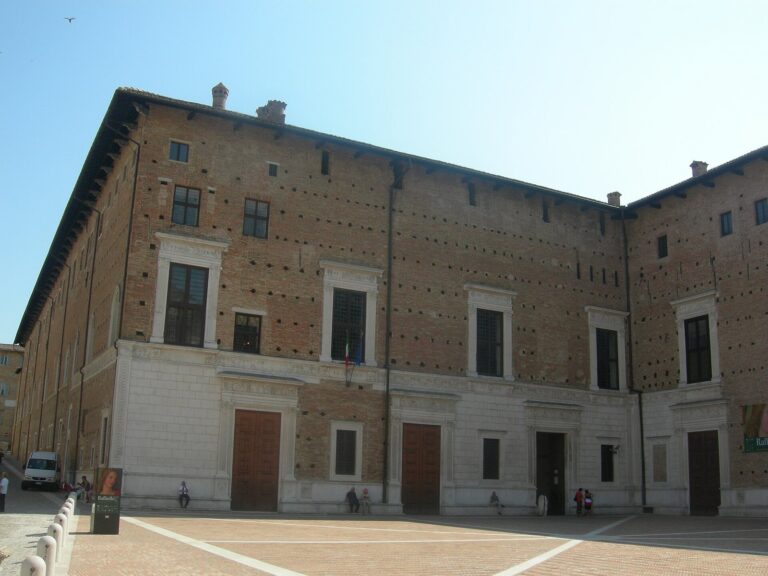
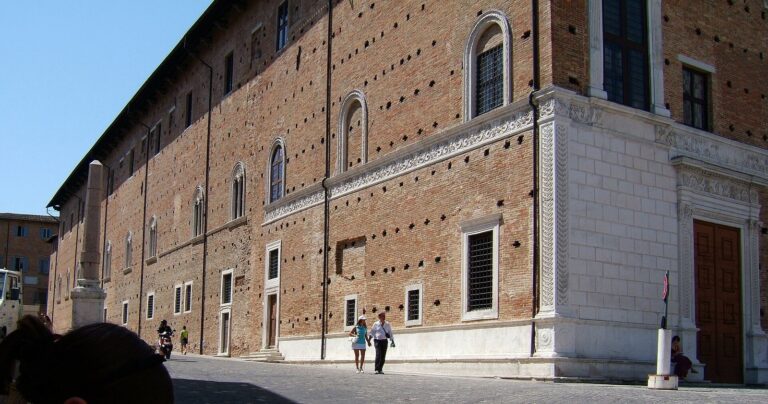
The Ducal Palace, Urbania, is a Renaissance palace in Italy whose construction the dukes of Urbino sponsored around 1470.
Construction and renovation
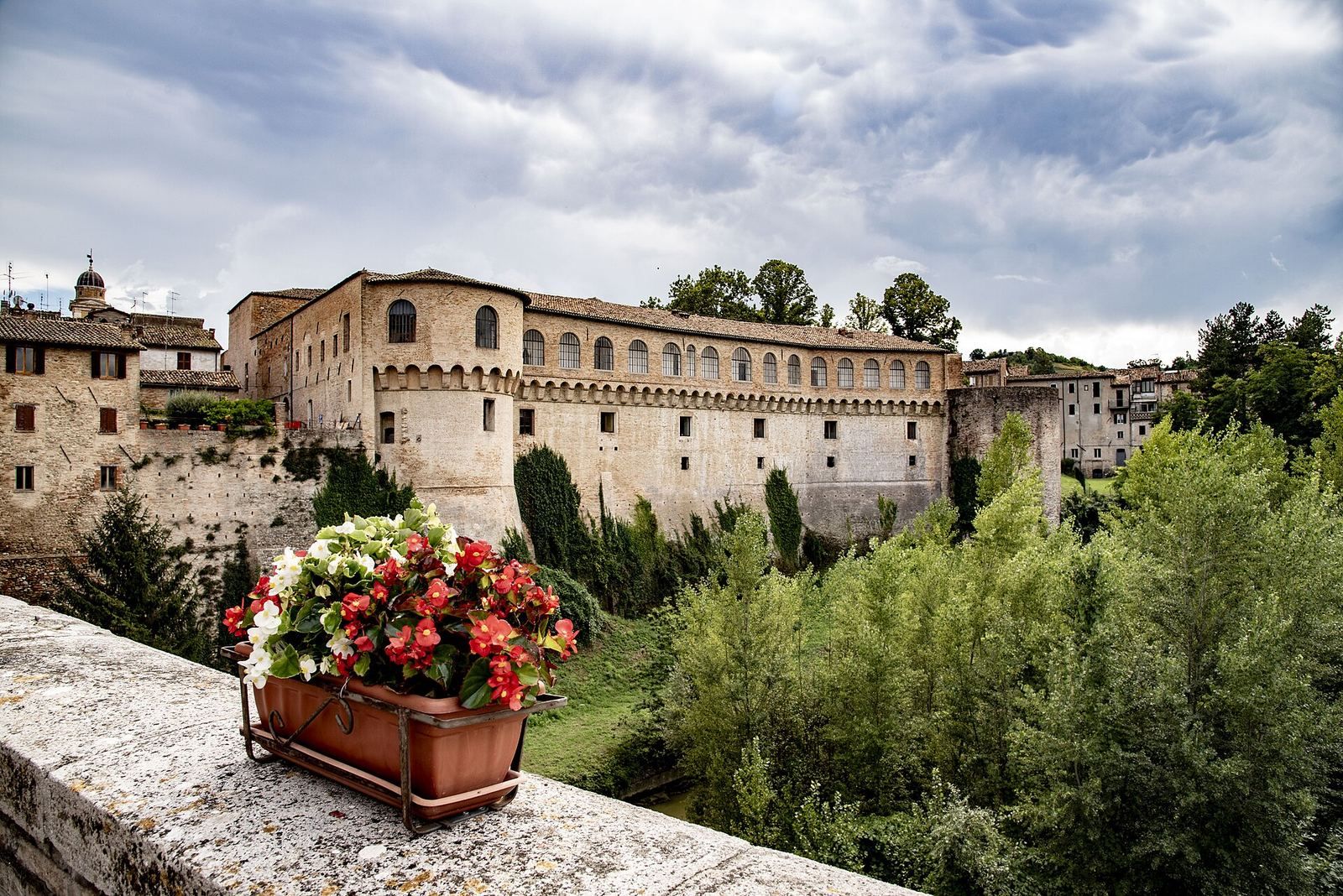
The palace stands on the site of an earlier citadel belonging to the Brancaleoni family of Piobbico, former feudal lords of Casteldurante, the historic name of Urbania. Federico da Montefeltro, duke of Urbino, entrusted the building project to the Renaissance architect and engineer Francesco di Giorgio Martini.
The palace was renovated during the sixteenth century, when the ruling house of Urbino was the Della Rovere dynasty.
Ducal residence and museum use
Francesco Maria II della Rovere, the last Duke of Urbino, made the palace his preferred residence. He died there on 23 April 1631.
The palace now functions as a museum complex.
Remains
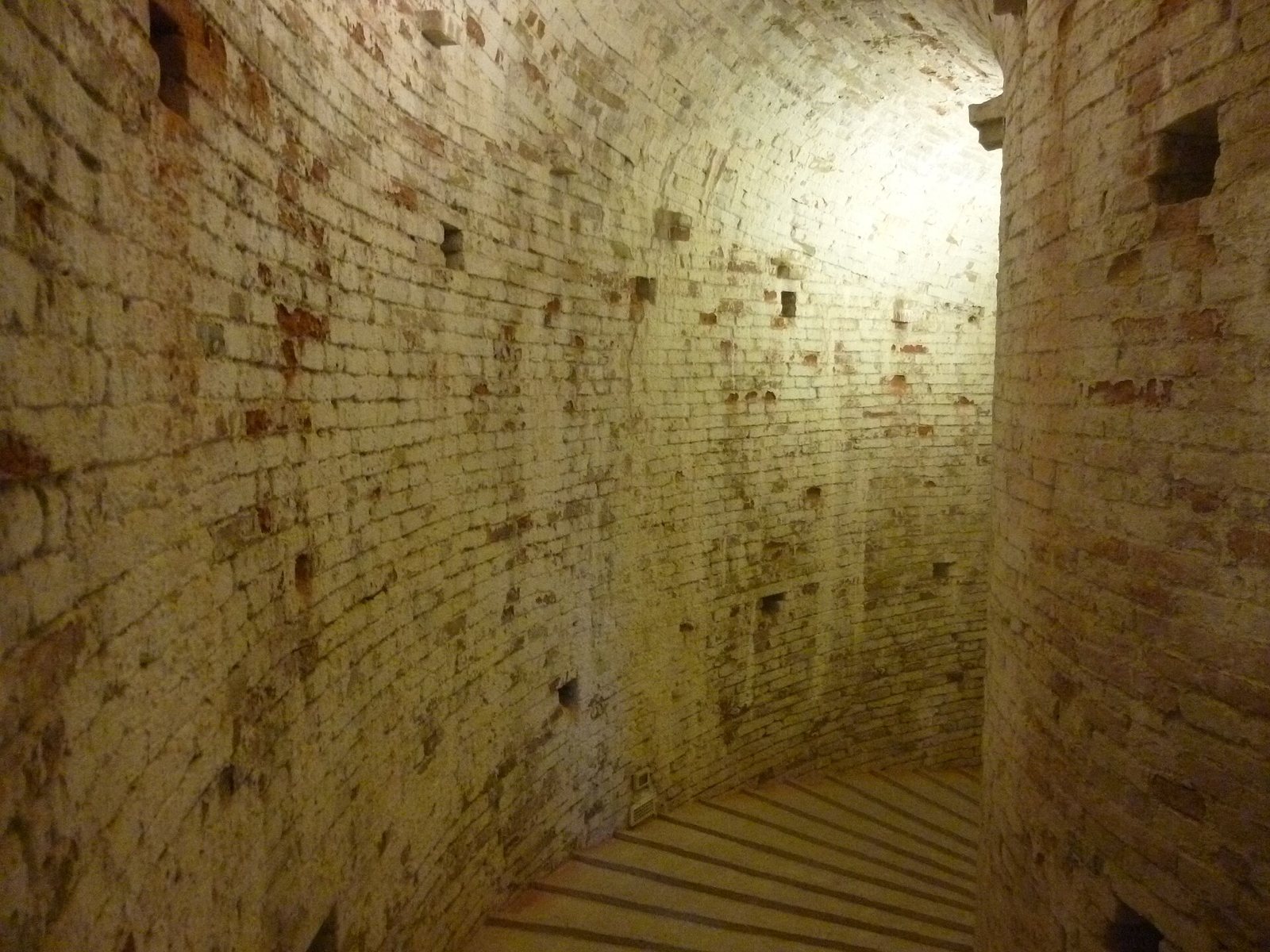
The palace covers 6,000 square metres and stands upstream of the Metauro River. Its Renaissance spaces include a courtyard and rooms on the principal floor; fifteenth-century cellars house part of the museum complex.
Courtyard and principal-floor rooms
Renaissance courtyard
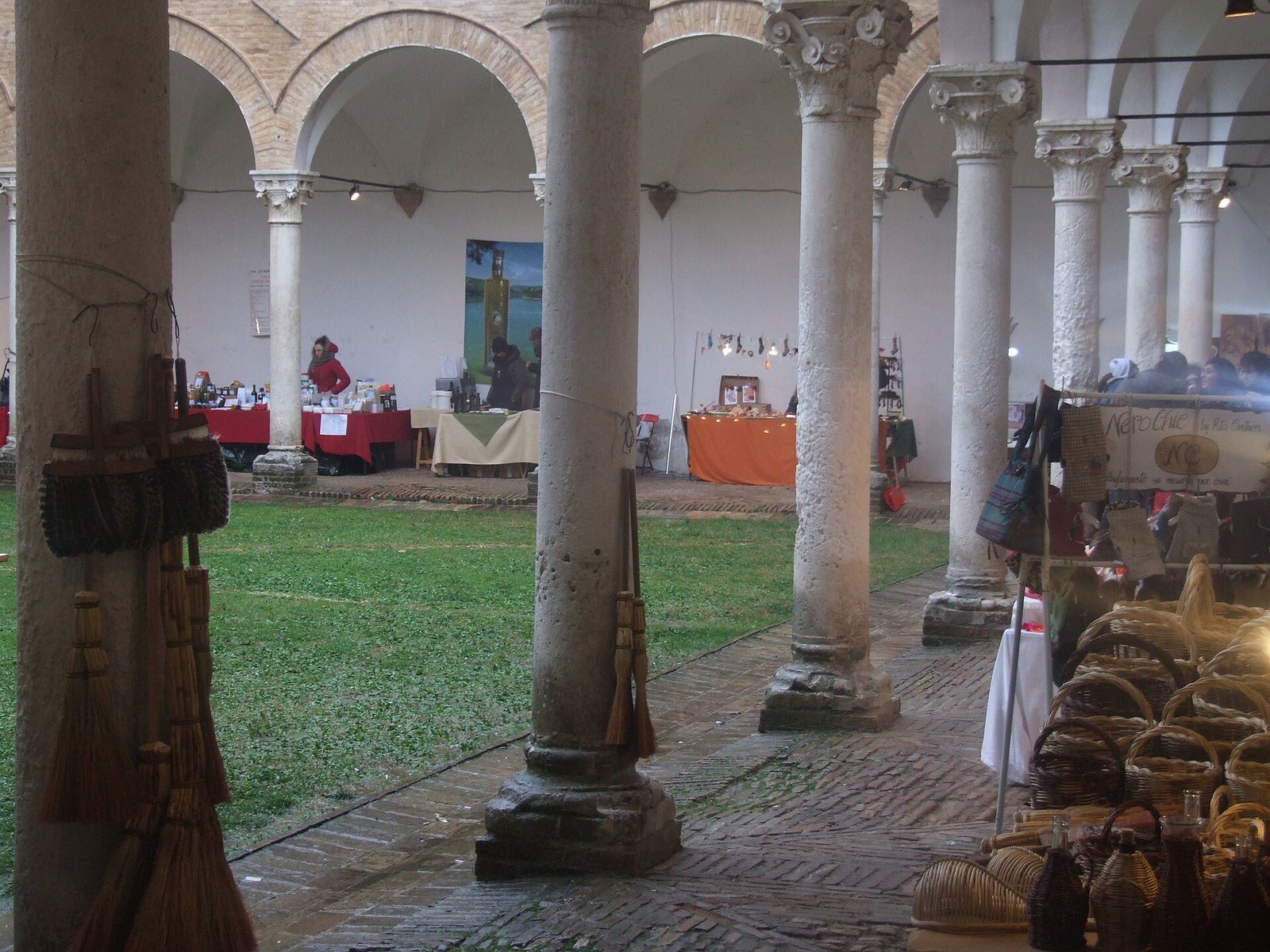
The courtyard dates to the second half of the sixteenth century. A covered pedestrian arcade, supported by 22 travertine columns, runs around it. The arcade’s design recalls the Ducal Palace of Urbino.
Ceremonial hall
A staircase connects the courtyard level to the principal floor. Its ceremonial hall has a sail vault, a curved ceiling surface shaped like a sail, designed by Renaissance architect and artist Girolamo Genga.
Room of the Knights
The Room of the Knights contains works from the late sixteenth century and two globes associated with Flemish cartographer Gerardus Mercator. The terrestrial globe is dated 1541 and the celestial globe 1551.
Museum collections and lower rooms
Civic Museum and paper collections
The Civic Museum occupies principal-floor rooms that include a library, an art gallery, and historical archives. Its collections include drawings, manuscripts, and engravings. The palace’s most important collection comprises 750 drawings in the Mannerist style, a late Renaissance artistic style. Count Federico Ubaldini probably gathered them at his residences in Siena, Rome, and the Marches. The collection also includes Nicola Hogenberg’s monumental engraving, measuring 11.80 by 0.36 metres, of Charles V’s triumphal procession. It commemorates the emperor’s coronation in Bologna by Pope Clement VII in 1530.
Casteldurante ceramics
A section presents ceramics from the fourteenth to the eighteenth century in chronological order. The pieces come from local Urbania workshops and display designs and colors characteristic of Durantine maiolica, the area’s tin-glazed pottery.
Agriculture Museum and cellars
The Museum of the History of Agriculture occupies the palace’s fifteenth-century cellars.