Château de Rouville: A Neo-Renaissance Estate in France
Site at a Glance
- Popularity
- Medium
- Country
- France
- Primary era
- Medieval
- Eras represented
- Medieval, Modern
- Civilizations
- Carolingian, French
- Site type
- Domestic
- Remains
- Castle
On this page4 sections
History
Foundation and early ownership
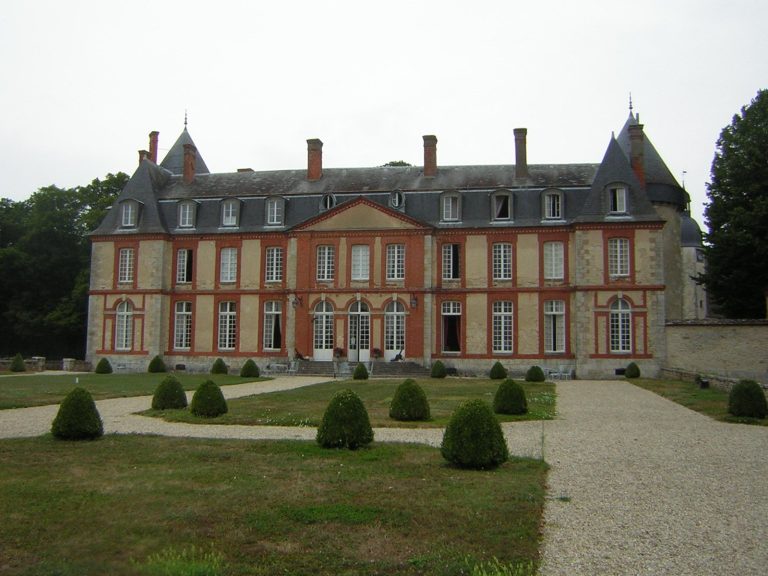
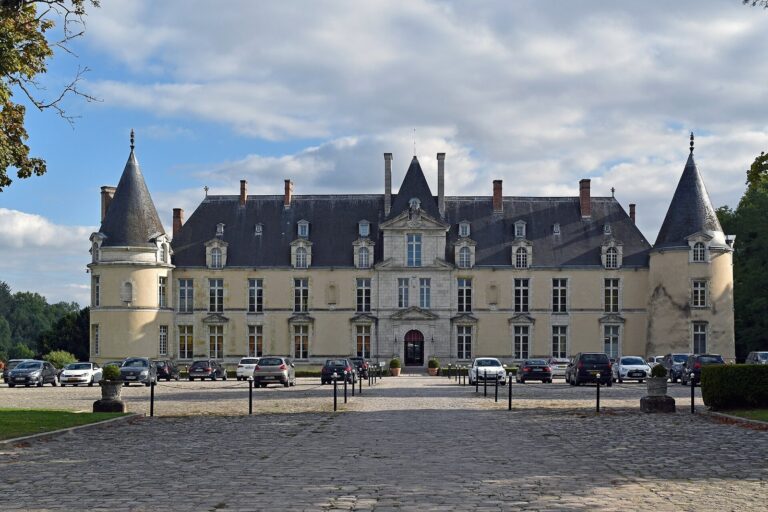
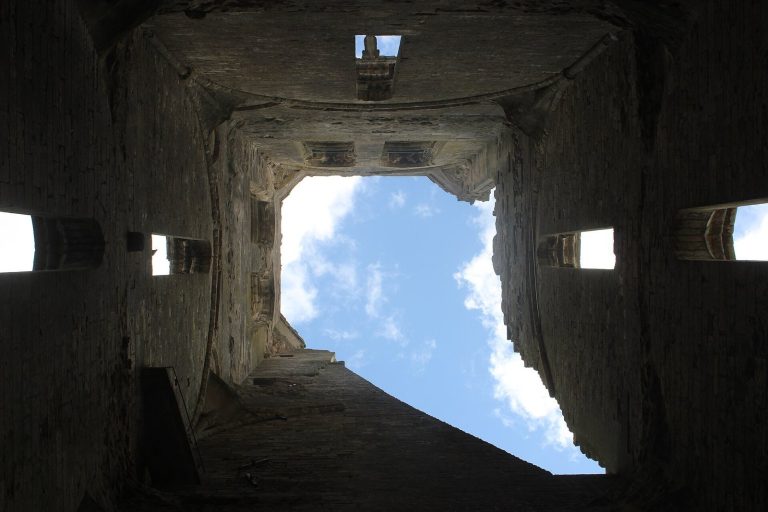
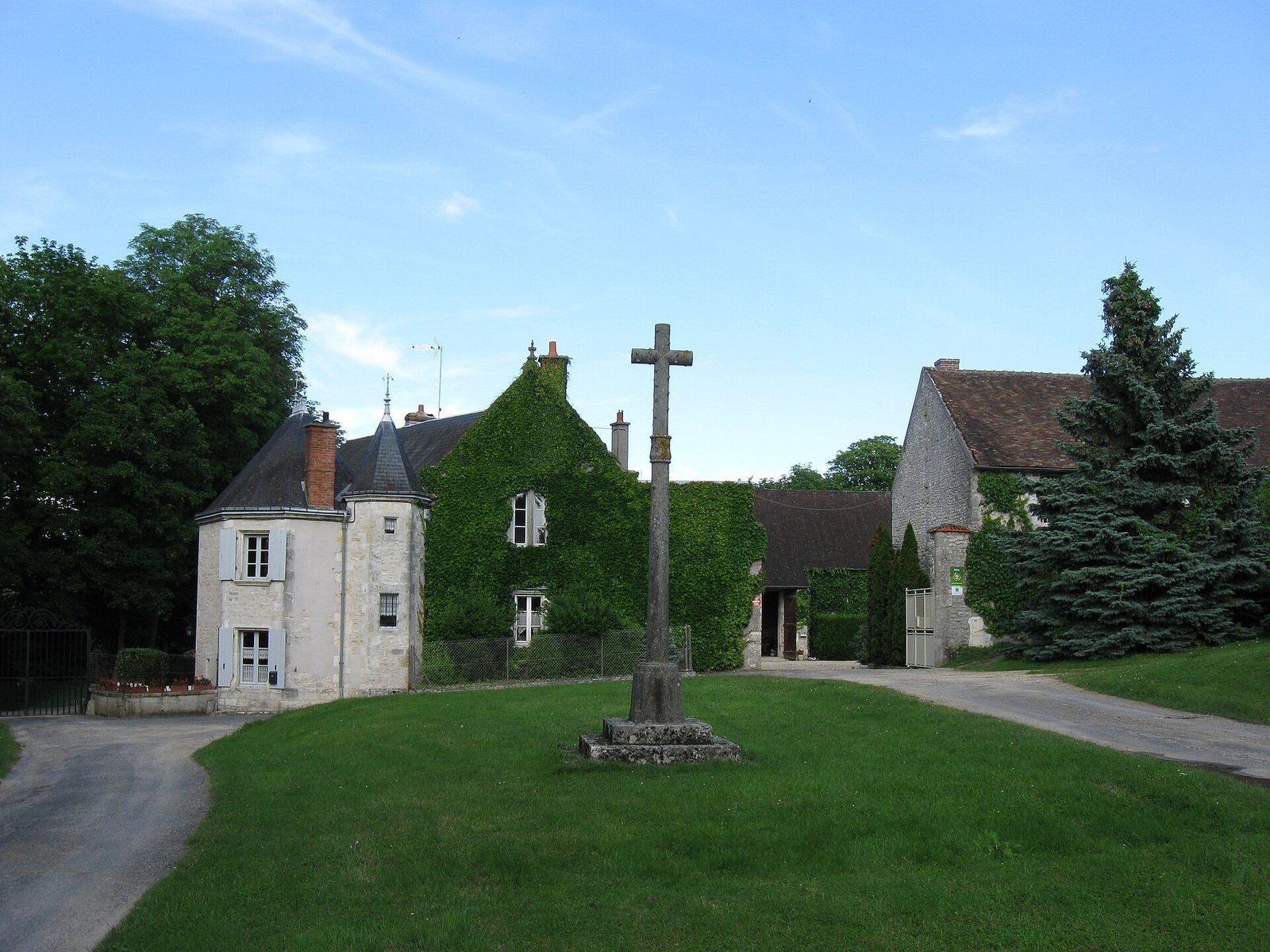
Château de Rouville, north of central Malesherbes in France’s Loiret department, was built by Hector de Boissy in 1492 in the Neo-Renaissance style. It stands on the remains of a fortress dating to the ninth century. Boissy was Grand Pantler to Charles VIII, king of France from 1483 to 1498. The office was a senior post in the royal household associated with serving the king’s bread.
Around 1580, the château passed to the Italian de Fera-Rouville family. The d’Aboville family acquired it in 1846, when architects Châtelain and Lavenant carried out restoration work. From 1863, architect Magne renovated the building at the instigation of Ernest and Alphonse Gabriel d’Aboville. The d’Aboville family remains its owner.
Heritage protection
The château, its outbuildings, and its park have been listed as Historic Monuments since 30 August 2001. In France, this listing provides legal heritage protection.
Remains
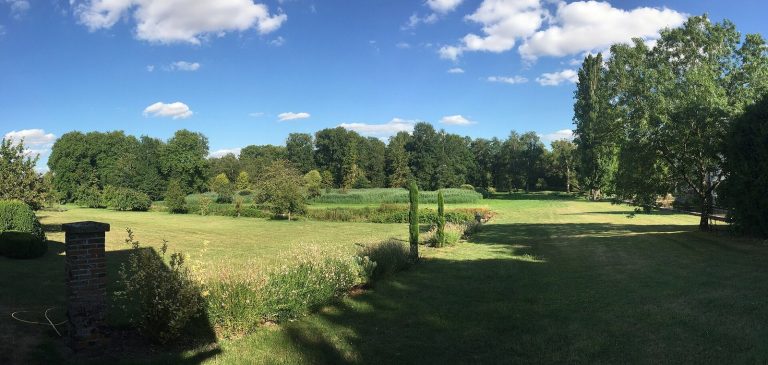
The historic complex comprises the château, its outbuildings, and the surrounding park. The Essonne passes nearby. The building’s Neo-Renaissance style draws on forms and decorative principles associated with Renaissance design. During nineteenth-century restoration, wood paneling from Château de Chemault was transferred into the château.