Synodal Palace of Sens: A Medieval Assembly Hall
Site at a Glance
- Popularity
- Medium
- Country
- France
- Primary era
- Medieval
- Eras represented
- Medieval
- Civilizations
- French
- Site type
- Religious
- Remains
- Palace
On this page6 sections
History
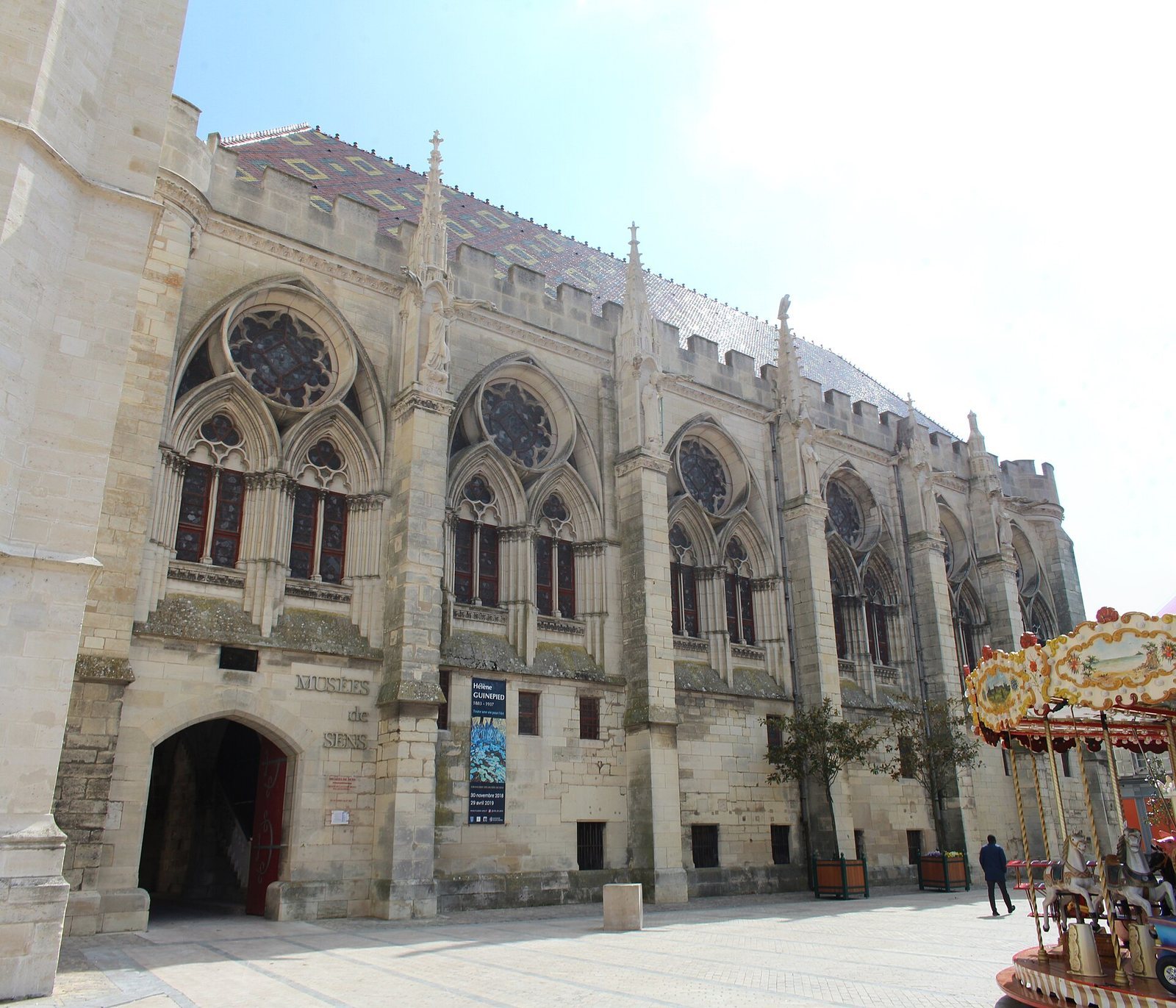
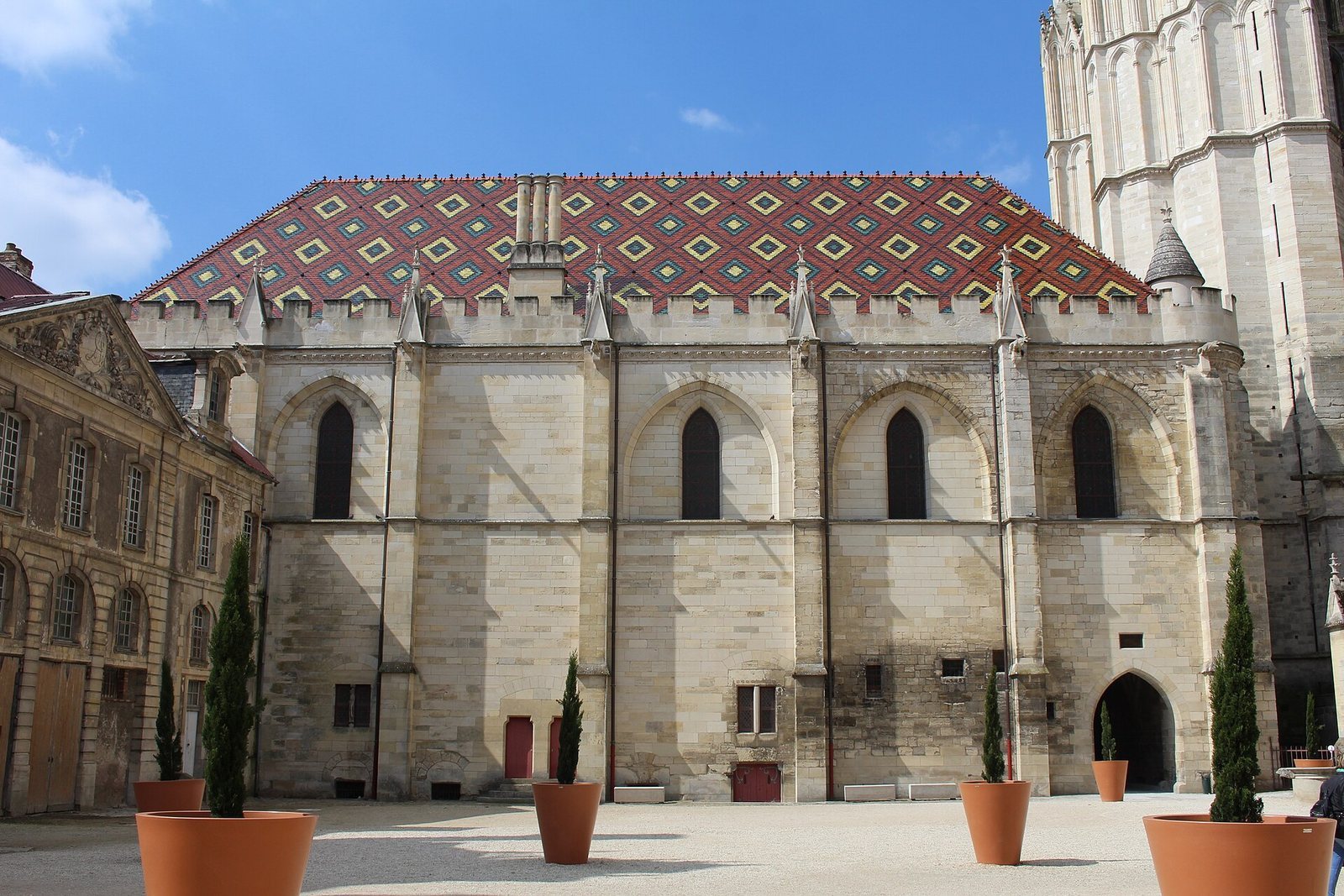
The Synodal Palace of Sens is a 13th-century Gothic palace in Sens, France, built by Gauthier Cornu, archbishop of Sens from 1222 to 1241. Also known as the Officialate, a diocesan ecclesiastical court concerned with church law, the palace is remembered for its synodal hall. Synods, assemblies of church representatives convened to discuss religious governance, met there when Sens ranked above Paris in the Catholic hierarchy.
In the 19th century, architect and restorer Eugène Viollet-le-Duc restored the building. It was classified as a historic monument in 1862 and is State property. The palace is now used for temporary exhibitions organized by the Museums of Sens.
Remains
Architecture and decoration
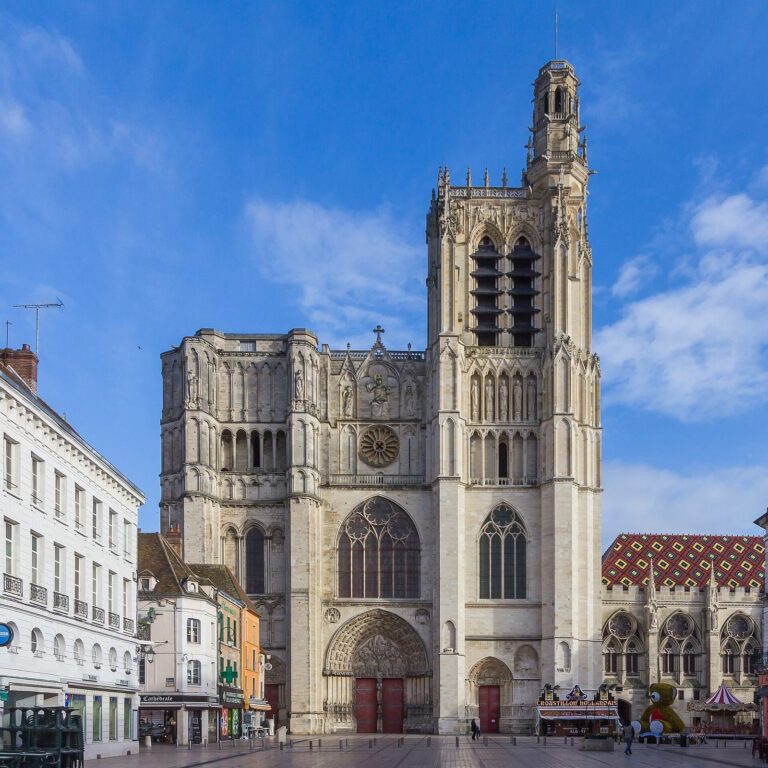
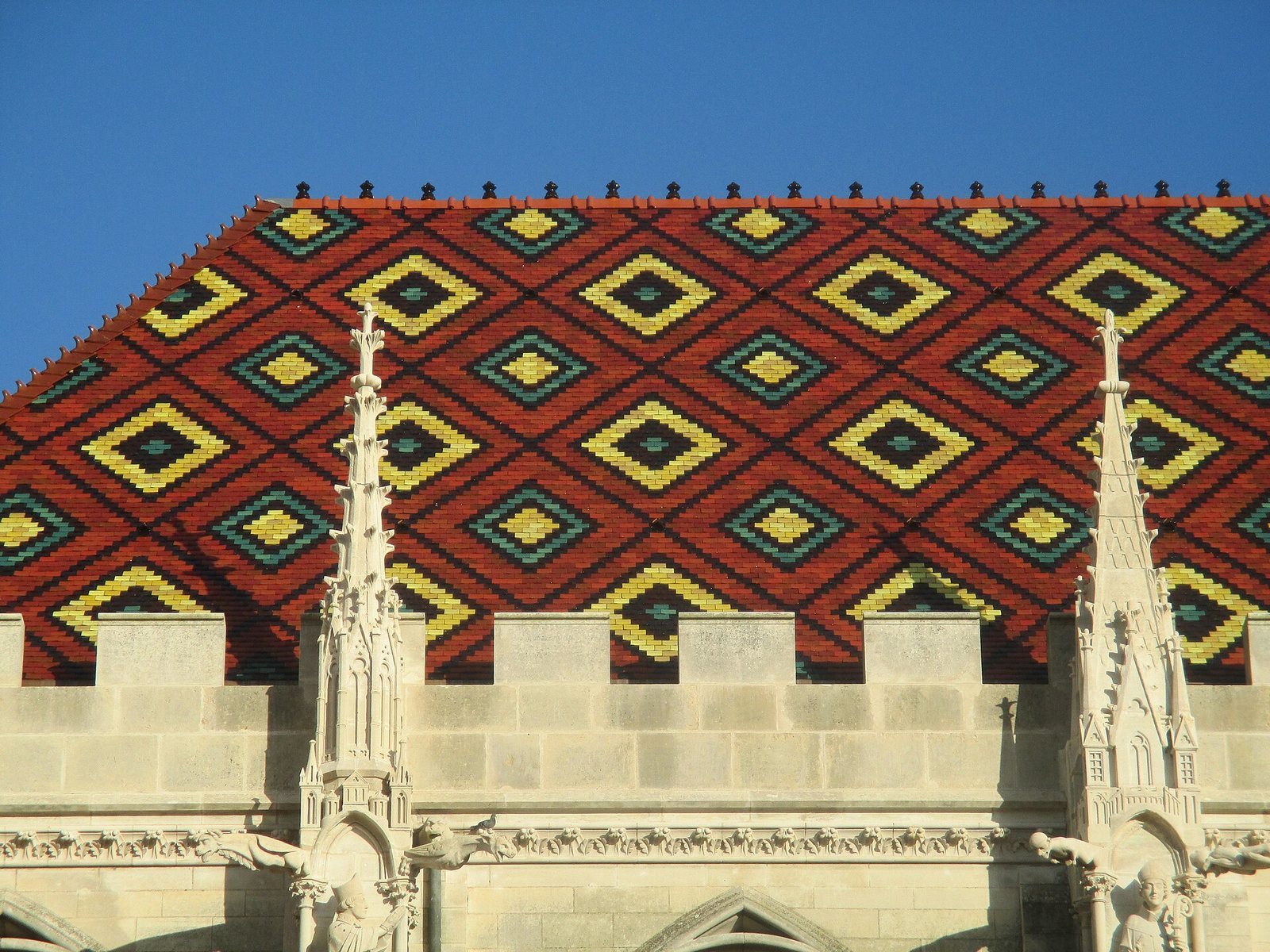
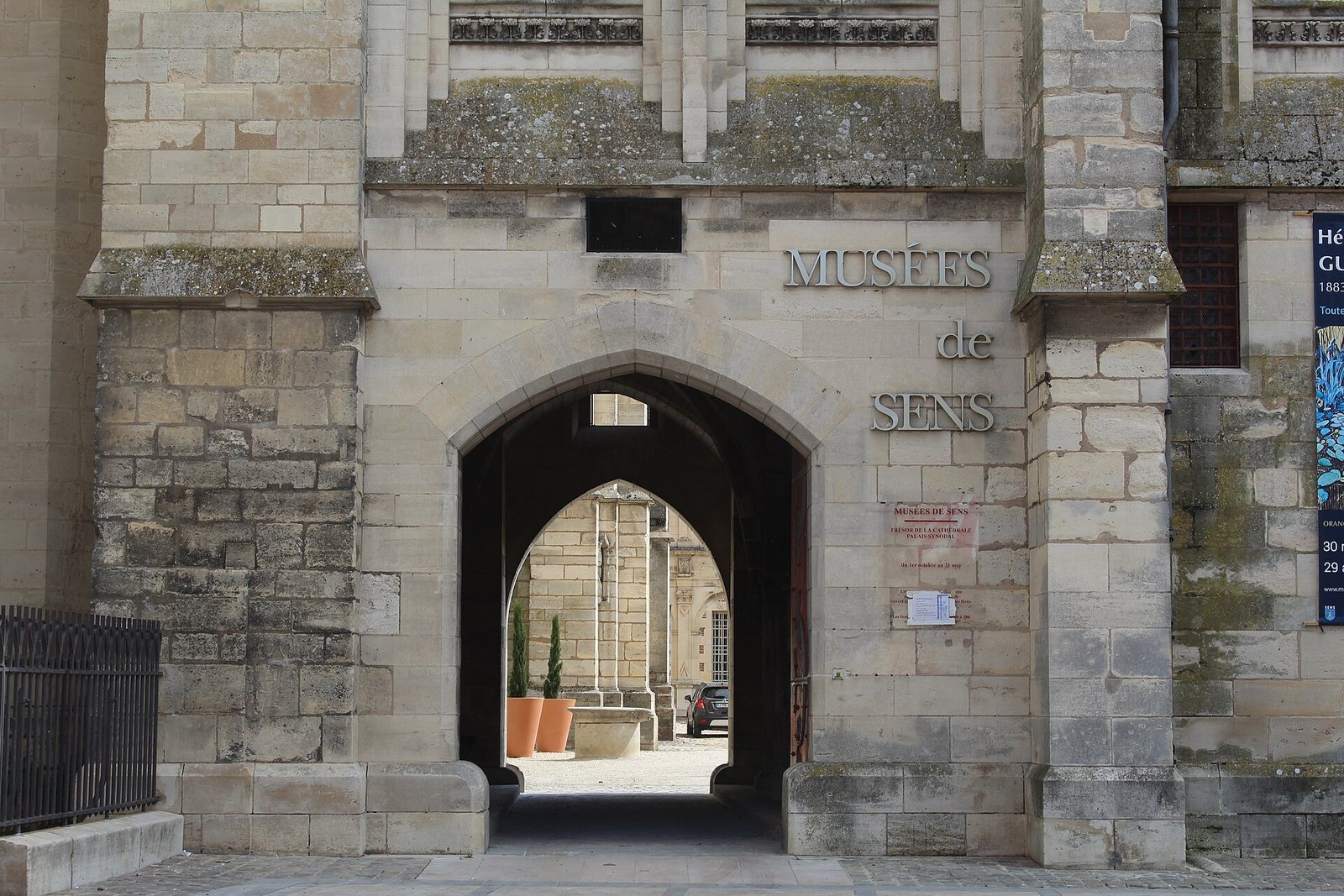
The Gothic palace adjoins the Cathedral of Saint Stephen of Sens and the former archbishop’s palace, which now houses the Museum of Sens. Its principal interior feature is the synodal hall, complemented by sculptural decoration on the exterior and a later painting inside.
Synodal hall
The main room covers approximately 500 square metres and rises to a ceiling height of 12 metres. It served as the palace’s synodal hall, where church assemblies were held.
Exterior statues
In the Middle Ages, five statues adorned the exterior façade. Their subjects included Gauthier Cornu and Saint Louis, the French king Louis IX.
Painting in the hall
A painting by French artist Bernard Gaillot, created in 1824, hangs on the hall’s north wall. It shows Saint Louis and his brother Robert of Artois being welcomed at Sens by the archbishop. The painting was restored in 2020.