Fort Orange in Ghana: A Dutch Trading Post and Coastal Fort
Site at a Glance
- Popularity
- Medium
- Country
- Ghana
- Primary era
- Early Modern
- Eras represented
- Early Modern
- Civilizations
- Dutch
- Site type
- Military
- Remains
- Fort
On this page4 sections
History
Fort Orange in Ghana began as a trading lodge established in 1642 by the Dutch West India Company, a chartered company engaged in overseas trade and colonial activity. From the 1670s, it served as a trading post on the Gold Coast, the historical name for the coast of present-day Ghana. The fort became an important site in the Gold Coast slave trade and in commerce between Europe and Africa.
Expansion and fortification
In 1690, the site was expanded into a full fort to support growing European trade and offer protection amid local conflict and rivalry with other European powers. After the Ahantas, a people of Ghana’s Western Region, attacked it in September 1694, the fort was reinforced and remodeled. By 1704, it had become a full fortification.
Transfer of control and later uses
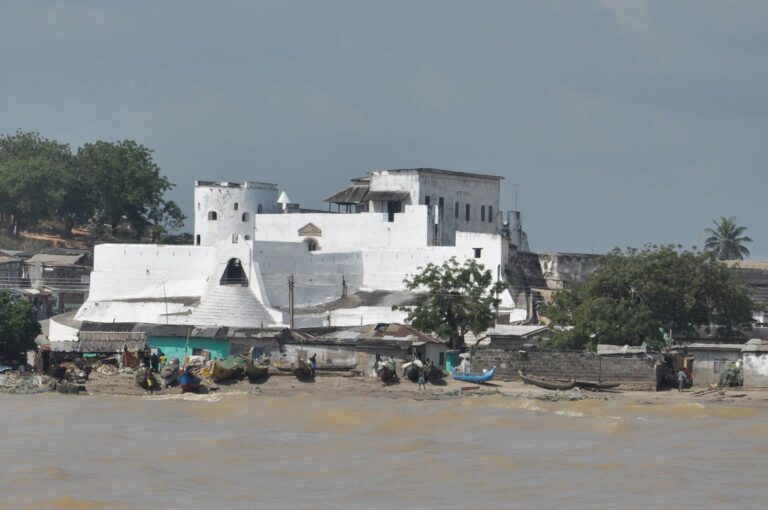
Dutch control lasted from 1642 to 1872, when the fort passed to Britain under the Anglo-Dutch treaty along with the other Dutch possessions on the Gold Coast. Britain held it until Ghana gained control in 1957. The fort formerly served as a lookout post and is now used as a naval base by the Ghana Ports and Harbours Authority, with part of it serving as a lighthouse.
In 1979, Fort Orange was included in UNESCO’s World Heritage property “Forts and Castles of Volta, Greater Accra, Central and Western Regions.” Its inscription falls under criterion (vi), which concerns a place’s association with events, traditions, ideas, beliefs, or artistic and literary works of outstanding universal significance.
Remains
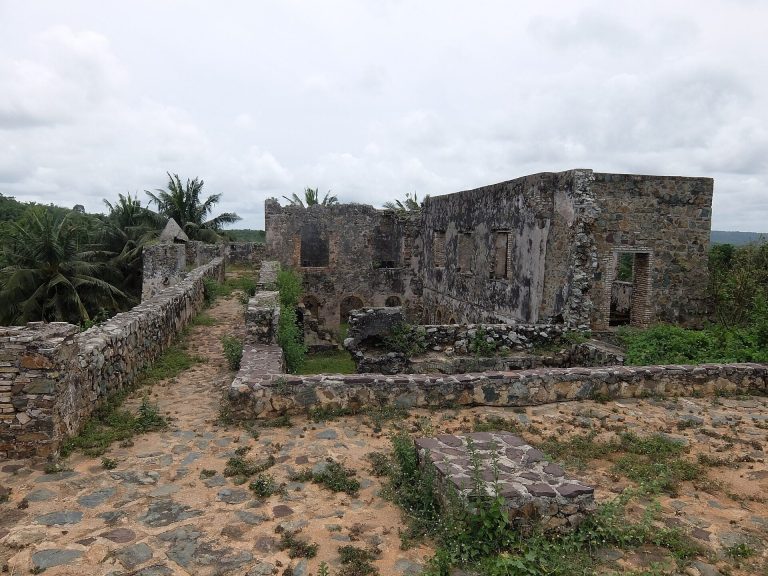
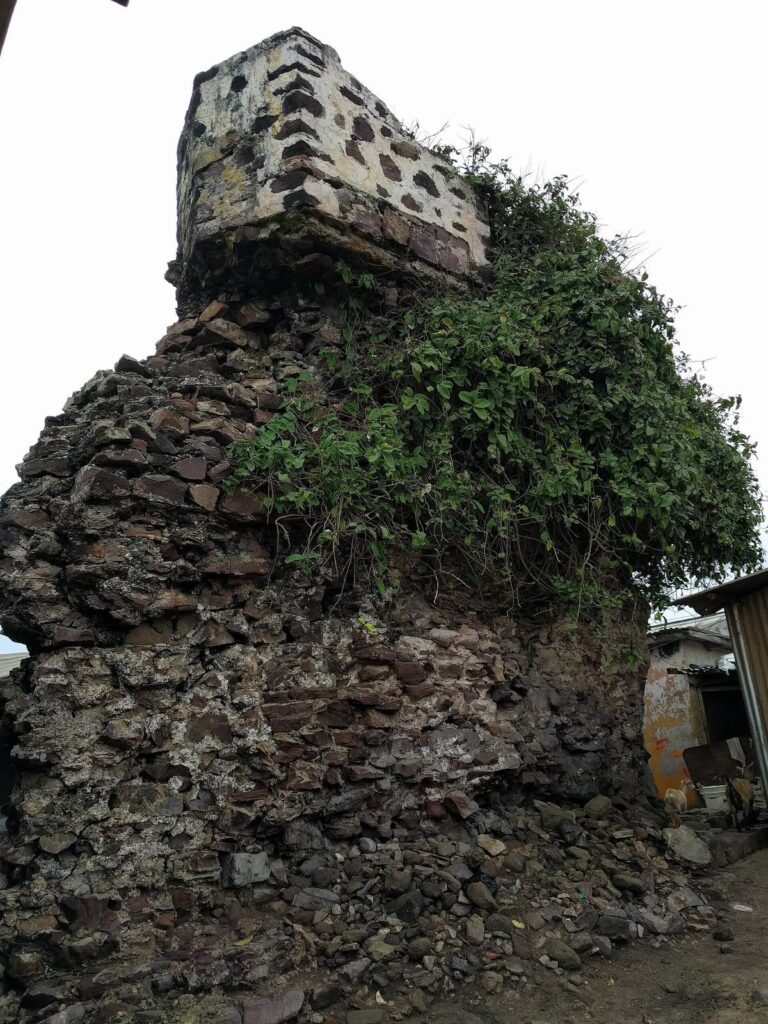
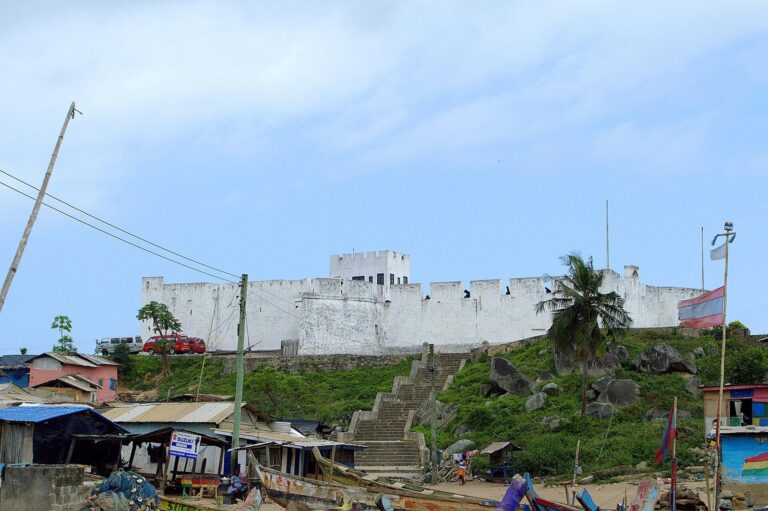
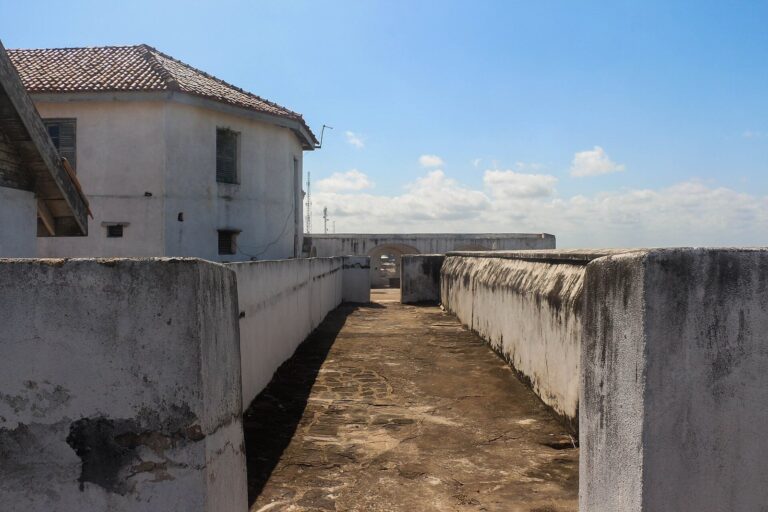
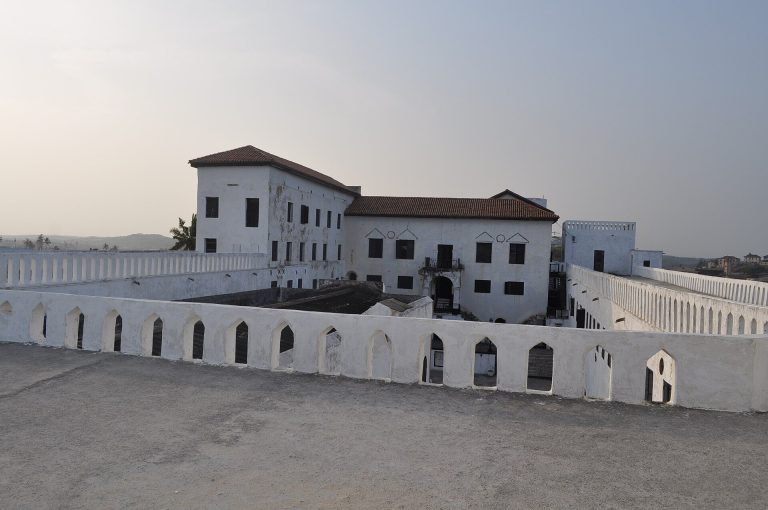
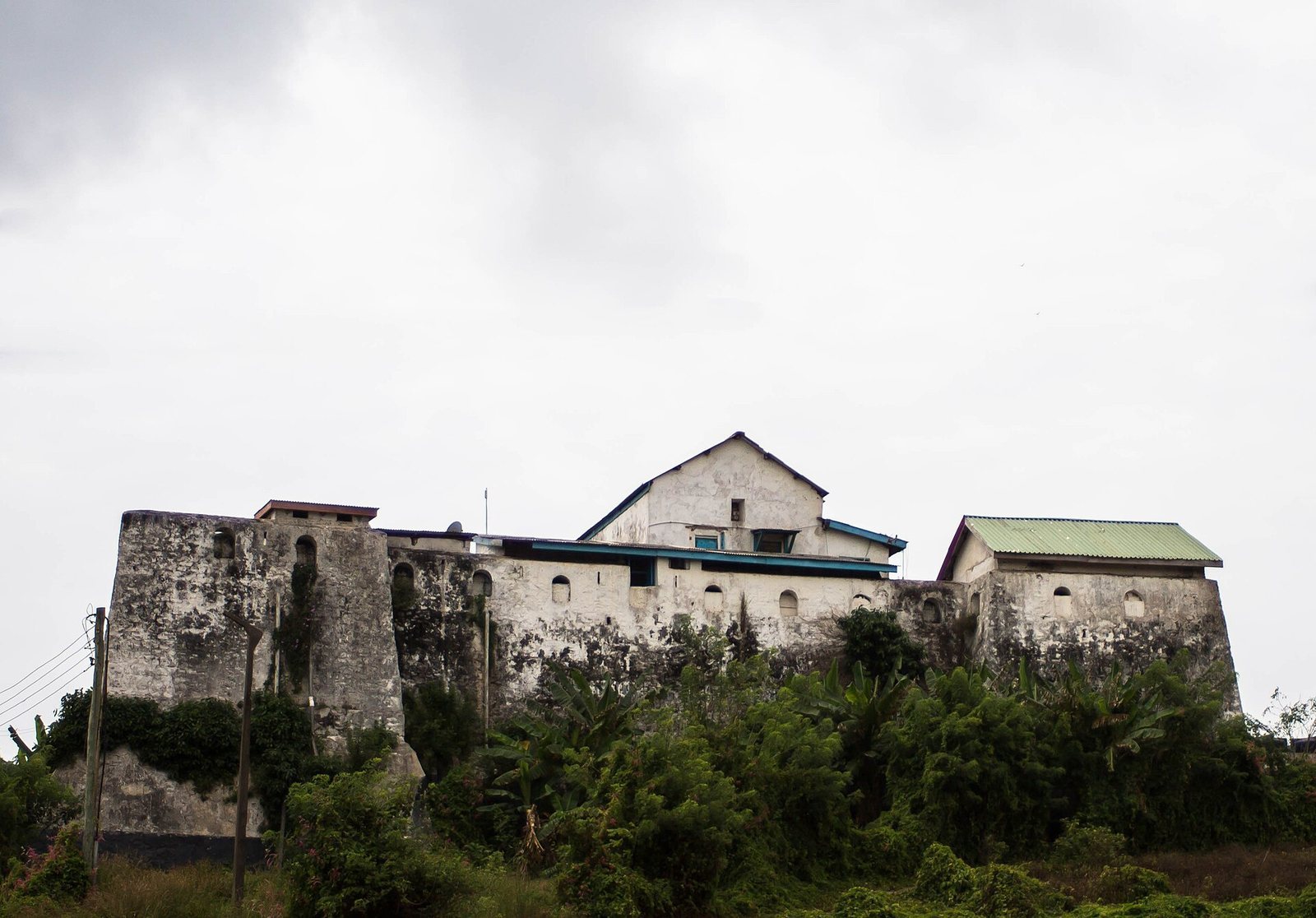
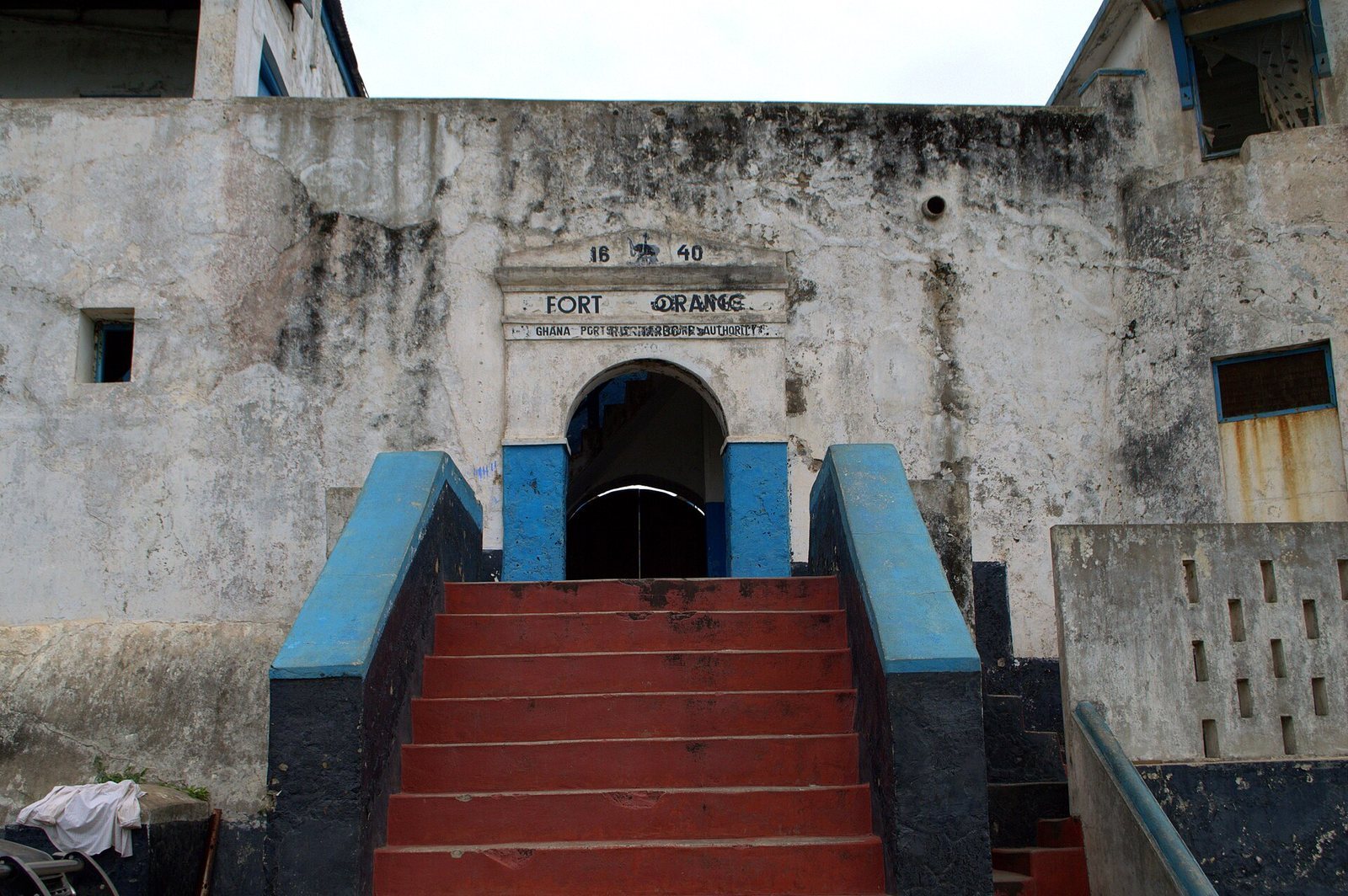
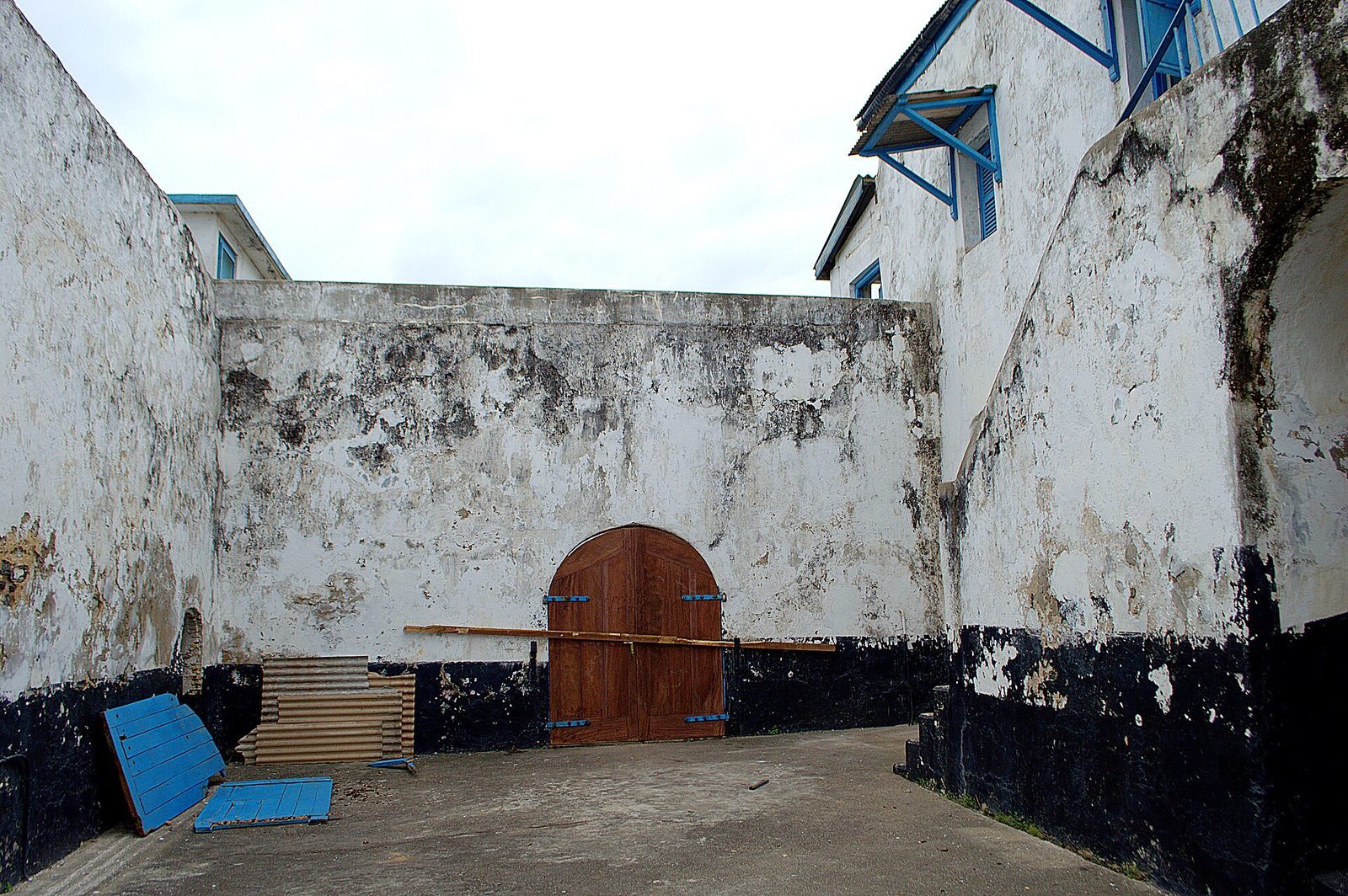
The coastal fort is about 12 m high and built of stone and brick. Its preserved, repurposed structure includes an entrance, an interior courtyard, and low walls. Fort Orange stands beside Fort Sekondi, an English fort built in 1682.