Schloss Aspenstein: A Former Monastic Residence and Political-Education Center
Site at a Glance
- Popularity
- High
- Country
- Germany
- Primary era
- Early Modern
- Eras represented
- Early Modern
- Civilizations
- Electorate of Bavaria, Holy Roman Empire
- Site type
- Domestic
- Remains
- Castle
On this page6 sections
History
Monastic residence, 1675–1803
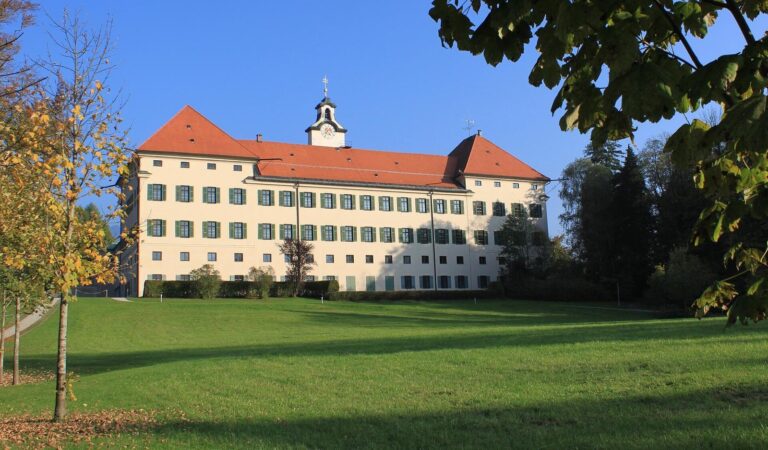
Schloss Aspenstein is a former monastic country residence in Germany, built for Benediktbeuern Monastery between 1675 and 1694 in the Baroque period. Kochel remained within the monastery’s domain, and the residence served as a summer home for the abbots, the monastery’s heads. It also provided a place for Benedictine monks, members of a Catholic monastic order, to retire and recuperate.
This use continued until secularization in 1803, when religious property and authority passed to secular control. That year the estate passed to Bavaria and was acquired by Bavarian financial councillor Georg von Stengel.
Private ownership, 1803–1936
Wine innkeeper Ignaz Huber owned the estate from 1815 to 1836. Georg von Dessauer acquired it afterward, and his family remained its owners until 1936.
From private residence to postwar institution, 1936–1948
On 12 March 1936, the dilapidated castle passed to Baldur von Schirach, then head of the Hitler Youth and later a regional Nazi Party leader in Vienna. His family renovated the property and lived there until 1940. After the Second World War, the estate was expropriated and transferred to the Free State of Bavaria in 1945. It initially served as headquarters for the US 10th Armored Division, then housed displaced people uprooted by war or persecution from 1946 to 1948.
When this use ended, the US military government transferred the property to the Bavarian organization of the Social Democratic Party (SPD). It became a training school named for Georg von Vollmar, a social-democratic politician and the Bavarian SPD’s first chairman.
The Georg von Vollmar Academy
The school took the name Georg von Vollmar Academy in 1968. The academy continues to use Schloss Aspenstein as a political-education center and as a conference venue for outside providers.
Remains
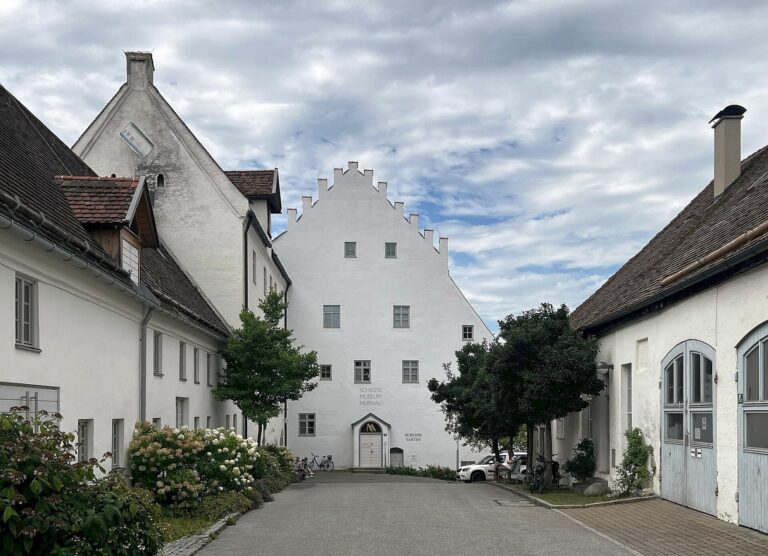
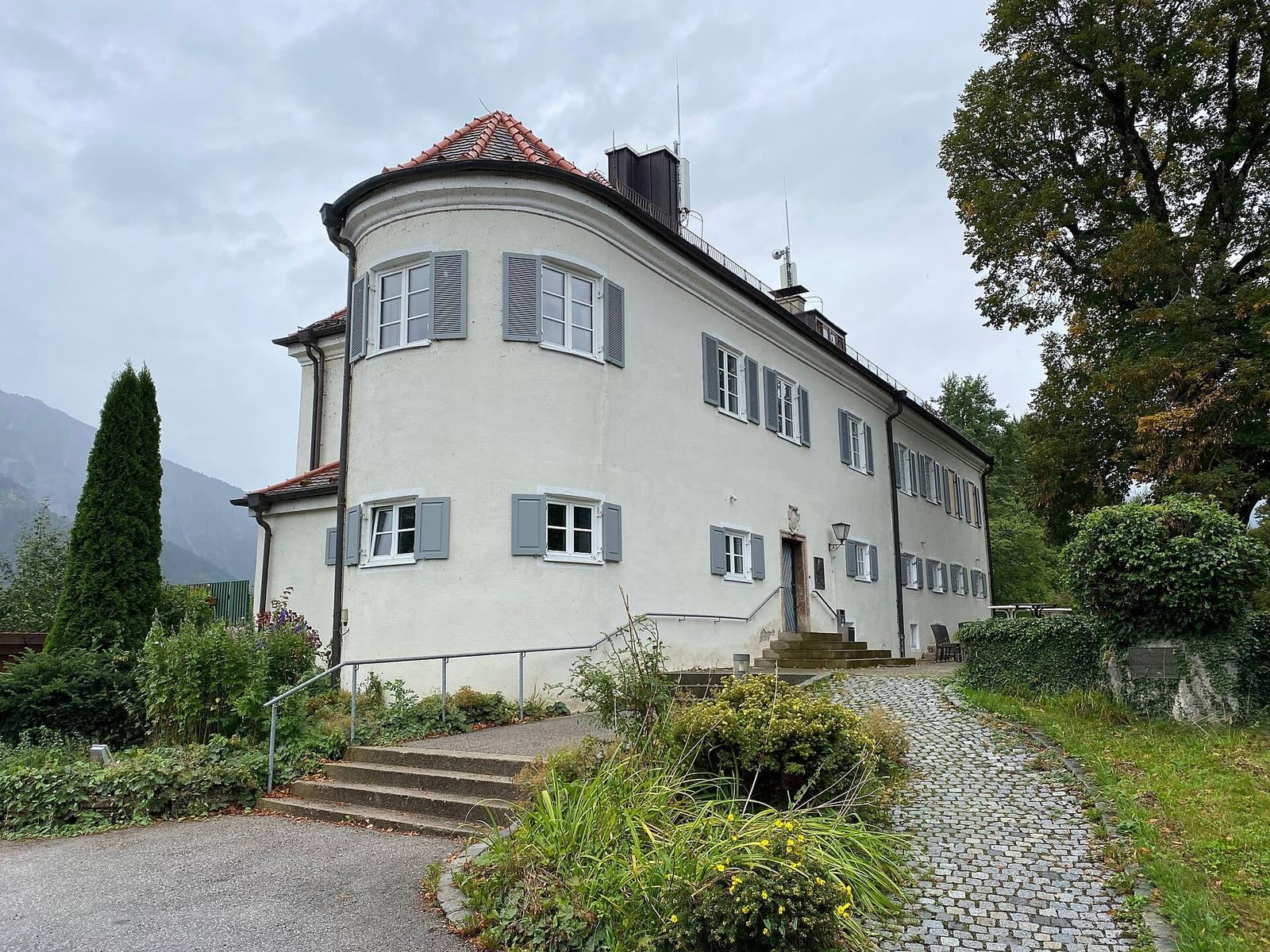
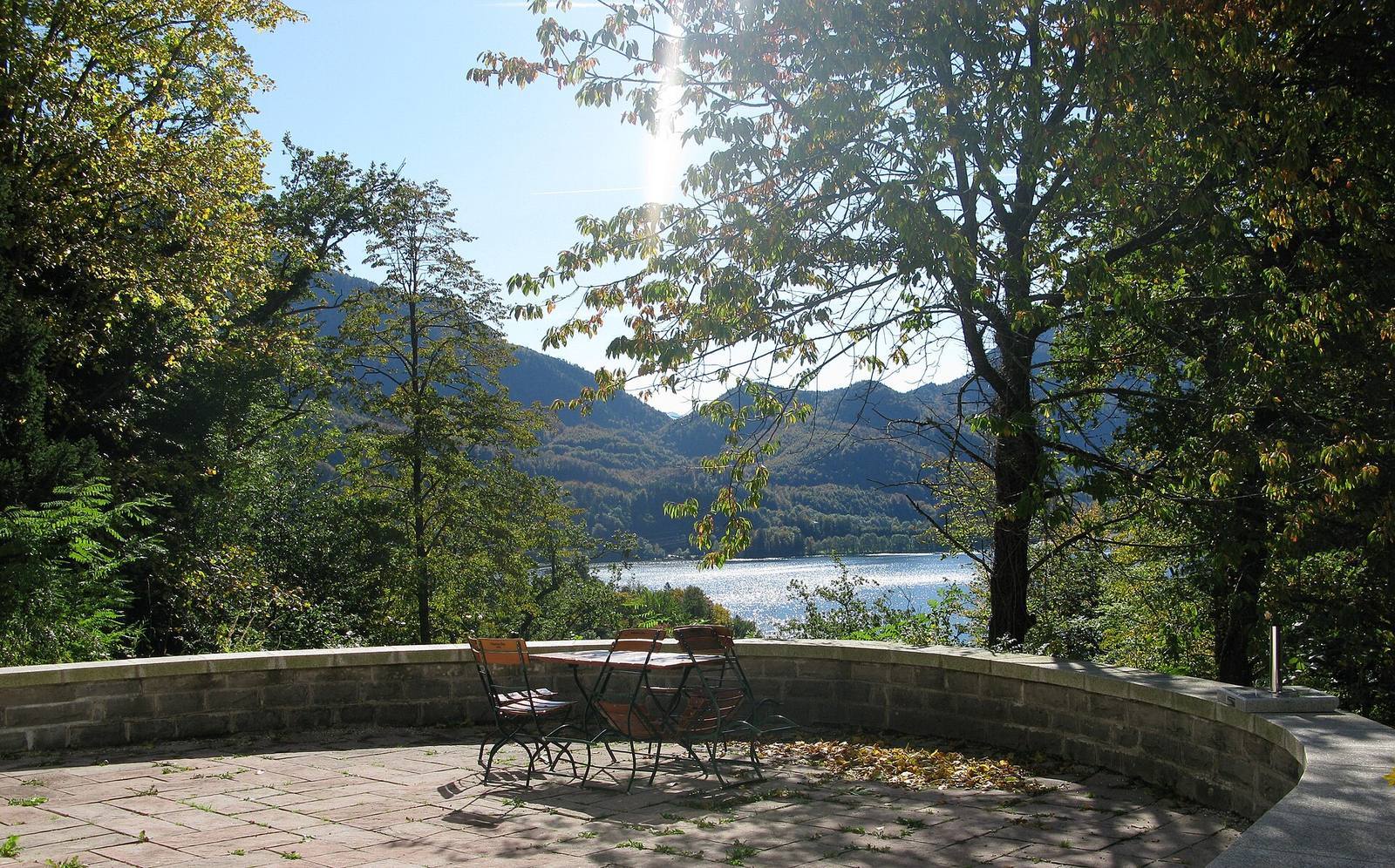
The former country residence is a two-storey Baroque building with a raised terrace and a roof that slopes down on all sides. A semicircular chapel annex is attached to the building. The chapel has been withdrawn from religious use.