Staufeneck Castle: A Medieval Administrative and Judicial Seat
Site at a Glance
- Popularity
- Medium
- Country
- Germany
- Primary era
- Early Modern
- Eras represented
- Medieval, Early Modern
- Civilizations
- Holy Roman Empire, Prince-Archbishopric of Salzburg
- Site type
- Military
- Remains
- Castle
On this page7 sections
History
Foundation and Salzburg Rule
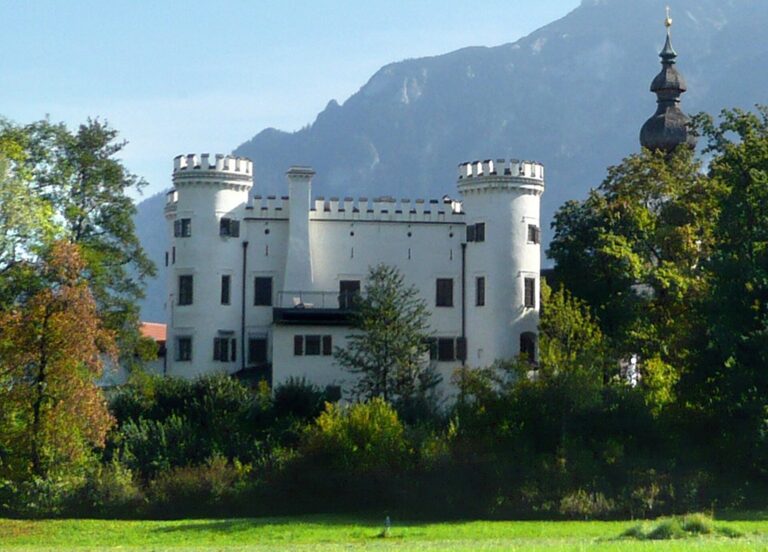
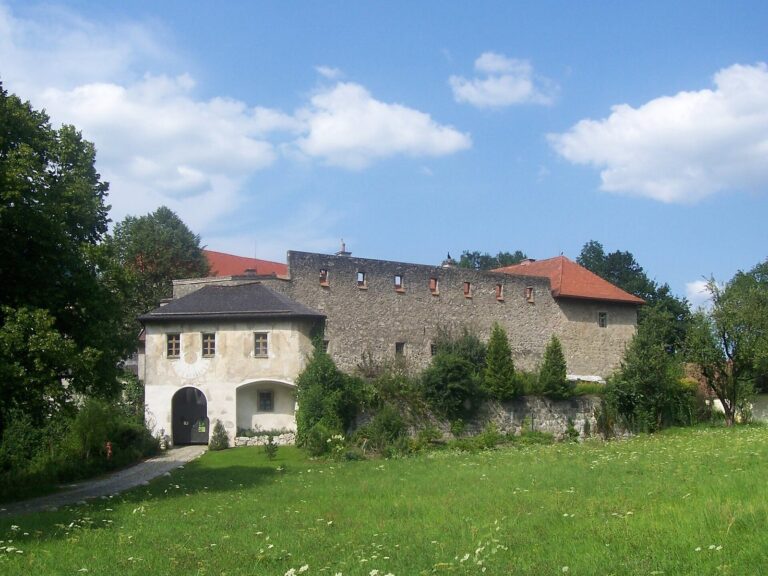
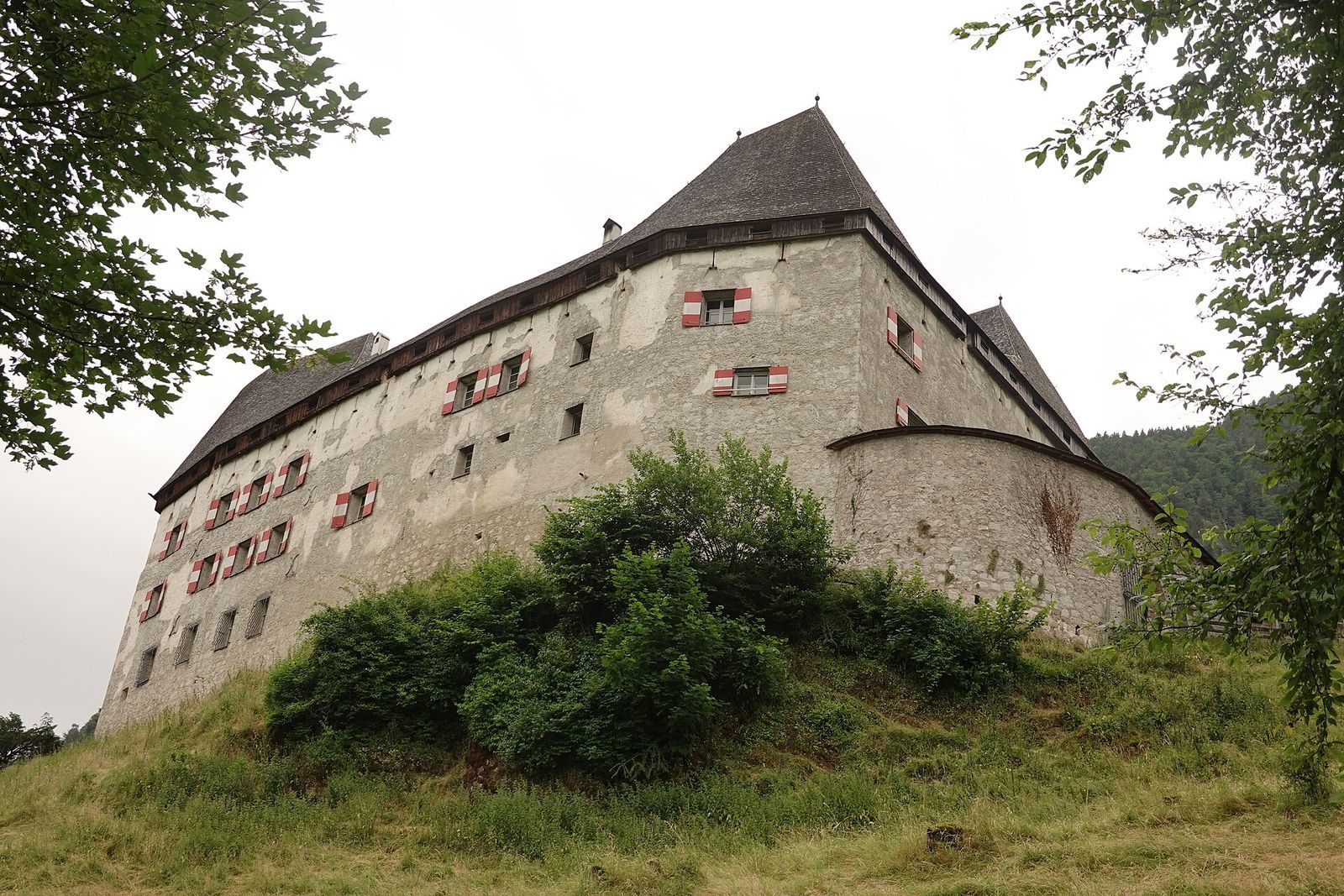
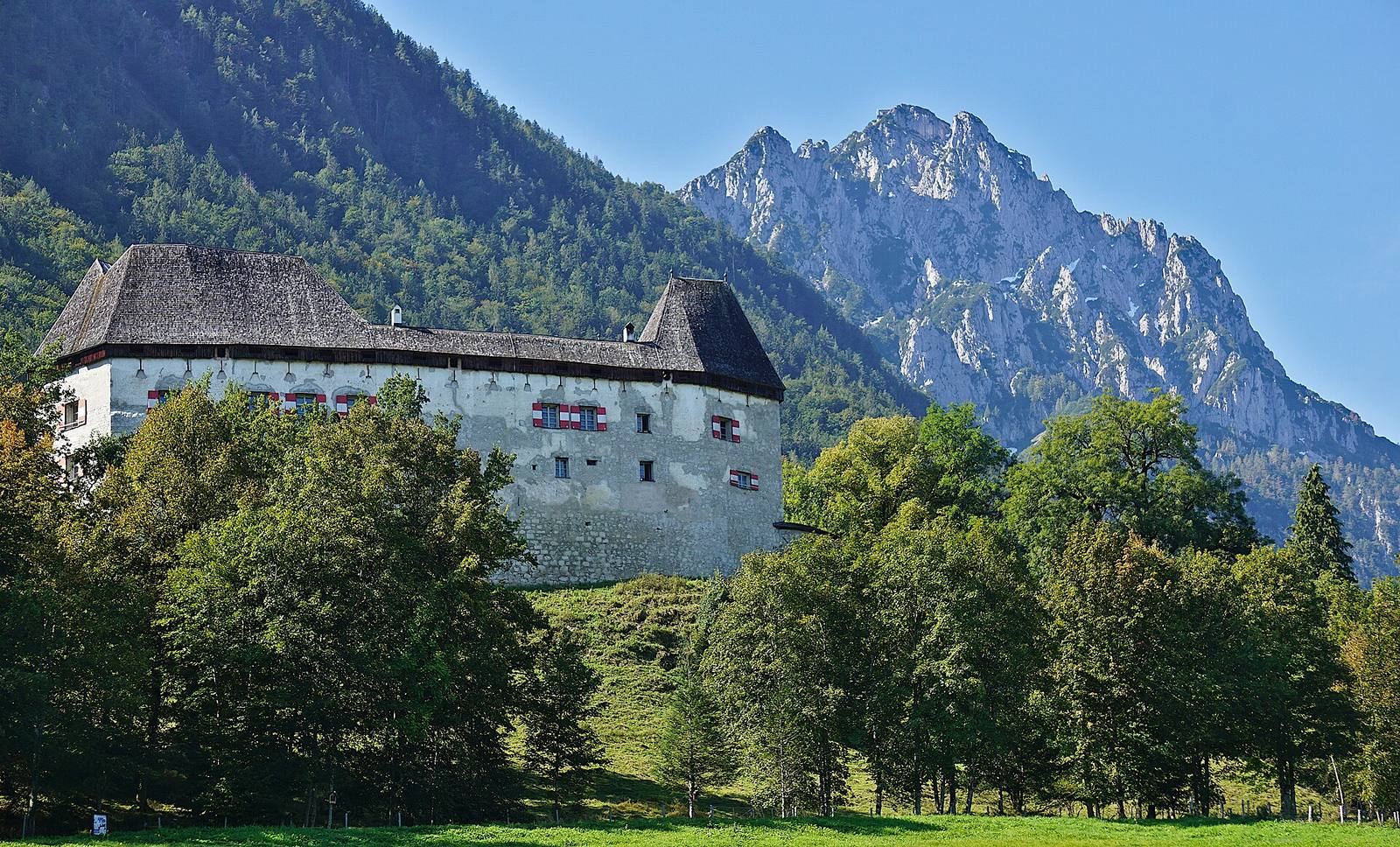
Staufeneck Castle is at Mauthausen, a locality of Piding in Germany, at the foot of the Hochstaufen. The lords of Staufeneck built the original castle around 1240 while serving the Counts of Plain, a medieval noble family.
In 1306, the Staufeneck castle governors sold their territory to the Archbishopric of Salzburg, an ecclesiastical principality ruled by an archbishop. From 1365 to 1805, the castle served as the seat of Salzburg’s local administrative and judicial district, whose territory included the Rupertiwinkel and other areas. Archbishop Leonhard von Keutschach had the complex enlarged and fortified between 1503 and 1513.
Bavarian Period and Later Use
The 1816 Treaty of Munich transferred Staufeneck and the rest of the Rupertiwinkel to the Kingdom of Bavaria. The castle has been privately owned since 1870. It housed a museum for several years during the 20th century, and after comprehensive renovation it became an inhabited residence again. Staufeneck is protected as both an architectural and an archaeological monument.
Remains
Fortifications and Archaeology
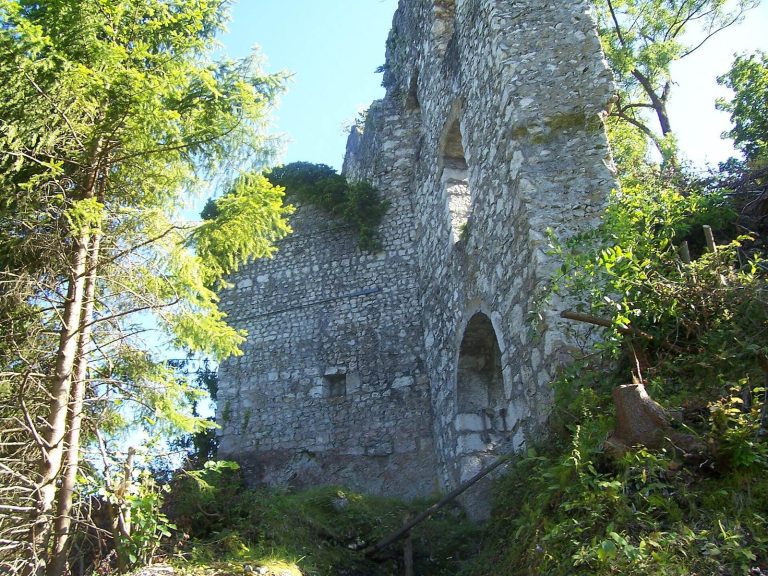
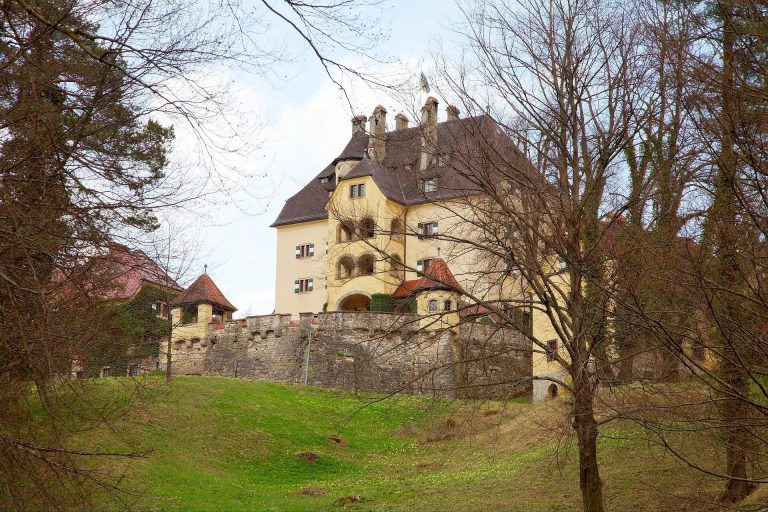
The physical remains comprise a fortified complex above ground and archaeological remains beneath the castle area.
Entrance Portal
The entrance portal bears the coat of arms of Archbishop Leonhard von Keutschach, which features a turnip. An inscription above it credits him with building and completing the castle in 1513.
Below-Ground Remains
Medieval and early-modern archaeological remains lie beneath the castle area.