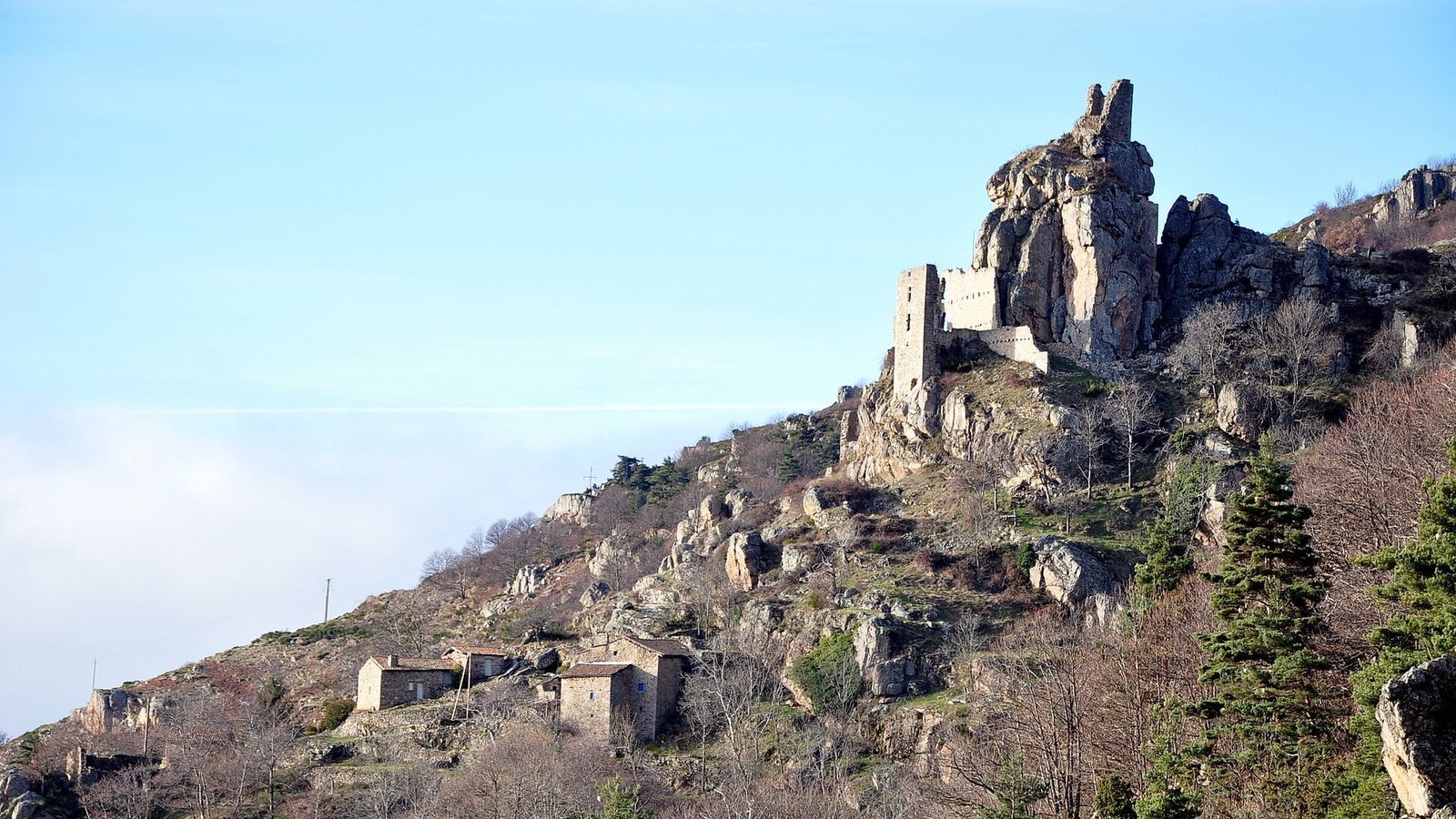
Rochebonne Castle in Saint-Martin-de-Valamas, France
Site at a Glance
- Popularity
- Medium
- Country
- France
- Primary era
- Medieval
- Eras represented
- Medieval
- Civilizations
- French, Holy Roman Empire
- Site type
- Military
- Remains
- Castle
On this page9 sections
History
Origins and abandonment
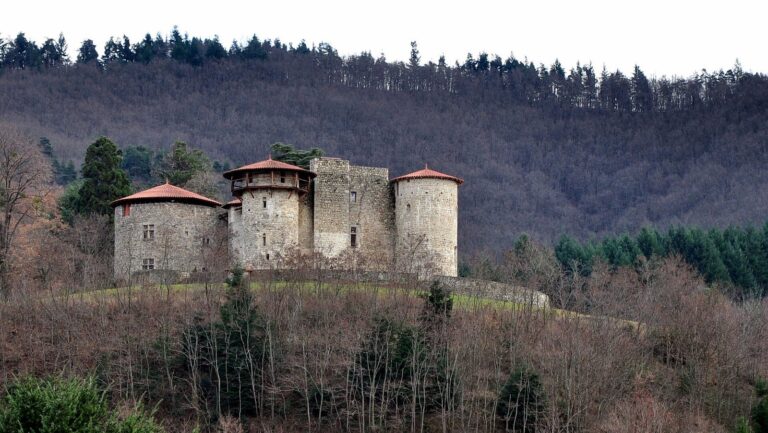
Rochebonne Castle in Saint-Martin-de-Valamas, France, was probably built in the eleventh century. Its period of occupation is uncertain. By 1734, it was apparently no longer inhabited, and the parish priest described it as ruined.
Damage during the Wars of Religion
During the French Wars of Religion, sixteenth-century conflicts between Catholics and Protestants in France, Protestant forces captured the castle in 1577 and again in 1580. Both captures damaged the site.
Preservation
The local heritage-preservation association Les Amis de Rochebonne was founded in August 1980 to safeguard the ruins by commissioning restoration projects. The castle is classified as a historic monument, a formal heritage-protection designation in France.
Remains
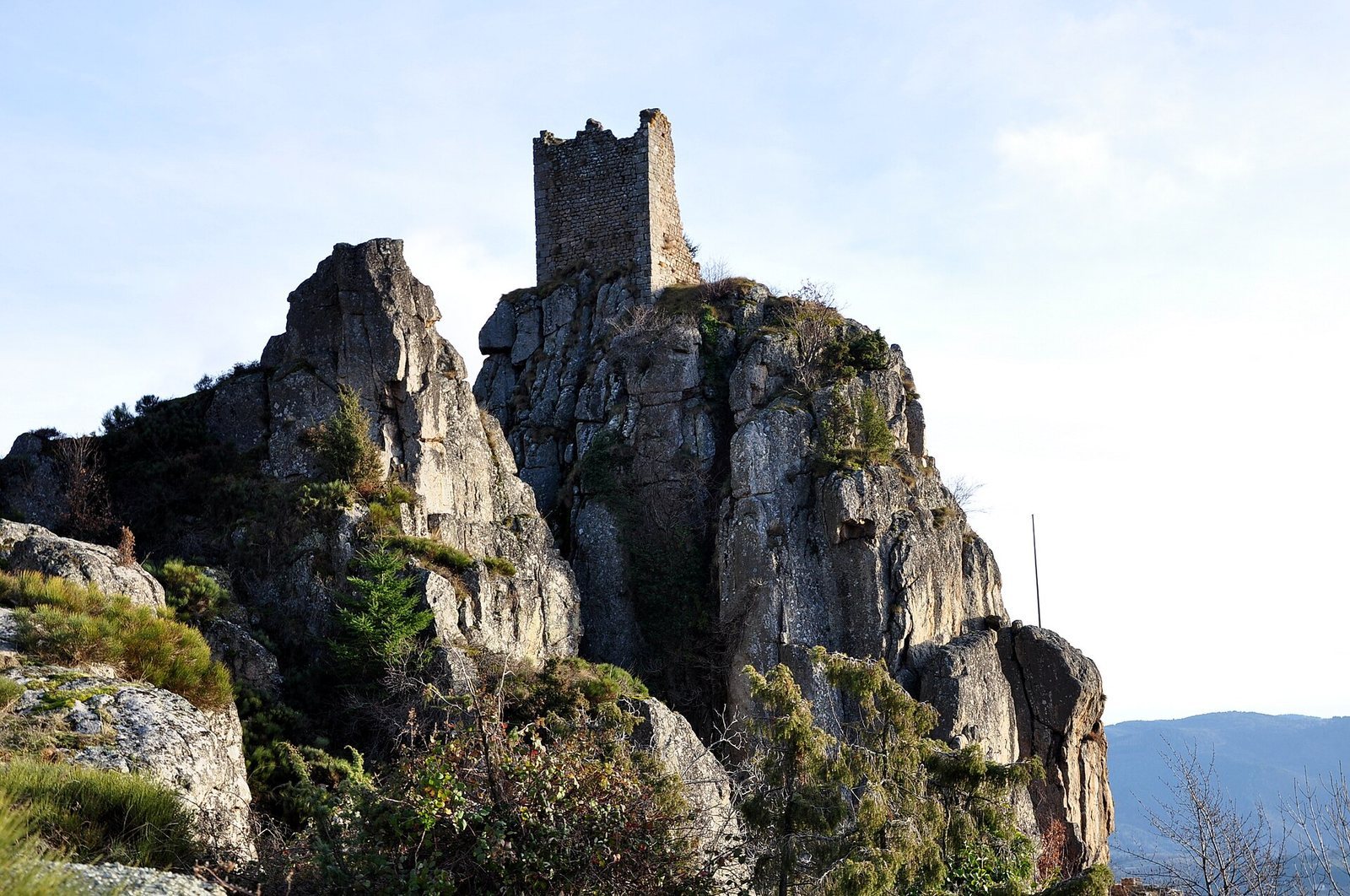
The ruins are arranged around a keep on a rocky pinnacle, with residential remains below and service-building remains farther west. The site stands on a granite promontory in the Boutières area of the upper Eyrieux valley, overlooking the river’s left bank at an altitude of 850 metres. It is about three kilometres in a straight line from the village of Saint-Martin-de-Valamas.
The keep
The keep, the castle’s principal defensive tower, stands atop the rocky pinnacle and has a base measuring six metres. Narrow arrow slits, openings for archers, remain visible on its north and east faces.
Residential buildings
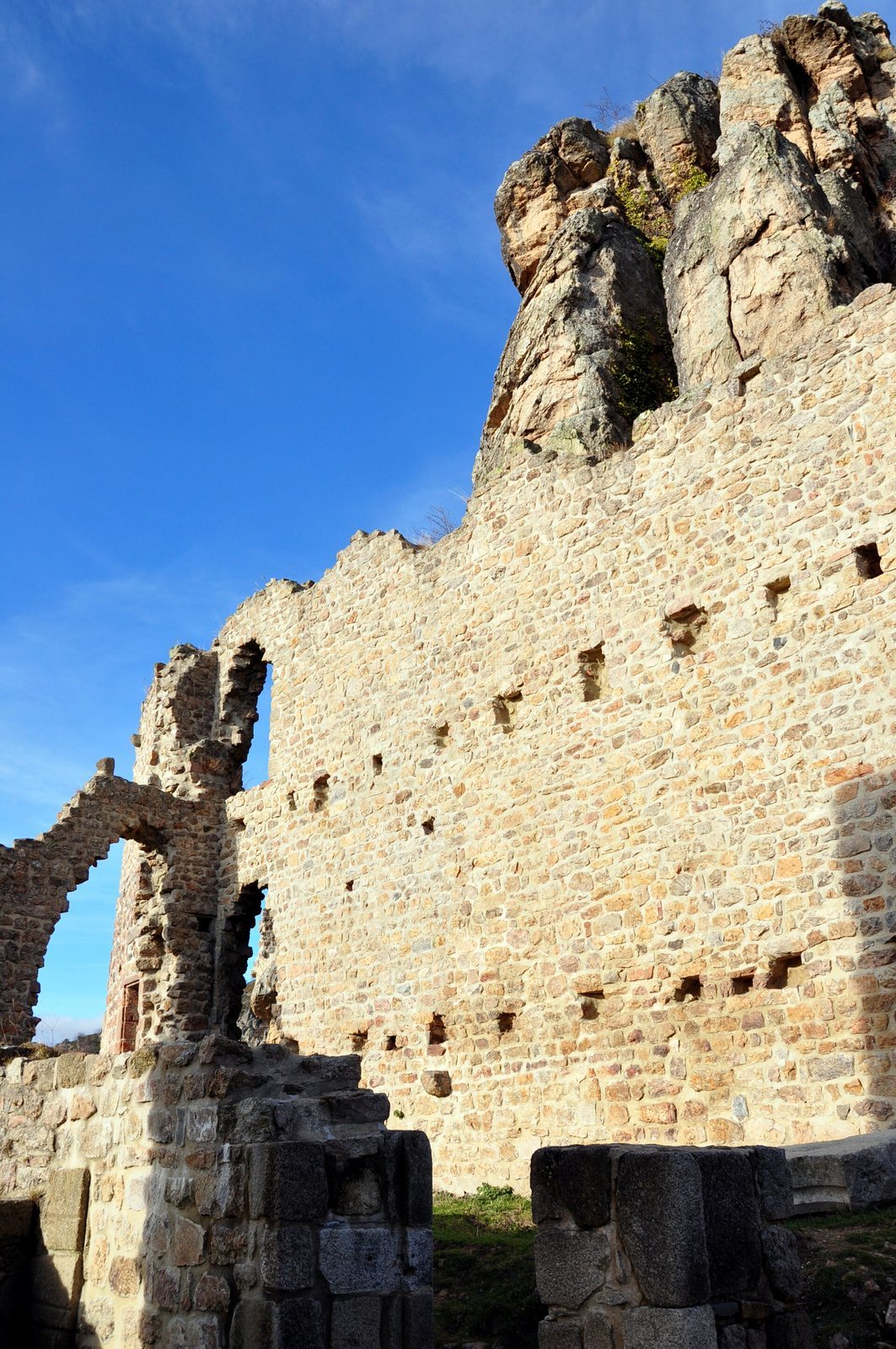
Below the keep are remains of three residential buildings. The large central residence dates to the fifteenth century.
Quadrangular tower
The surviving south wall of a quadrangular, or four-sided, tower has three windows aligned vertically, each corresponding to one of its three habitable floors. Other wall sections and traces of two fireplaces also survive.
Service buildings and other features
Remains of service buildings lie farther west. The site’s features also include a corridor and a room, and the Devès stream is associated with the castle.