La Chèze Castle: A Medieval Fortress in Le Cheylard, France
Site at a Glance
- Popularity
- Medium
- Country
- France
- Primary era
- Medieval
- Eras represented
- Medieval, Early Modern, Modern
- Civilizations
- French, Holy Roman Empire
- Site type
- Military
- Remains
- Castle
On this page5 sections
History
La Chèze Castle is a medieval castle in Le Cheylard, France, with surviving fabric from medieval and Renaissance phases. It later served as a Protestant stronghold, notably in 1621–1622.
Medieval origins and Renaissance growth
Written records mention the castle from the late thirteenth century. Its earliest named lords were the Tournon de la Chèze. The castle was enlarged in the fifteenth century and reached its present size during the Renaissance.
Later use
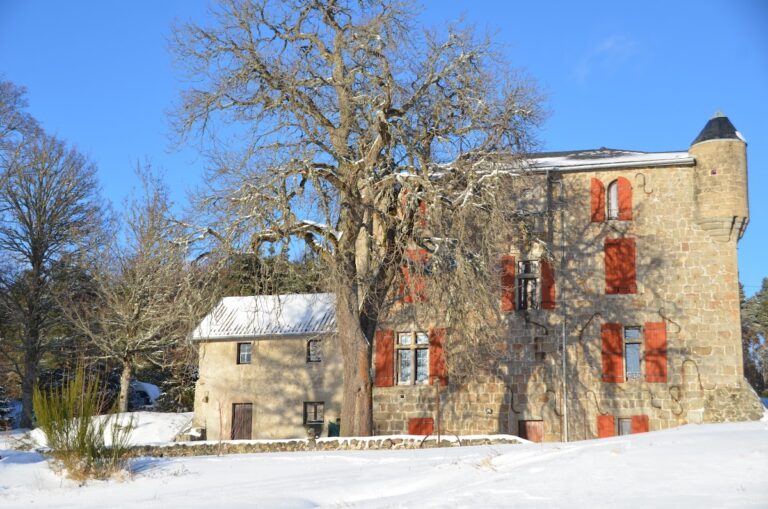
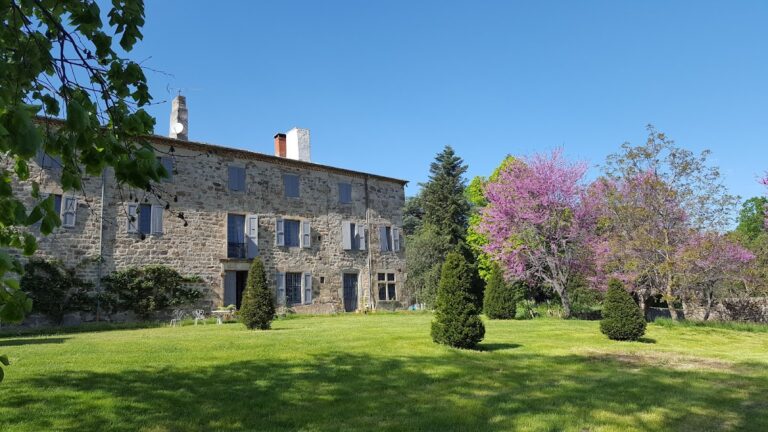
In the eighteenth century, the Portalès family, then the owners, adapted the castle for greater comfort. During Napoleon Bonaparte’s First Empire, a period of imperial rule from 1804 to 1814 with a brief return in 1815, a college run by the Jesuits, a Catholic religious order, was established there.
Fire and restoration
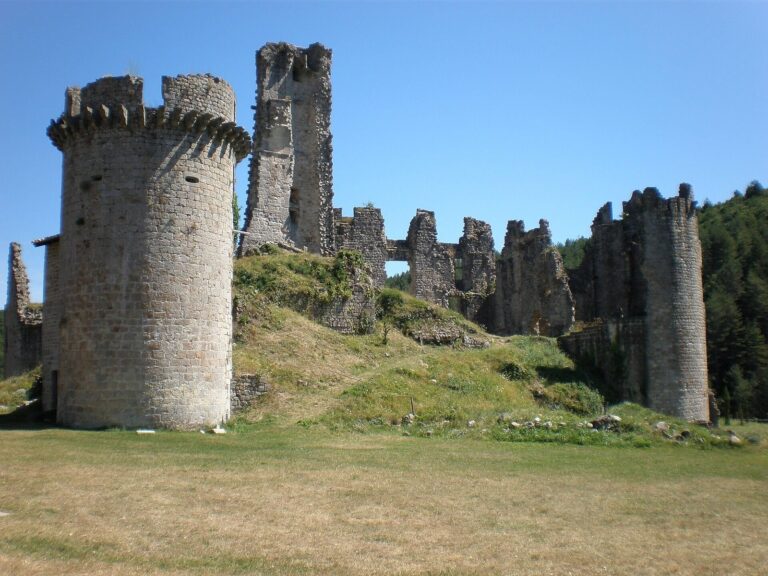
Extensive works took place in the late nineteenth century. On 6 July 1944, the castle was burned during the Battle of Le Cheylard and remained in ruins until 1989, when the Association for the Preservation of Boutières Heritage was founded. With support from the commune and donors, the association led restoration work through 2018, including annual work camps attended by volunteers from around the world. The commune of Le Cheylard is the castle’s current owner.
Remains
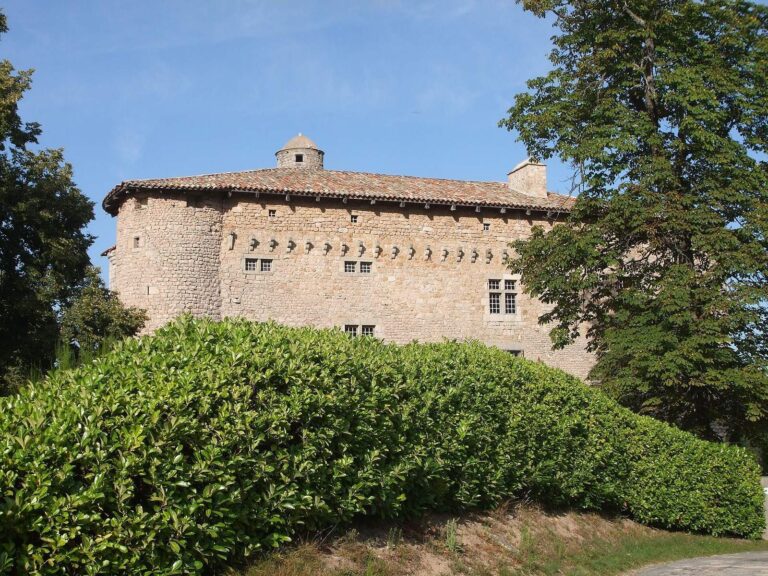
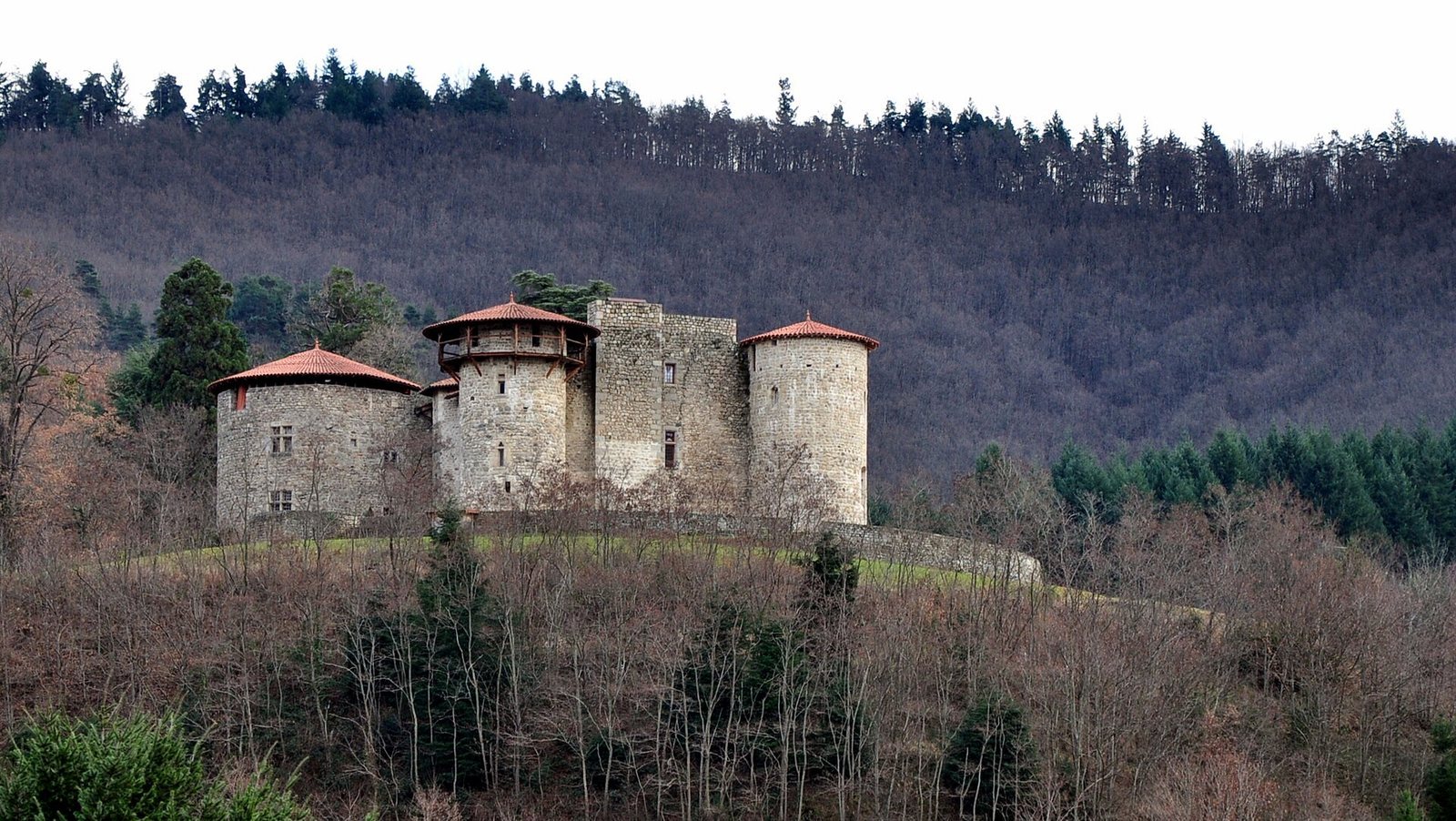
The castle stands at the summit of a hill east of town. Its surviving fabric includes medieval sections alongside later alterations.
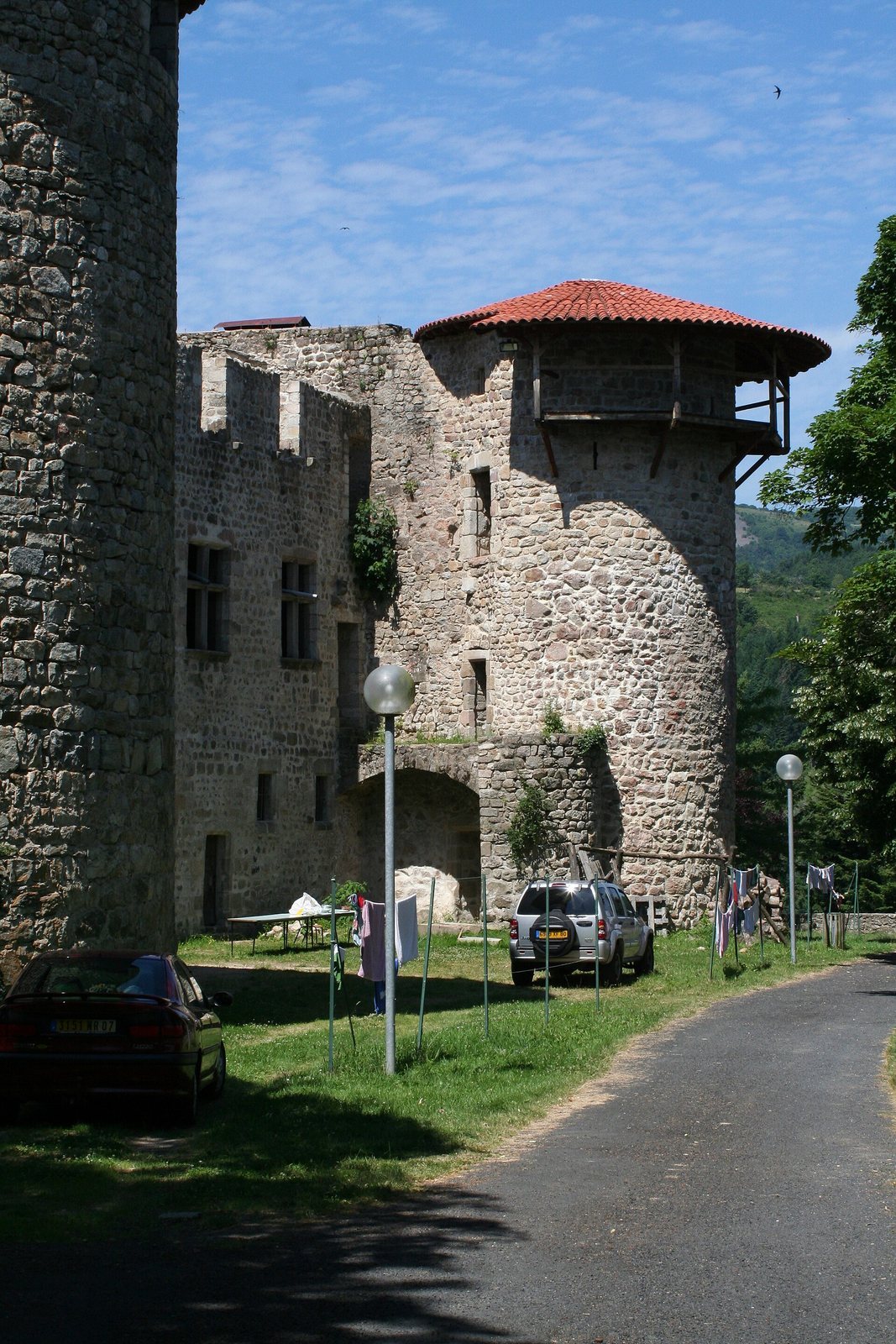
Defensive features from different periods include arrow slits, openings designed for both arrows and guns, apertures for arquebuses (early firearms), and openings for cannon. Restoration work added projecting defensive galleries and small projecting defensive structures.
The castle’s windows include fifteenth- and sixteenth-century examples divided by vertical and horizontal bars, as well as eighteenth-century arched windows. Fireplaces from different periods also survive. At the entrance, the pit for the former drawbridge remains visible.