Pilsach Castle: A Water Castle in Germany
Site at a Glance
- Popularity
- Medium
- Country
- Germany
- Primary era
- Medieval
- Eras represented
- Medieval, Early Modern
- Civilizations
- Holy Roman Empire
- Site type
- Domestic
- Remains
- Castle
On this page11 sections
History
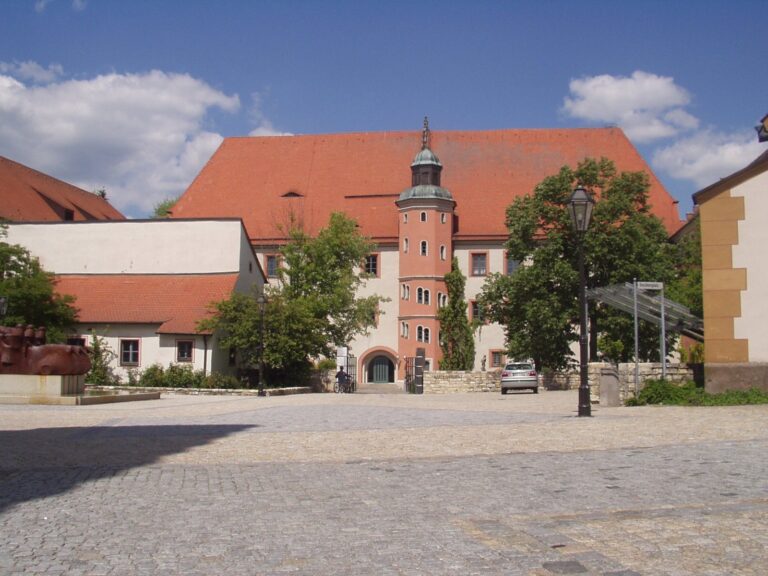
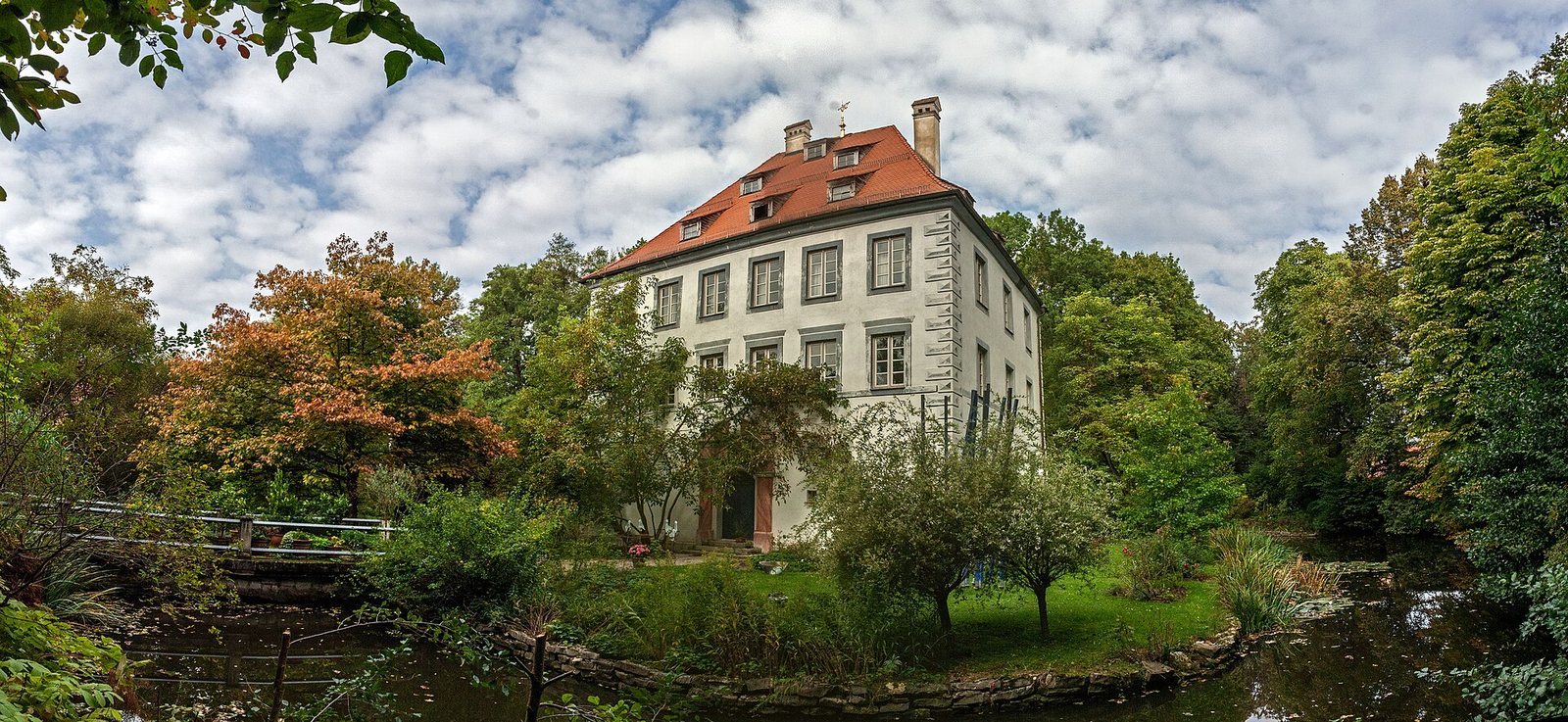
Pilsach Castle is a water castle in Germany, north of Neumarkt in der Oberpfalz, built on a small island within a pond. An earlier noble residence at Pilsach stood on Ottenberg, not at the site of the water castle.
The Wolfenstein and Senfft von Pilsach castles
From the early 12th century, the Free Lords of Wolfenstein maintained a noble residence at Pilsach. Their castle occupied Ottenberg, just west of the village. The separate water castle belonged to the Senfft von Pilsach family from the 14th through the 17th century. In 1632, troops of Gustavus Adolphus, king of Sweden and a leading commander in the Thirty Years’ War, burned it down. The castle was rebuilt soon afterward.
Later owners and the Kaspar Hauser claim
In 1808, Margarete du Prel inherited the castle and brought it into her marriage with Baron Karl Ernst von Grießenbeck, an officer serving the Bavarian crown. The family owned it until 1863, after which ownership changed frequently. The Höffner couple bought the property in 1919 and established a foal-breeding operation there.
Klara Höffner, who wrote under the name Klara Hofer, proposed that Kaspar Hauser, a 19th-century German foundling whose origins and childhood became the subject of a mystery, might have spent his reputedly isolated youth at Pilsach. She developed the idea in her 1924 book The Fate of a Soul: The Story of Kaspar Hauser in Light of the Latest Findings. Nuremberg amateur researcher Fritz Klee visited a room in the castle and compared it with Hauser’s descriptions of his prison. There is no historical proof that Hauser was held at Pilsach.
Remains
The water castle
Setting and construction
The castle stands on an island within a pond fed by the Pilsach stream, which gave both the castle and village their name. It probably began as a medieval pond house, a residence associated with a pond whose water could also serve as a defense. A residential tower formed a later stage in its development into a box-shaped building with a roof sloping down on all sides.
Intermediate-floor room
Remodeling in 1924 revealed a room on an intermediate floor. Hofer interpreted it as a secret dungeon, the room Klee later compared with Hauser’s descriptions of imprisonment.
Staircase and wooden horse
A staircase was altered in 1982. Afterward, the castle’s owners presented a small white wooden horse associated with the Hauser story. It has been assigned an approximate date of 1820, reportedly on the basis of dendrochronology, which estimates wood’s age from its annual growth rings. In 1996, historian and archive director Reinhard Heydenreuter said that the owners kept the horse inaccessible and would not allow its age to be tested. Its age and connection to Hauser remain unverified.
Other archaeological remains
Ottenberg
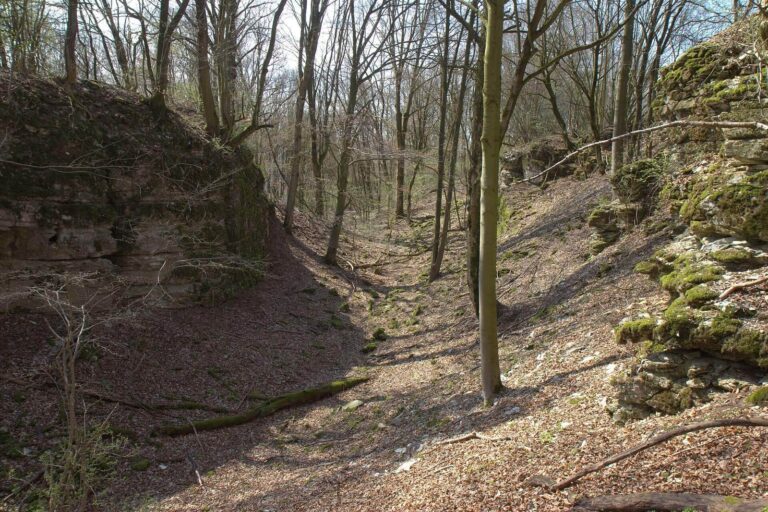
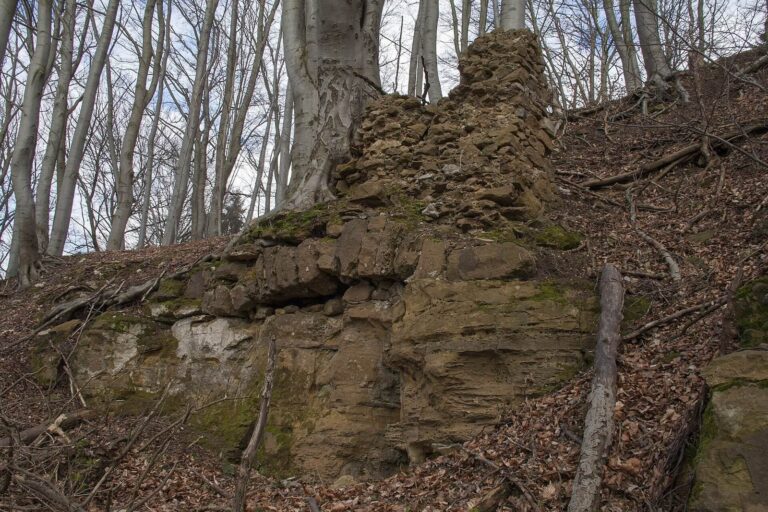
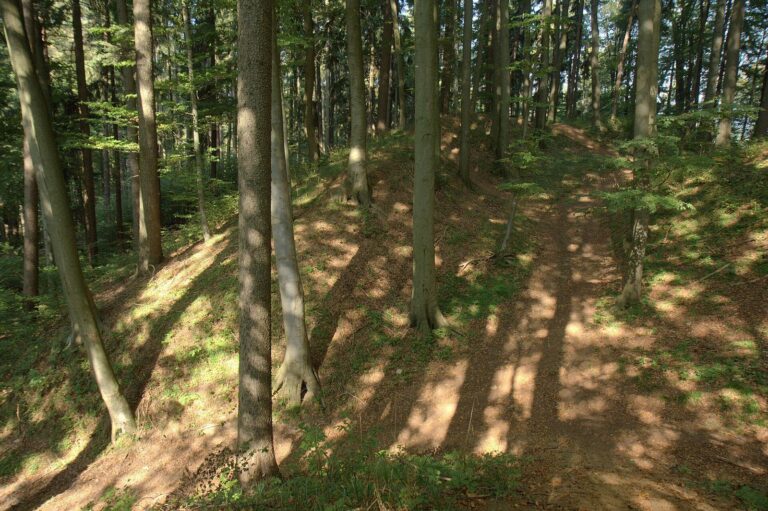
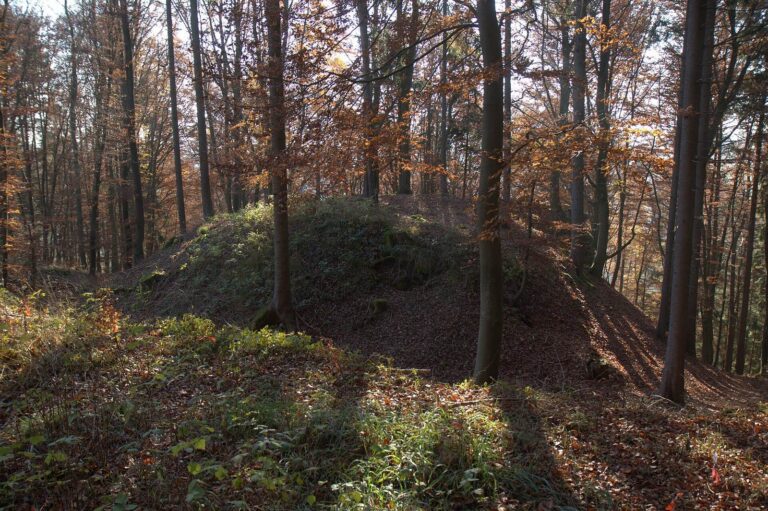
At Ottenberg, the earlier hilltop castle site survives with square defensive earthworks.
Former manor castle
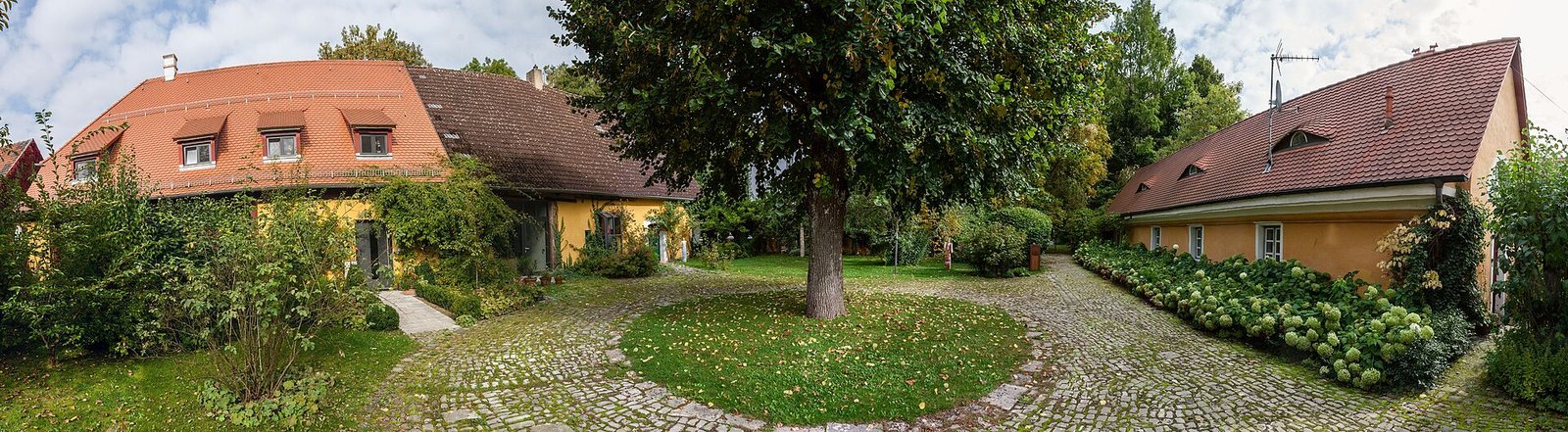
The area of the former manor castle contains medieval and early-modern archaeological traces, including evidence of predecessor buildings and earlier construction phases.