Gartenpalais Schönborn: A Baroque Garden Palace in Vienna
Site at a Glance
- Popularity
- Medium
- Country
- Austria
- Primary era
- Early Modern
- Eras represented
- Early Modern
- Civilizations
- Habsburg, Habsburg Austria, Holy Roman Empire
- Site type
- Domestic
- Remains
- Elite Residence
On this page9 sections
History
Commission and construction
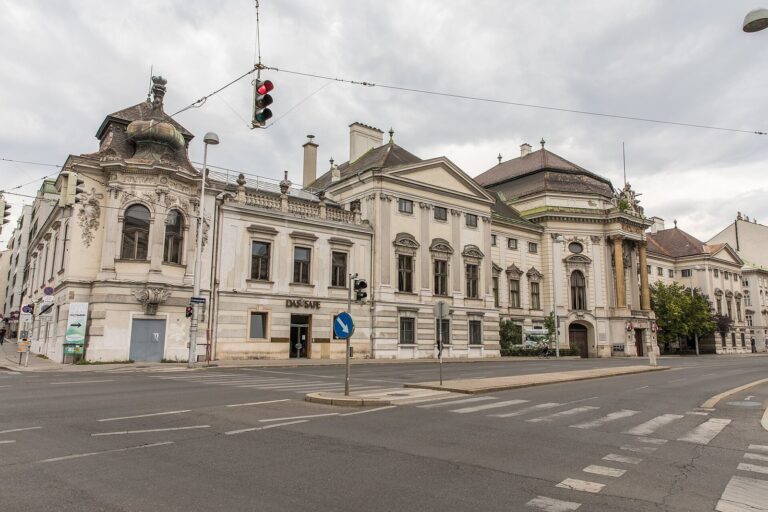
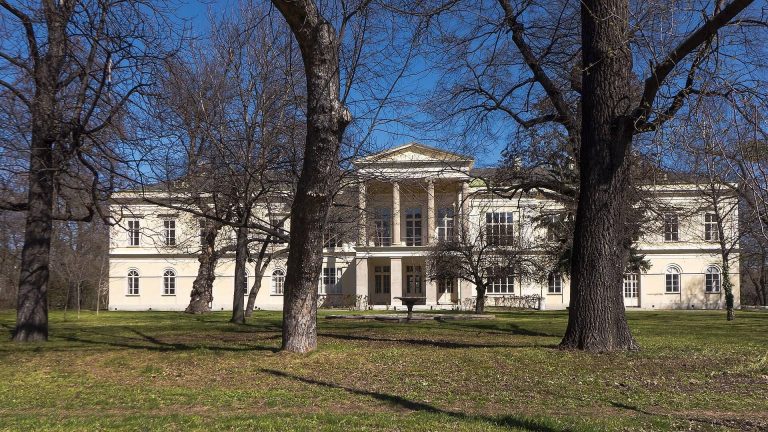
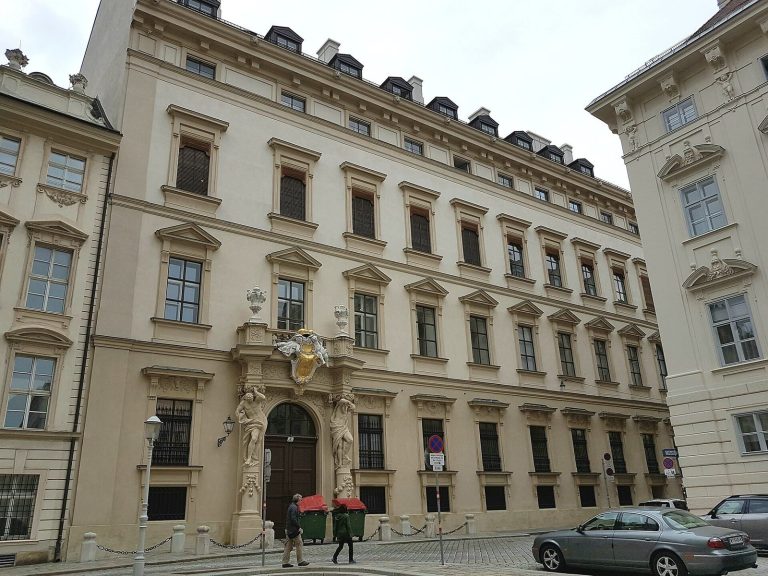
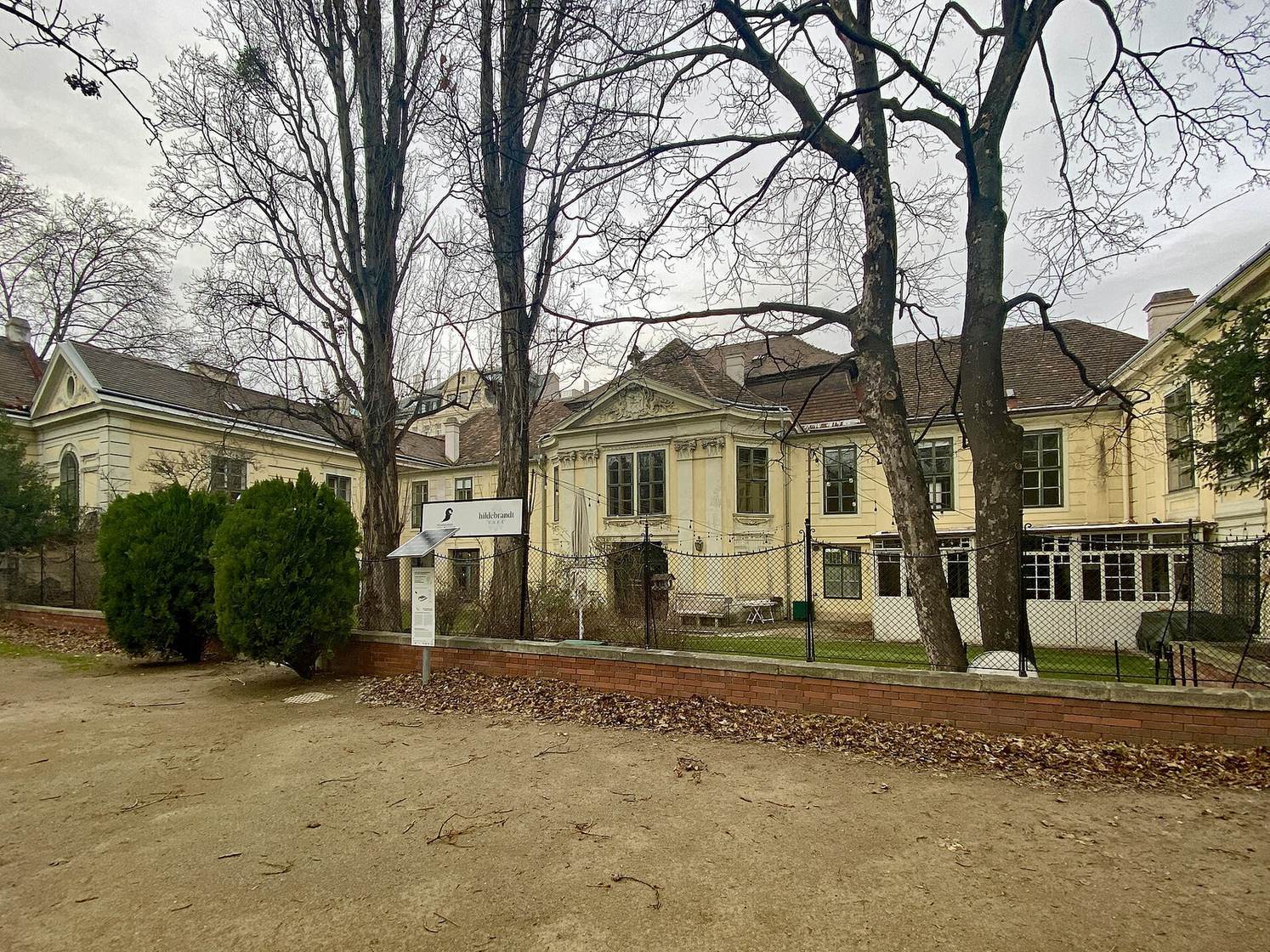
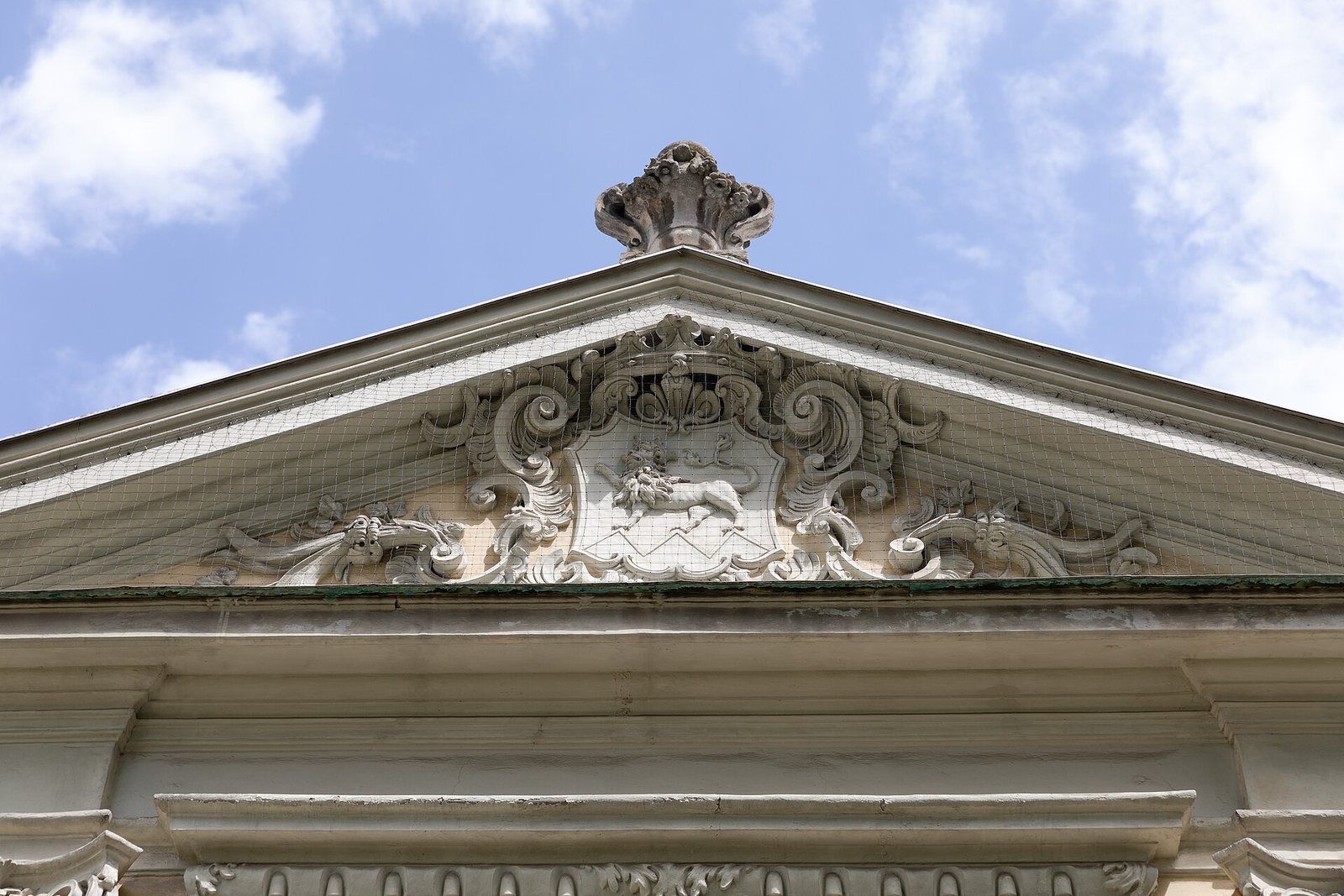
Gartenpalais Schönborn is an early eighteenth-century garden palace in Vienna, Austria, built in the Baroque style, a European artistic and architectural period known for elaborate forms and decoration. Friedrich Carl von Schönborn, a German ecclesiastical prince and statesman, commissioned it in 1706 after becoming Imperial Vice-Chancellor, a senior administrative officer in the Holy Roman Empire. He later became Prince-Bishop of Bamberg and Würzburg, an office combining a bishop’s religious role with secular rule. Architect Lukas von Hildebrandt designed the palace, and Franz Jänggl supervised the building work. Construction began in 1711, and the palace was completed in 1714.
Enlargement and cultural life
Schönborn enlarged the house and garden after acquiring adjoining land in 1725. The palace became known for its painting collection and the cultivation of tulips. The collection included Rembrandt’s The Blinding of Samson. After Schönborn’s death, much of the furniture and many paintings were transferred to his residence on Renngasse and later sold.
Rental, theatre, and the shrinking garden
From about 1750, the palace was rented to residents that included Canevale, a court architect, meaning an architect employed by a ruler’s court. In 1841, Baroness Amalia Pasqualati established an amateur theatre and a theatre school in the building. Around this period, the garden was gradually sold off and built over.
Municipal ownership and later institutions
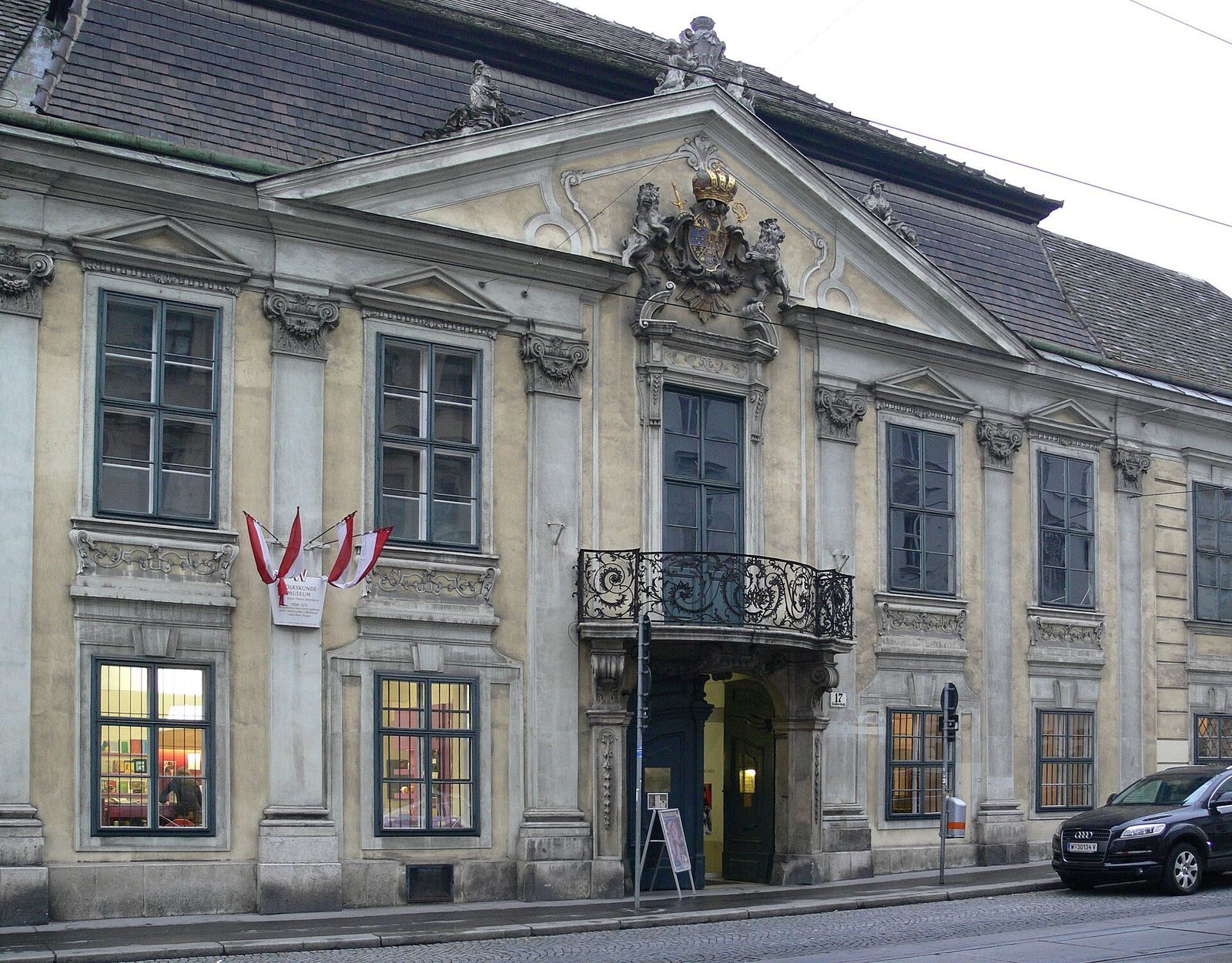
The City of Vienna acquired the palace in 1862 and carried out a major restoration. The remaining garden was opened to the public. In 1872, the building passed to the newly founded College of Agriculture. After the college moved out, the Imperial-Royal Higher Regional Court, a senior court in the Austrian lands of the Habsburg monarchy, occupied it from 1897. The Austrian Museum of Folk Life and Folk Art, devoted to folk culture and art, has been based in the palace since 1917.
Remains
The palace and its garden were conceived as a Baroque ensemble, with a formal garden behind the building. The surviving features include elements of the palace interior and part of the former garden.
Palace and garden features
Palace interior
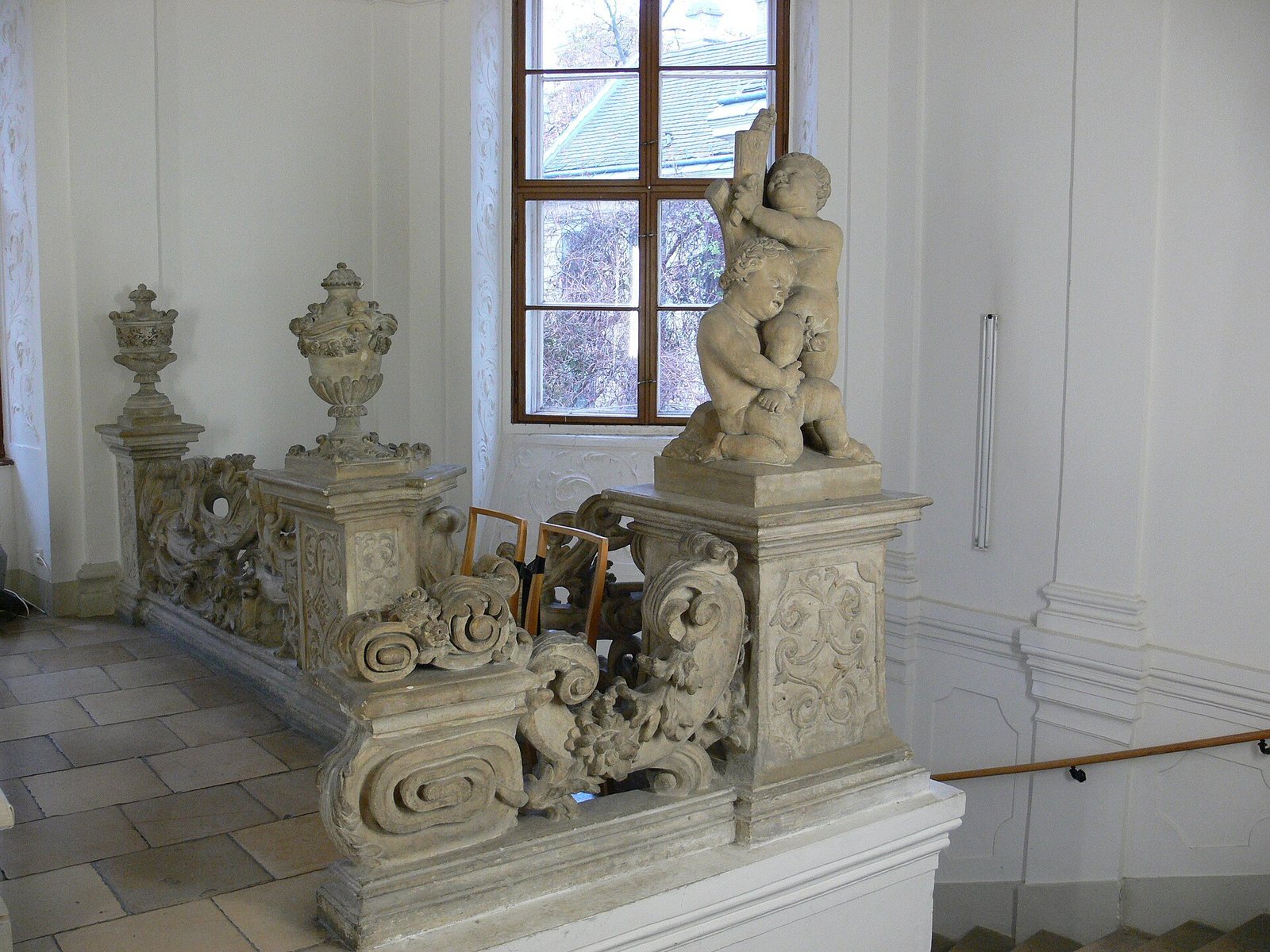
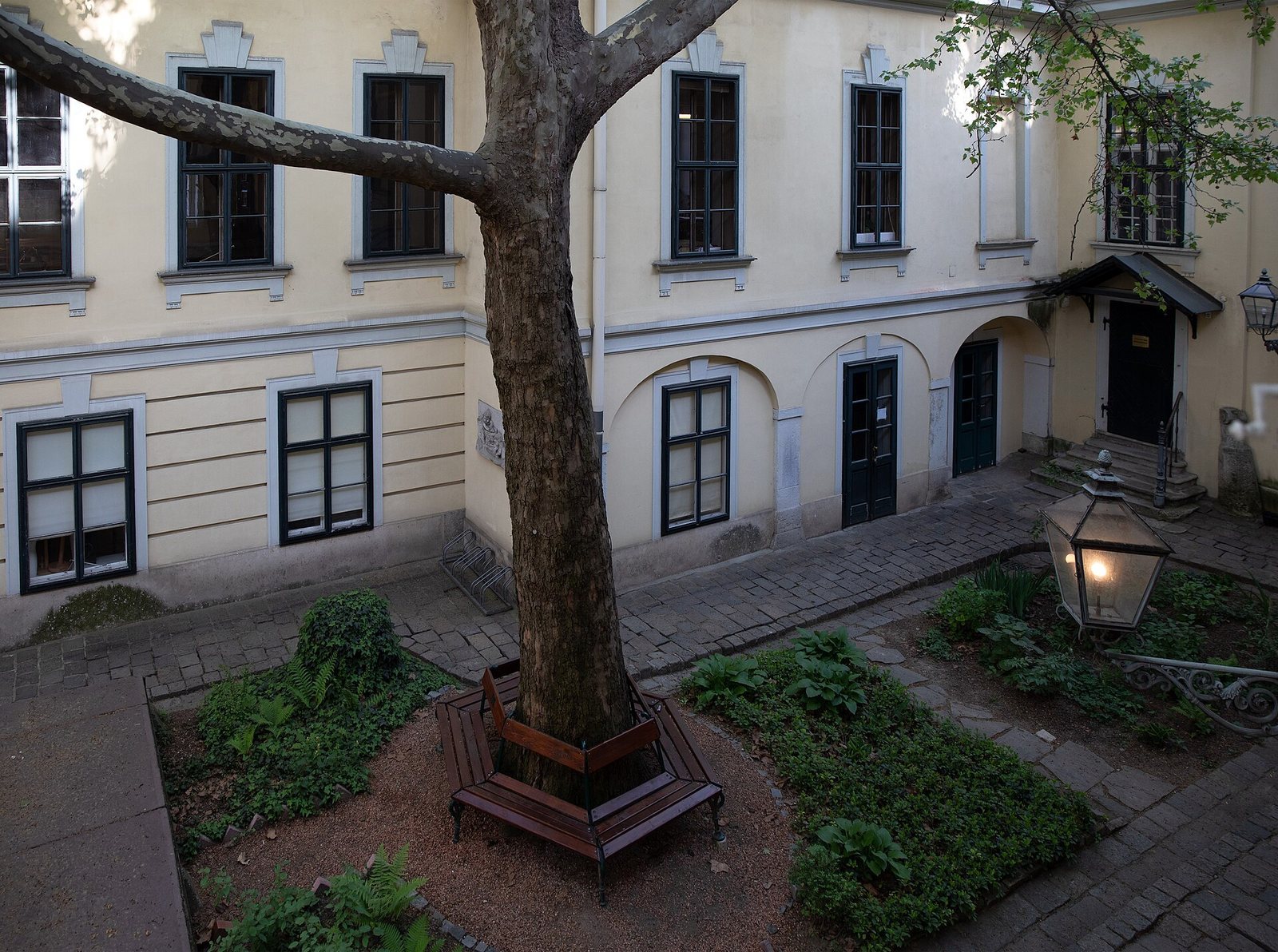
The palace’s elaborately designed staircase has two flights, with steps made from Kaiserstein, a hard limestone quarried at Kaisersteinbruch. Its interior was lavishly appointed. Features include a hall with historic furnishings and a ceiling painting, as well as a roof truss. A mask associated with the palace is held by the Austrian Museum of Folk Life and Folk Art.
Former garden
An engraving made around 1737 depicts the garden as narrow and elongated, with a sightline ending at a grotto pavilion. The pavilion is said to have served as a model for the Wall Pavilion of Dresden’s Baroque Zwinger complex. The garden’s upper section contained a theatre parterre, a formal garden area, decorated with eight figures from Commedia dell’arte, an Italian comic theatre tradition built around stock characters. Part of the former garden is now the municipal Schönbornpark.