Brécourt Castle: A Seventeenth-Century Residence in Normandy
Site at a Glance
- Popularity
- Medium
- Country
- France
- Primary era
- Early Modern
- Eras represented
- Medieval, Early Modern
- Civilizations
- French
- Site type
- Domestic
- Remains
- Castle
On this page5 sections
History
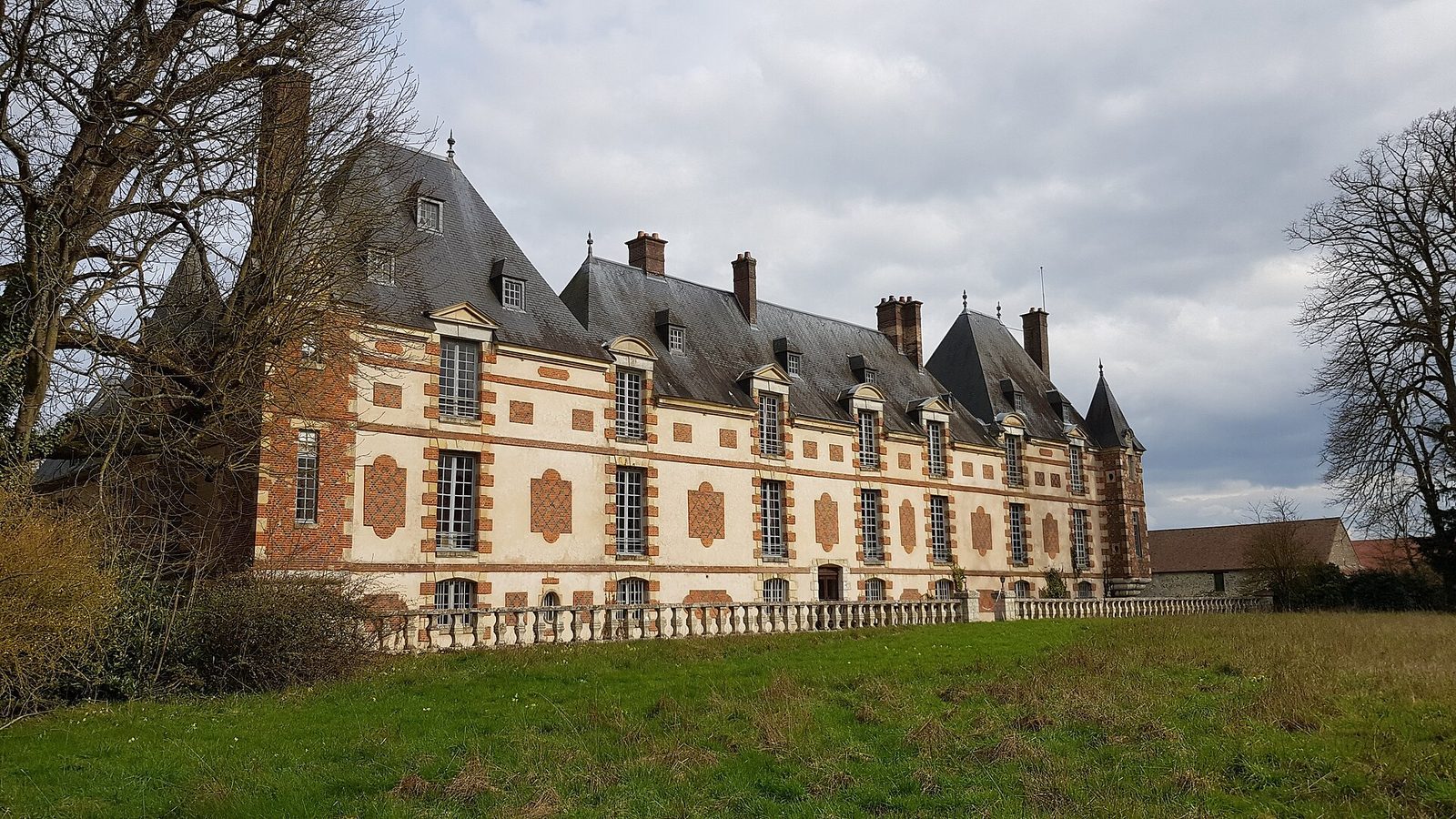
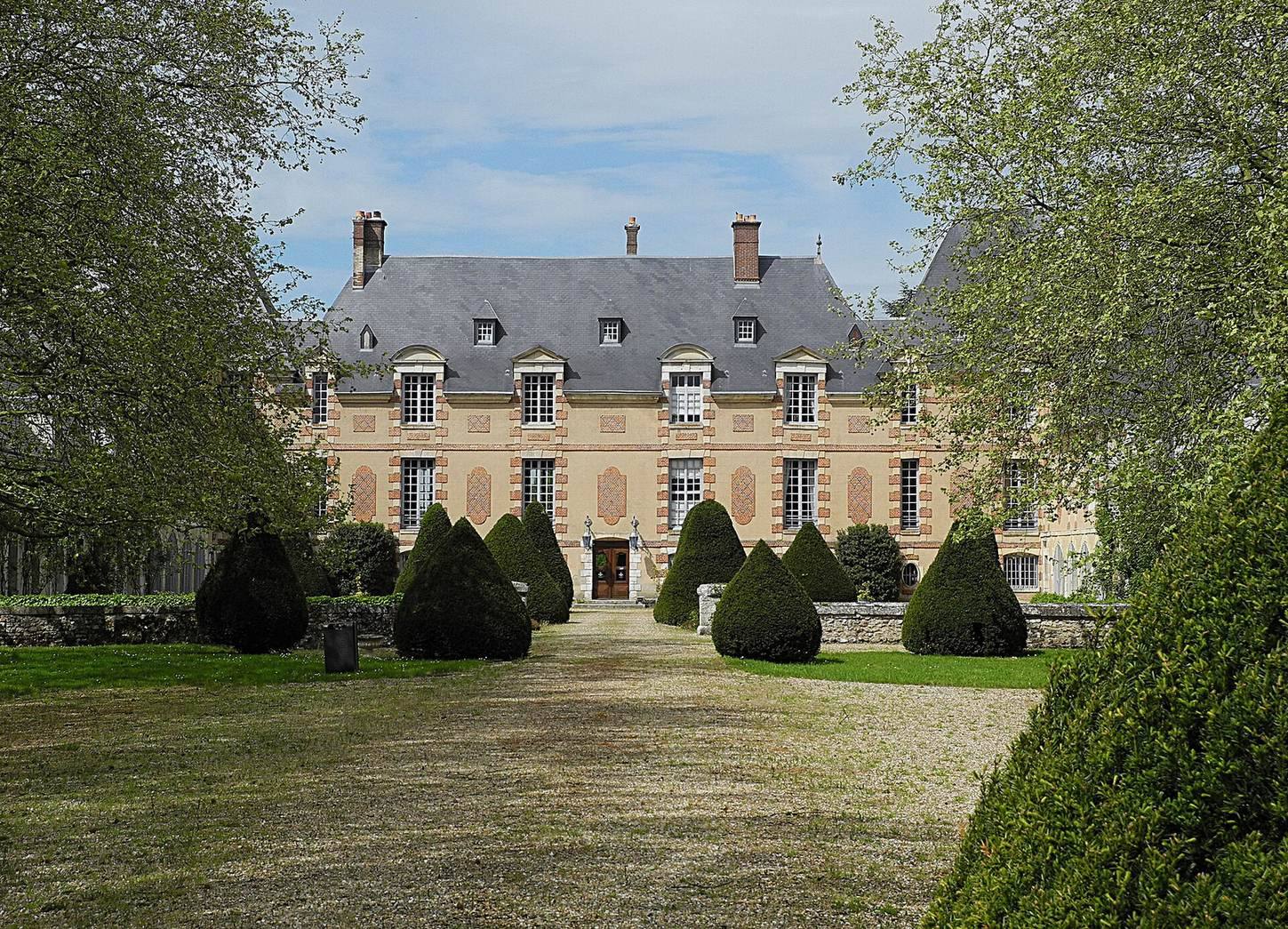
Brécourt Castle is a seventeenth-century residence in Douains, Normandy, France, built around 1625 for Jean Jubert de Brécourt, a member of the local Jubert de Bouville family and a councillor of the Grand Council, the French monarchy’s royal judicial body.
The earlier castle and new residence
A castle stood on the site before the present building. Robert de Brécourt was born there and took his name from it. He served as bishop of Évreux, the senior cleric responsible for the diocese, from 1340 to 1374. The architect commissioned for Jean Jubert de Brécourt’s residence also received a commission for Château des Prévanches, built for Jean’s brother-in-law, Louis de Mézières.
The Battle of Brécourt
In 1793, Federalists opposed to the authority of the National Convention, the revolutionary assembly governing France, camped at Brécourt. Convention forces defeated them and then plundered the château.
Ownership and modern use
The château became the property of Catherine-Dominique de Pérignon, a French military officer and Marshal of France, in 1802. American diplomat Norman Armour acquired it in 1930, and Mrs. Strauss-Von-Haban, née de Gunzbourg, became its owner in 1939. An order dated 28 June 1967 placed part of the château on France’s historic-monument register, which gives designated historic buildings and sites legal protection.
In 1979, the château was converted into a luxury hotel and restaurant, and later became part of a group managed by Philippe Savry. The prefecture closed it in 2009 over safety concerns, including accessibility, electrical systems, and the fire alarm. It then stood abandoned for nine years. A Swiss entrepreneur acquired it in 2018, with restoration and reopening planned; by 2021, it was again for sale.
Remains
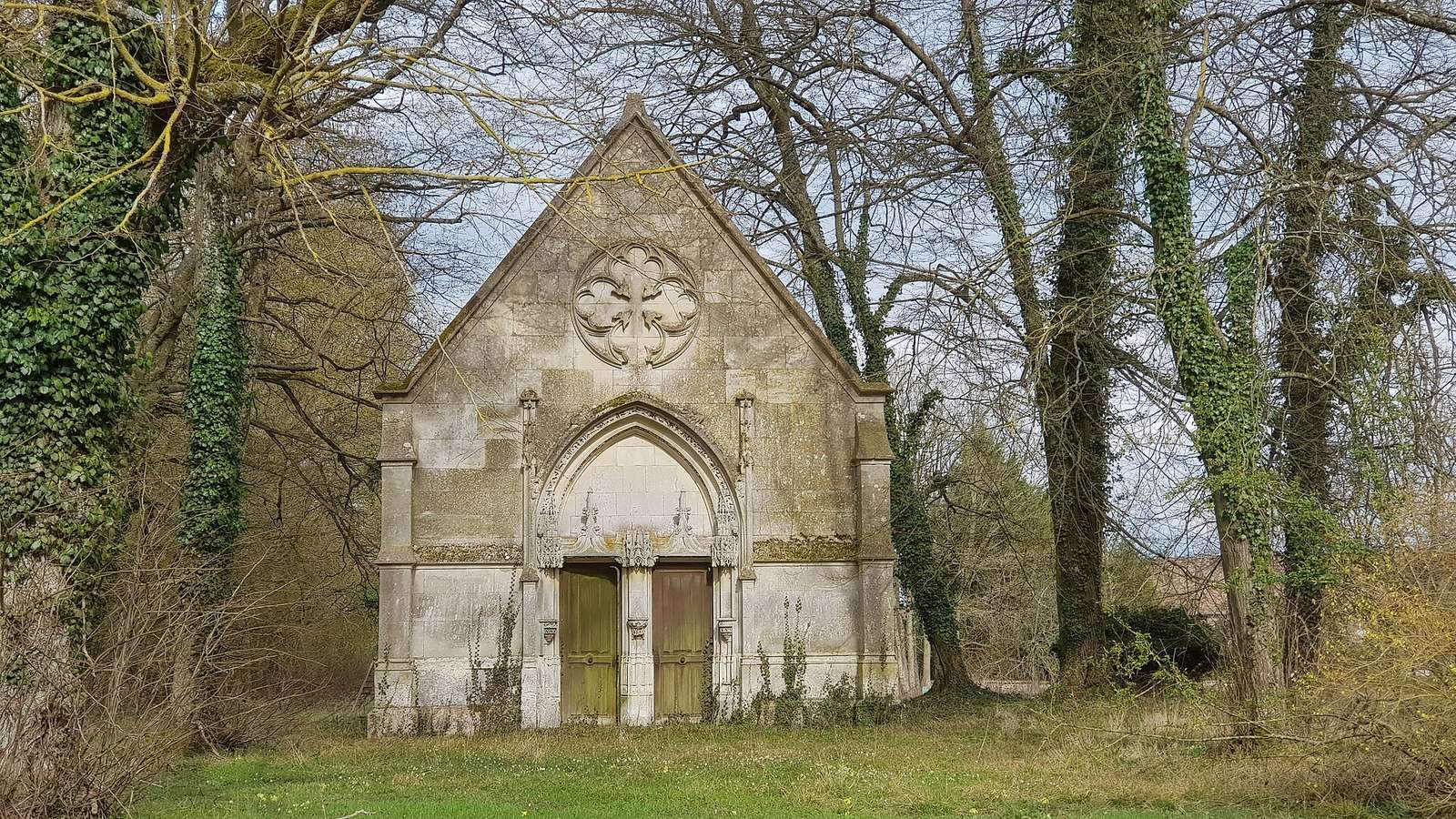
The château stands within a large wooded park and is built of stone and brick. A moat surrounds the building. The grounds include a forecourt, an access bridge with its moat, and a main courtyard.
The architectural ensemble includes the château’s façades and roofs, its outbuildings, and the surrounding moats. These features form the surviving built complex within the grounds.