Cheffontaines Castle: An Eighteenth-Century Residence in Brittany
Site at a Glance
- Popularity
- Medium
- Country
- France
- Primary era
- Early Modern
- Eras represented
- Early Modern
- Civilizations
- French
- Site type
- Domestic
- Remains
- Castle
On this page8 sections
History
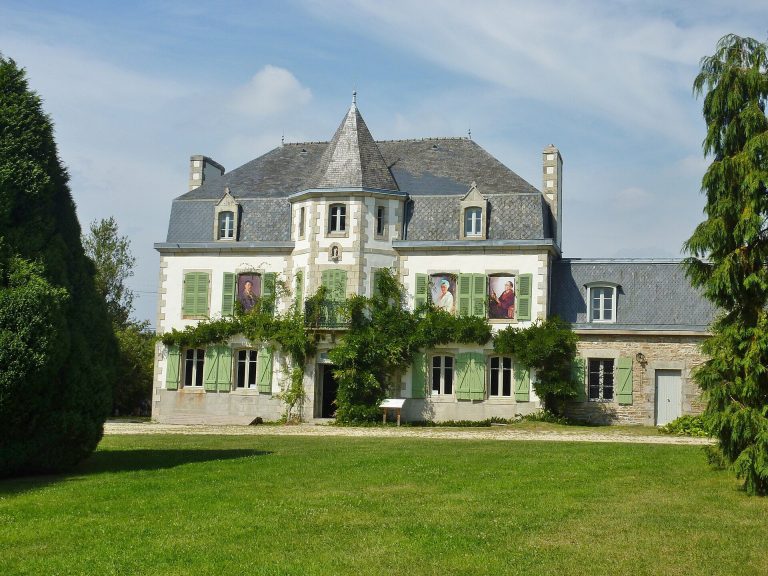
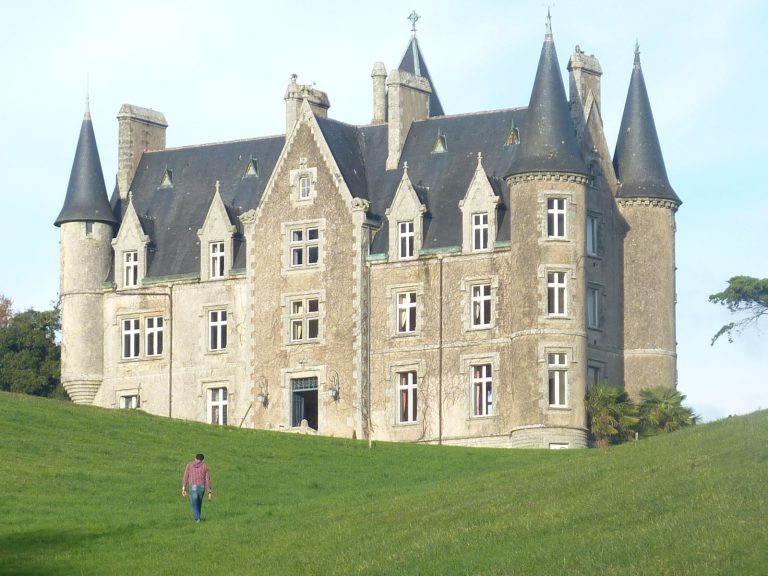
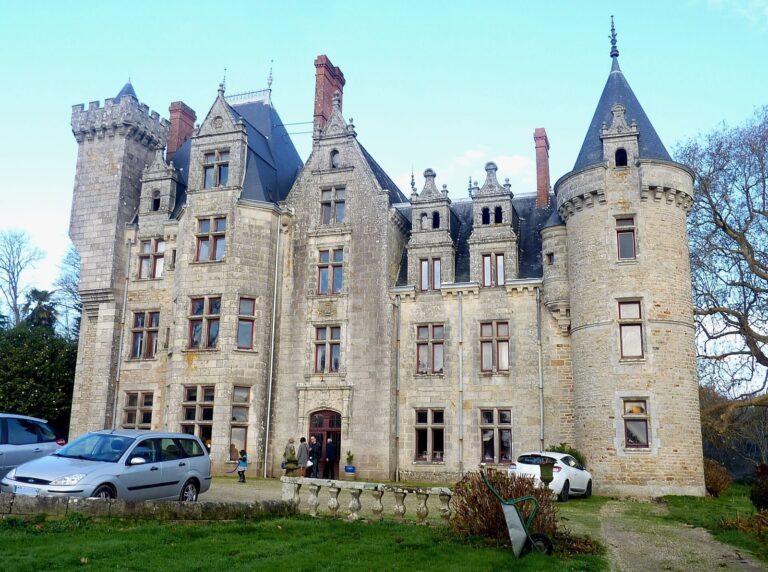
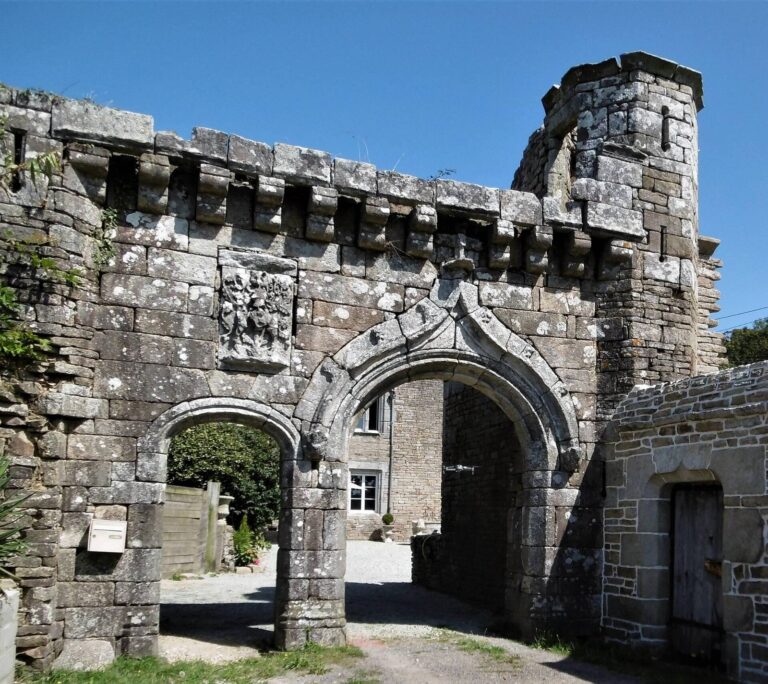
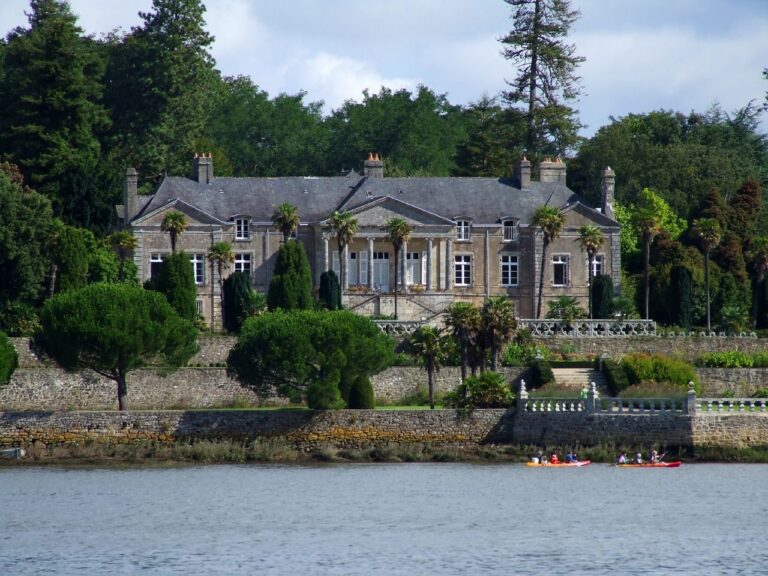
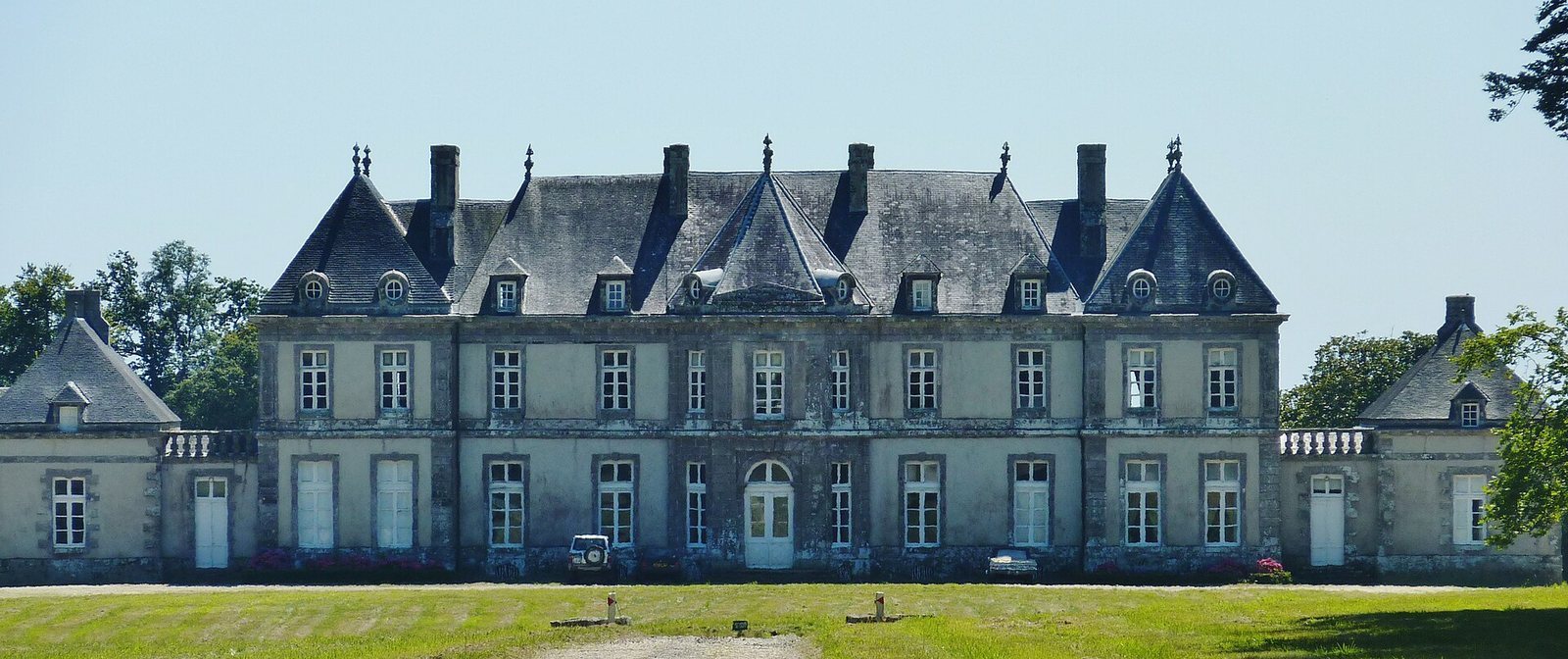
Cheffontaines Castle is an eighteenth-century residence in Clohars-Fouesnant, Finistère, France. Construction began in 1770 and ended in 1788. The building follows the Louis XV style, a French architectural and decorative style associated with the reign of Louis XV (1715–1774). Its first owner was Jonathas I Marie Hyacinthe de Penfentenyo, known by the courtesy title Marquis de Cheffontaines.
Residence of the marquises
The marquises kept a pack of dogs used for purposes including wolf hunting. When Jonathas and his family emigrated, the dogs were abandoned and left to starve. The episode gave rise to the expression “to howl like the dogs of Cheffontaines,” long used in Clohars-Fouesnant.
Revolution and changing ownership
During the French Revolution, the political upheaval that began in 1789, the state confiscated the castle as national property, meaning property seized for sale by the revolutionary government. After it was sold, ownership passed in turn to Paul Célarier Damiguet de Vernon; Aimé-Désiré Calloch de Kérillis, a Musketeer of the royal guard, a military unit attached to the French royal household, during the early Restoration, when the Bourbon monarchy returned after Napoleon; Étienne Le Bourhis; and Hyacinthe Quemper de Lanascol. Calloch de Kérillis was mayor of Clohars-Fouesnant from 1821 to 1823. In 1834, Le Bourhis received permission to establish a Prussian-blue factory at the château, producing a synthetic blue pigment. The Penfentenyo family bought the property back in 1860.
War and heritage protection
During the Second World War, the castle escaped German requisition because the Marquis’s wife was Swiss and Switzerland was neutral. Beech trees along the avenue were cut down to create a landing strip, but it was never used; beech trees were planted again in the early 1950s.
The château was listed as a historic monument in 1928. In 1958, the main residence received the stronger French classification, while the other parts retained listed status. The park was classified as a site in 1959.
Remains
Layout and grounds
The estate combines a malouinière, a country-house type associated with Saint-Malo’s maritime elite, with a park and a long approach avenue.
Residence and pavilions
The main building has a simple plan, flanked by two large pavilions. Two smaller pavilions accompany them, one serving as a chapel and the other as a library.
Park and avenue
Laid out in the late eighteenth century, the park includes a pond. A 1.7-kilometre avenue runs in front of the château.