Huis Overvoorde: A Country Estate in Rijswijk
Site at a Glance
- Popularity
- Medium
- Country
- Netherlands
- Primary era
- Early Modern
- Eras represented
- Early Modern, Modern
- Civilizations
- Dutch, German
- Site type
- Domestic
- Remains
- Manor House
On this page9 sections
History
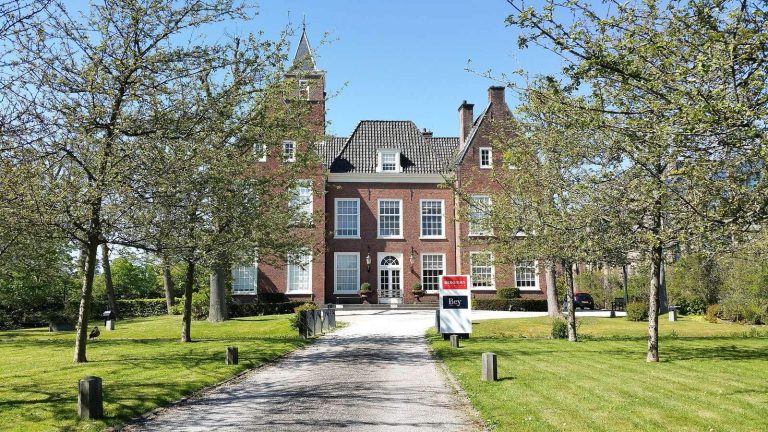
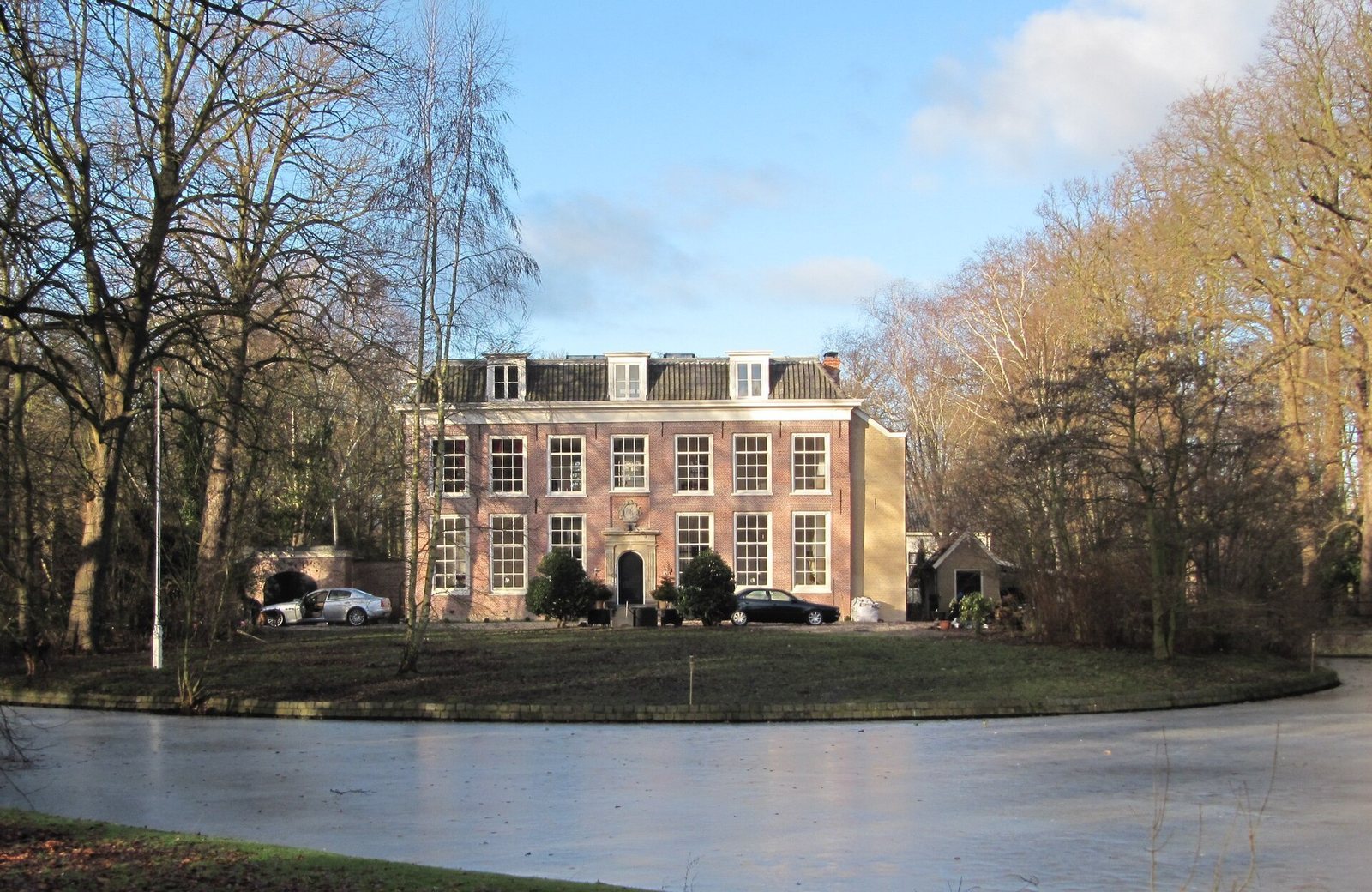
Huis Overvoorde is a country estate in Rijswijk, Netherlands, established in 1623 when Ewout van der Dussen built its manor house. It became one of the country houses along the Zandweg, a sandy ridge considered suitable for building.
Origins and foundation
The Overvoort family name was present in Rijswijk by the twelfth century, and later members of the local well-born class also bore it. The estate itself arose much later. Its founders probably took the name Overvoorde from a medieval estate transferred to Rijnsburg Abbey, a monastery governed by an abbot or abbess, in 1289.
In 1559, Delft mayor Jan Jacobsz van Hogenhouck acquired land at the site from Otger Cornelis. His daughter Alide married Jacob Ewoutsz. van der Dussen, another Delft civic official. Their son Ewout established the country estate and built its manor house in 1623.
Van der Dussen and Van Vredenburch ownership
The Van der Dussen family retained the estate until 1777, when it passed by inheritance to Jacob van Vredenburch. The following year, he expanded it with land from neighboring Outshoorn. He also established De Voorde and bought nearby Steenvoorde in 1802. His son Johan Willem, Rijswijk’s first mayor after the period of French influence and rule around the turn of the nineteenth century, substantially shaped the estate’s later appearance.
The Zandweg, now Van Vredenburchweg, also carried social prestige because stadholder Frederik Hendrik had built Huis ter Nieuwburg there. A stadholder was a senior officeholder in the Dutch Republic who could exercise political and military leadership. Near the road’s end, the Oude Watering stream could be crossed at a ford, a shallow crossing place. Overvoorde’s name, like those of several nearby country houses, probably refers to this crossing.
Twentieth-century changes
The Van Vredenburch family owned Overvoorde until 1931. In 1921, Jac. van Ginneken rented the house for the Vrouwen van Nazareth, a lay religious movement whose members were not clergy. The group moved to nearby De Voorde in 1926. The municipality of The Hague bought the vacant estate in 1931.
German forces built bunkers in the park during the Second World War. After the war, the house served as a youth center and conference venue. It later returned to private ownership and residential use, and the estate was restored. The municipality of The Hague subsequently sold the surrounding park to Rijswijk. The house, bridges, and park are Dutch national monuments, a status recognizing and protecting heritage sites at the national level.
Remains
The estate’s layout includes a six-hectare island shaped like a coat of arms, reached by monumental bridges. Its grounds follow the English landscape style, with naturalistic-looking scenery rather than the strong geometry of formal gardens.
Manor house
The manor house was substantially altered in the eighteenth and nineteenth centuries.
Bridges and entrance
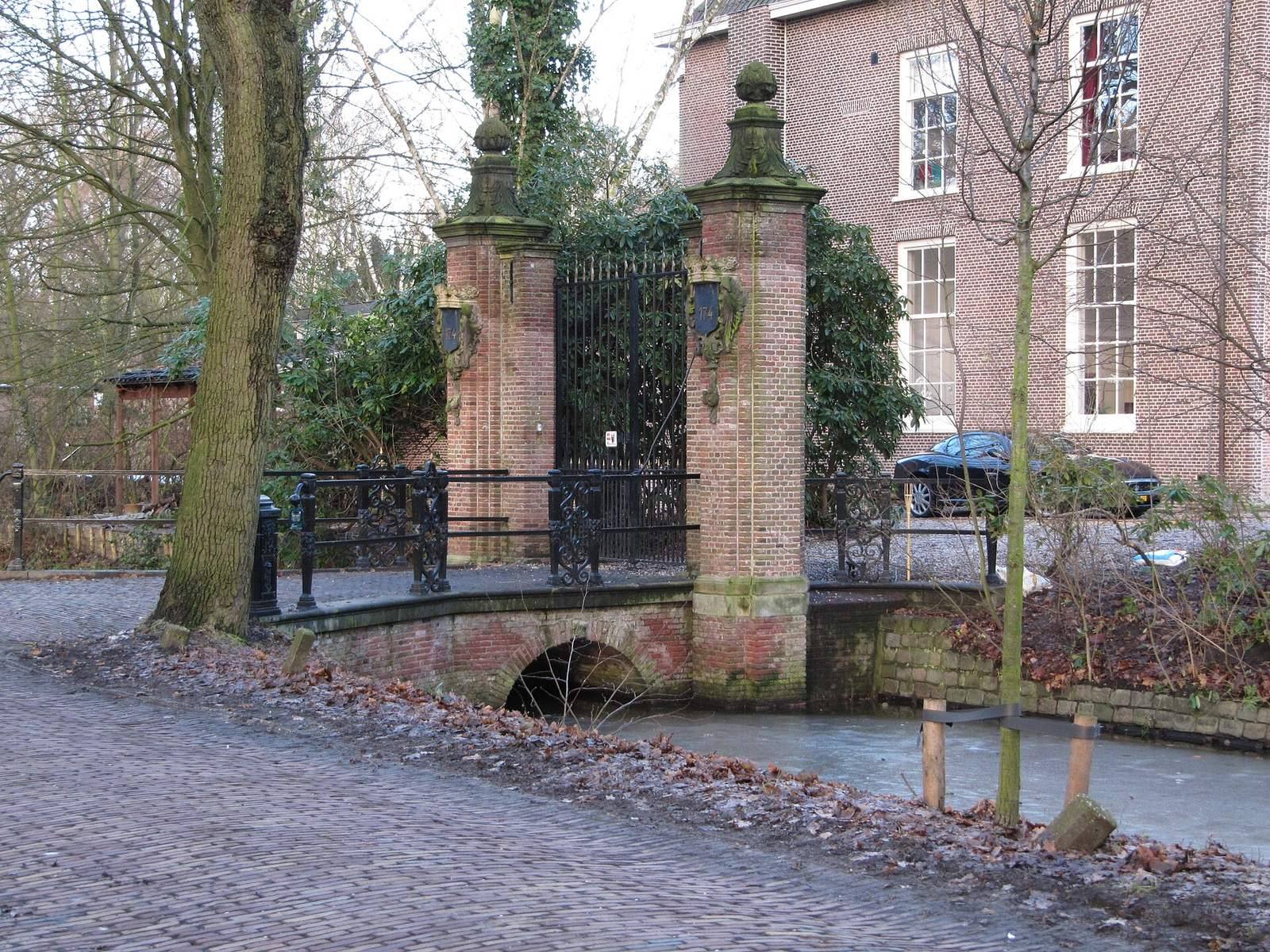
The access bridges date to the early eighteenth century. An entrance gate stands at the bridge. The municipal arms replaced the Van Vredenburch family arms there for a time, and the family arms were later restored to the entrance bridge.
Landscape grounds
The grounds contain many old trees. Woodland around the island is publicly accessible and forms part of the public parks of Overvoorde, De Voorde, and Steenvoorde.
Bunker complex
Some of the park’s bunkers were removed after the war. In the late 1960s, the Dutch Civil Protection organization, a civilian body responsible for protecting the population during emergencies, added a large nuclear bunker. Parts of the complex were also used by the organization. The remaining complex now houses the Museum of Civil Protection.