Grão-Pará Palace: A Neoclassical Imperial Residence
Site at a Glance
- Popularity
- High
- Country
- Brazil
- Primary era
- Modern
- Eras represented
- Modern
- Civilizations
- Unclassified
- Site type
- Domestic
- Remains
- Palace
On this page5 sections
History
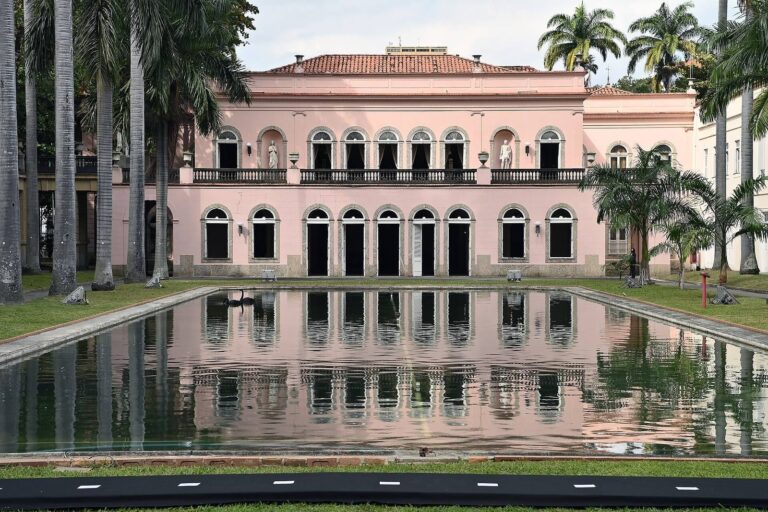
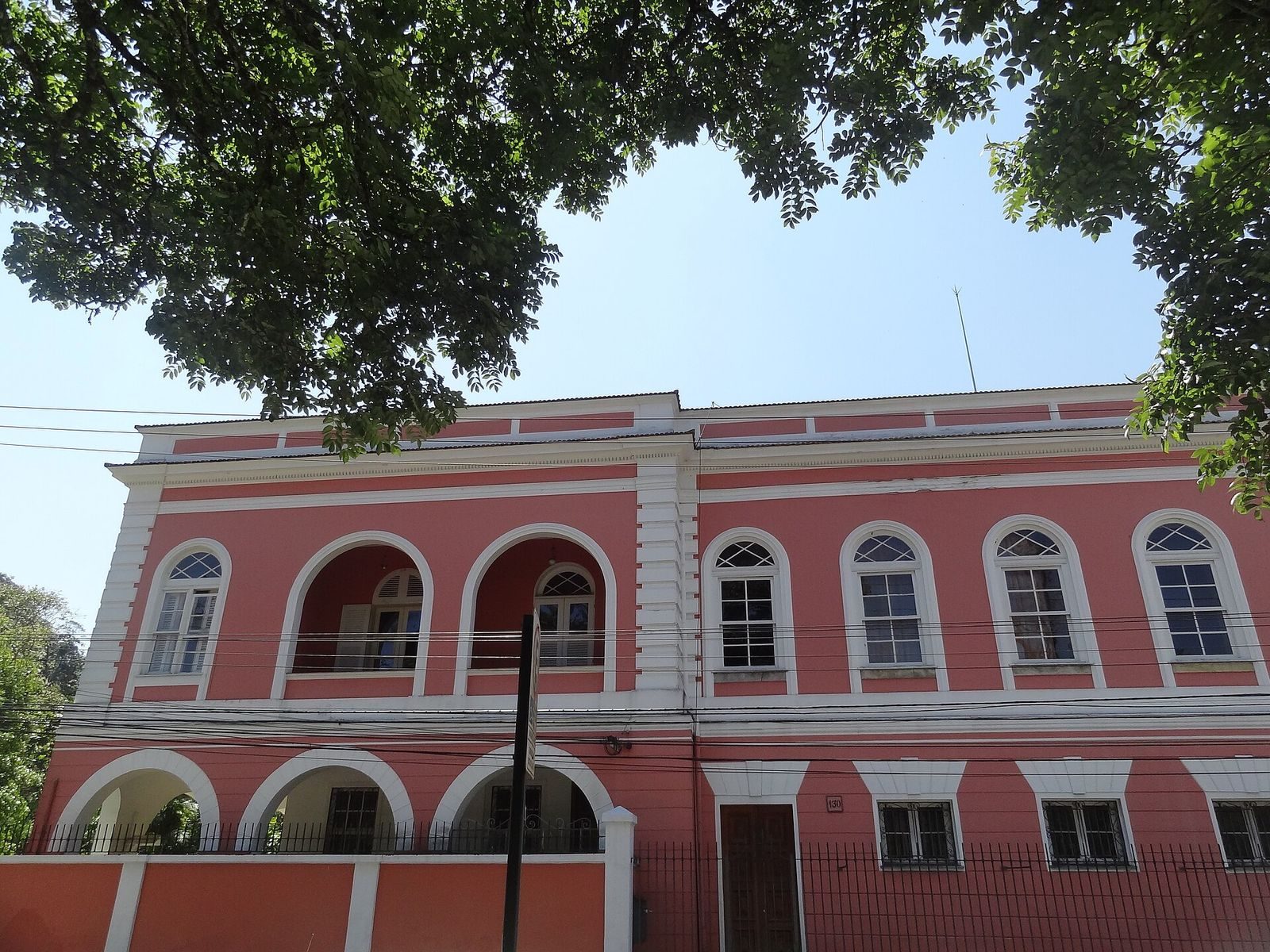
Grão-Pará Palace stands in Petrópolis, Brazil, and was built between 1859 and 1861. Its Neoclassical architecture draws on Greek and Roman forms. The building served the Imperial Court and later became a residence for members of Brazil’s imperial family.
Imperial service and republican use
At first, the palace accommodated seminarians and priests attached to the Imperial Court. During the Empire, it also housed councilors and members of representative families who took turns serving Emperor Pedro II and his household.
After the Empire ended, Brazil entered the Old Republic, its early republican period. The palace then housed the Court of Justice, followed by the Luso-Brazilian College. It also served as the residence of Edwin V. Morgan, who was U.S. ambassador to Brazil from 1912 to 1933.
Return to the imperial family
In 1921, a ban on Brazil’s imperial family was repealed and ownership of the palace returned to the family. It became the home of Pedro de Alcântara, the eldest son of Isabel, Pedro II’s daughter. Pedro held the title Prince of Grão-Pará, traditionally borne by the heir apparent to Brazil’s imperial throne. He gave up his position as heir in order to marry someone outside the royal family. The palace then passed to his brother, Prince Luiz of Orléans-Braganza, whom the family recognized as Isabel’s heir. After Luiz’s death, it became the residence of Pedro de Alcântara’s eldest son, Prince Pedro Gastão.
Imperial family residence
Brazil’s National Historical and Artistic Heritage Institute registered the palace in 1959. Since 27 December 2007, it has been the residence of Prince Pedro Carlos of Orléans-Braganza, Pedro Gastão’s eldest son. Pedro Carlos’s second son was born there, and his second wife died there. The palace is the only one still belonging to Brazil’s imperial family and the only royal palace in the Americas occupied by a royal family.
Remains
The palace stands behind the former summer Imperial Palace of Pedro II. Theodore Marx designed the building, with a contribution from the Brazilian artist and architect de Araújo Porto Alegre.