Fort de Buoux: A Medieval Castle and Fortified Site in France
Site at a Glance
- Popularity
- Medium
- Country
- France
- Primary era
- Medieval
- Eras represented
- Stone Age, Classical, Medieval, Early Modern
- Civilizations
- County of Provence, French, Roman
- Site type
- Military
- Remains
- Castle
On this page14 sections
History
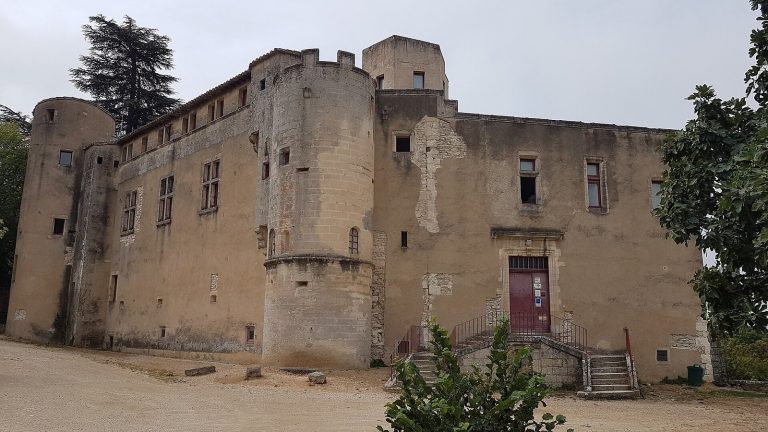
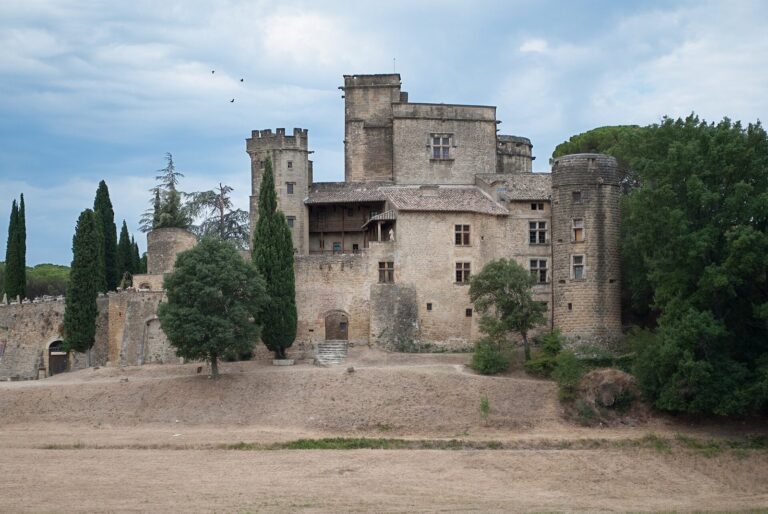
Fort de Buoux is a fortified site in France whose medieval castle was built in the 13th century. Its position controlled the only pass across the Luberon that could be traversed.
Prehistoric and ancient occupation
Habitation and fortification at the site began before a Celtic-Ligurian oppidum, or fortified settlement, developed there. A Roman castrum, a military fortification or camp, followed.
Medieval castle and later conflict
The 13th-century castle was built on the former settlement as a spur castle, set on a projecting ridge. It was long regarded as impregnable. In the 16th century, Huguenots, French Protestants of the Reformed tradition, used it as a refuge.
Protestants captured the fort twice during the 17th century. Around 1660, Louis XIV, king of France from 1643 to 1715, ordered its demolition. Afterward, local inhabitants took stone from the ruins for use as a quarry.
The fort is described as restored and has been classified as a French historic monument since 16 December 1986.
Remains
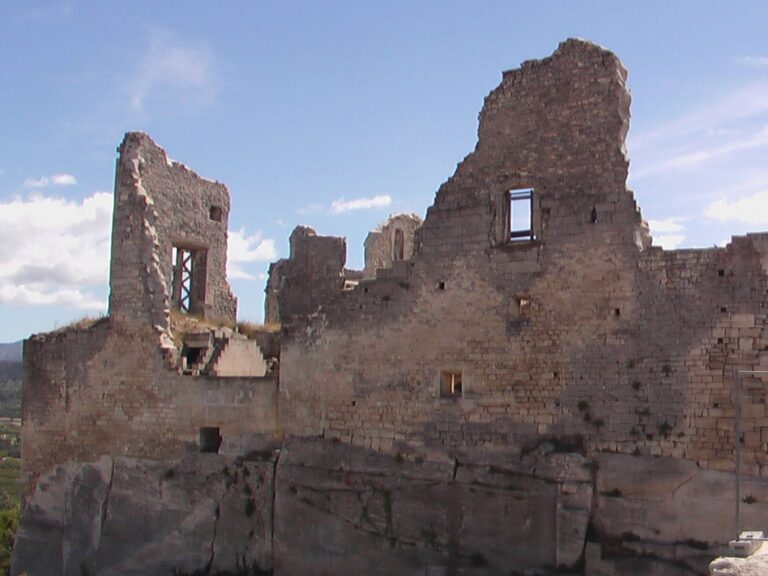
The site occupies a narrow, difficult-to-reach rocky spur on the northern side of the Grand Luberon. Its outcrop is about 500 metres long and 30 to 100 metres wide, on a base of molasse, sedimentary rock from eroded mountain material deposited in nearby basins. The rock layers formed from marine deposits more than 20 million years ago. Walls, towers, rock-cut passages and settlement remains occupy this rugged setting.
Approach and early features
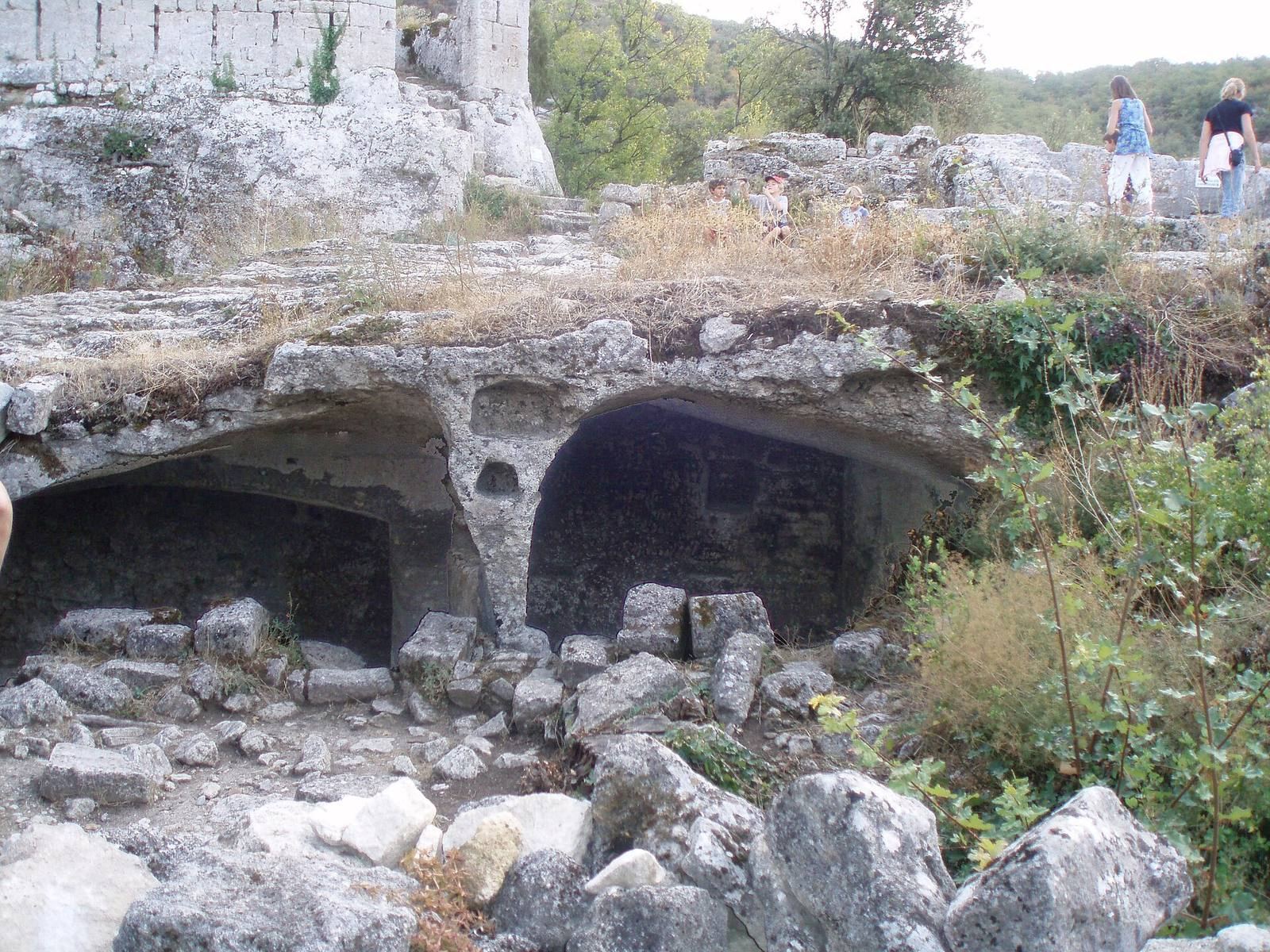
The approach follows an ancient road beneath a large rock overhang, then continues along a route cut into the stone to a first bastion and a round-arched entrance gate. It also passes through the Baume du Fort, a natural cave or rock shelter of about 800 square metres, probably used from the Neolithic, the later Stone Age associated with farming and settled communities. Flint tools found at the site support this dating. Neolithic hollows cut into the rock served as storage pits and burial places. A small country house and rock shelters stand before the entrance.
Fortifications
Defensive lines
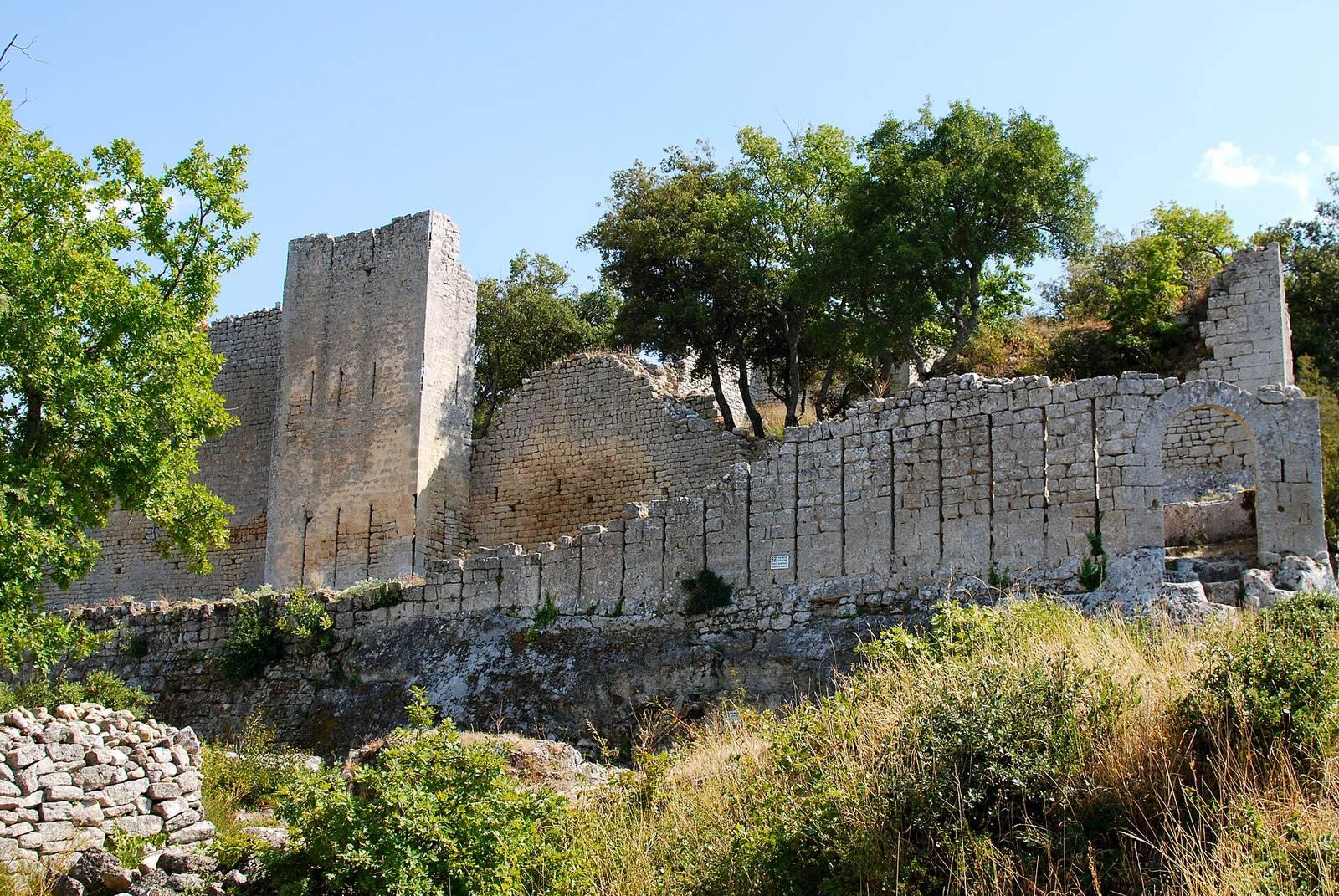
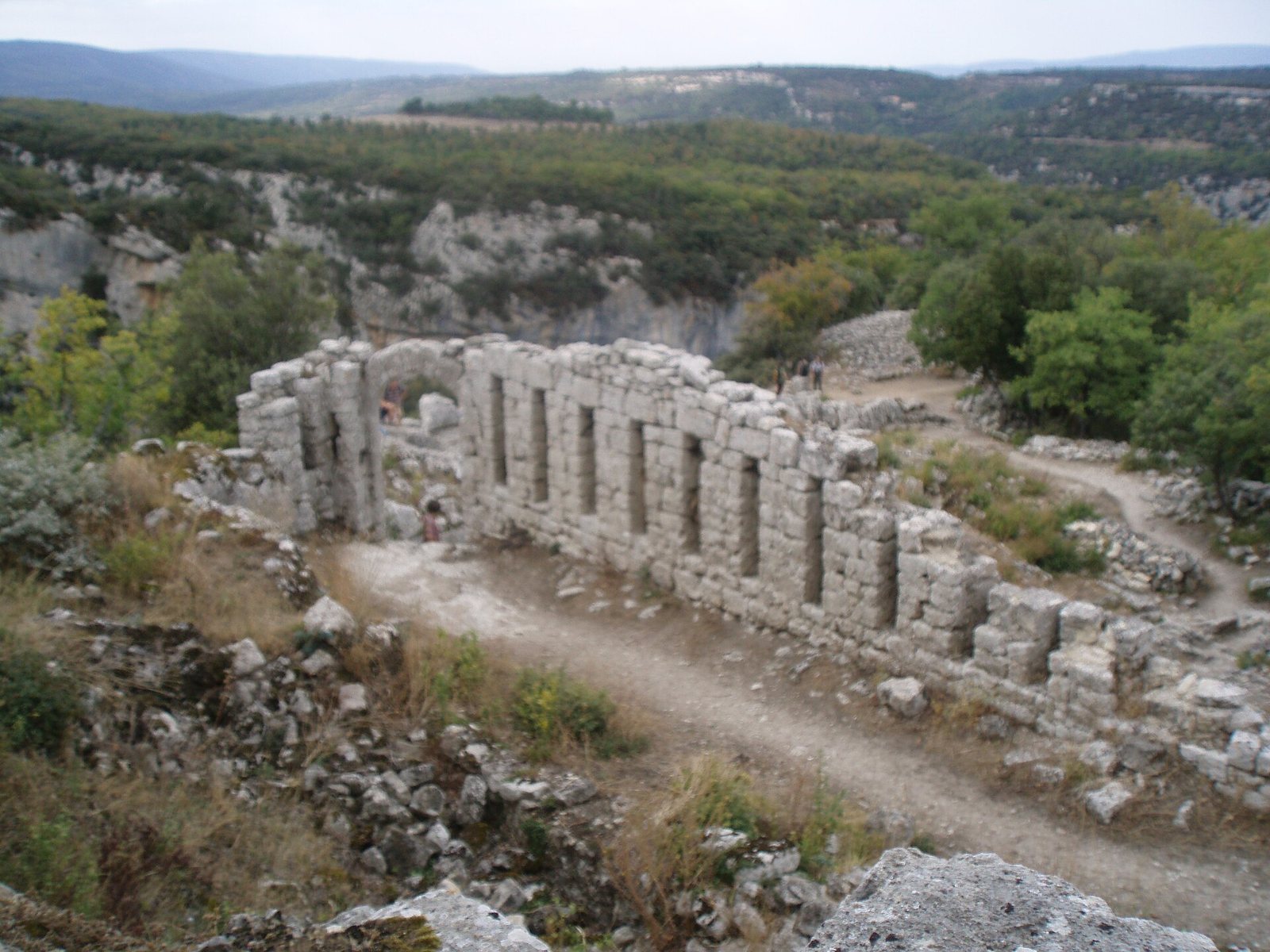
The fort’s defences have three lines, each protected by a ditch. The first wall has a raised gate and closely spaced arrow slits, narrow openings through which defenders could shoot. A square tower strengthens the tall second wall. The third wall occupies the space between two sheer cliffs. The enclosing ramparts date to the 16th century.
Entrances and supporting structures
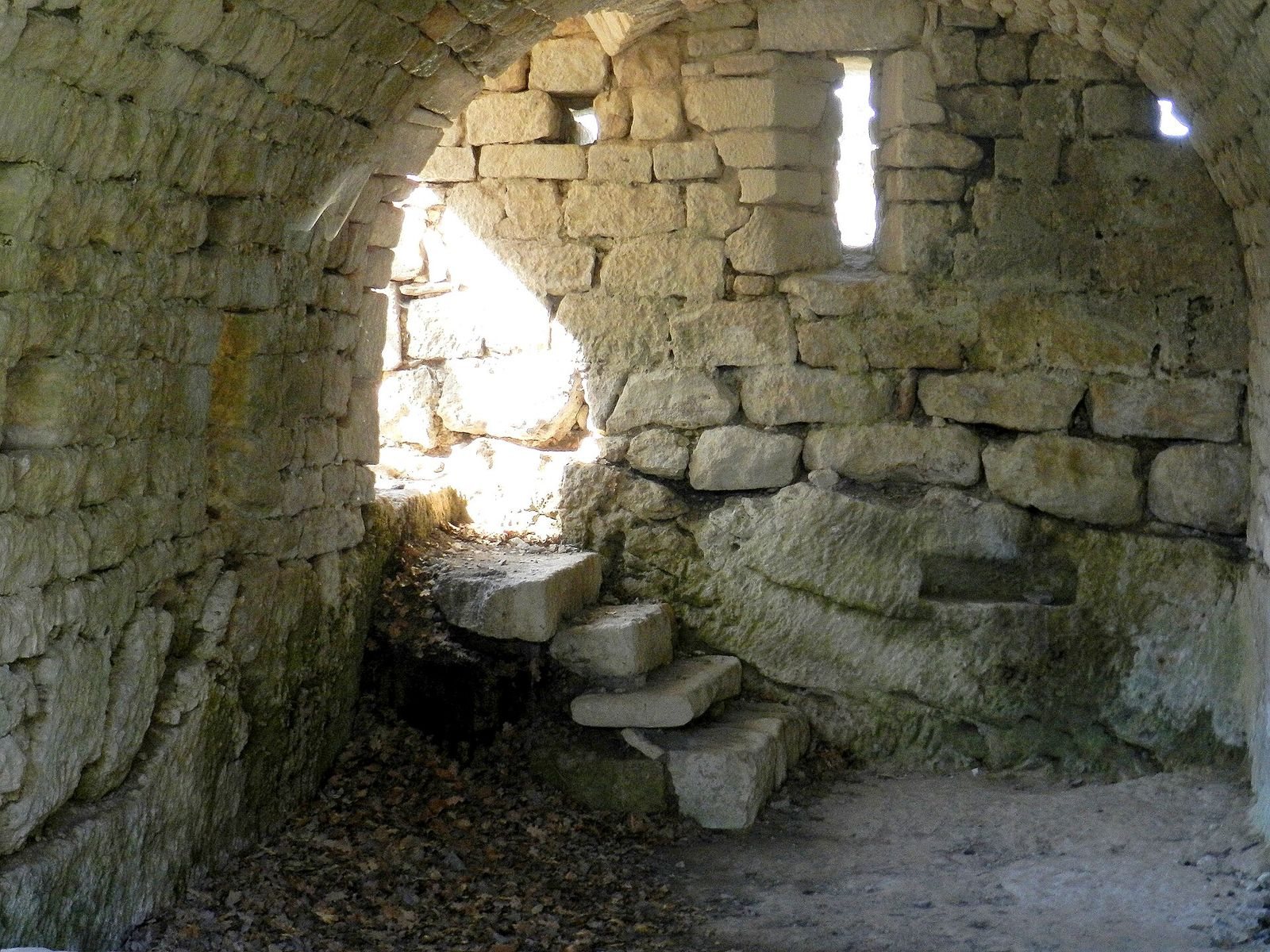
The ramparts include a 13th-century entrance gate, a corner tower and a watchtower. Other defensive features include a guardhouse, a drawbridge and a postern, a small secondary gate. A cistern, formerly covered by a vault, held 60,000 litres.
Village and domestic buildings
Settlement remains
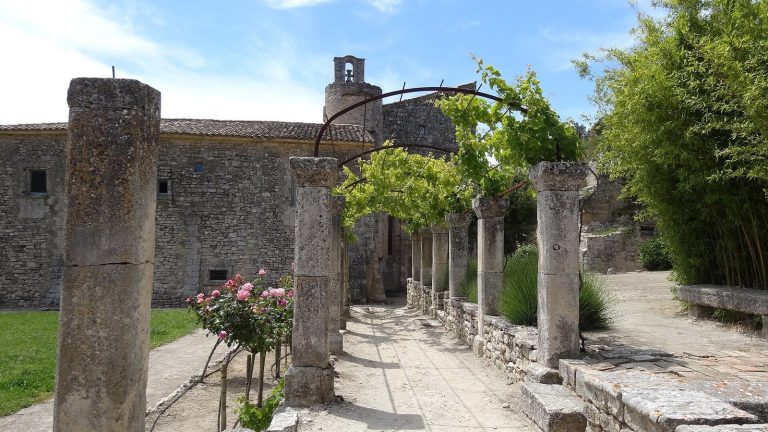
The medieval village’s protective walls follow the contours of the land. Its remains include storehouses, scattered wall sections and cave dwellings, as well as the village’s communal house. The site also contains the primitive village of Buoux.
House and storage area
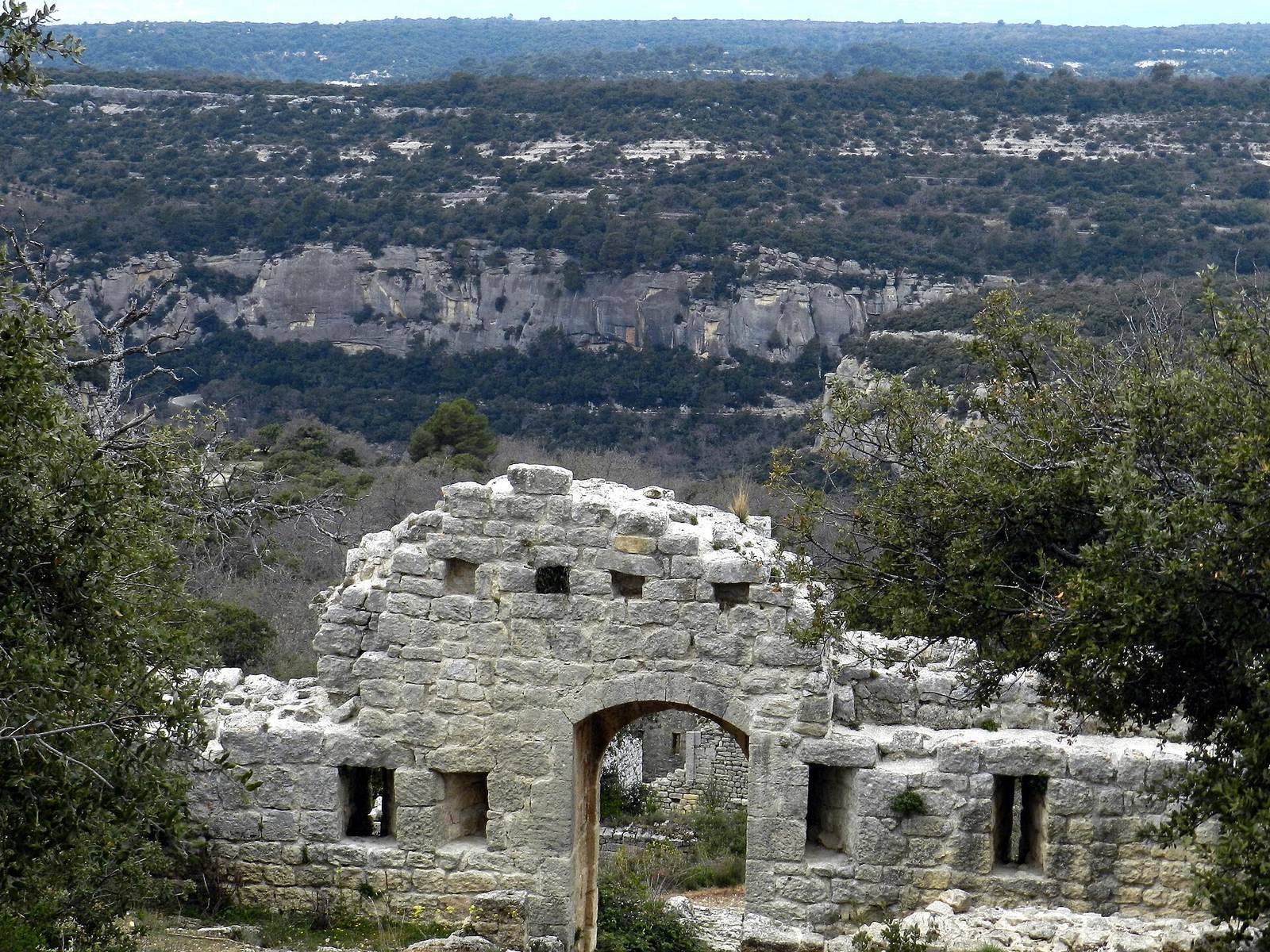
A 13th-century house has a round-arched doorway made from wedge-shaped stones. In front of the fort, a rocky area once covered by a roof contains thirteen silos cut into the stone and traces of a wine press. The silos are thought to have had stone covers. At their lower end, a postern leads to a concealed staircase. Its purpose is uncertain: it may have been part of the defences or served a cultural function in prehistory.
Church and principal tower
Church
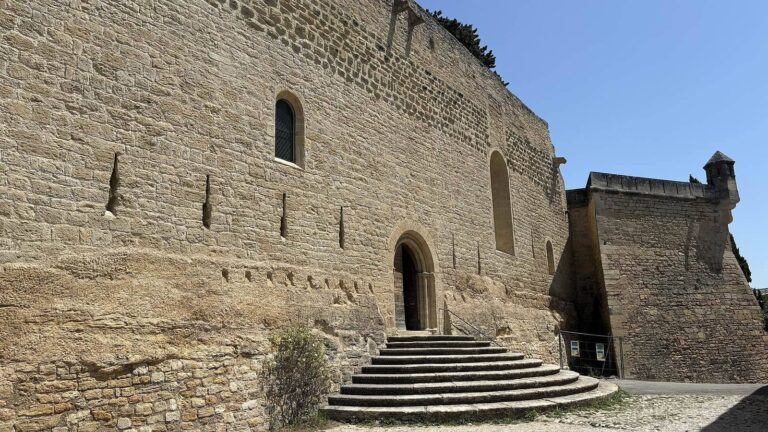
The 16th-century church includes architectural elements from different building periods. An inscription above its entrance read, "You who pass here, pass through me, for I am the gate of life."
Principal tower
The principal tower was originally built on three levels and overlooks a precipice up to 80 metres deep.