Grand-Bury Castle: A Nineteenth-Century Residence in France
Site at a Glance
- Popularity
- Medium
- Country
- France
- Primary era
- Modern
- Eras represented
- Modern
- Civilizations
- French
- Site type
- Domestic
- Remains
- Elite Residence
On this page4 sections
History
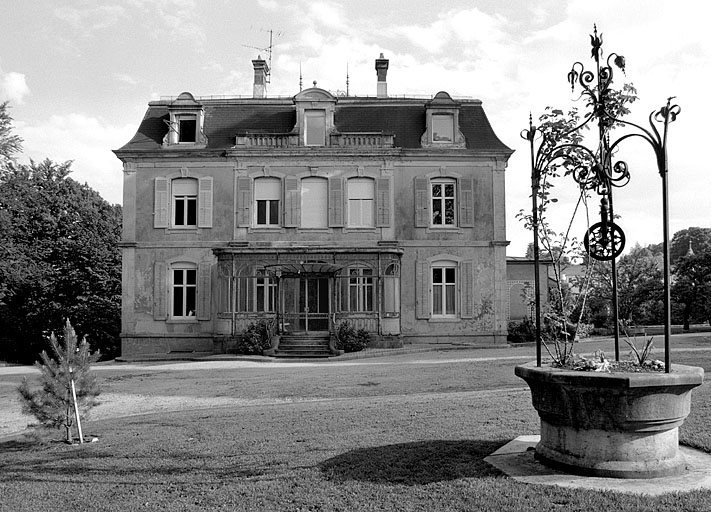
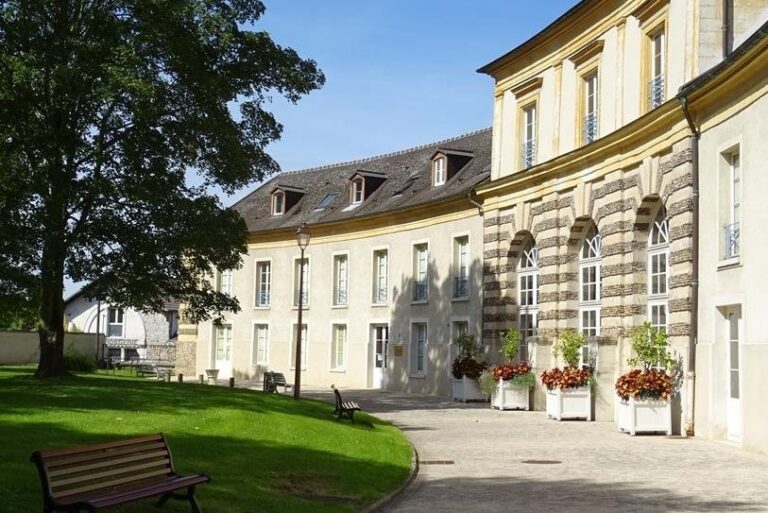
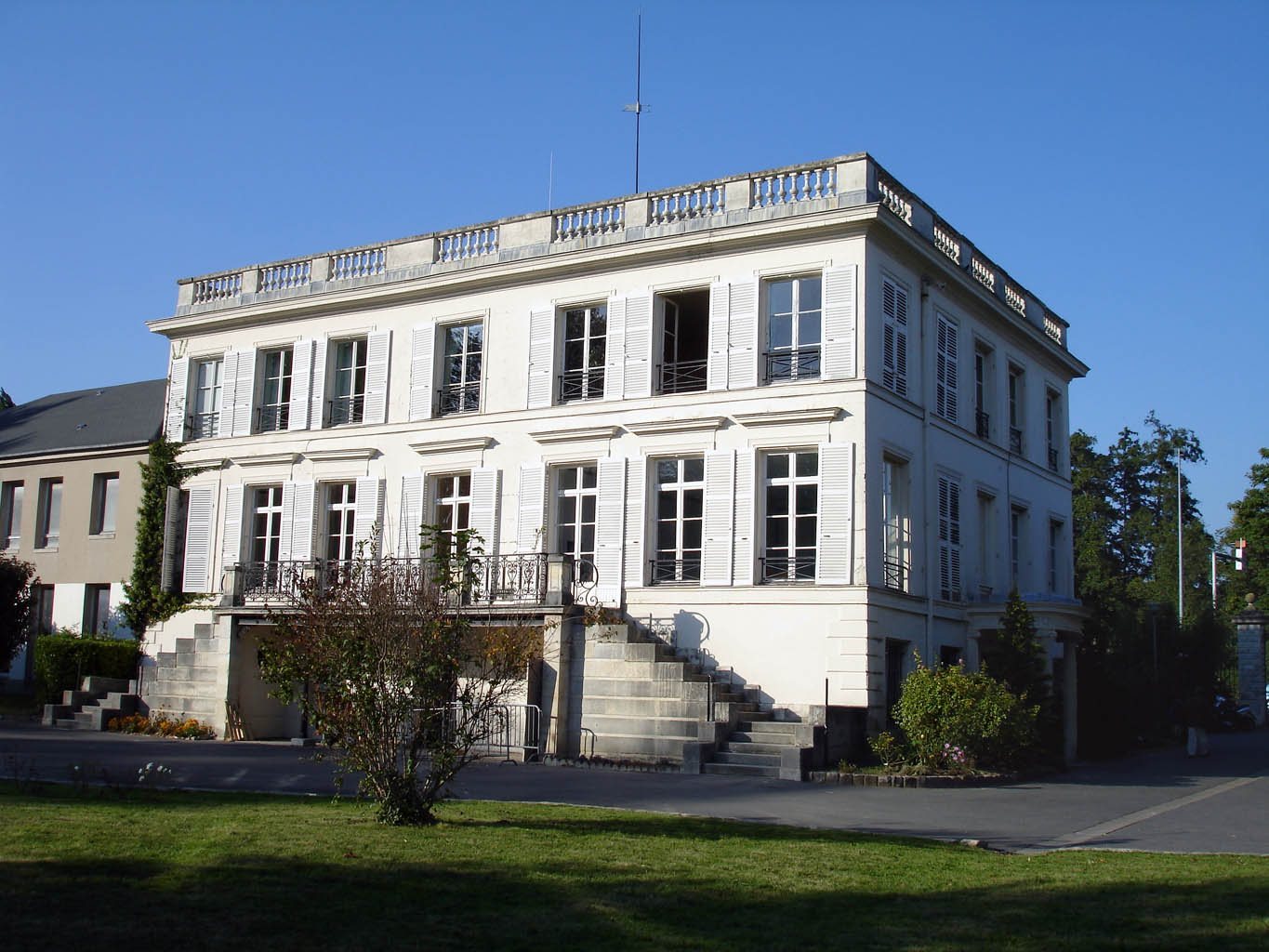
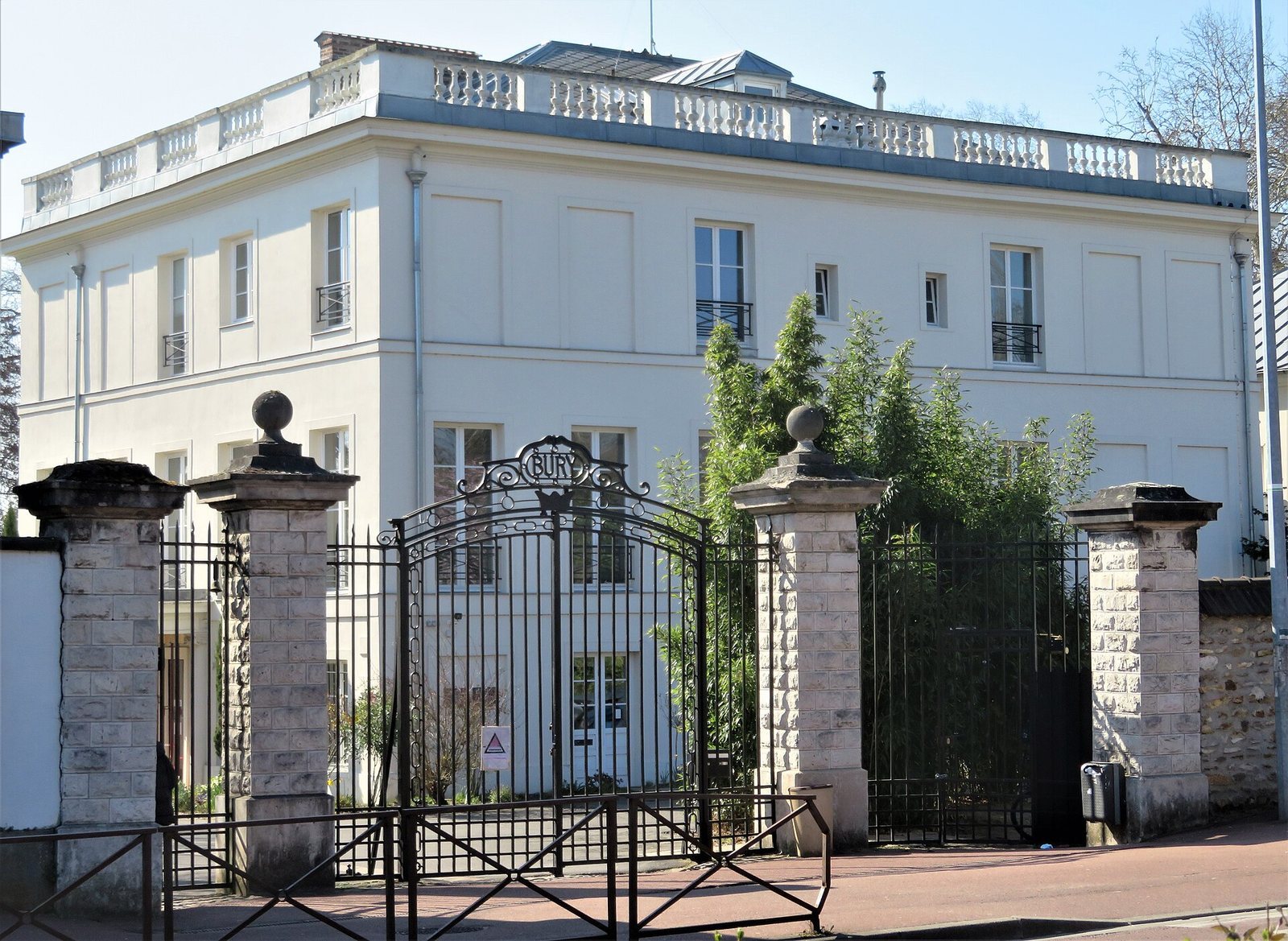
Grand-Bury Castle is a nineteenth-century residence in Margency, France. Pierre Tattet commissioned the château after his family acquired the estate in 1822. Louis Visconti built it in 1834; Jean-Pierre Barillet-Deschamps and Louis-Sulpice Varé are also identified as architects associated with the project.
The Tattet estate and literary circle
Around 1830, the Bury estate drew a circle that included Alfred Tattet, his brother-in-law Alfred Leroux, and the French poet and playwright Alfred de Musset. Leroux owned the nearby Maugarny estate. Activities at Bury included billiards, horseback riding, and bathing in the Oise or the estate lake. Bury later served as one of de Musset’s residences, and he received the French novelist George Sand there. The poet, novelist, and dramatist Victor Hugo came to fish in the lake beside the château.
Division and school use
Around 1850, the estate was divided into Petit Bury to the east and Grand Bury. Aristide Denfert-Rochereau, a French general and politician, acquired Petit Bury in 1913.
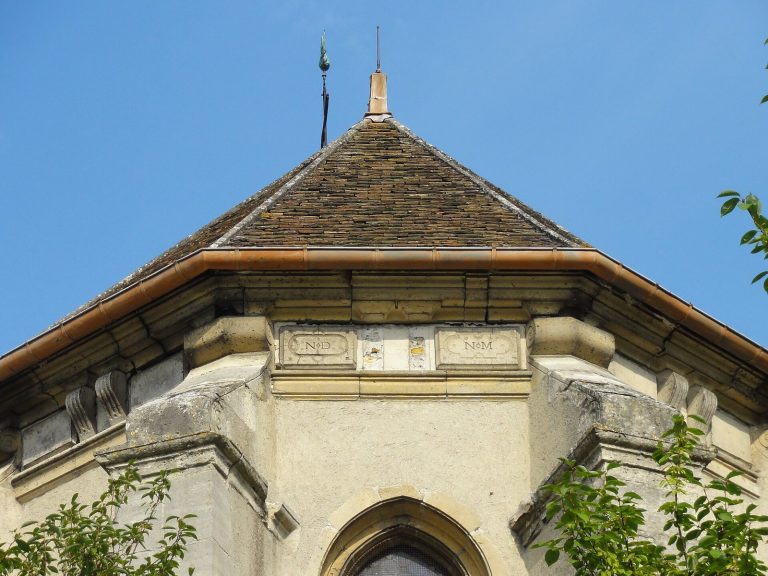
In 1939, Ernest Plisson’s widow rented Bury to priests of the Catholic Society of Mary. They had fled fighting in the area around their Sainte-Marie secondary school in Sierck-les-Bains and needed accommodation for their pupils. The property was sold to the Marist Fathers in 1943. Grand-Bury Castle now houses the administration of Notre-Dame de Bury, a Marist Catholic secondary school.
Remains
The estate includes the nineteenth-century residence, a park, and a lake beside the château. Jean-Pierre Barillet-Deschamps, a French landscape designer, designed the park.