Casa Panigarola: Milan’s Palace of the Notaries
Site at a Glance
- Popularity
- Medium
- Country
- Italy
- Primary era
- Medieval
- Eras represented
- Medieval, Modern
- Civilizations
- Duchy of Milan, Holy Roman Empire, Italian
- Site type
- Civic
On this page6 sections
History
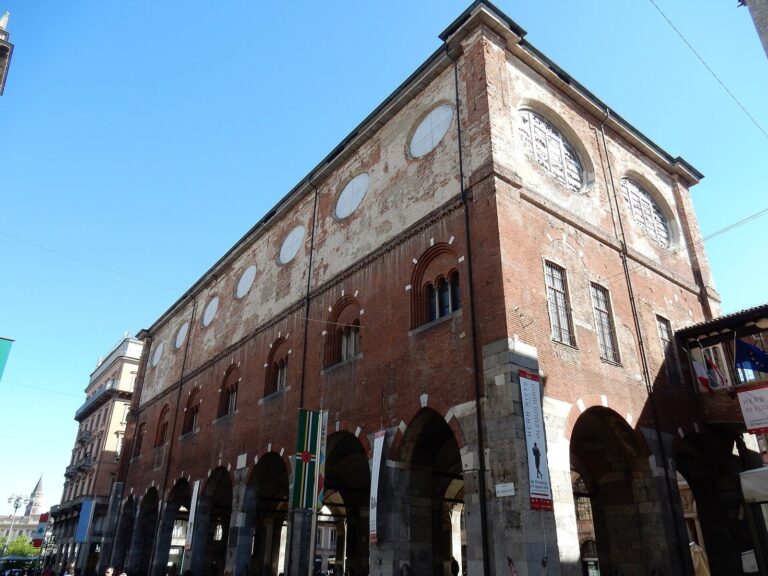
Casa Panigarola, also known as Palazzo dei Notai (Palace of the Notaries), is a Gothic building on Piazza Mercanti in Milan, Italy. Its original structure dates to the 14th-century communal period, when urban communities governed themselves, and it was largely rebuilt in the 15th century. The building housed Milan’s Office of Statutes, an institution responsible for official decrees and documents.
The Panigarola family and the Office of Statutes
The names Casa Panigarola and Casa dei Panigarola come from the Panigarola family, notaries from Gallarate who owned the building. The family held its notarial office as a hereditary privilege until it became extinct in 1741. The Office of Statutes registered and transcribed ducal decrees and public documents, and classified private documents. Its work was closely linked to the adjacent Palazzo della Ragione, where trials took place.
Rebuilding and restoration
Giovanni Solari designed the facade in 1466 as part of the building’s Gothic rebuilding. Luca Beltrami led a major restoration in 1899, followed by a smaller restoration supervised by Antonio Cassi Ramelli in 1967.
Remains
Facade and piazza
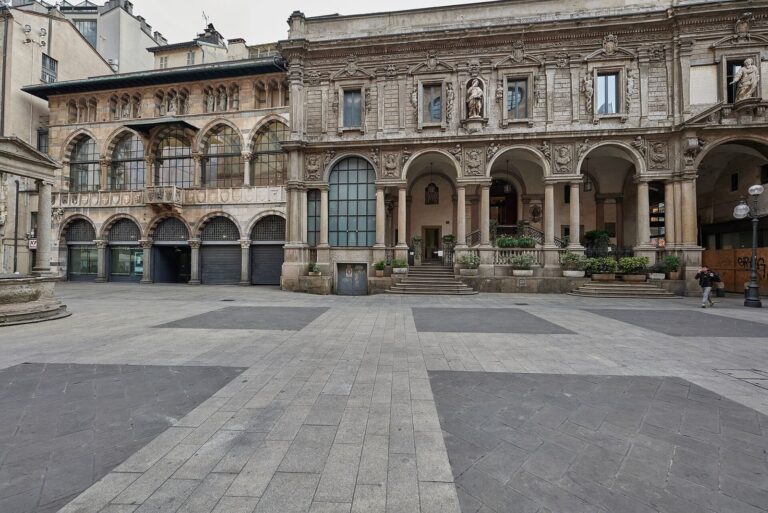
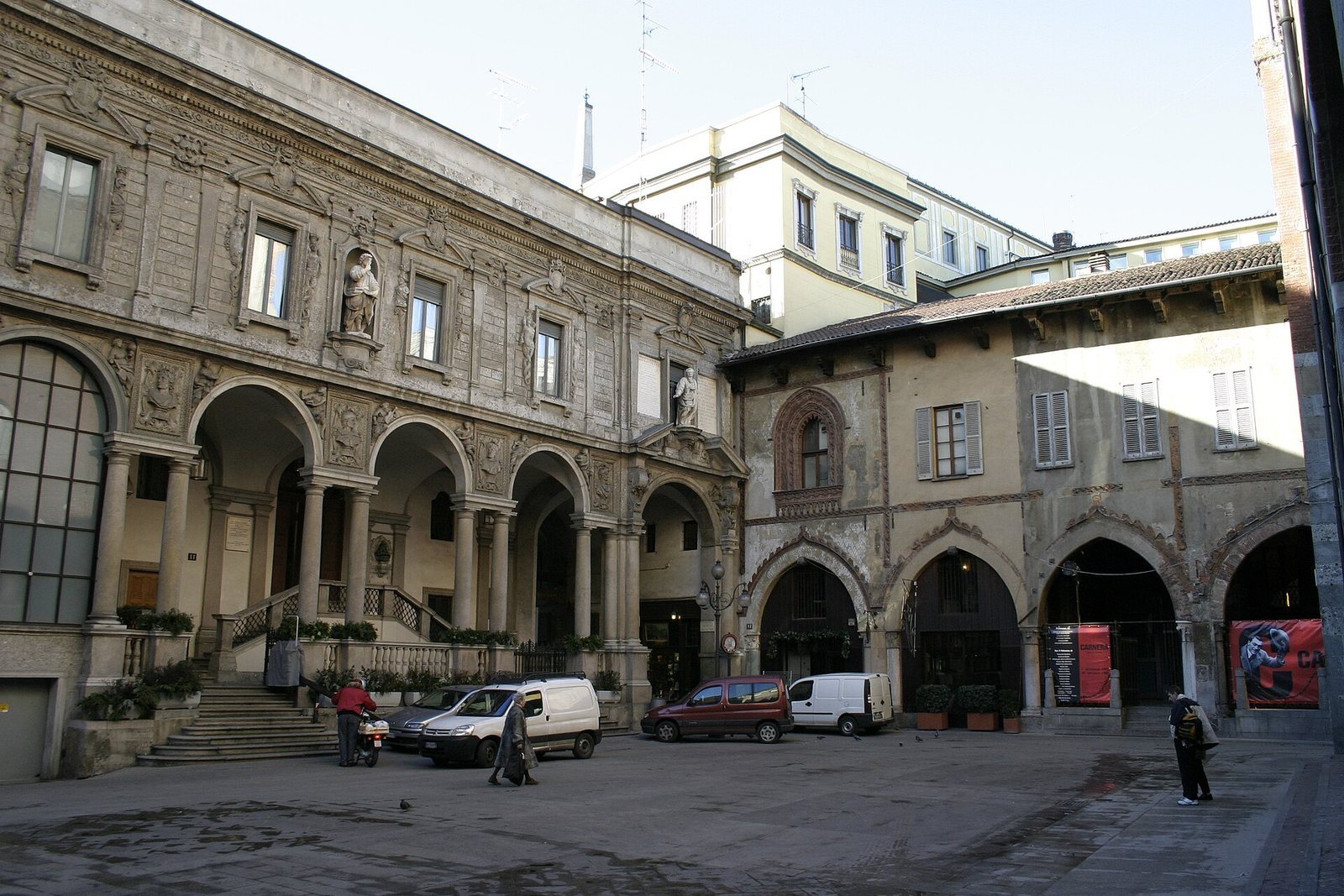
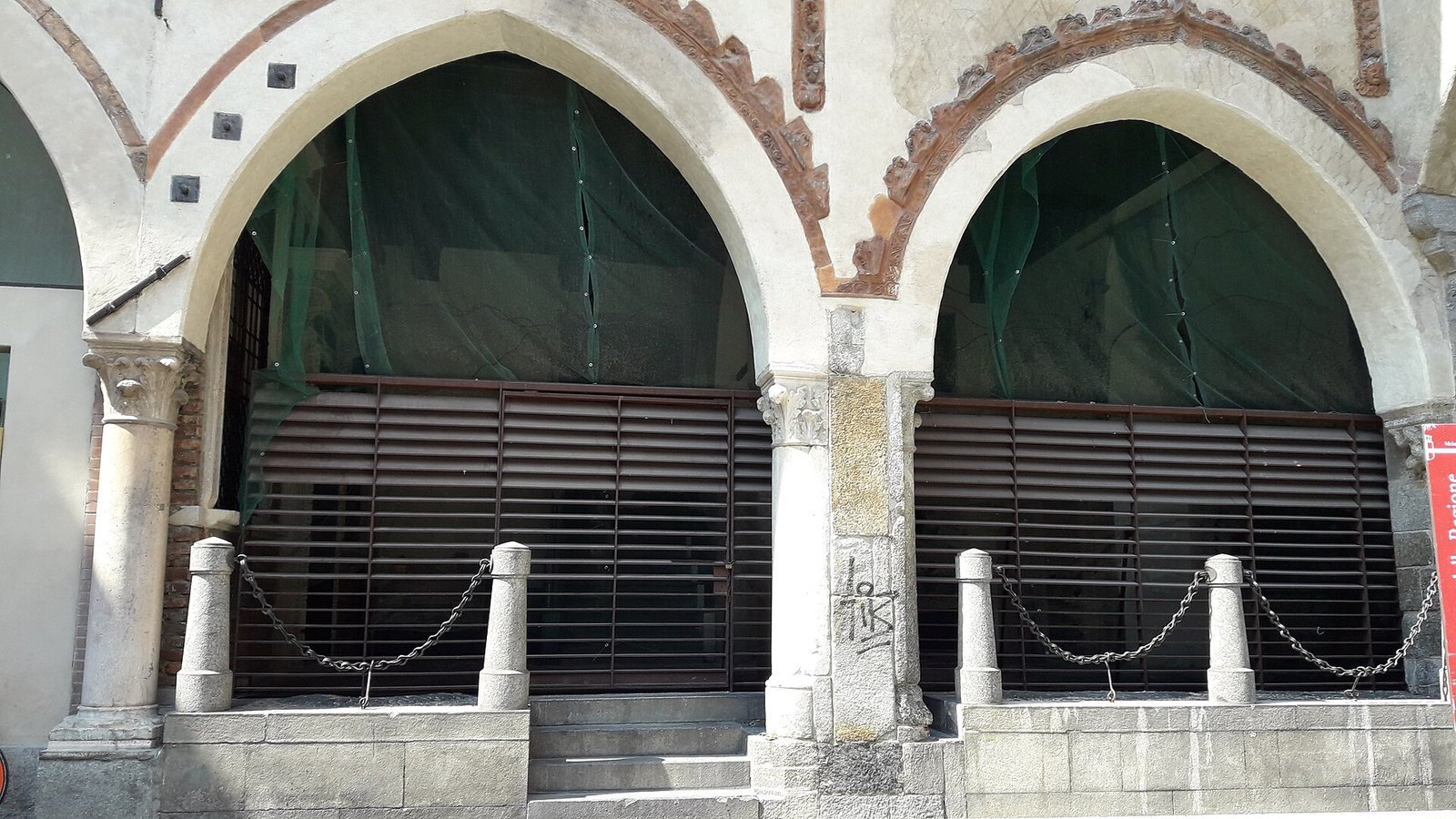
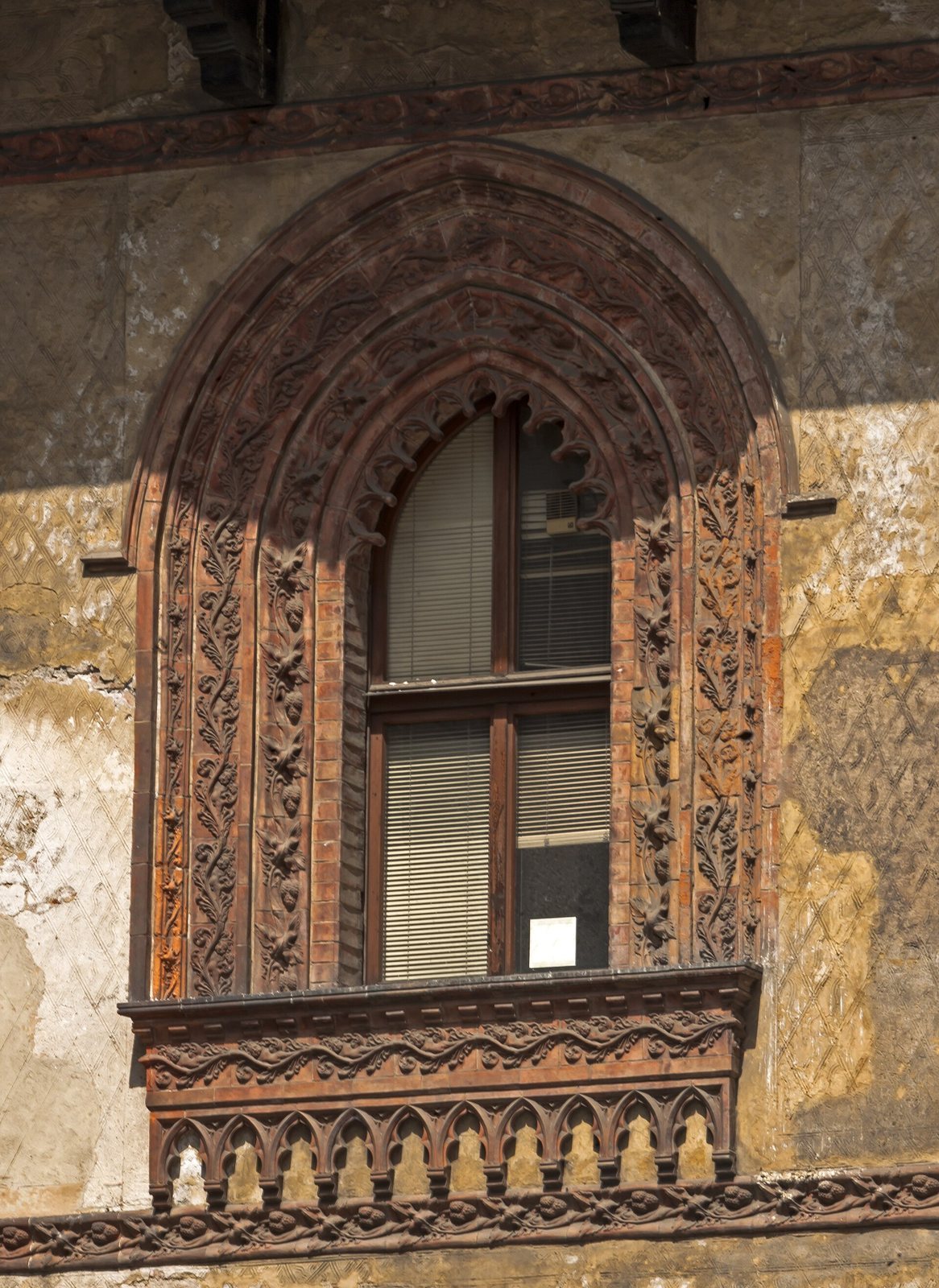
Casa Panigarola occupies the western side of rectangular Piazza Mercanti, completing one edge of the square. Its facade covers an earlier structure. At ground level, squat pointed arches are framed by terracotta foliage ornament. Above them, a terracotta frieze marks the upper storey, which has pointed windows and richly decorated plaster. The plaster’s sgraffito ornament is made by scratching through an upper layer to reveal a contrasting layer beneath. A single-opening window on the upper storey was added during the 1899 restoration.
Portico and loggia
A relief of the biscione, a heraldic serpent associated with Milan under the Sforza ruling dynasty, is set into the portico’s cobbled floor. The building’s right-hand section contains a loggia, a covered gallery open on one or more sides, usually closed by a gate. A terracotta plaque dated 1448 and signed by the lawyer Tommaso da Caponago is set into its wall; it cautions against using legal proceedings to settle conflicts. An internal stairway from the loggia reaches a suspended ramp leading to the entrance of Palazzo della Ragione.