Jaulny Castle: A Fortified Residence in France
Site at a Glance
- Popularity
- Medium
- Country
- France
- Primary era
- Early Modern
- Eras represented
- Medieval, Early Modern
- Civilizations
- Unclassified
- Site type
- Military
- Remains
- Castle
On this page5 sections
History
Jaulny Castle is a fortified residence in France that dates from the 11th and 12th centuries. Its military use is attested from the 12th century, and the complex was altered over later centuries as it developed into a residence.
Local tradition connects the castle with Jeanne des Armoises, who claimed to be Joan of Arc. In this account, she married Robert des Armoises, lord of Tichémont, spent her final years at Jaulny, and died there aged 42 without descendants. The accepted historical account holds that Joan of Arc was executed in 1431 during the Hundred Years’ War, the long conflict between England and France. Another local legend instead places Joan’s burial at Pulligny-sur-Madon.
French general Jean Nicolas Curély (1774–1827) owned the castle. It received partial protection as a French historic monument in 1988, and some parts were classified in 1996. In 2021, it was identified as heritage at risk.
Remains
Setting and defensive works
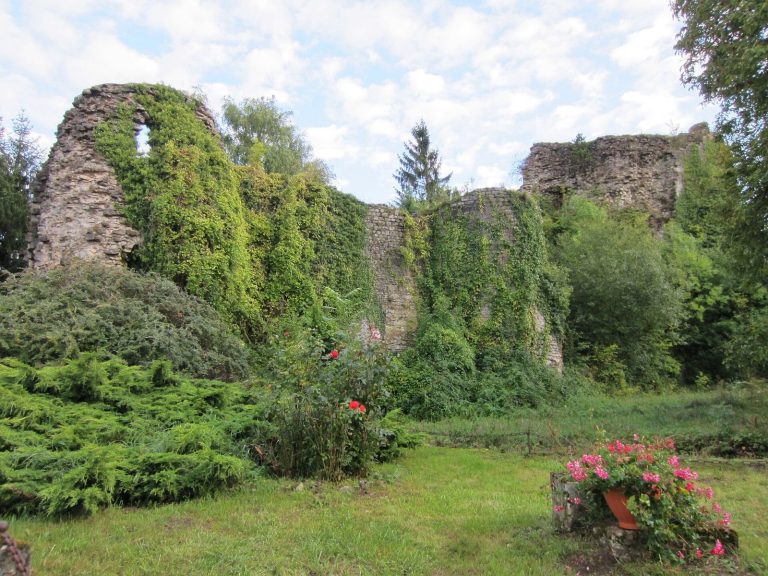
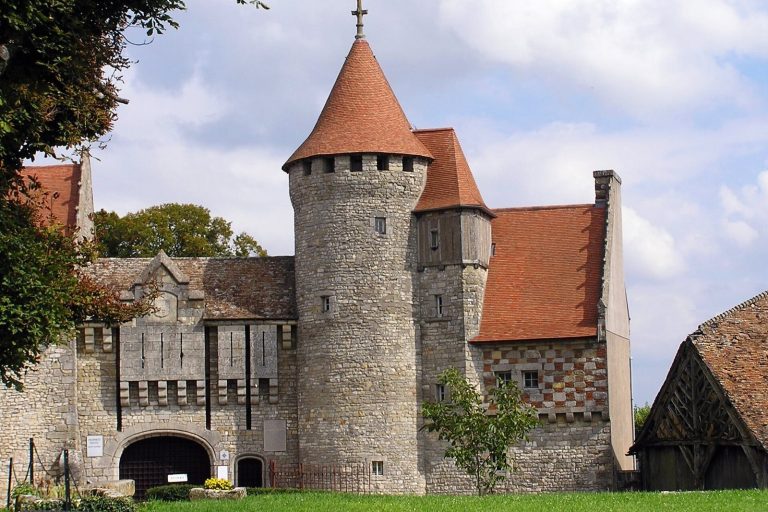
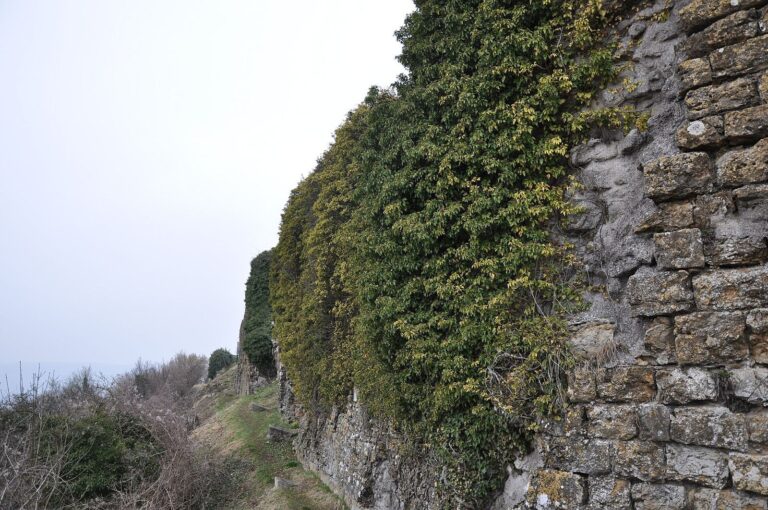
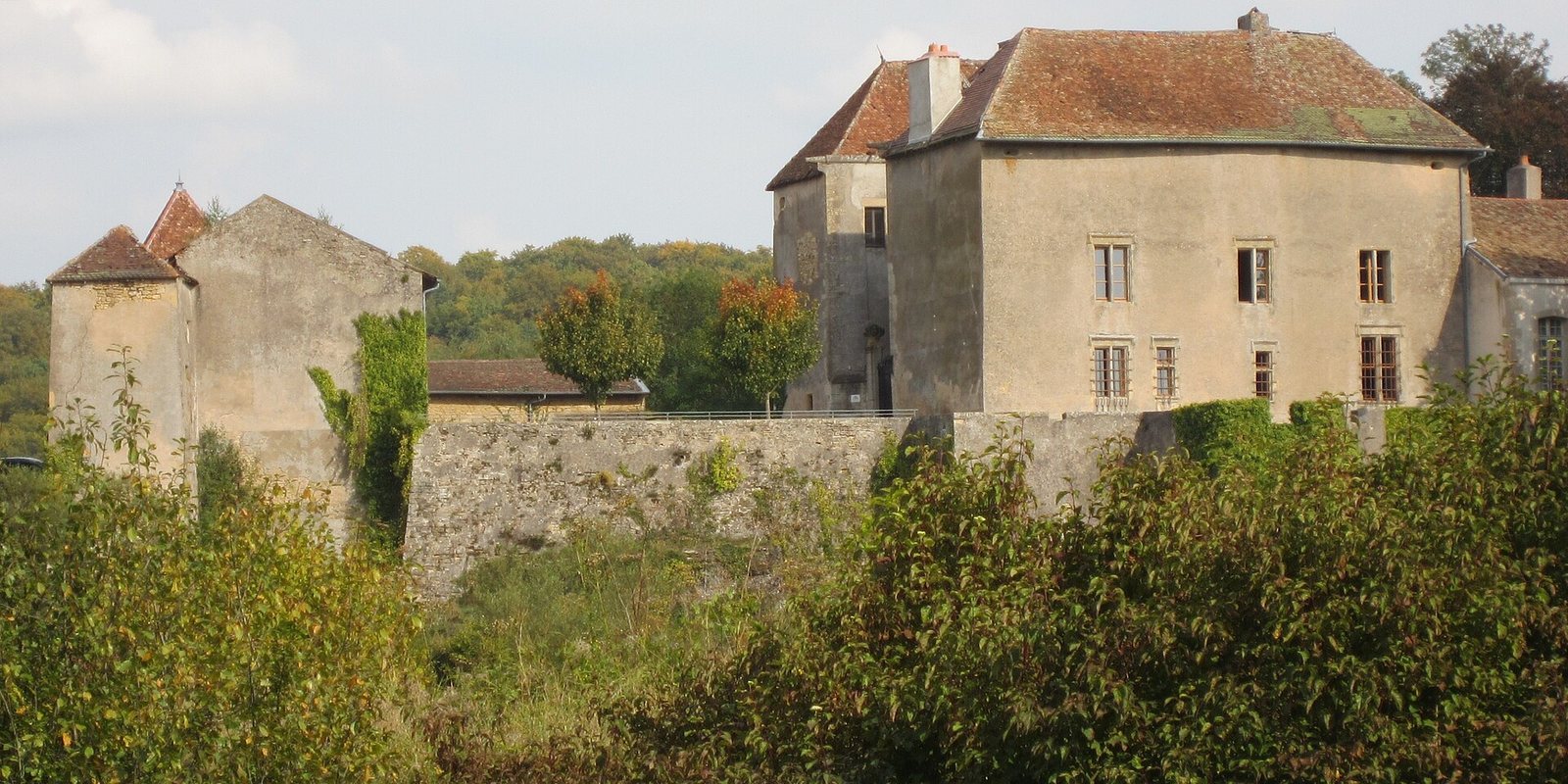
The castle occupies a terrace overlooking the Rupt de Mad. Its enclosure includes square towers and a keep, the principal fortified tower, dating to the 12th century. Access is provided by a tower-porch. The enclosing wall was added in the second half of the 17th century, while the fortifications retain narrow defensive openings, or loopholes, from the 15th century. A rampart and its base are also part of the complex.
Residence and associated buildings
The fortified residence has a U-shaped plan dating to the late 15th or early 16th century. Although remodeled in the 16th and 18th centuries, it retains this composition. The western wing stands above arched cellars from the 16th century. An 18th-century residence was built against the southern wall, and an adjacent pavilion, outbuildings, and a paved terrace complete the group.
Interiors and portraits
Vaulted rooms lie beneath the main building and terrace, while vaulted rooms and ceilings include decoration from the 15th century. Jean Lamour, an 18th-century French ironworker and ornamental metalworker, made the courtyard grille and the interior stair railing.
In 1871, removal of plaster from a 15th-century chimney revealed two portraits said to depict Joan of Arc and Robert des Armoises. The village mayor later recounted that his great-great-grandfather had concealed them on the orders of Monsieur des Armoises before the French Revolution.