Vlajkovac Castle: A Neoclassical Private Residence in Serbia
Site at a Glance
- Popularity
- Medium
- Country
- Serbia
- Primary era
- Modern
- Eras represented
- Modern
- Civilizations
- Austrian Empire, Habsburg
- Site type
- Domestic
- Remains
- Elite Residence
On this page4 sections
History
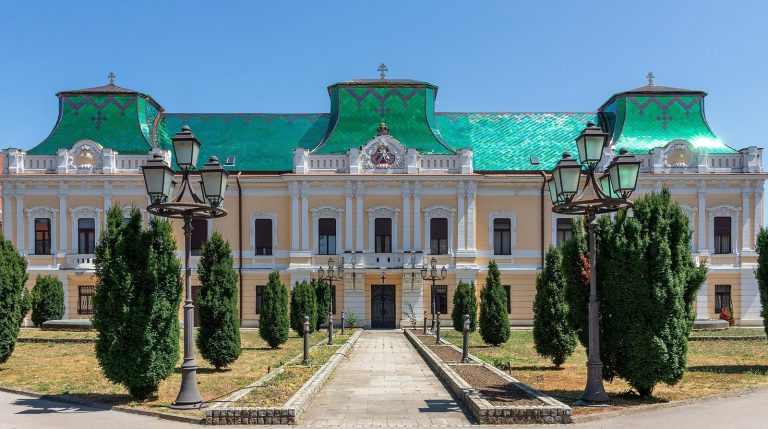
Vlajkovac Castle, also known as Bissingen Castle, stands in Vlajkovac, in Serbia’s Vojvodina region. Built in 1859 as the private residence of Count György Mocsonyi, it follows the Neoclassical style, which drew on ancient Greek and Roman architectural forms.
Transfer and confiscation
In 1888, Countess Georgina Mocsonyi brought the castle as her dowry to the Bissingen-Nippenburg family, a noble Austro-Hungarian family. Austria-Hungary was a dual monarchy in Central Europe that existed from 1867 until its dissolution in 1918.
The family kept the castle until the end of the Second World War, when it was confiscated. It is listed as a Serbian Cultural Monument of Great Importance.
Remains
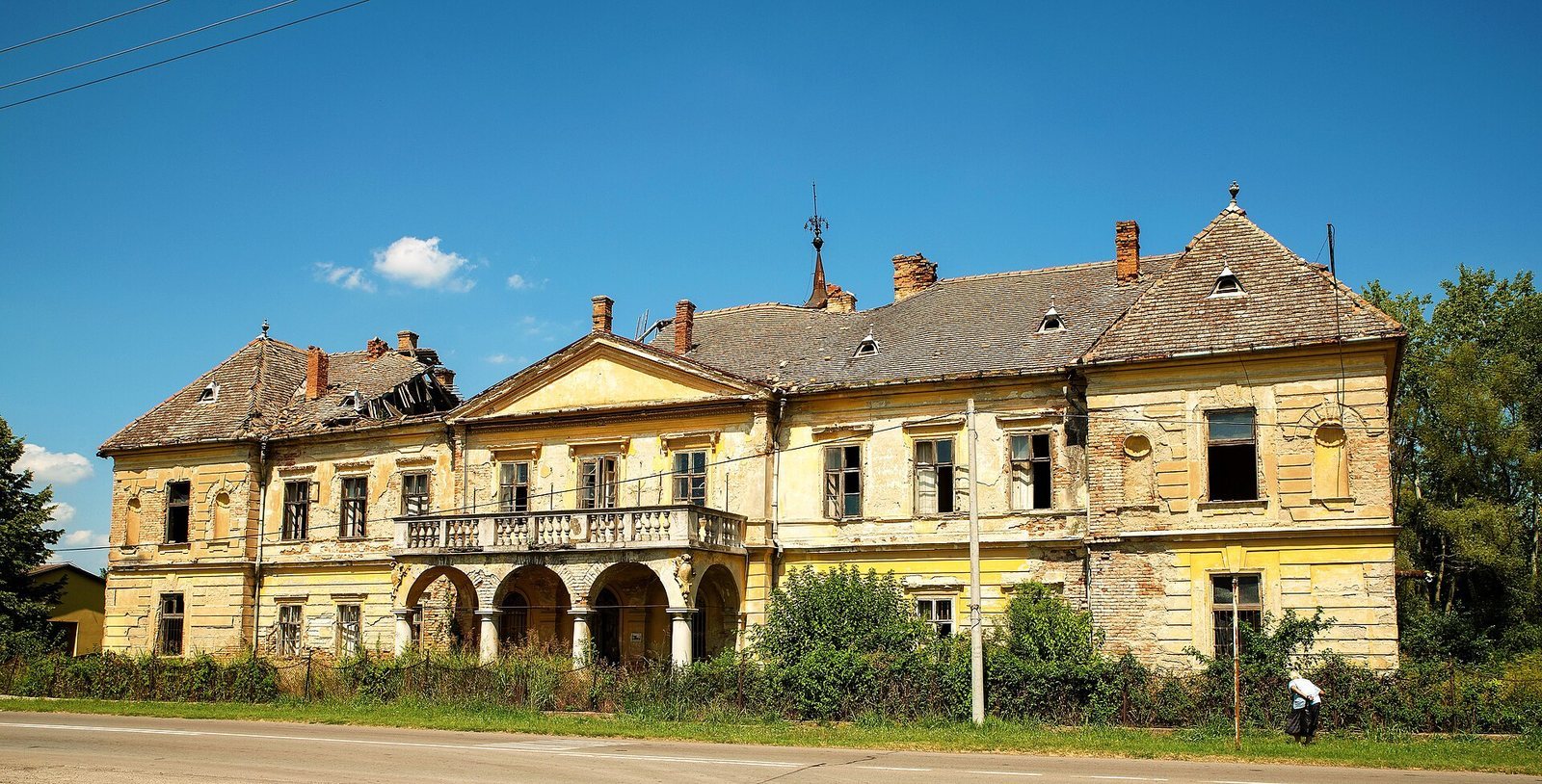
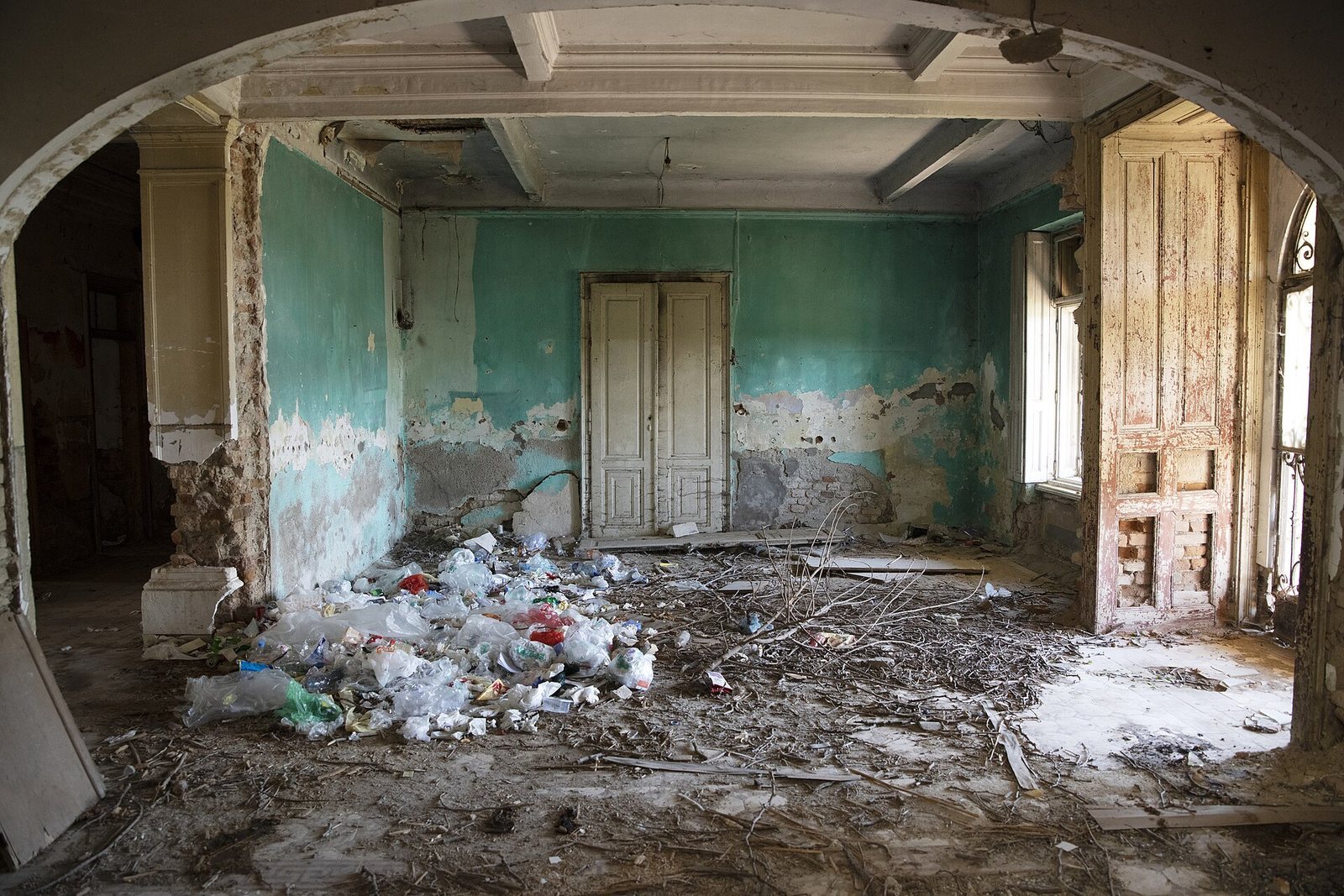
The two-storey building has a rectangular plan and a symmetrical design inside and out. Its facades differ in emphasis, with a monumental front facing the park and a simpler main facade.
Facades and decoration
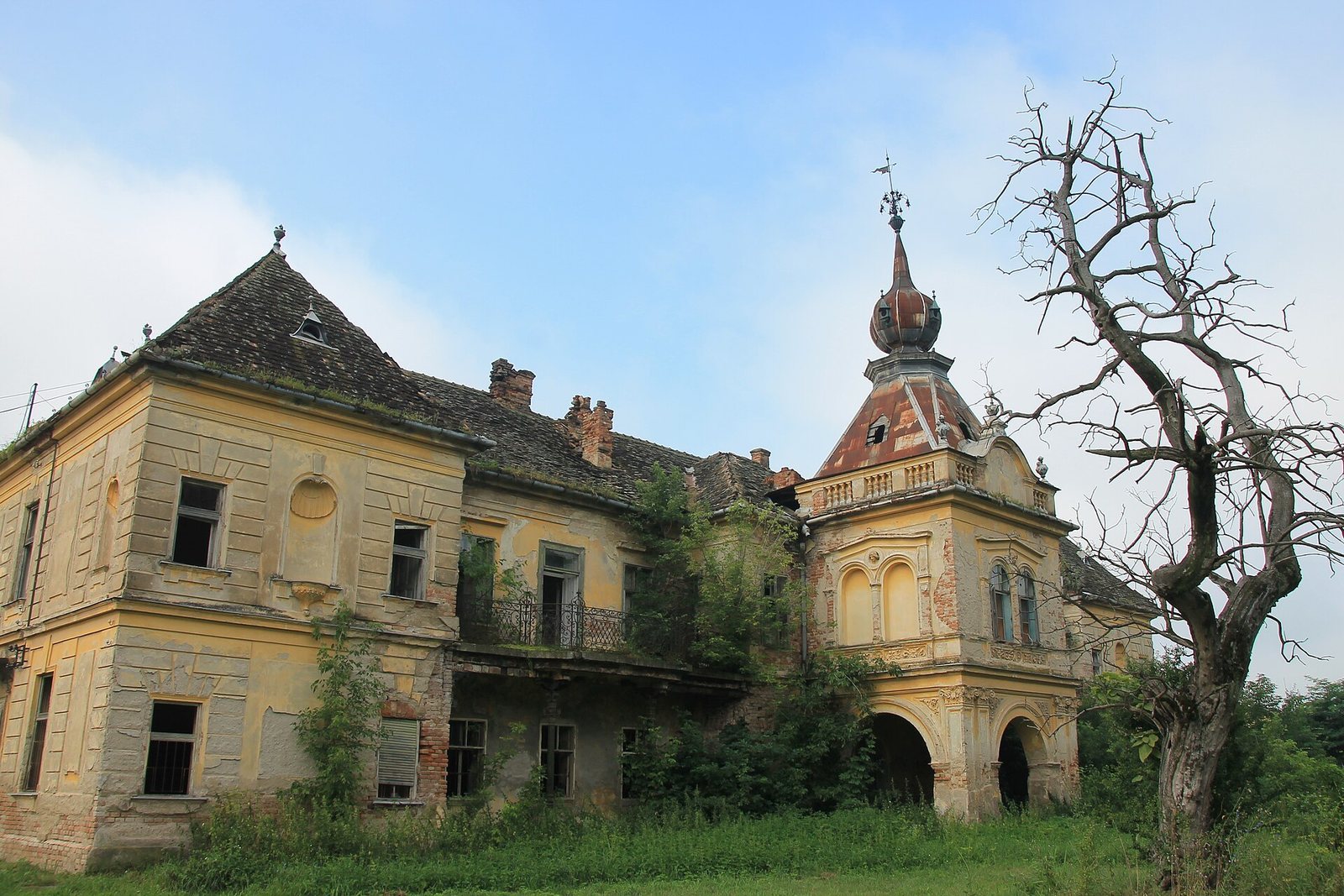
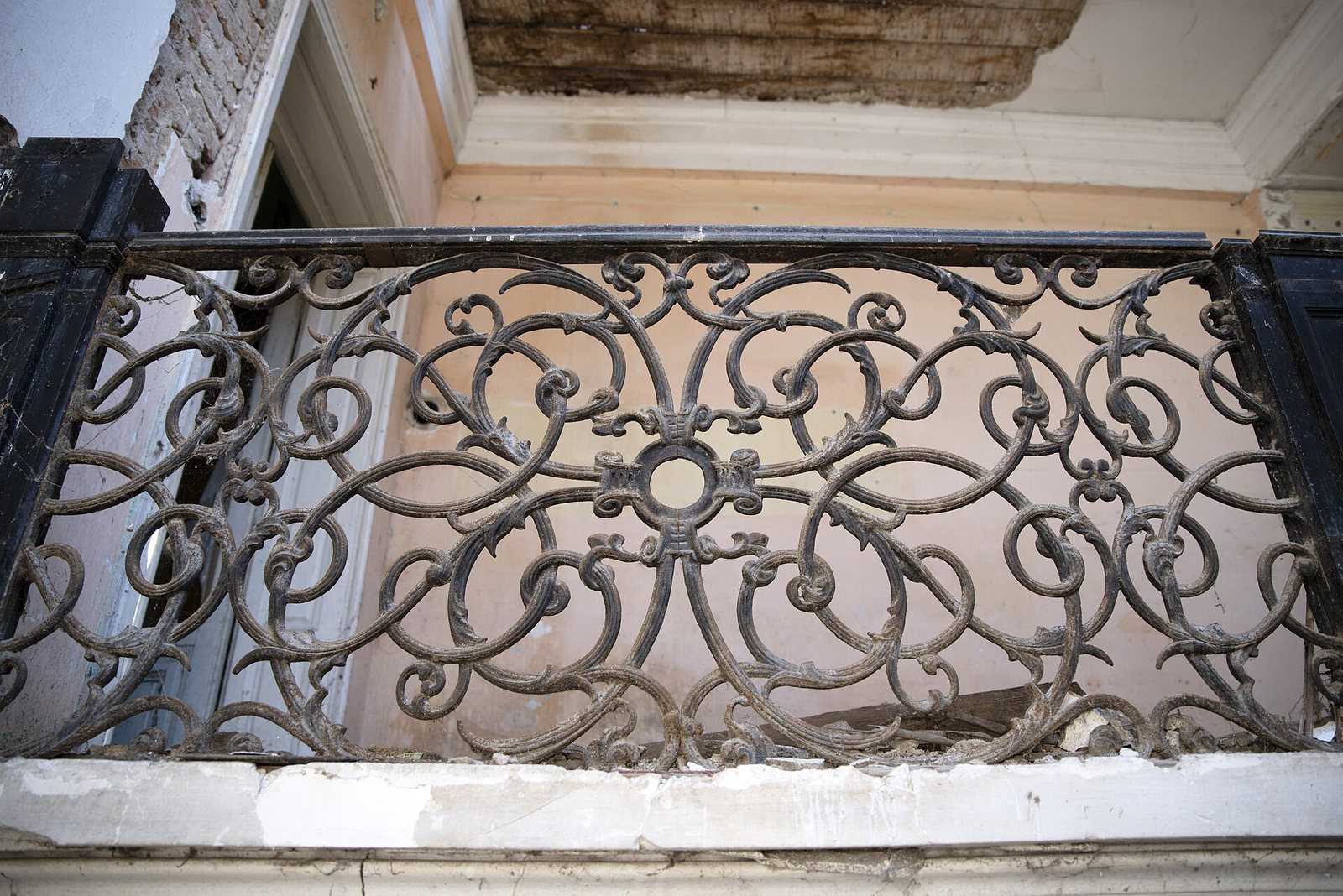
The park-facing facade has a large central porch, flanked by wrought-iron terraces supported on iron columns. A large ceremonial hall occupies the upper floor above the entrance. Above it are a projecting cornice (horizontal molding) and an architectural attic (raised section of the facade above the cornice), finished with a balustrade (low protective railing). A niche (recess in the wall) holds the Bissingen-Nippenburg family coat of arms. The projecting central section is topped by a pyramidal roof with a bulb-shaped finial (decorative ornament at the roof’s peak). The simpler main facade has a porch and a terrace enclosed by a balustrade. Niches on all facades once held statues, and many interior and exterior decorations are made of wrought or cast iron.