Židovar: A Multilayer Prehistoric Settlement in Serbia
Site at a Glance
- Popularity
- Low
- Country
- Serbia
- Primary era
- Classical
- Eras represented
- Bronze Age, Iron Age, Classical
- Civilizations
- Celtic, Dacian
- Site type
- Military
- Remains
- Fortified Town
On this page11 sections
History
Židovar is a multilayer prehistoric settlement near Orešac in Serbia. Its oldest finds are Neolithic, while sustained settlement began in the Early Bronze Age. The site’s successive communities left a long sequence of Bronze and Iron Age occupation.
Bronze and Early Iron Age
Bronze Age occupation includes an early sequence with pre-Vatin and early Vatin phases, followed by the Vatin culture, a Bronze Age archaeological culture, in the Middle Bronze Age. The Belegiš culture, also a Bronze Age archaeological culture, represents a later phase. In the Early and Middle Iron Age, the site belonged to the Bosut IV horizon, also called Bosut-Basarabi. This cultural horizon, a phase identified by shared material remains, dates to the ninth and eighth centuries BCE.
Late Iron Age and Roman frontier
The Late Iron Age sequence includes a Celtic fortified settlement, a later Dacian-Celtic settlement, and a final Dacian settlement dating to the end of the first century CE. Finds from the La Tène period, an archaeological era associated with later Celtic material culture and spanning the second century BCE to the first century CE, are attributed mostly to the Scordisci, a Celtic people of the central Danube region. Their increased presence after the Celtic invasions of 279 BCE is associated with coexistence and trade with Getae-Dacian groups. About one tenth of the finds belong to earlier Getae-Dacian cultures. The Scordisci fortifications form part of Židovar’s historical importance.
Settlement life ended with the arrival of the Romans and the establishment of the Danube frontier.
Archaeological investigations and protection
Archaeological investigations began in 1948 under Branko Gavela, a professor at the University of Belgrade’s Faculty of Philosophy. Further campaigns followed in 1949, 1964–1966, 1971, and 1977. Systematic work resumed in 1996 under Dragoslav Srejović; after his death, Miloš Jevtić led the investigations, which have continued intermittently. A hoard of silver and amber jewelry was discovered in the Celtic layer in 2001. The range and quantity of the finds have led to the interpretation of Židovar as a major center of Balkan Celtic jewelry production in the Late Iron Age. The site received state protection as an archaeological site of exceptional importance in 1990 and has repeatedly been disturbed by illicit digging.
Remains
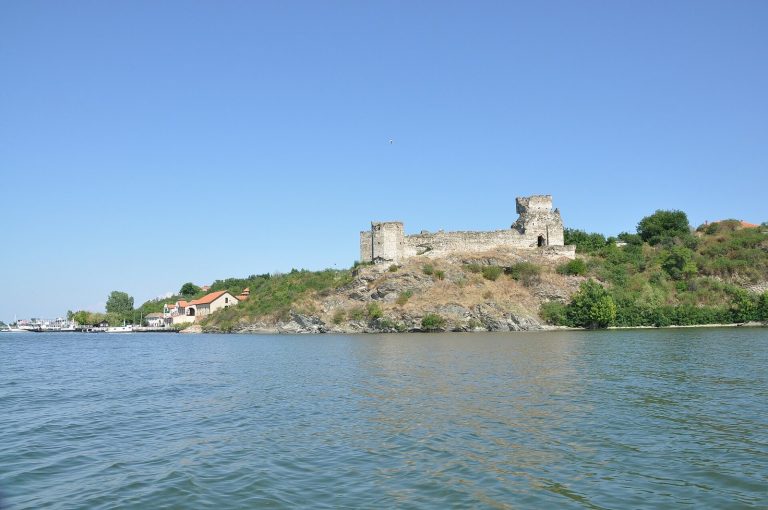
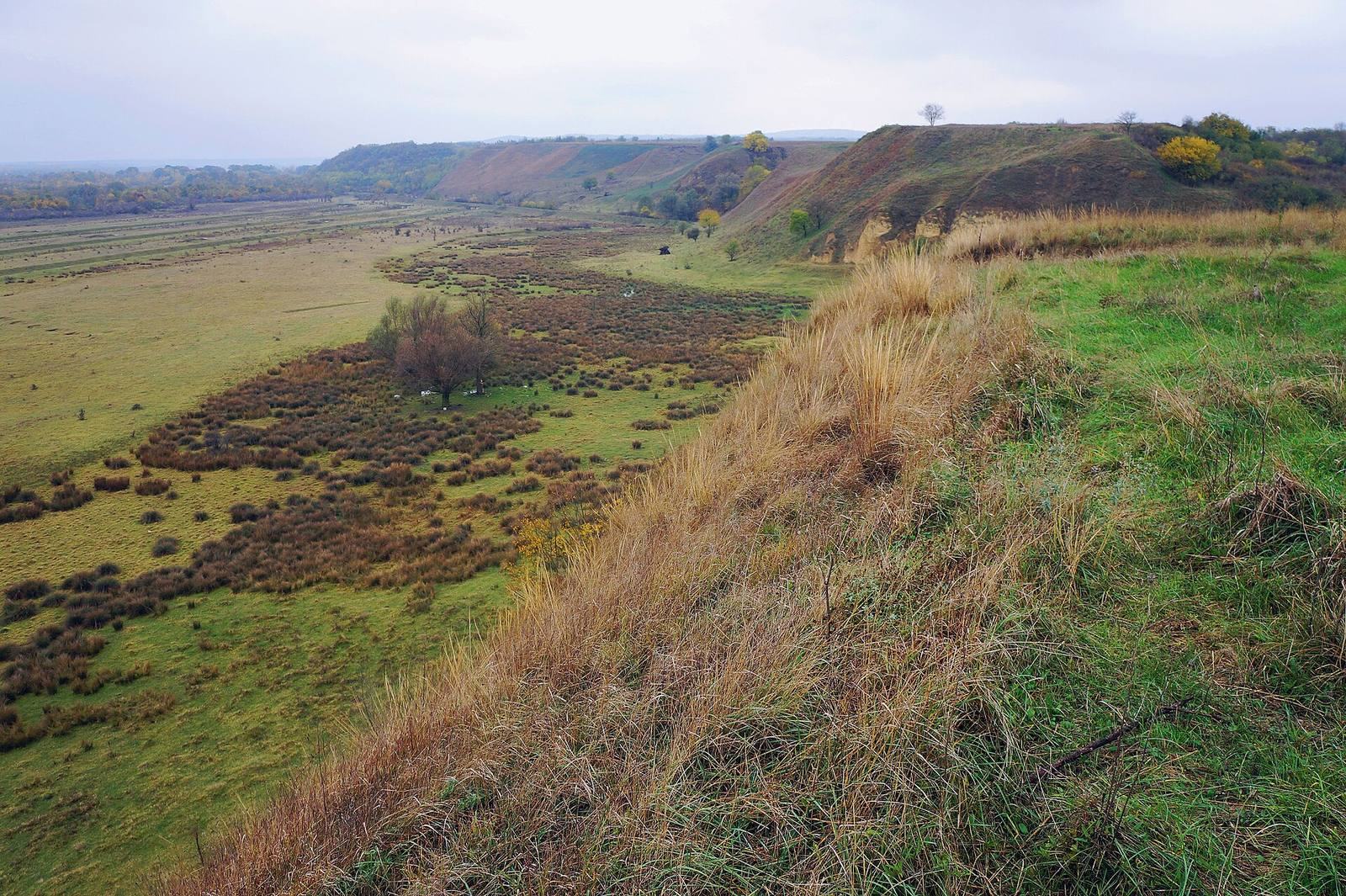
The settlement occupies the flattened top of a conical hill made of loess, fine silt deposited by wind. The hill stands about 40 metres above the former bed of the Karas River, now dry after the river’s water was diverted into the Danube–Tisa–Danube canal. Židovar lies at the edge of the Deliblato Sands and the Zagajica Hills. The site covers about 5,000 square metres; the mound measures approximately 150 by 120 metres and rises about 6 metres. Its fortified area and outer settlement are connected by a natural ramp. Defensive features include a wooden palisade, a dry-stone wall, a ditch, and a defense wall.
Occupation layers
Cultural deposits
Deposits more than 5.7 metres thick contain successive Bronze and Iron Age settlements. The excavated remains include building traces, pottery, and tools made from stone, bone, and antler.
Late settlement structures and objects
Building in the latest layer
A large building, or possibly a group of buildings, in the latest layer dates to the first century CE. Its surface was covered with white limestone. It has been interpreted as a representative structure for rites rather than a residence. Associated finds include abundant silver jewelry and fragments of elaborate clothing.
First-century objects
Decorated silver clasps from the first-century layer have been compared with finds in neighboring Romania and interpreted as parts of priestly garments. One intact, richly decorated silver box had a cross emblem on its lid and contained two bronze rings, one larger than the other. Engravings on one ring show a fish, the Good Shepherd, and a palm branch. In early Christian imagery, the fish could represent Jesus Christ, while the shepherd and palm branch could symbolize paradise. Numerous hair razors from this layer have been interpreted as evidence of a baptismal rite.
Silver and amber hoard
The hoard contains more than 200 objects, mostly silver and amber. Its silver pieces include containers for valuables, jewelry, and toiletry items, distinguished by their manufacturing methods, ornament, and function. The jewelry includes eight large brooches, including Jarak-type arc forms; two massive neck ornaments made from braided silver wire; pendants of several shapes; two rings made from five-ply wavy filigree wire; and three chains formed from interlinked wire loops.
Two small, lidded cylindrical silver boxes are decorated with fine wirework and tiny metal-bead ornament. The hoard also includes a large medallion set with semiprecious stones, about 100 large silver beads, and several dozen amber beads. One chain carried a decorated silver box, while the other two connected pairs of brooches. Toiletry items comprise two folding razors and a mirror.