La Roquette Castle: A Medieval Stronghold in France
Site at a Glance
- Popularity
- Medium
- Country
- France
- Primary era
- Medieval
- Eras represented
- Medieval
- Civilizations
- Unclassified
- Site type
- Military
- Remains
- Castle
On this page4 sections
History
Medieval origins and naming
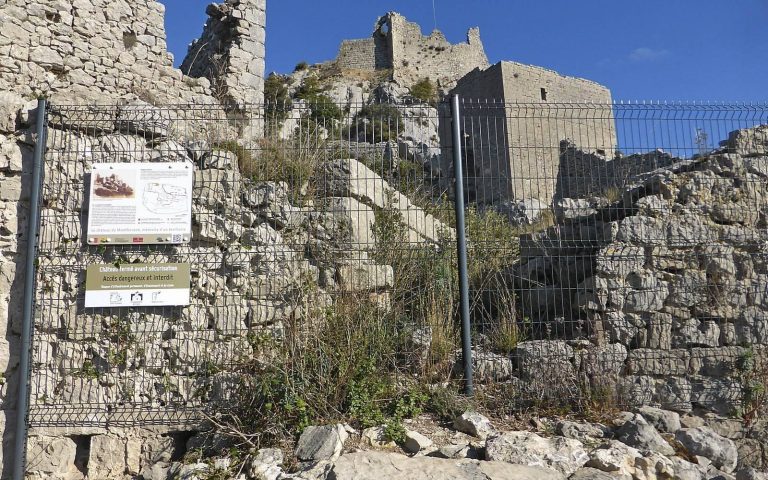
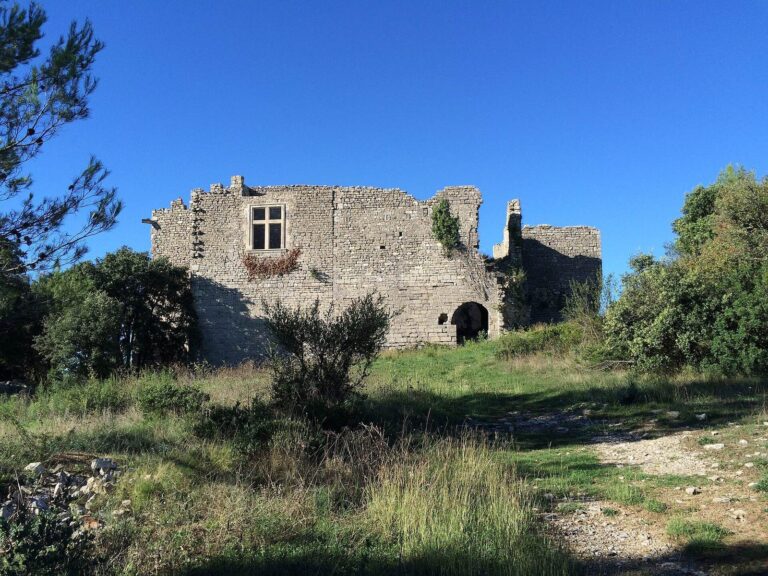
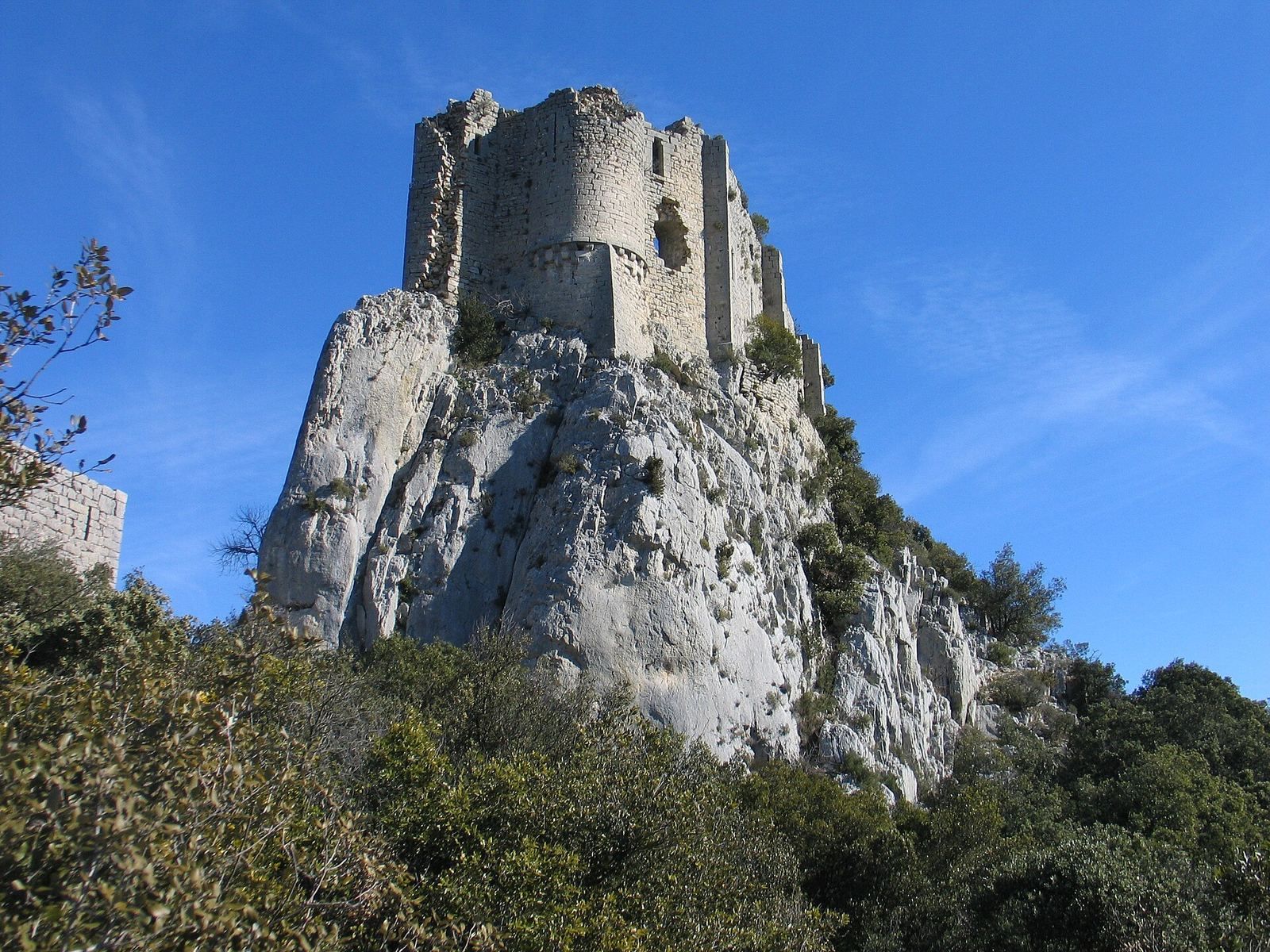
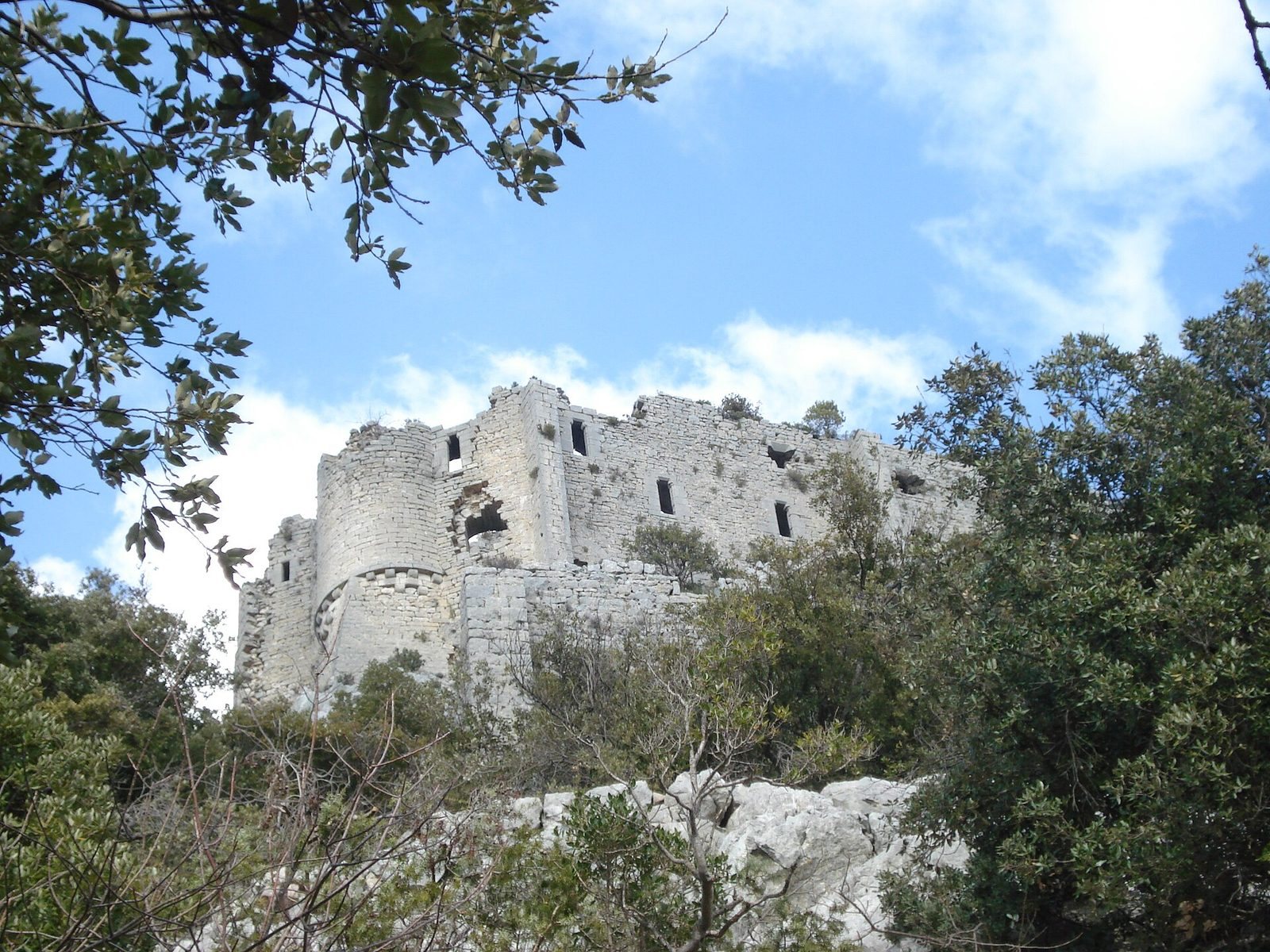
La Roquette Castle is a ruined fortress in France, set on a ridge west of the Hortus mountain. First mentioned in the 12th century, it then belonged to the Count of Melgueil, a feudal ruler of a county associated with Mauguio. The castle served as both a stronghold and a residence.
The castle later became known by the name of the neighboring Bévieures farmstead, one of its former fiefs, or lands held within a feudal relationship of service or allegiance. The name Viviourès is associated with the Bévieures family, who lived at a nearby farmstead until the 18th century. The family name may derive from the Occitan phrase bien viure, meaning “a place where it is good to live.”
Abandonment and modern history
In the 16th century, the castle belonged to the Lautrec family. It was later abandoned, and by 1689 it was described as old, ruined, and uninhabitable.
In 1841, the Count of Vogüé sold the ruins to a mason from Saint-Martin-de-Londres. The castle is privately owned. Its remains were listed as historic monuments in 1940, a form of legal heritage protection in France. An order dated 3 June 2025 listed the entire site.
Remains
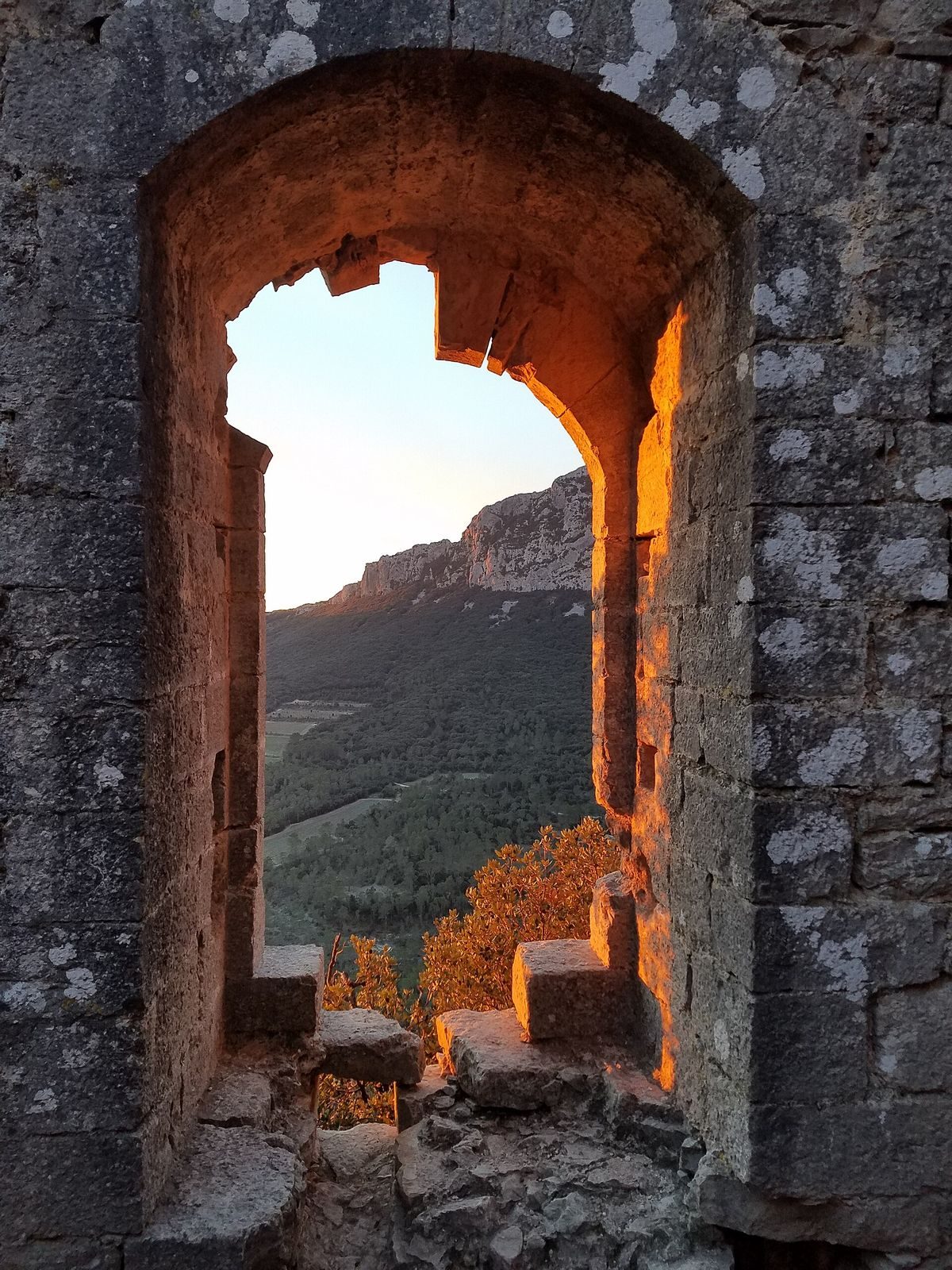
The ruined castle stands on a ridge at an altitude of 225 to 300 metres, west of the Hortus mountain and opposite the eastern ridge of Pic Saint-Loup and the fortress of Montferrand. One gate in the rampart bore the arms of the Roquefeuil-Fay-Péraut family. The Count of Vogüé removed them and had them set into a wall at his Château du Cros, where they remain. A second gate survived intact; the Montpellier Archaeological Society recovered and reassembled it in the courtyard of the Hôtel de Varennes, where it remains.