Château de la Bâtie in Vienne: A Medieval Fortified Castle
Site at a Glance
- Popularity
- Medium
- Country
- France
- Primary era
- Medieval
- Eras represented
- Medieval, Early Modern
- Civilizations
- French, Holy Roman Empire
- Site type
- Military
- Remains
- Castle
On this page6 sections
History
Château de la Bâtie in Vienne is a medieval fortified castle in France, commissioned around 1225 by Archbishop Jean de Bernin. It served as a residence for the archbishops of Vienne until the mid-fourteenth century.
Archiepiscopal Residence
After peace returned, the archbishops gradually stopped favoring the castle, and its upkeep declined. It later became a royal prison.
Changes to the Defenses
In 1450, Louis, the dauphin, meaning heir to the French throne, partly remodeled the castle. In 1538, King Francis I ordered work on Vienne’s ramparts and strengthened the Bâtie with the Saint-Anne bastion as he prepared to face Charles V, a Habsburg ruler and Holy Roman Emperor.
The French Wars of Religion, conflicts between Catholics and Protestants, caused severe damage to the castle. On 26 January 1633, a Council of State decree ordered the demolition of forts in Dauphiné, a historical province in southeastern France, following orders from Cardinal Richelieu, the French crown’s chief minister. The Bâtie was partly razed alongside Fort de Pipet and became unusable. Its ruins were listed as a historic monument in 1926.
Remains
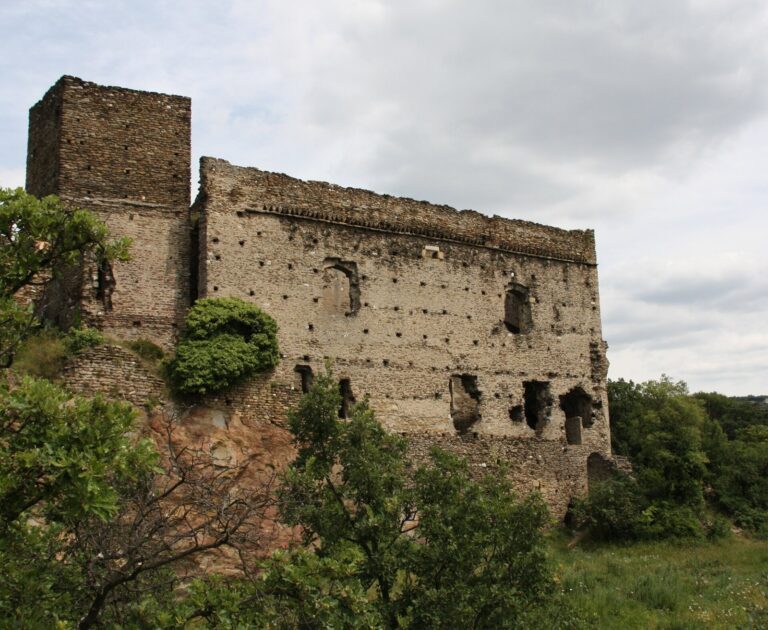
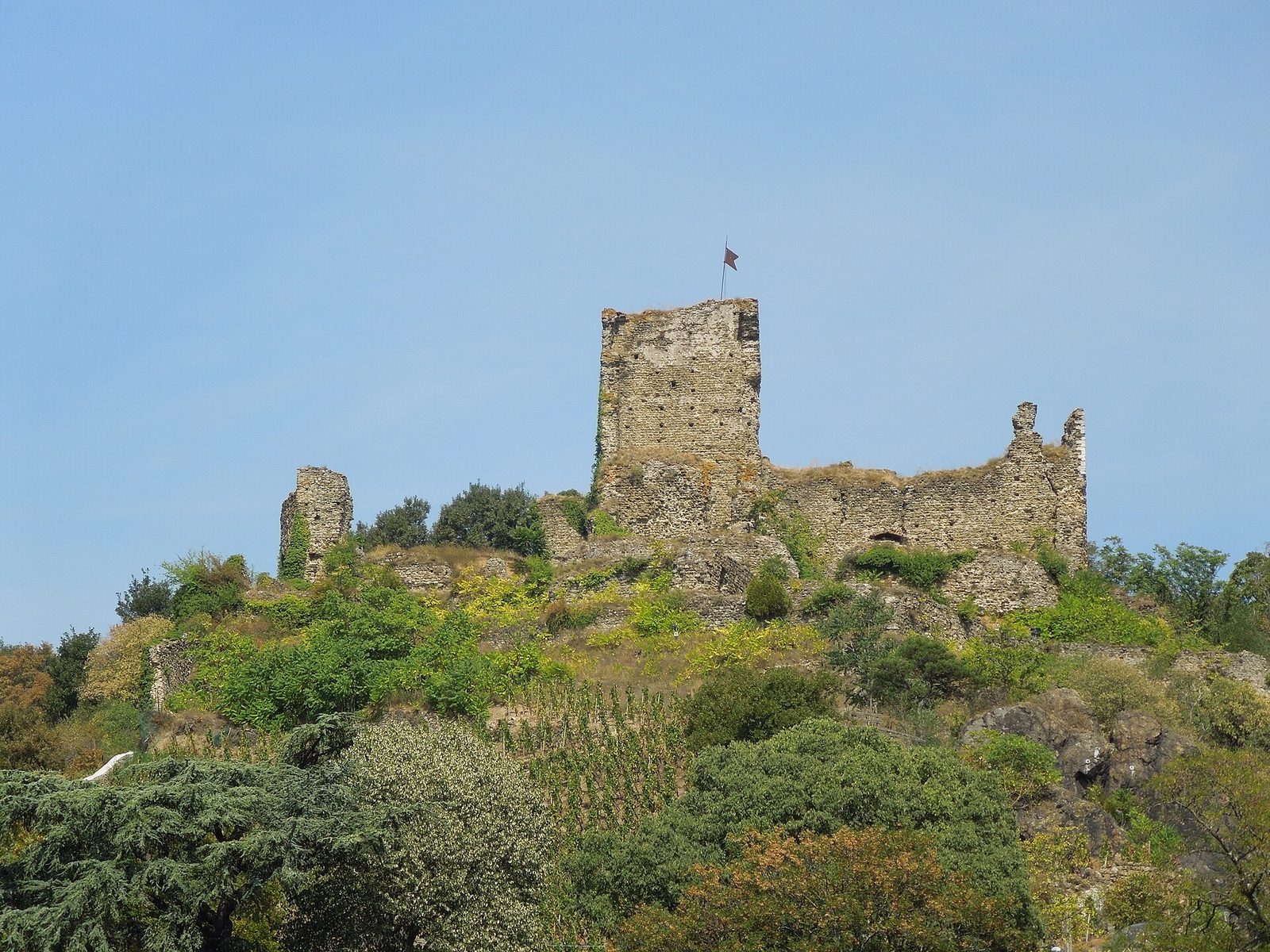
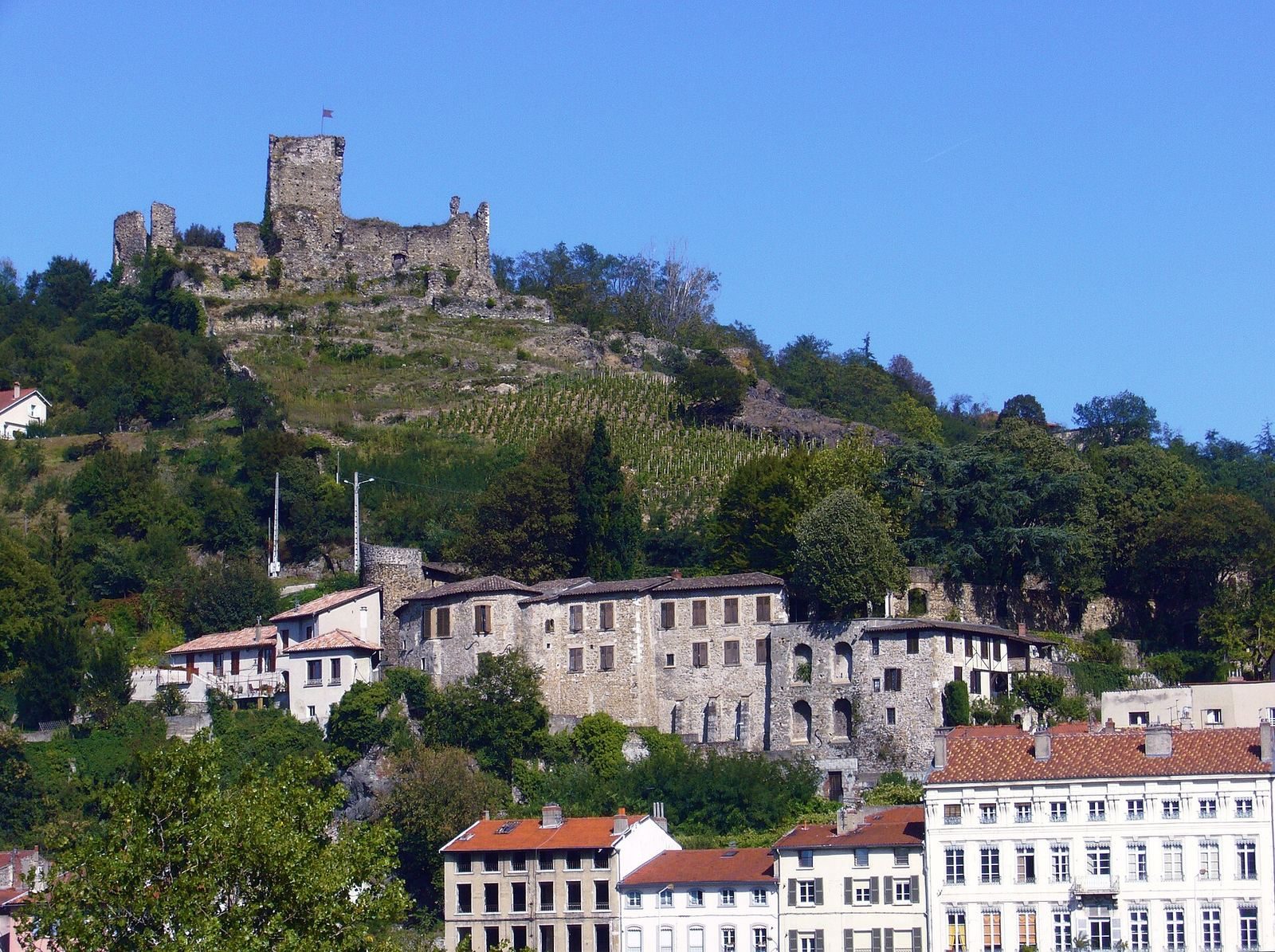
The Château de la Bâtie survives as the ruins of a medieval fortified castle. Vienne’s wider defensive landscape included fortifications associated with Mont Salomon and an enclosure that crossed several hills on the left bank of the Rhône.
Mont Salomon Fortification
A Roman fortification is associated with Mont Salomon. Its remains may have been reused during the early Middle Ages.
Vienne’s Enclosure
The city’s enclosure extended for about 7 kilometres across five hills, including Mont Salomon. It reached the Rhône to the north and south but left the southern district and neighborhoods on the river’s right bank outside its boundary. The enclosure covered about 200 hectares of urbanized and non-urbanized land. Its walls were 2.5 to 4 metres thick and at least 8 metres high, with six gates and 58 towers. Many towers stood in valleys overlooking roads that provided access to the city.