Cronesteyn Castle: A Fortified Estate near Leiden
Site at a Glance
- Popularity
- Medium
- Country
- Netherlands
- Primary era
- Unclassified
- Eras represented
- Unclassified
- Civilizations
- Unclassified
- Site type
- Domestic
- Remains
- Castle
On this page5 sections
History
Cronesteyn Castle was a fortified estate southeast of Leiden in the Netherlands, originating around 1300 as a fortified farm. Its earliest names were Die Brouck and Heer Wouterswerf, the latter associated with Wouter van Oud-Haerlem.
Early names and ownership
In 1325, Jan van Polanen acquired Wouterswerf as a fief, land held through a feudal relationship, from Wouter van Haerlem’s descendants. The estate then covered 88 morgen, a Dutch land measure whose size varied by locality. Willem Smeder, a Leiden alderman, or municipal magistrate, lived there.
The Van Polanen family of Lek and Breda sold the property in 1404 to the knight Floris van Alkemade. It became known as Huys Alckemade, and its area was then 20 morgen. On 7 May, Count Albrecht granted Floris the privilege of retaining Leiden burgher status for the estate’s resident, although the property lay beyond the city boundary. Willem van Alkemade succeeded his father as lord of the house in 1422. The later name Cronesteyn, first found in 1510, is linked to the Van Cronenburg family and may refer to Willem’s mother, Elisabeth van Cronenburgh, whose family came from Cronenburgh in Loenen aan de Vecht.
Rebuilding and later ownership
In 1475, family ties brought the estate into the possession of the Oem van Wijngaarden family. After the 1574 Siege of Leiden, a military siege during the Dutch Revolt, the estate was rebuilt as a castle-like country residence. David van Wijngaarden was particularly associated with the work, and the castle was rebuilt in 1580.
Gillis van Panhuysen bought the estate in 1613 and renovated and embellished the building. Ownership passed from the Van Panhuysen family to Willem Huijgens in 1664, then to the Van Hoeckelom family through inheritance in 1702. Maarten van Hoeckelom sold the property, still in good condition, to Rogier van Alderwerelt in 1757. It later declined. Hendrik Kromhout bought it in 1781 and had the castle demolished in 1787.
From estate to public park
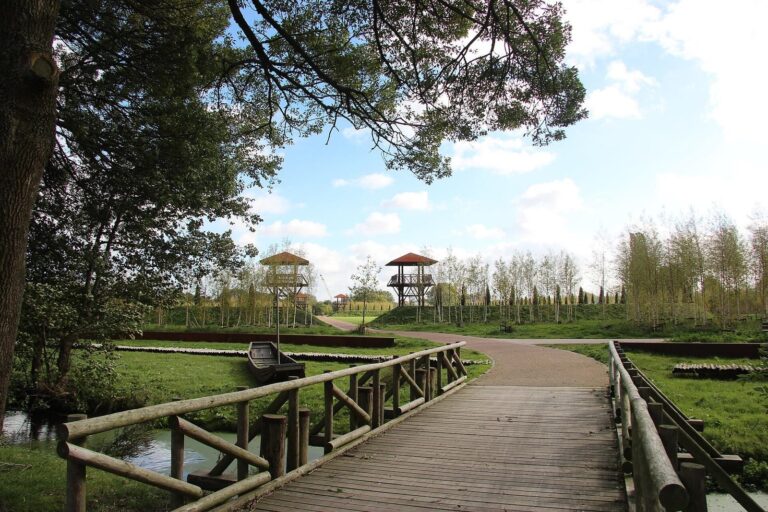
In 1966, Leiden annexed several areas, including the Kleine Cronesteinse or Knotterpolder; the boundary with Zoeterwoude then followed the A4 motorway. Cronesteyn Polder Park was established there in 1982.
Remains
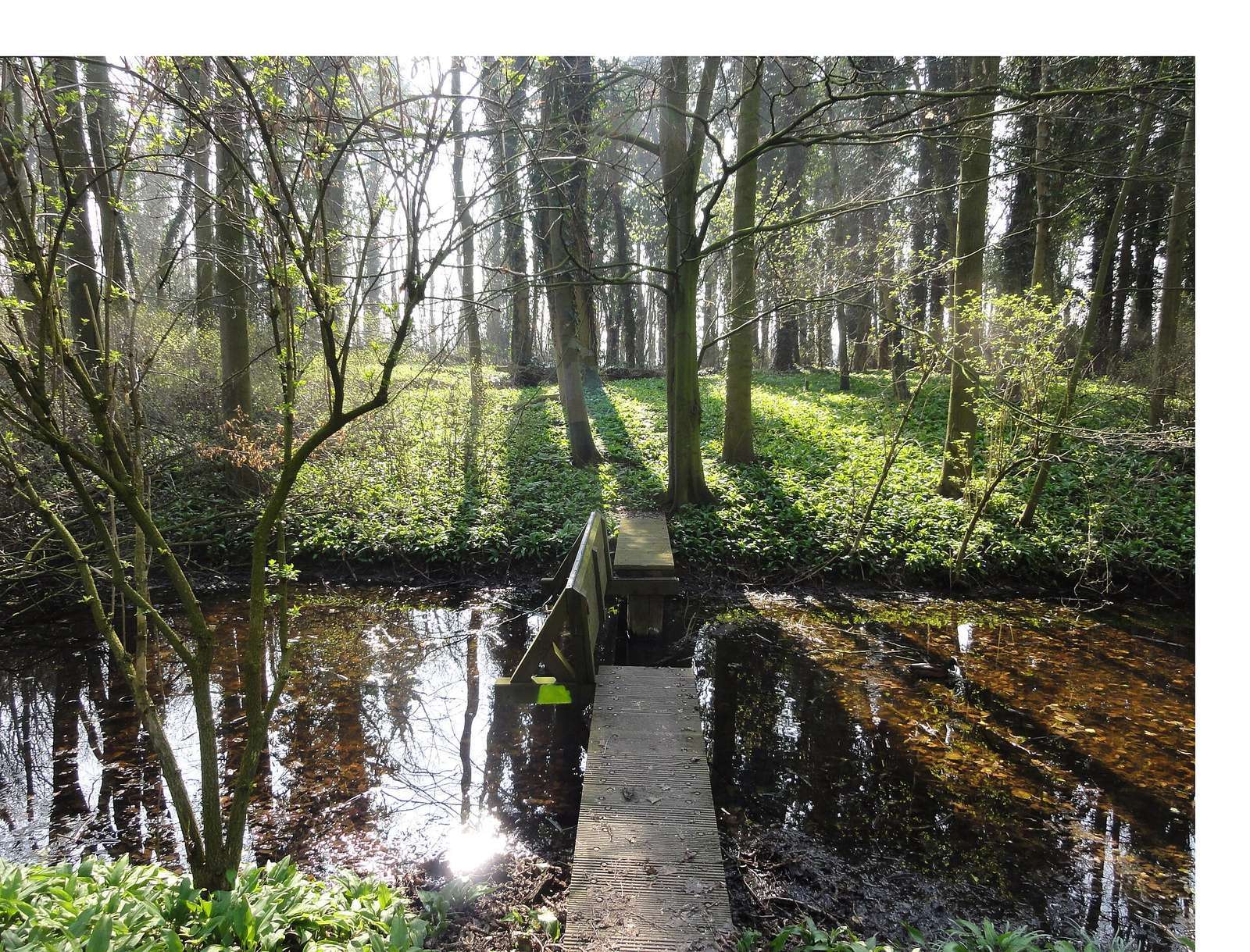
The stone castle stood near Lammen, east of the Roomburger Watering, now called the Vliet. A moat enclosed its inner grounds, and the moat survives. A drawing by the Dutch painter and draughtsman Roelant Roghman depicts the castle.