Imbshausen Castle: A Gothic Revival Manor House in Lower Saxony
Site at a Glance
- Popularity
- Medium
- Country
- Germany
- Primary era
- Modern
- Eras represented
- Early Modern, Modern
- Civilizations
- Kingdom of Hanover
- Site type
- Domestic
- Remains
- Castle
On this page6 sections
History
Medieval estate and early manor
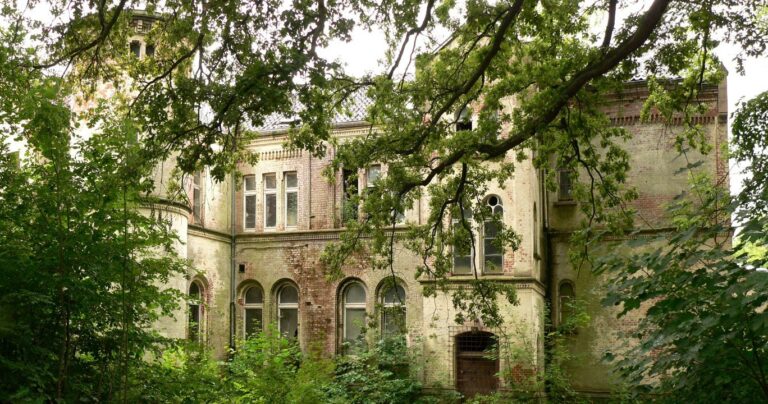
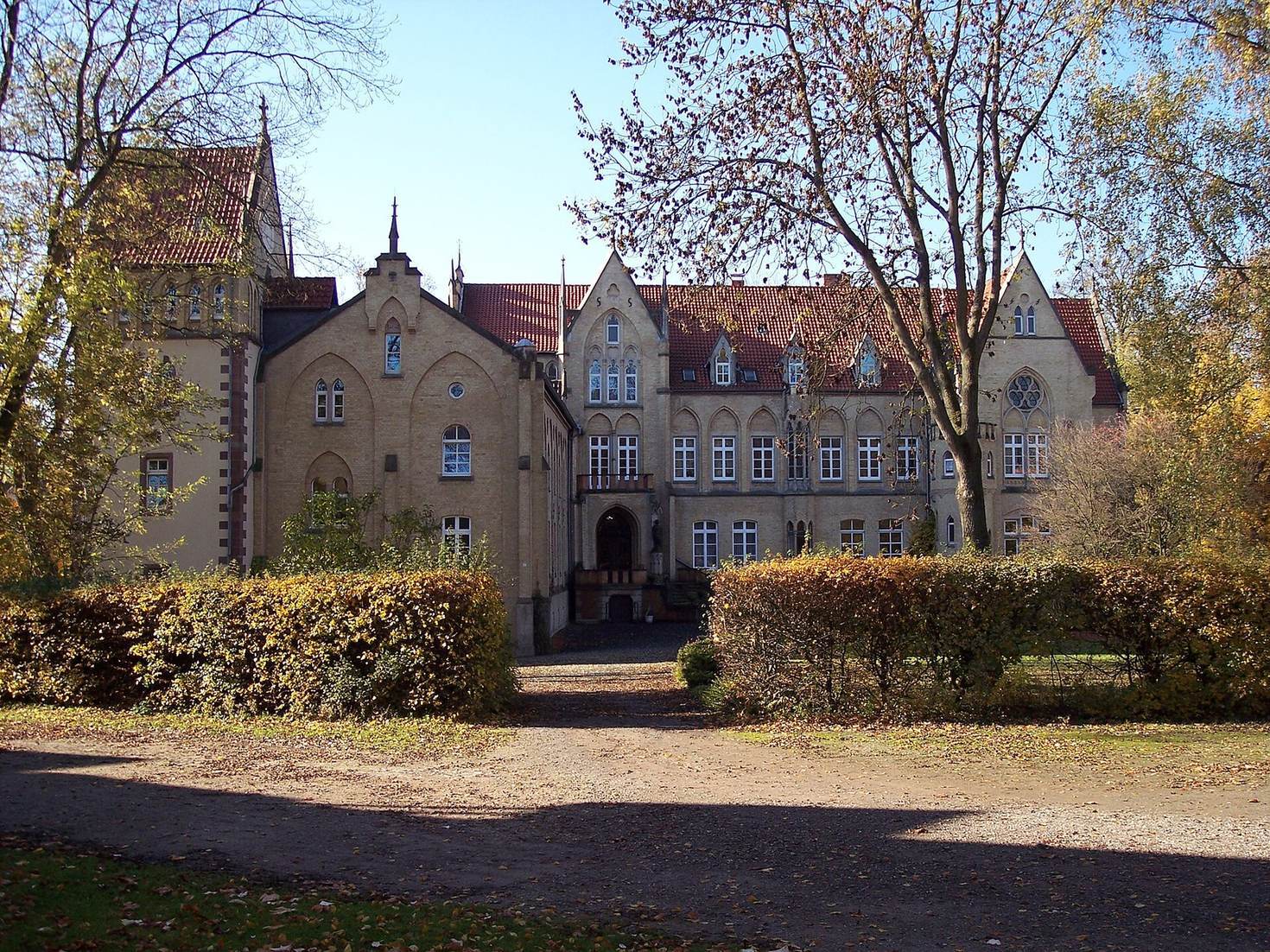
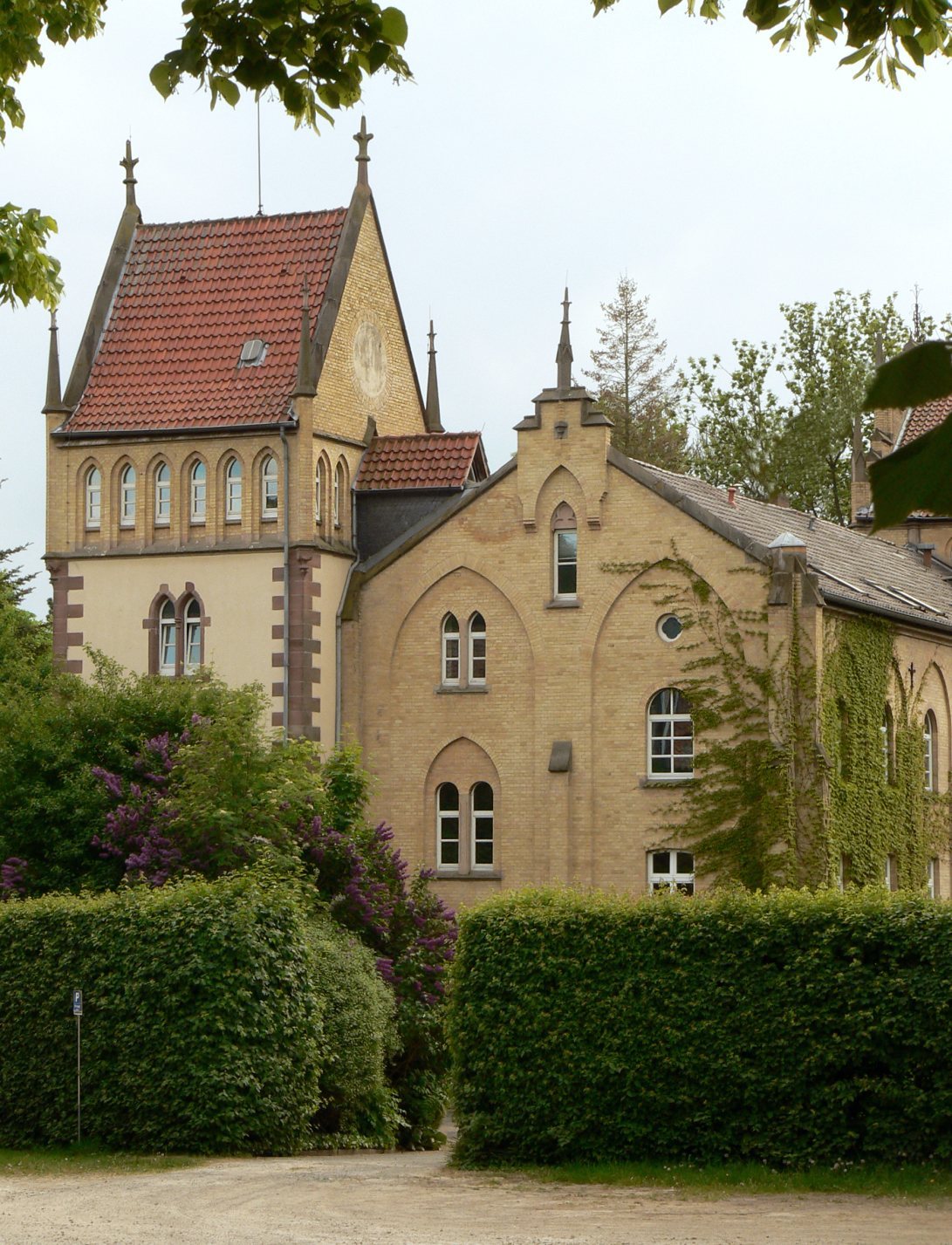
Imbshausen Castle is a manor house in Imbshausen, Lower Saxony, Germany, commissioned by Adolf, Baron von Stralenheim, and built from 1862 to 1864 in Gothic Revival style. This 19th-century movement drew on medieval Gothic forms. The design also uses the asymmetrical approach associated with the Hanoverian School, a 19th-century architectural movement linked to Hanover. The castle is regarded as the first built in this style. Hanoverian architect Julius Rasch designed the building.
The settlement grew around the estate, where building activity reaches back to the 11th century. A fortified farmstead belonging to the Saxon Immedinger lineage stood there. Around 1013, the estate passed through Bishop Meinwerk to the Diocese of Paderborn, the church territory governed by its bishop.
Ownership changed hands repeatedly during the Middle Ages. Around 1561, the estate passed to Sievert von Steinberg, whose successor Adrian commissioned a new manor house. In 1750, the estate, then known as Immundshusen, passed by marriage to the von Stralenheim family.
Research, church use, and return
Henning, Baron von Stralenheim, took over the estate in 1919. After the Second World War, the family had to leave, and the castle was used as emergency accommodation. From 1945 to 1948, the estate served as a testing and research center for agricultural work science and engineering run by the Kaiser Wilhelm Society, a German research organization. After that society became the Max Planck Society in 1948, the property remained part of its successor until 1950.
From 1952, the castle housed a preacher’s seminary, an institution for the theological and pastoral training of clergy, run by the Evangelical Lutheran Church of Hanover. Henning von Stralenheim gave the property to the church in 1963. In 1998, the castle and park were sold for five Deutsche Marks to the Campus for Christ mission. From November 2010, the Christian Meeting Center Schloss Imbshausen association operated the property. The center closed on 1 November 2012 because it could not meet fire-safety requirements set by Northeim District. In 2013, Carl-Christian von Plate, a descendant of the former owners, bought the estate back.
Remains
Manor house
The three-part brick building has a main wing, a secondary wing, and a tower-like addition. Its facades feature projecting sections, ornamental patterns formed by intersecting bars or moldings, and pointed-arch recessed panels that span several floors without opening into rooms.
Predecessor and grounds
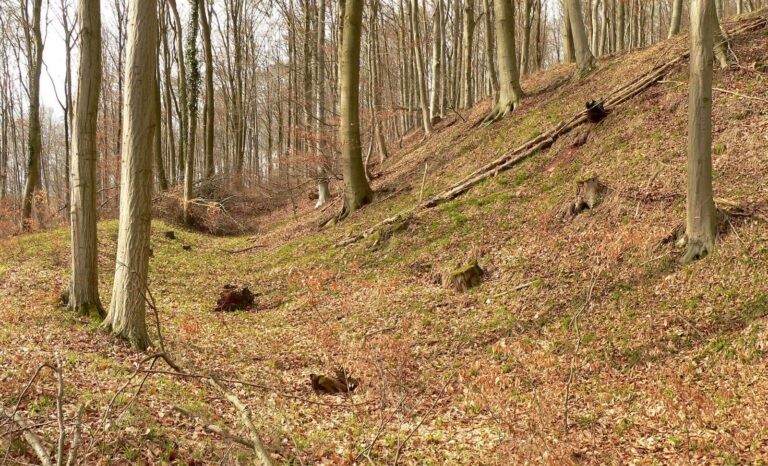
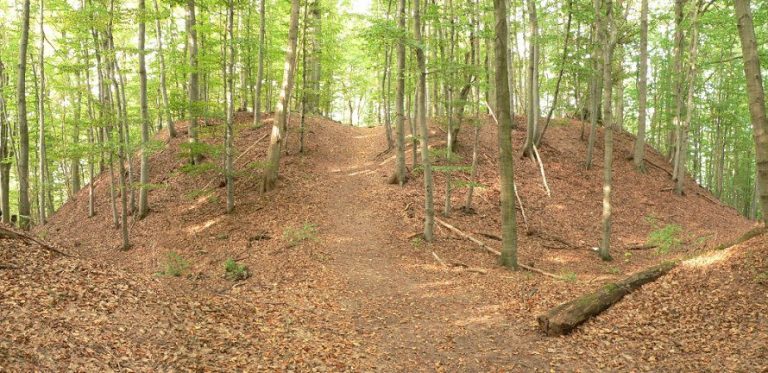
The present building stands on foundation walls and a vaulted cellar belonging to a predecessor that dates to the second half of the 16th century. Remnants of the moat around the earlier castle can still be discerned. The associated park covers about two hectares and contains mature trees.