Palazzo Campana in Turin: From Oratorian House to University Building
Site at a Glance
- Popularity
- Medium
- Country
- Italy
- Primary era
- Early Modern
- Eras represented
- Early Modern, Modern
- Civilizations
- Duchy of Savoy, Kingdom of Sardinia
- Site type
- Civic
- Remains
- University
On this page5 sections
History
Oratorian foundation and civic uses
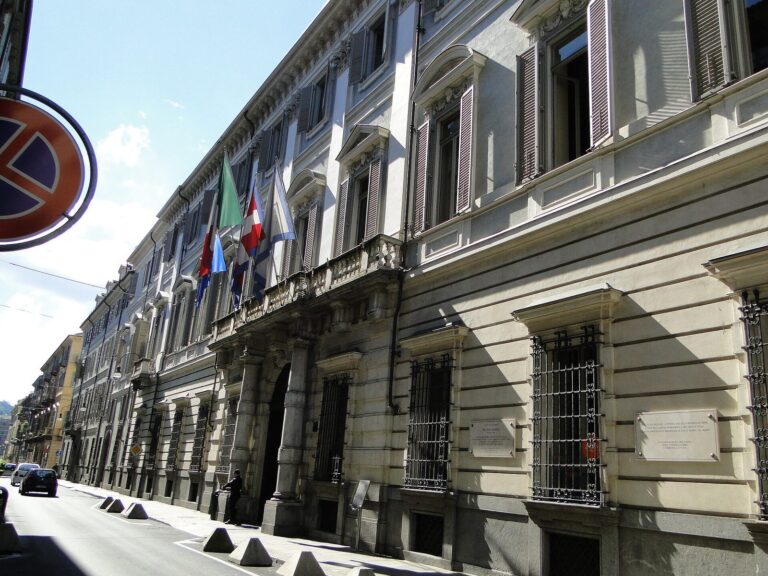
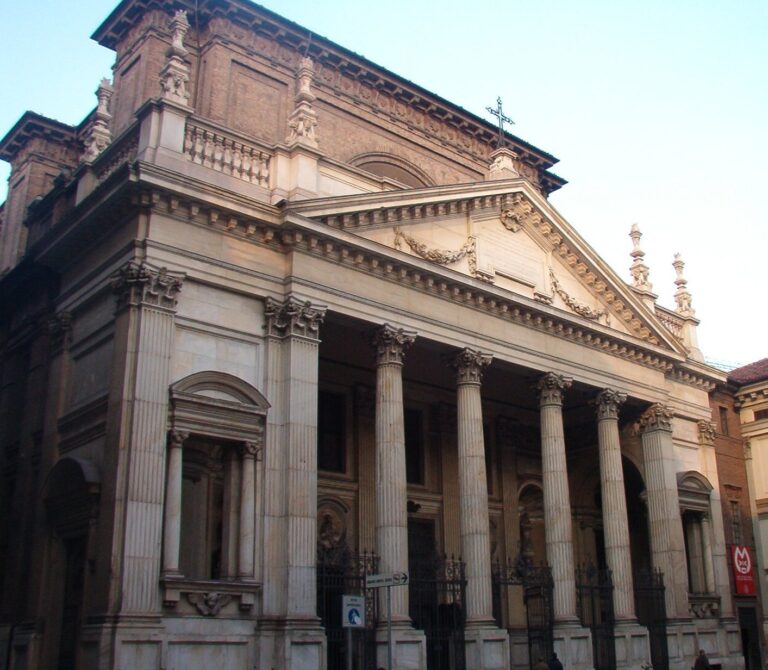
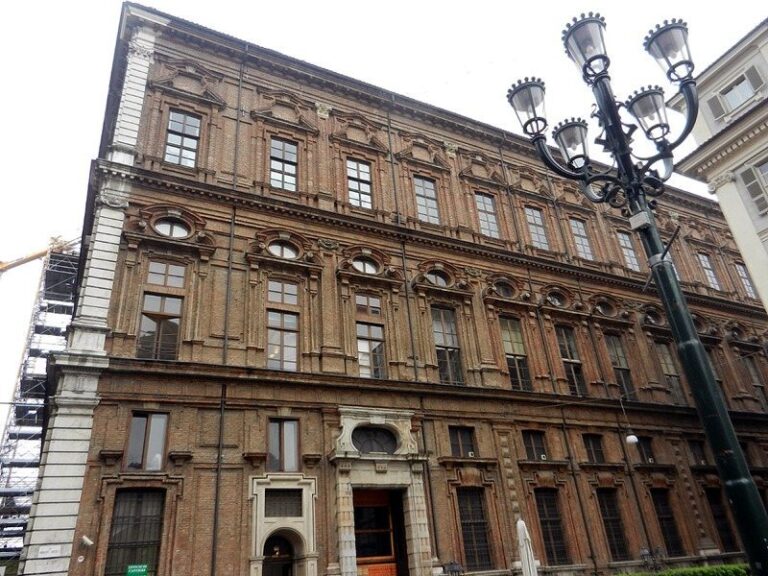
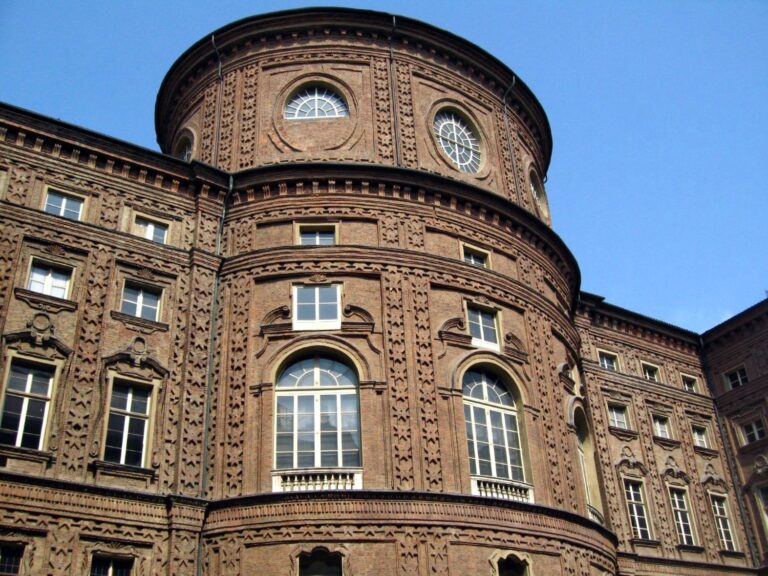
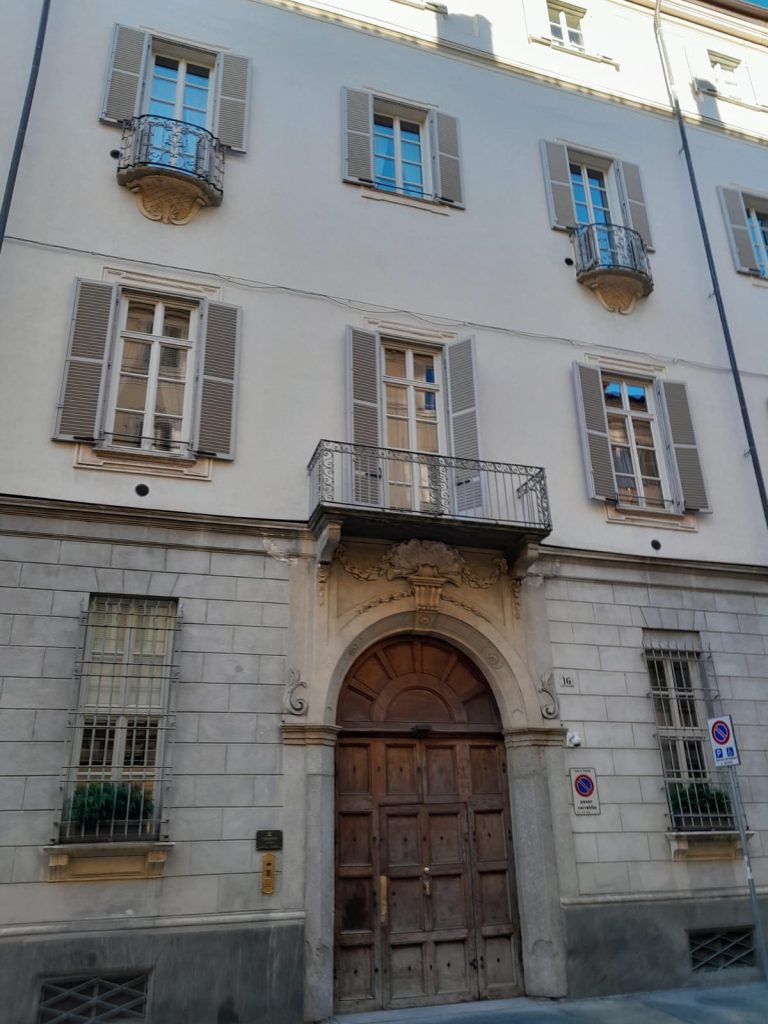
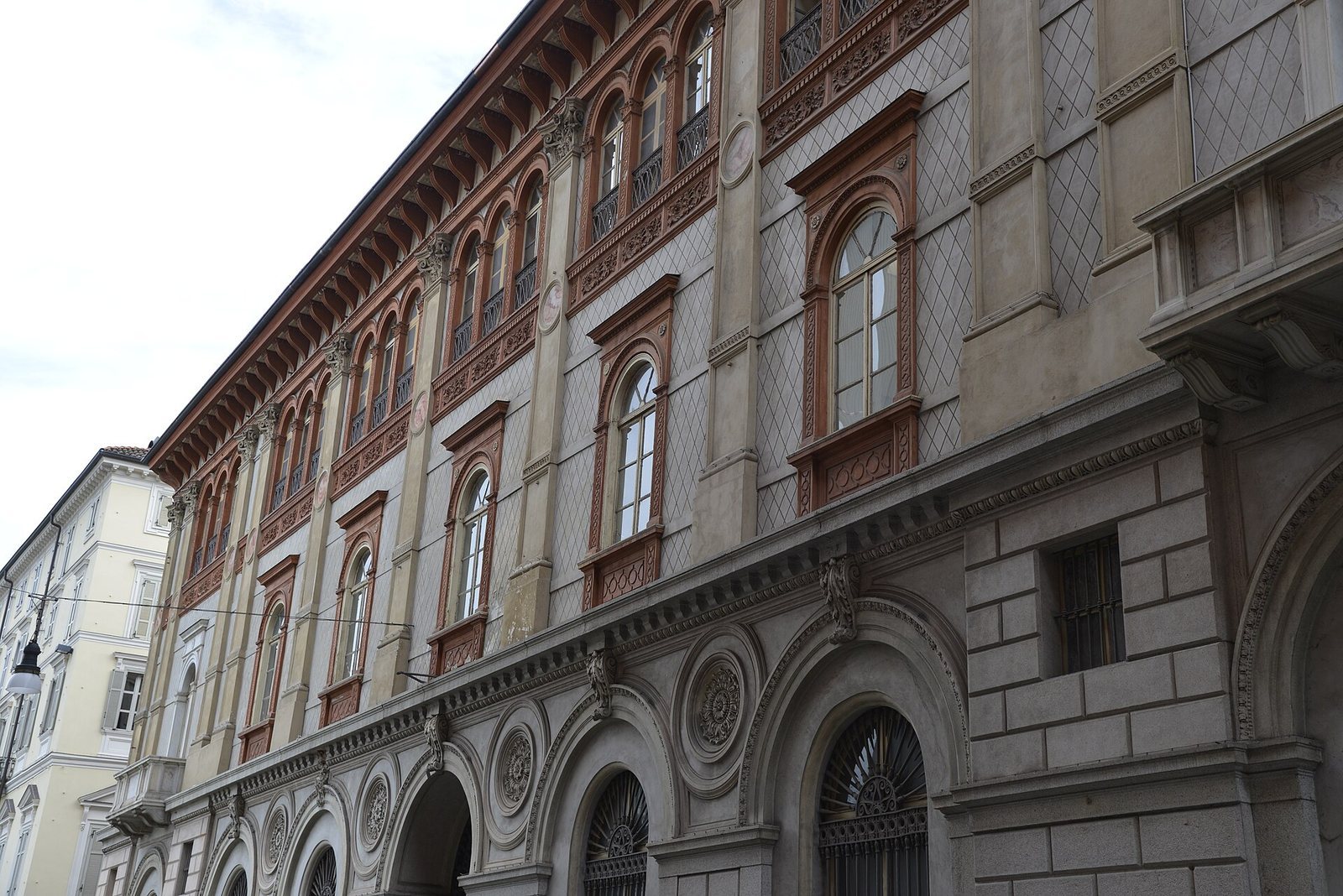
Palazzo Campana is a Baroque public building in Turin, Italy. Construction began in 1675, and the building was completed around the middle of the eighteenth century as a seat of the Oratorian Fathers, members of the Catholic Oratory, a congregation founded by Philip Neri.
After the Napoleonic government suppressed the congregation in 1801, the building became a barracks. It returned to the Oratorians in 1814, during the Restoration, when pre-Napoleonic political arrangements were restored. Following the congregation’s definitive suppression in 1855, the building passed into state and civic use. It housed the Ministry of Public Works, Turin’s central post office, and the State Securities Printing Works, which moved to Rome in 1924. After the capital moved to Florence in 1865, the Civil Engineering Corps, the state service for public works and engineering, was based there. The building later became municipal property.
Fascist rule and the postwar university
From 1929, the building was known as Casa Littoria and housed the provincial federation of Italy’s ruling National Fascist Party. On 26 July 1943, it was stormed and partly set on fire. A few months later, under the Italian Social Republic, a Fascist state established in northern Italy late in the Second World War, it again became a party headquarters, this time for the Republican Fascist Party, successor to the National Fascist Party.
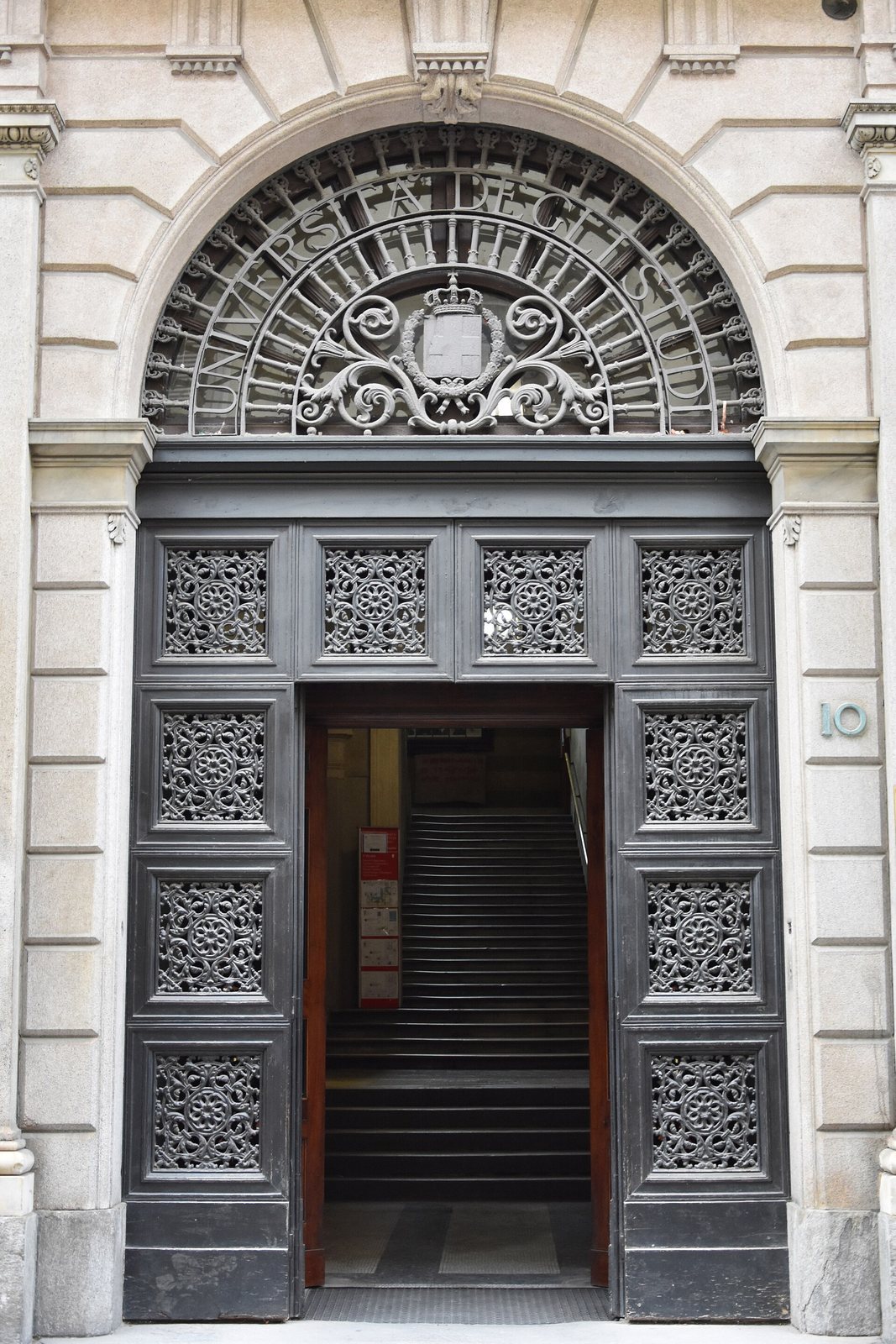
At the end of Fascist rule, the building took the name Palazzo Campana from the resistance name of Felice Cordero di Pamparato, a partisan who fought against Fascism and was hanged by the Fascists at Giaveno. It was assigned to the University of Turin.
Student occupation and university use
On 27 November 1967, students led by Guido Viale and Luigi Bobbio occupied the building, then home to the humanities faculties. In 2002, Diego Novelli described the occupation as a spark for unrest at other Italian universities in the following weeks and as anticipating the French May 1968 protests, a wave of student demonstrations and strikes in France.
From 1967 to 1970, Palazzo Campana was a center of Turin’s Student Movement. The movement later shifted to the humanities faculties at Palazzo Nuovo and the science faculties on Via Pietro Giuria. Palazzo Campana continued to accommodate mathematics students and later students of Natural Sciences.
Remains
The building is Baroque in style. Its interior structures were remodeled in 1855 by the Italian architect Alessandro Mazzucchetti. Palazzo Campana now houses the University of Turin’s Department of Mathematics, named after mathematician Giuseppe Peano.
During the Italian Social Republic, prison cells for anti-Fascists were constructed in the basement.