Kyrburg: A Medieval Castle Above Kirn, Germany
Site at a Glance
- Popularity
- Medium
- Country
- Germany
- Primary era
- Medieval
- Eras represented
- Medieval, Early Modern
- Civilizations
- Holy Roman Empire
- Site type
- Military
- Remains
- Castle
On this page7 sections
History
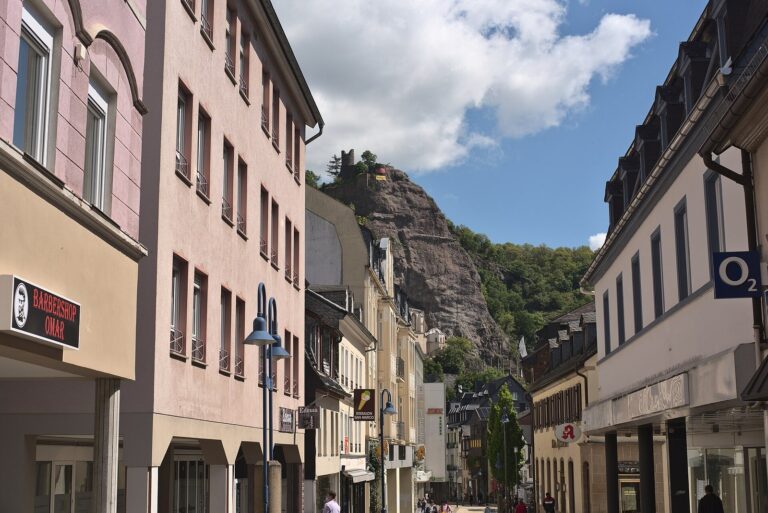
Kyrburg is a hilltop castle above Kirn in Rhineland-Palatinate, Germany, known to have existed by 1128, when Count Emich de Kirberc mentioned it in a charter. It became an ancestral stronghold of the Wildgraves, a German noble line that succeeded the Emichonen dynasty.
Medieval stronghold and dynastic seat
By the end of the thirteenth century, the Wildgraves had divided into several branches, including one that took its name from Kyrburg. In 1409, the Rhinegraves, another German noble line, acquired the castle through marriage. After a division within the House of Salm, Kyrburg became the centre of the Salm-Kyrburg branch.
The territory administered from the castle formed the Kyrburg administrative district, whose seat later moved to Kirn.
Military occupation and destruction
During the Thirty Years’ War (1618–1648), a major European conflict, Spanish, Swedish, and imperial troops occupied the castle. French control followed in 1681, and the fortifications were renewed in 1689. In 1734, during the War of the Polish Succession (1733–1738), another European war, the fortress was blown up while under French occupation. Residents of Kirn later took stone from the ruins for building material.
Later ownership and use
The complex passed to the Princes of Salm-Salm in 1908 and became the property of the city of Kirn in 1988. The ruins are also used as an open-air stage for cultural events.
Remains
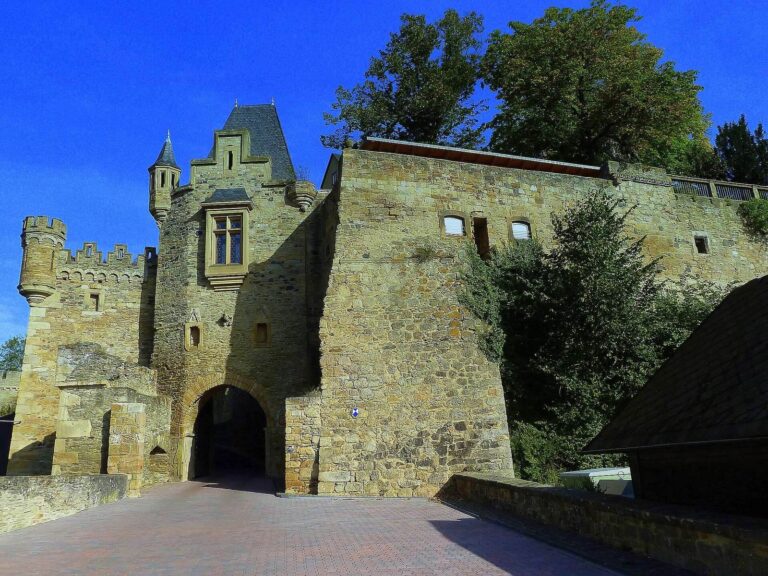
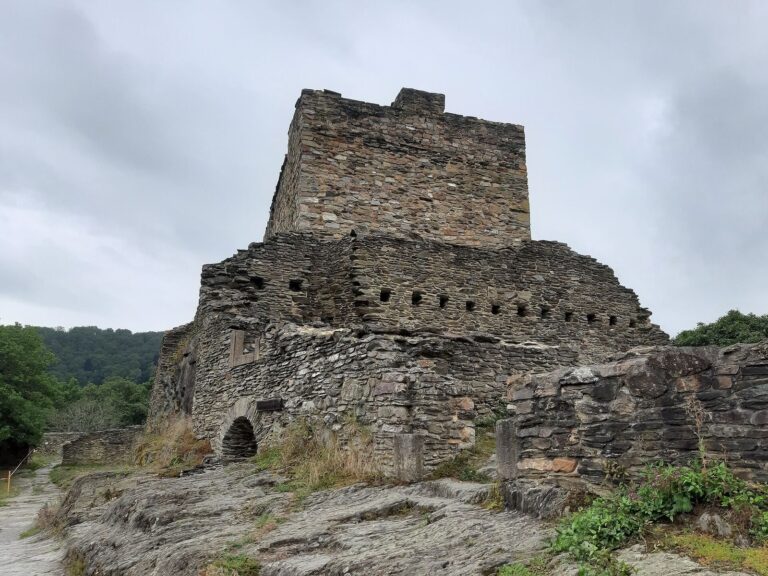
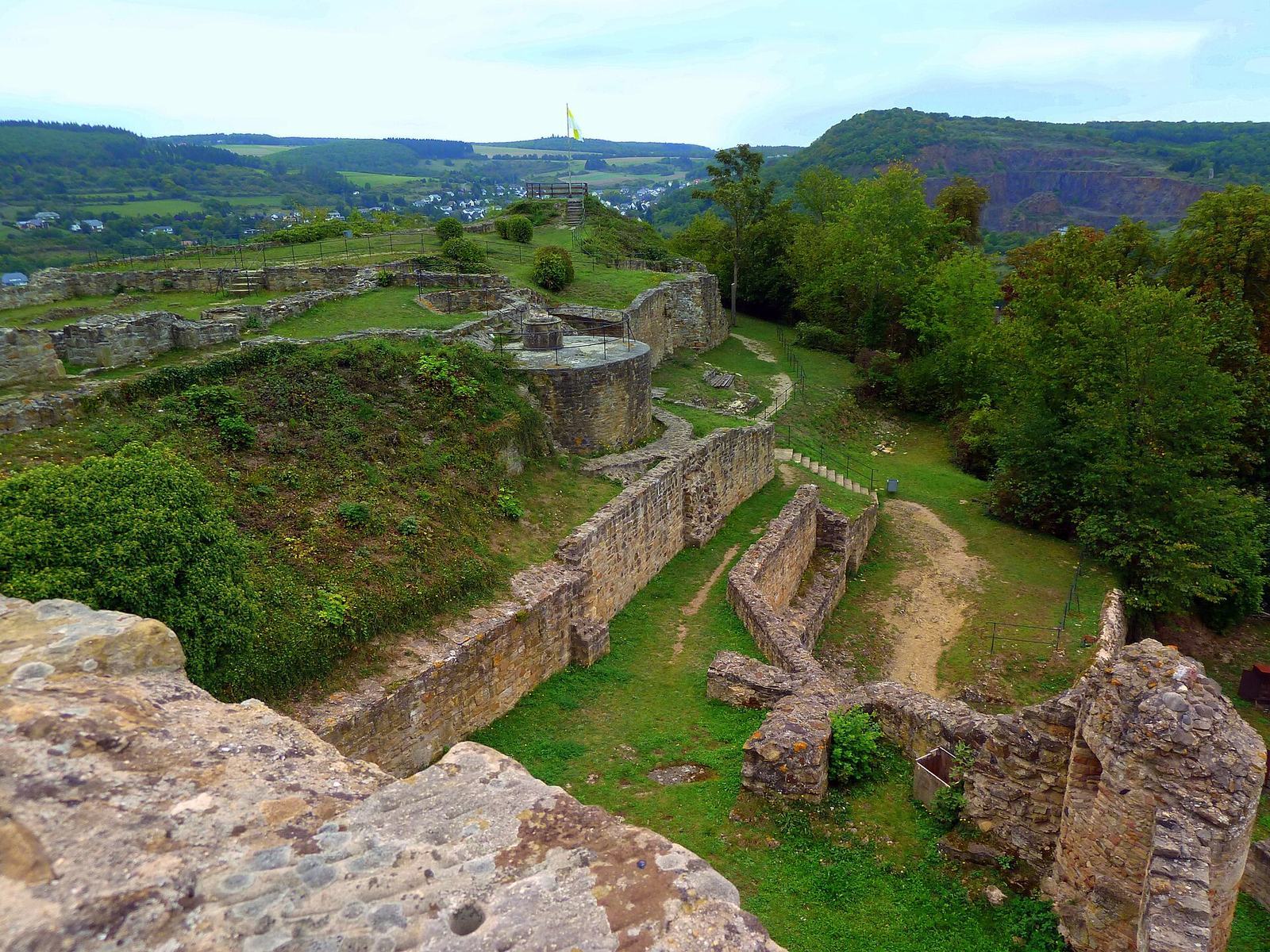
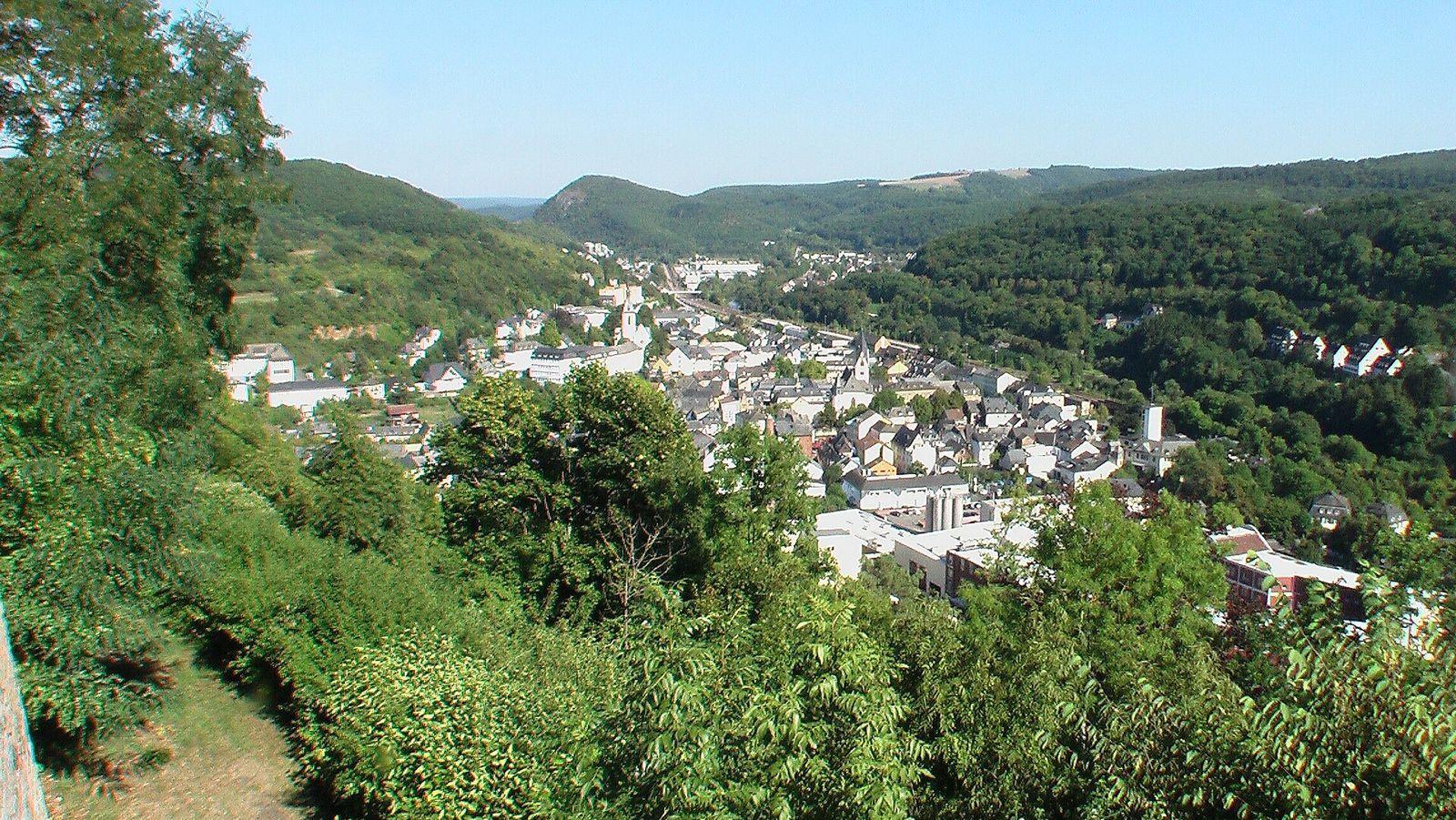
The castle stands at about 300 metres above sea level on a hilltop between the Nahe and Hahnenbach valleys, high above Kirn. Its surviving remains include castle masonry and a later Baroque garrison house.
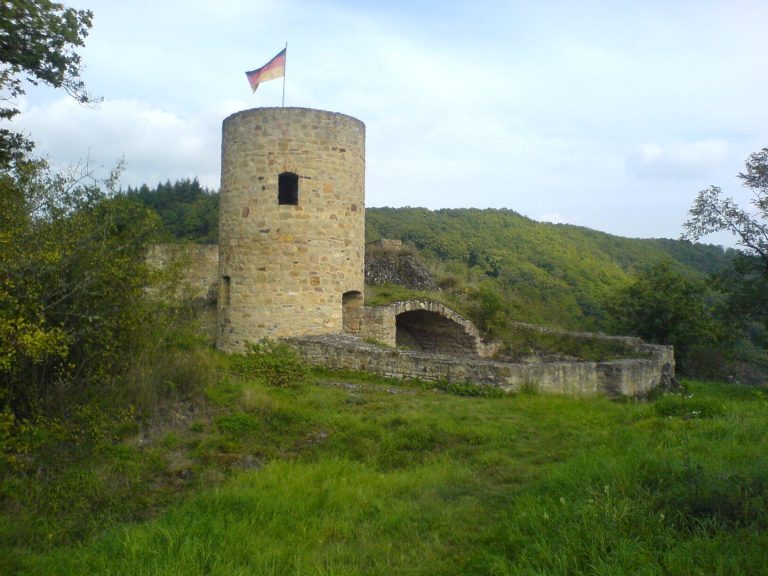
Castle walls and tower
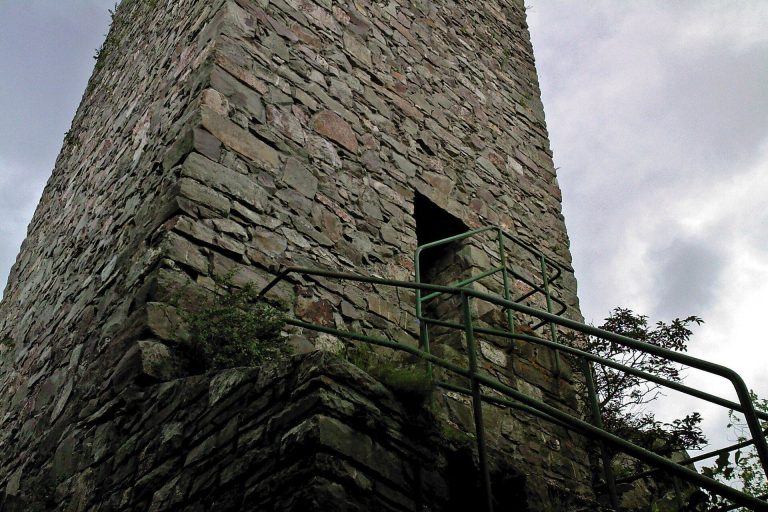
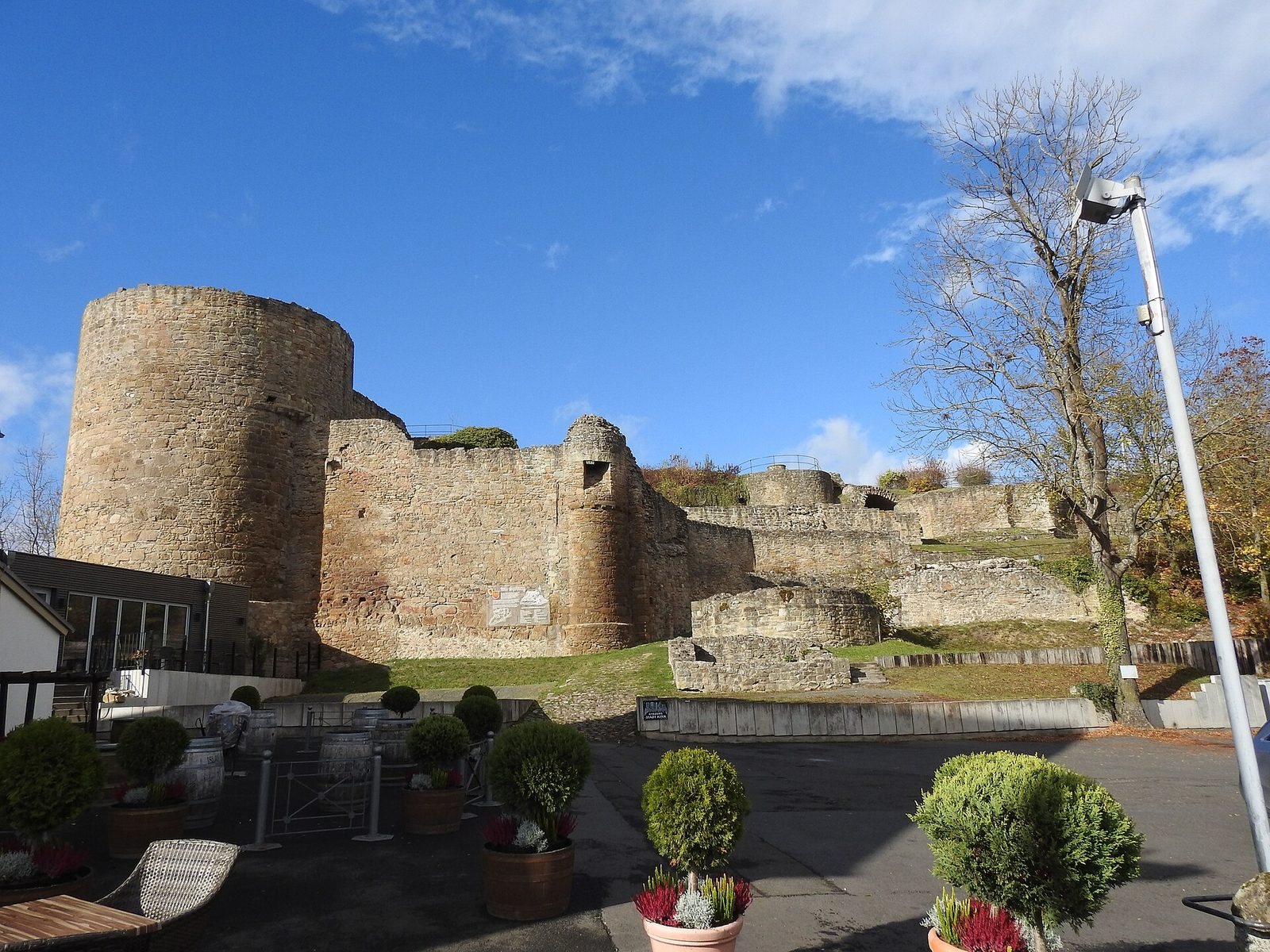
Exposed sections of castle wall and a southwest tower survive. The ruins overlook an old quarry.
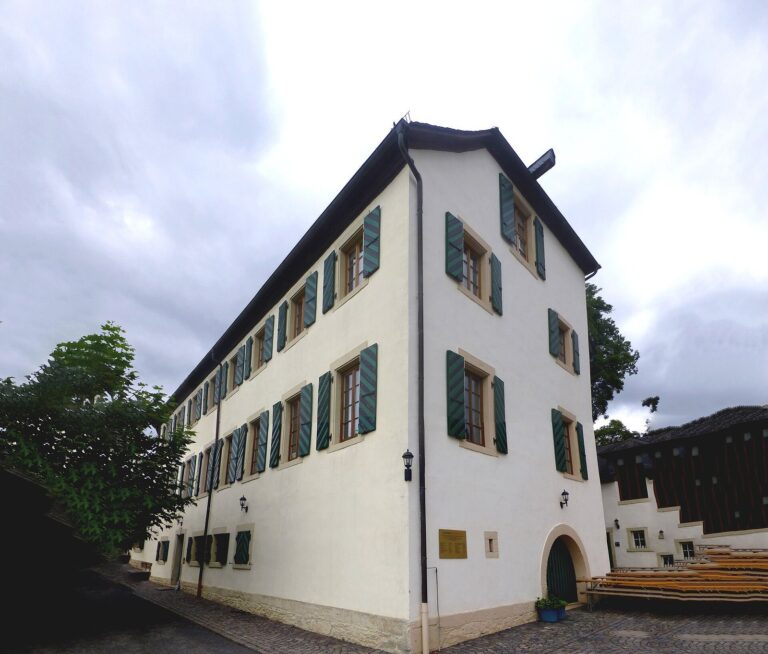
Garrison house
Prince Johann Dominik zu Salm-Kyrburg had the garrison house built in 1764. This Baroque building survives in substantial part. It houses a restaurant, and its cellar contains a whisky museum.