Episcopal Palace, Vienna: Residence of the Archbishop
Site at a Glance
- Popularity
- Medium
- Country
- Austria
- Primary era
- Early Modern
- Eras represented
- Early Modern, Modern
- Civilizations
- Habsburg, Habsburg Austria, Holy Roman Empire
- Site type
- Religious
- Remains
- Palace
On this page9 sections
History
The earlier court and the Baroque palace
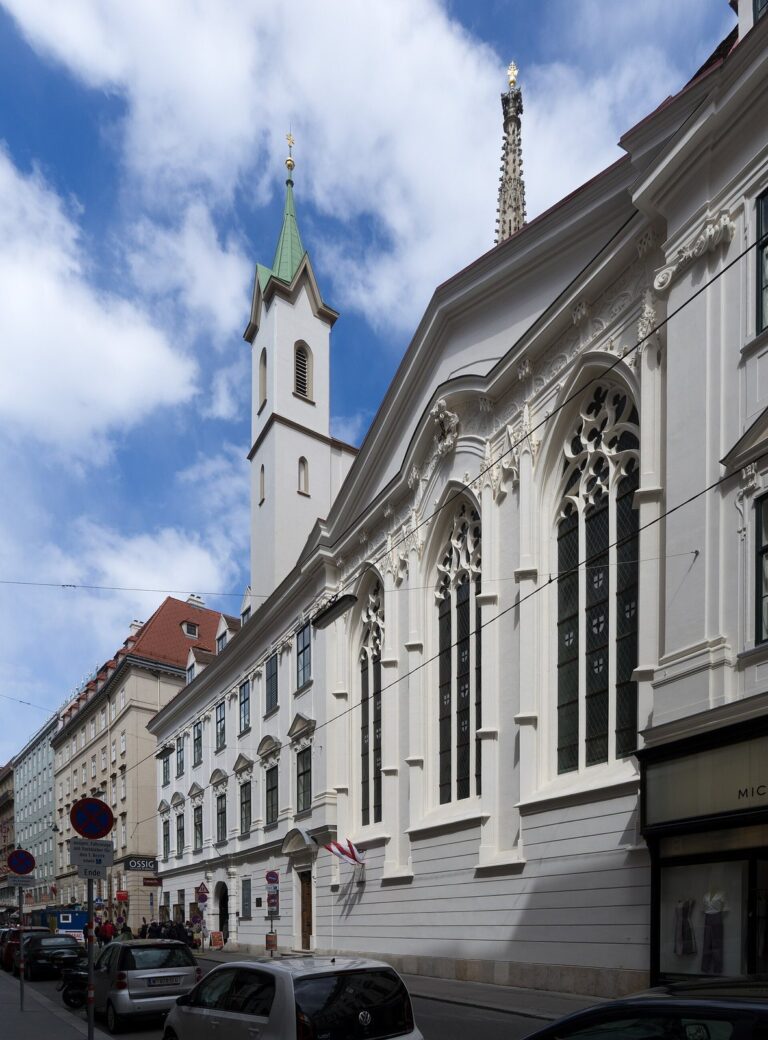
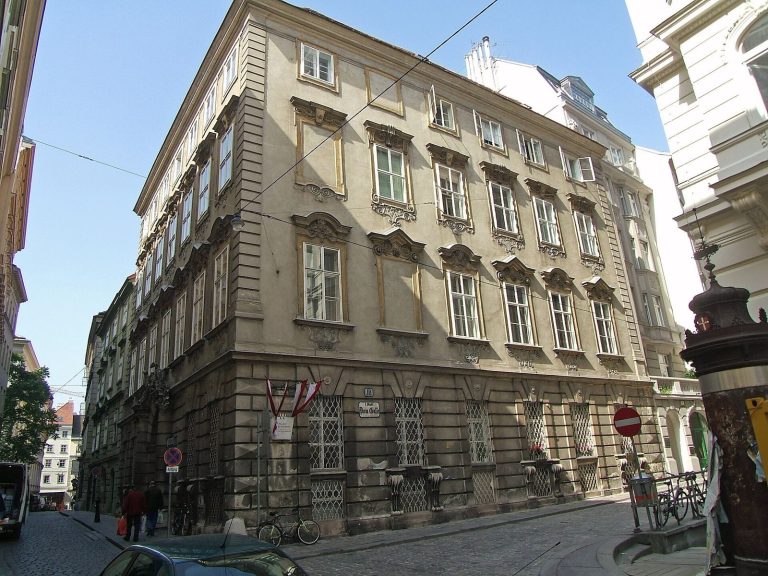
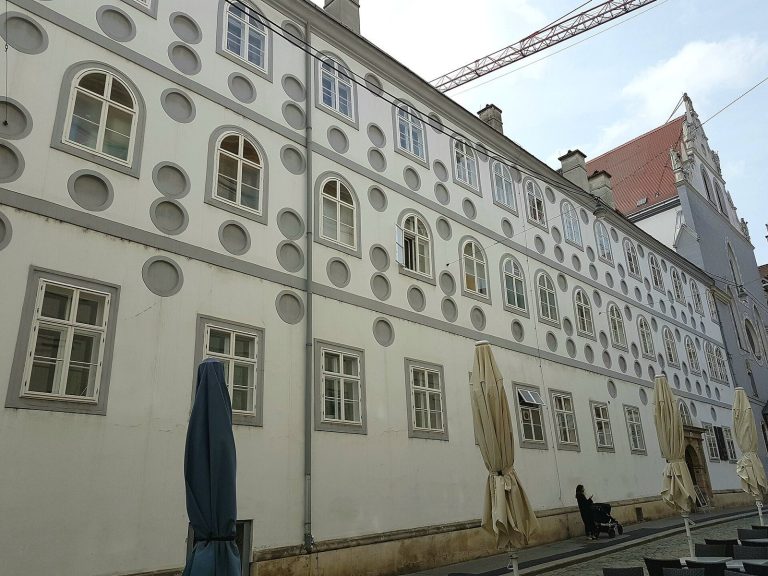
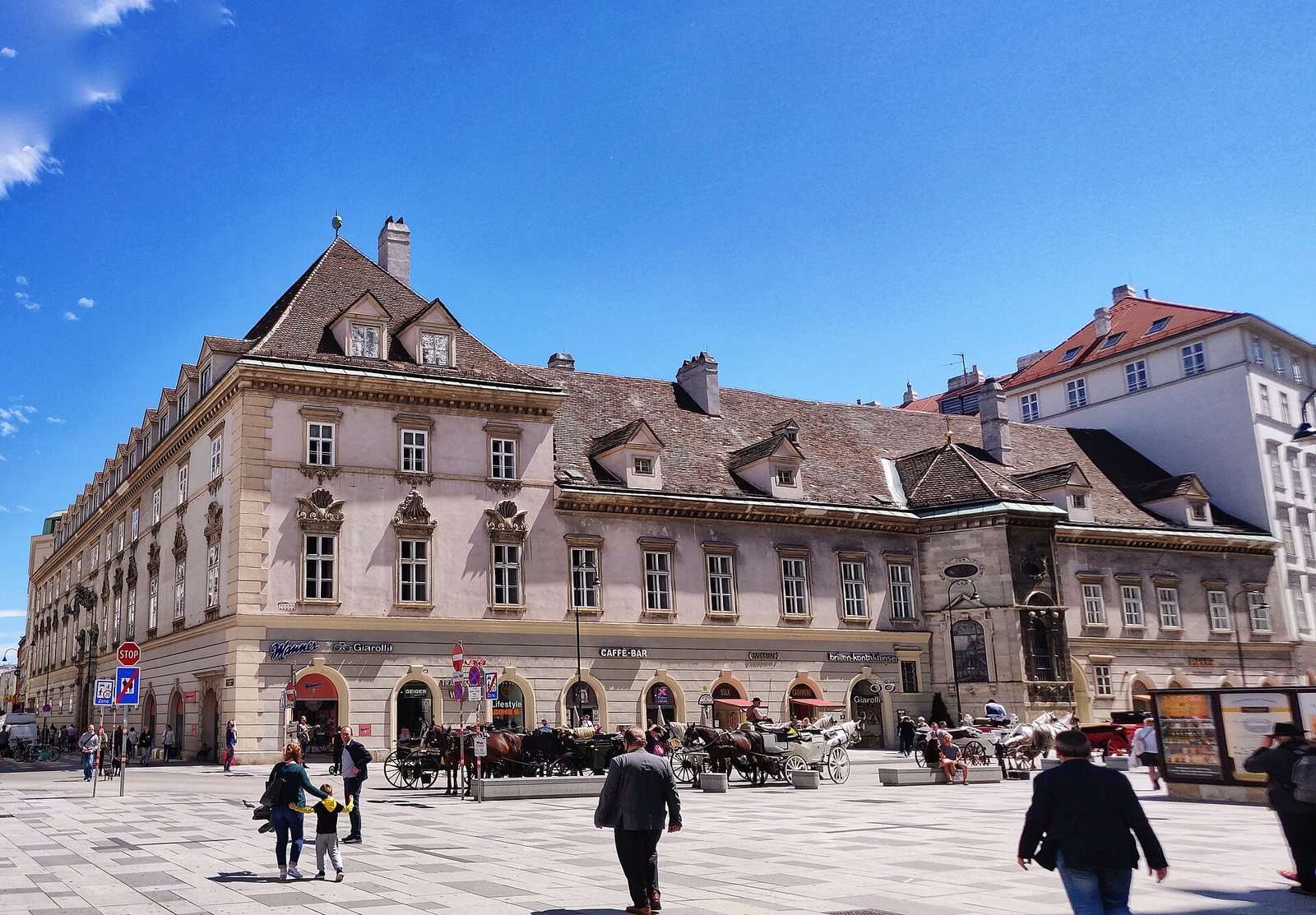
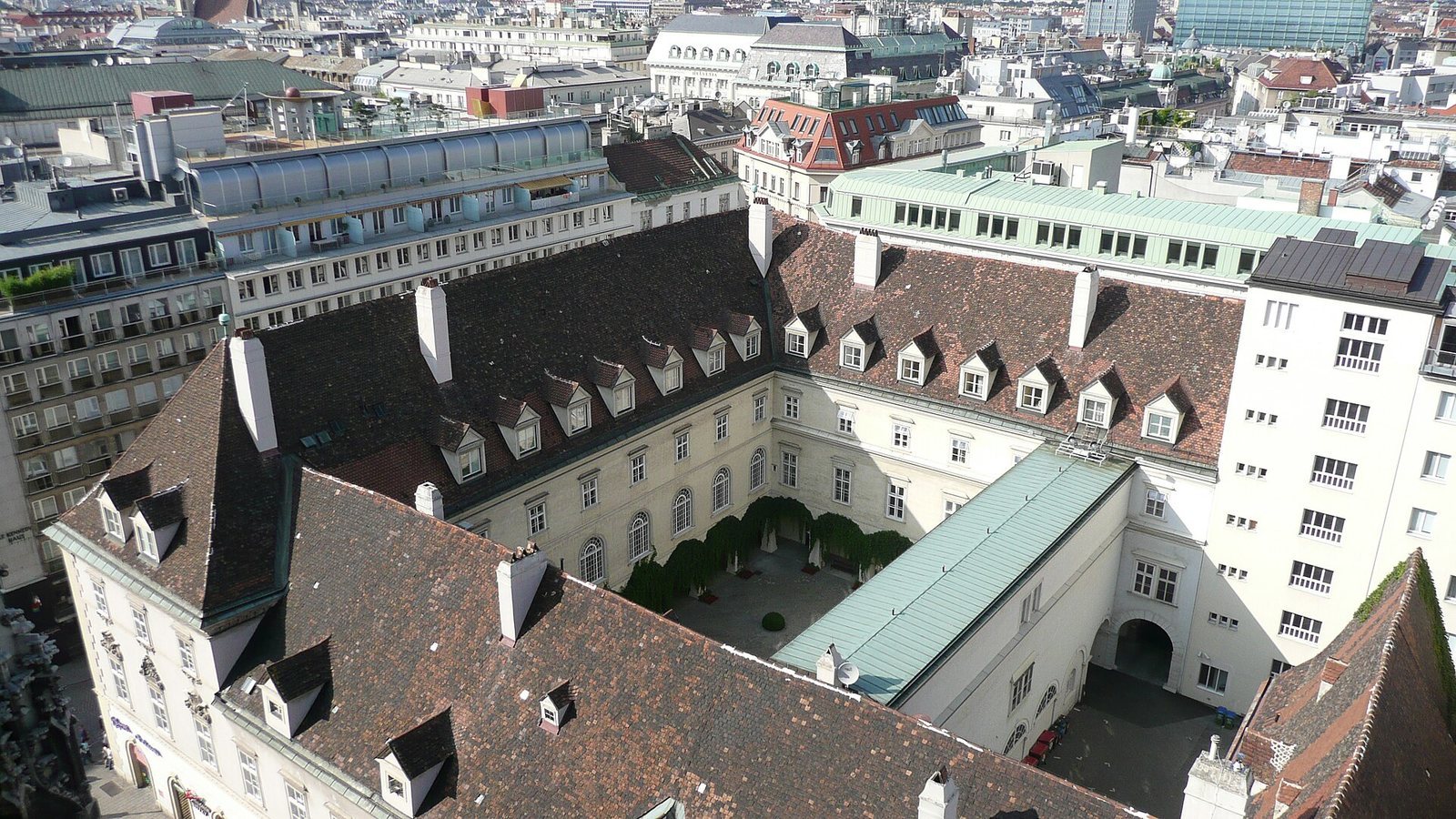
The Episcopal Palace is a stone palace in the Baroque style beside St Stephen’s Cathedral in Vienna, Austria. Baroque was a European artistic and architectural style that flourished especially in the seventeenth and eighteenth centuries. The present building was constructed from 1632 to 1641 under Bishops Anton Wolfradt and Philipp Friedrich von Breuner, replacing a building first recorded at the site in 1276.
In 1579, Bishop Johann Caspar Neubeck enlarged and embellished the Bishop’s Court. Vienna’s 1627 city fire then destroyed it completely. Emperor Ferdinand II contributed 100,000 Reichstaler toward the cost of the replacement palace. Diocesan building records from 1655 name master mason Domenico Carlone and stonemason Ambrosius Regondi of Kaisersteinbruch.
From episcopal to archiepiscopal palace
The Prince-Bishopric of Vienna, a church territory whose bishop also held princely rank, was established in 1631. In 1722, Emperor Charles VI secured Pope Innocent XIII’s agreement to elevate it to an archdiocese, a major Catholic jurisdiction led by an archbishop. After Count Siegmund Kollonitsch became prince-archbishop in 1723, the palace was known as the Archiepiscopal Palace.
Twentieth-century events and present use
The Archiepiscopal Cathedral and Diocesan Museum opened in the palace on 3 June 1933, then moved to the Zwettlhof at Stephansplatz 6 in 1973. On 8 October 1938, members of the Hitler Youth, the Nazi Party’s youth organization, stormed and devastated the palace. The attack followed a major Rosary demonstration, a Catholic devotion involving repeated prayers and meditation on events in the lives of Jesus and Mary, held after a forceful sermon by Cardinal Theodor Innitzer, a senior church official.
During Second World War air raids, the palace’s cellars were used as shelters. The Archdiocese of Vienna owns the building, which serves as the archbishop’s residence and as offices for part of the archdiocesan administration.
Remains
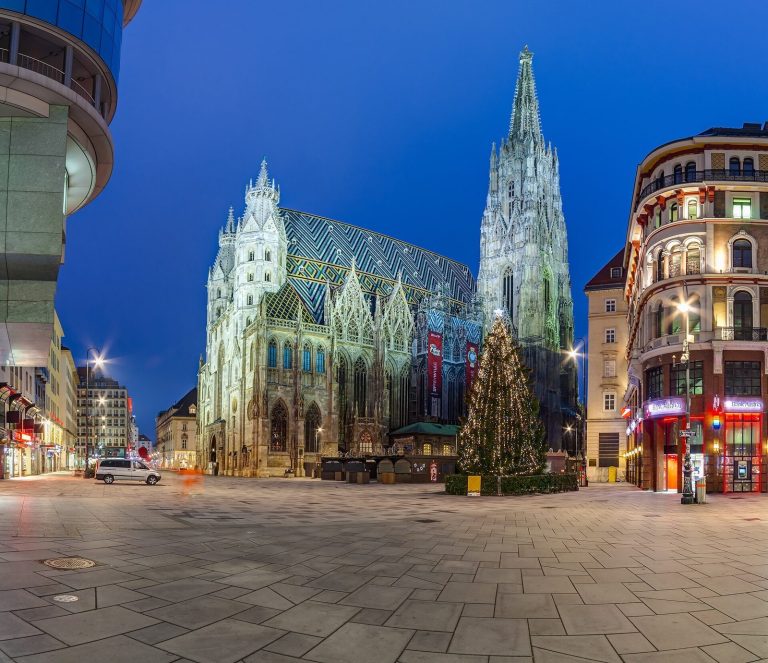
The Episcopal Palace is a stone Baroque building beside St Stephen’s Cathedral in Vienna’s Innere Stadt, the city’s historic central district. Its features include an incorporated chapel, a main staircase, vaulted cellars and underground archive space.
Palace and interiors
Building and Chapel of St Andrew
The palace incorporates the Chapel of St Andrew, named for one of the twelve apostles in Christian tradition. An additional storey was added to the building during the nineteenth century.
Putti Staircase
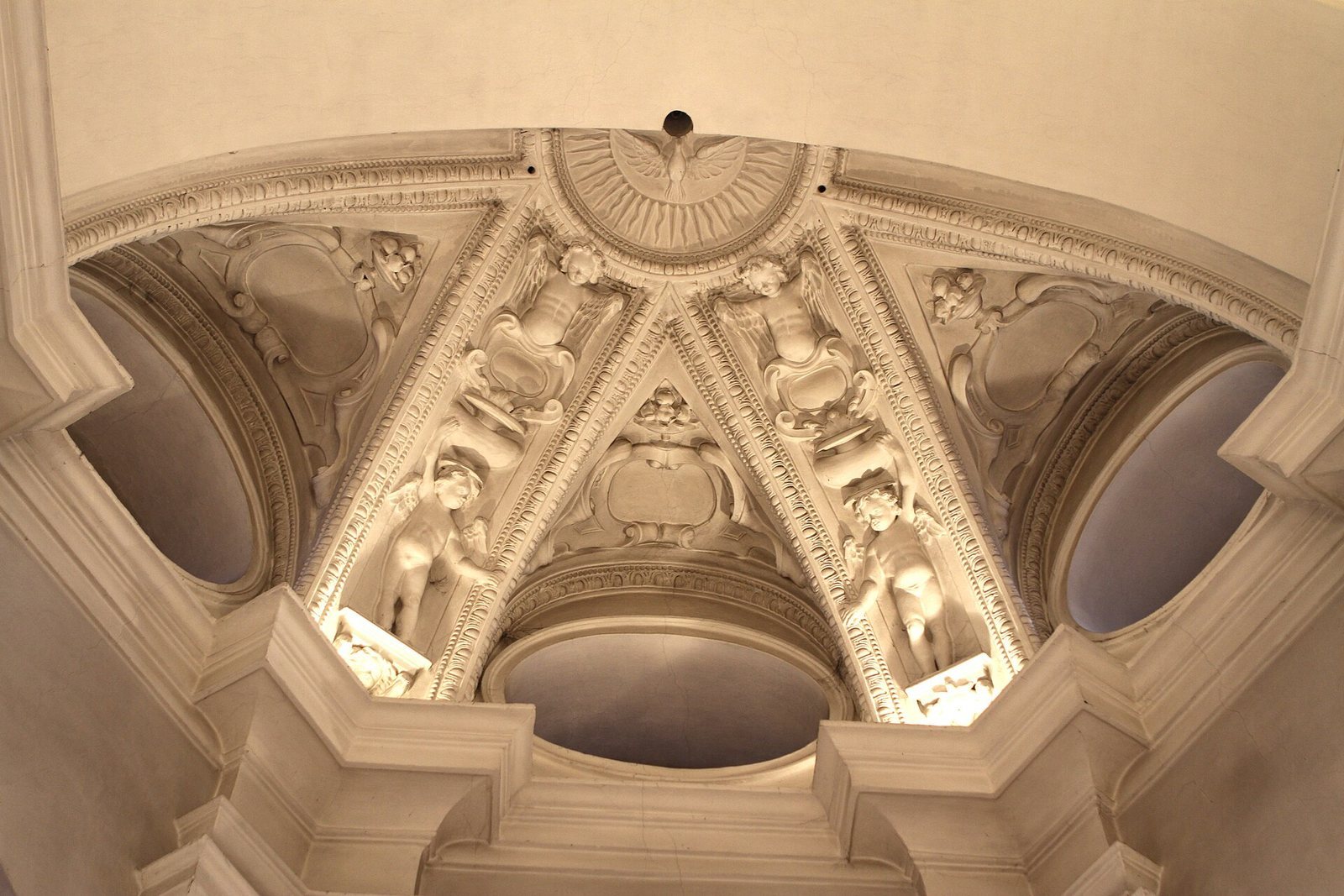
The main staircase, known as the Putti Staircase, was built in 1751 by archiepiscopal master builder Mathias Franziskus Gerl. Its name refers to putti, decorative child figures common in Baroque art. The staircase has elaborately worked steps of Kaiserstein, a historic building stone associated with Kaisersteinbruch. Stonemason Johann Gehmacher of Kaisersteinbruch supplied the steps.
Underground spaces
The palace has vaulted cellars. Additional space for the Diocesan Archive extends across two underground levels to a depth of 12 metres. Its shelving has a total length of eight kilometres.