Onsenoort Castle: A Medieval Castle and Cistercian Monastery
Site at a Glance
- Popularity
- Medium
- Country
- Netherlands
- Primary era
- Medieval
- Eras represented
- Medieval, Modern
- Civilizations
- Dutch, Holy Roman Empire
- Site type
- Religious
- Remains
- Monastery
On this page9 sections
History
Early castle and frontier conflict
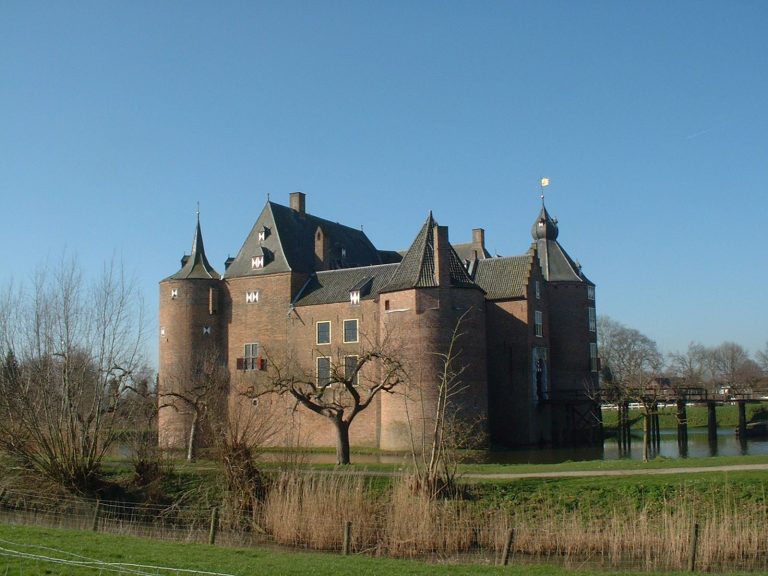
Onsenoort Castle is a medieval castle near Nieuwkuijk in North Brabant, the Netherlands. Its surviving residential tower now forms part of the Mariënkroon complex. The castle is thought to have been built toward the end of the fourteenth century, replacing an earlier stronghold. Its history was shaped by frontier disputes between the County of Holland and the Duchy of Brabant, neighboring medieval territories.
Onsenoort is first recorded in 1266, when Gerlach de Rovere was identified as lord of Waalwijk, Drunen, Vlijmen, and Onsenoort. In 1368, Laureins van der Putte transferred Onsenoort to Rutger den Ouden. Border disputes between Holland and Brabant had begun in 1356, and in 1372 Brabant forces led by Jan van Nederveen destroyed the castle. Nieuwkuijk appears to have come under Holland from 1374.
Rutger and his son Willem did not rebuild the castle. Jan Cuyst van Wijck, a local administrative and judicial officer in Vlijmen, received Onsenoort as a fief, meaning land held under a superior lord, in 1382 and undertook its reconstruction. From 1388, Albrecht of Bavaria, acting as regent of Holland, provided a subsidy of 63 old French gold shields for four years to help rebuild the house and tower.
The Van Wijck and Van Malsen families
The lordship passed within the Van Wijck family. Arend van Wijck inherited it from Jan Cuyst in 1396, and Arend’s son succeeded in 1436. In a declaration of 1428, the then lord, Arent van Wijk, affirmed that Onsenoort was a fief of the Count of Holland, unlike Nieuwkuijk, which was a fief of Hoogstraten. The Van Wijck name referred to the family’s former independently held estate of Wijk. Joost van Wijck inherited the lordship in 1507, and Hubrecht van Wijck became its feudal holder in 1517.
Agnes, the last member of the Van Wijck line, married Karel van Malsen in 1554. Karel joined the Compromise of Nobles in 1566, an alliance opposing Habsburg rule in the Netherlands. Agnes died in 1583 and Karel in 1587. Their son Adriaan became lord of Onsenoort. After his death in 1638, the lordship passed to Karel van Malsen, who died in 1672.
Later owners and political upheaval
Gerard van Poelgeest inherited the castle and its estates in 1672. After his death in 1680, Maria Ernestine received the lordship as a fief. It was sold in 1690 to Mattheus Hoeufft Sr., a military man who extensively planted the grounds around the castle. The landscaping drew mockery from stadtholder William III, a senior provincial and military officeholder in the Dutch Republic. Mattheus died in 1720, and the property passed among members of the Hoeufft family before it came to the Half-Wassenaer family.
Jan Half-Wassenaer died in 1782, and his son Bernard succeeded him. In 1787, Prussian soldiers and Orangists, supporters of the House of Orange, plundered the castle. Bernard later returned and was knighted by Louis Napoleon, then King of Holland. After Bernard’s death in 1810, the castle passed to Jacob Willem Half-Wassenaer without its former lordship rights. Napoleon Bonaparte appointed Jacob Willem president of the canton of Waalwijk. In 1814, Jacob Willem joined the nobility of North Brabant and became a member of the Provincial States, the province’s legislature.
Jacob Willem’s son Frans inherited the castle in 1837 and died in 1853. His sister Julia then inherited it. After her husband Leopold de la Court died in 1865, their son Josephus became the owner. Josephus served on the Provincial Executive, the province’s governing body, and sold the property in 1903.
From private estate to monastic complex
In 1903, the castle and part of its land were sold publicly. Abbot Maréchal of the Cistercian abbey at Pont Colbert near Versailles bought the castle and some surrounding land. The Cistercians are a Catholic monastic order. The remaining 105 hectares went to local farmers and the Noord-Braband insurance company of Waalwijk. The French abbey had been confiscated in 1901 under secularization policies, prompting its monks to seek new homes in Belgium and the Netherlands.
Alterations in 1906 adapted Onsenoort for monastic use. Around 1920, when monks could return to Versailles and the community planned to sell the property, three monks remained at Onsenoort and a Dutch abbot took charge. The monastery became an independent priory in 1928, a monastic house governed by a prior. The abbey took the name Mariënkroon in 1937, after a former monastery near Heusden.
In 1992, the monks made the residential tower available for cultural activities, and the Honsoirde Foundation established itself there in February 1994. Since March 2002, the buildings and grounds have belonged to the Mariapoli Mariënkroon Foundation, part of the Focolare Movement, a Catholic movement promoting unity and communal life. Onsenoort is protected as a Dutch national monument.
Remains
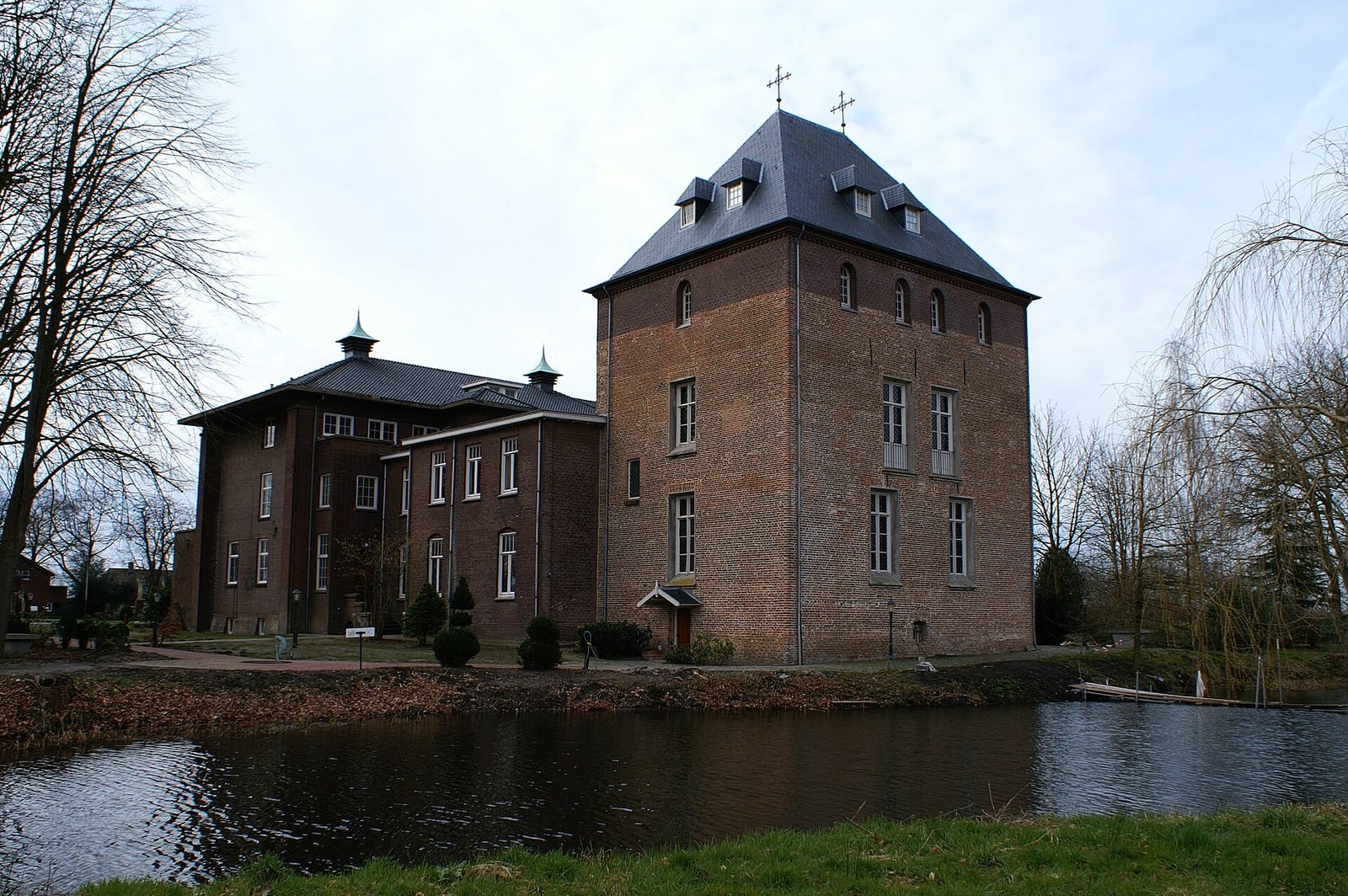
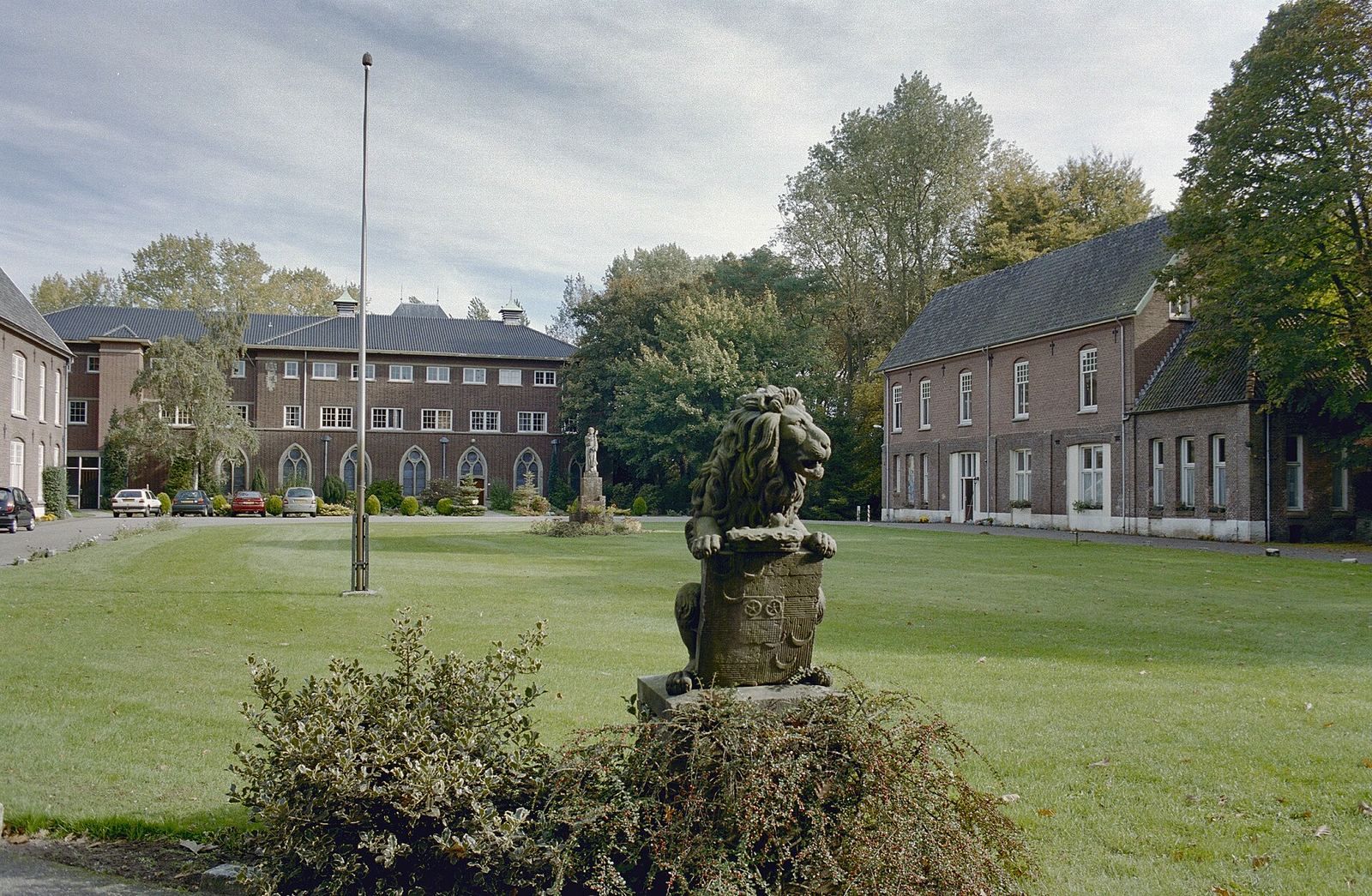
The medieval core is a residential tower that originally stood apart from other buildings and was surrounded by a moat. It is the only surviving part of the original castle and is now incorporated into the Mariënkroon complex. Later buildings occupy the wider site.
The medieval tower
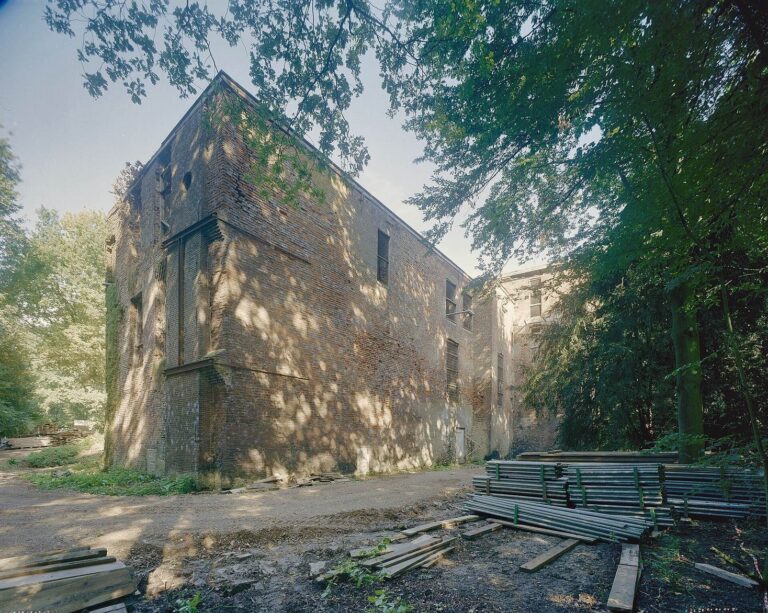
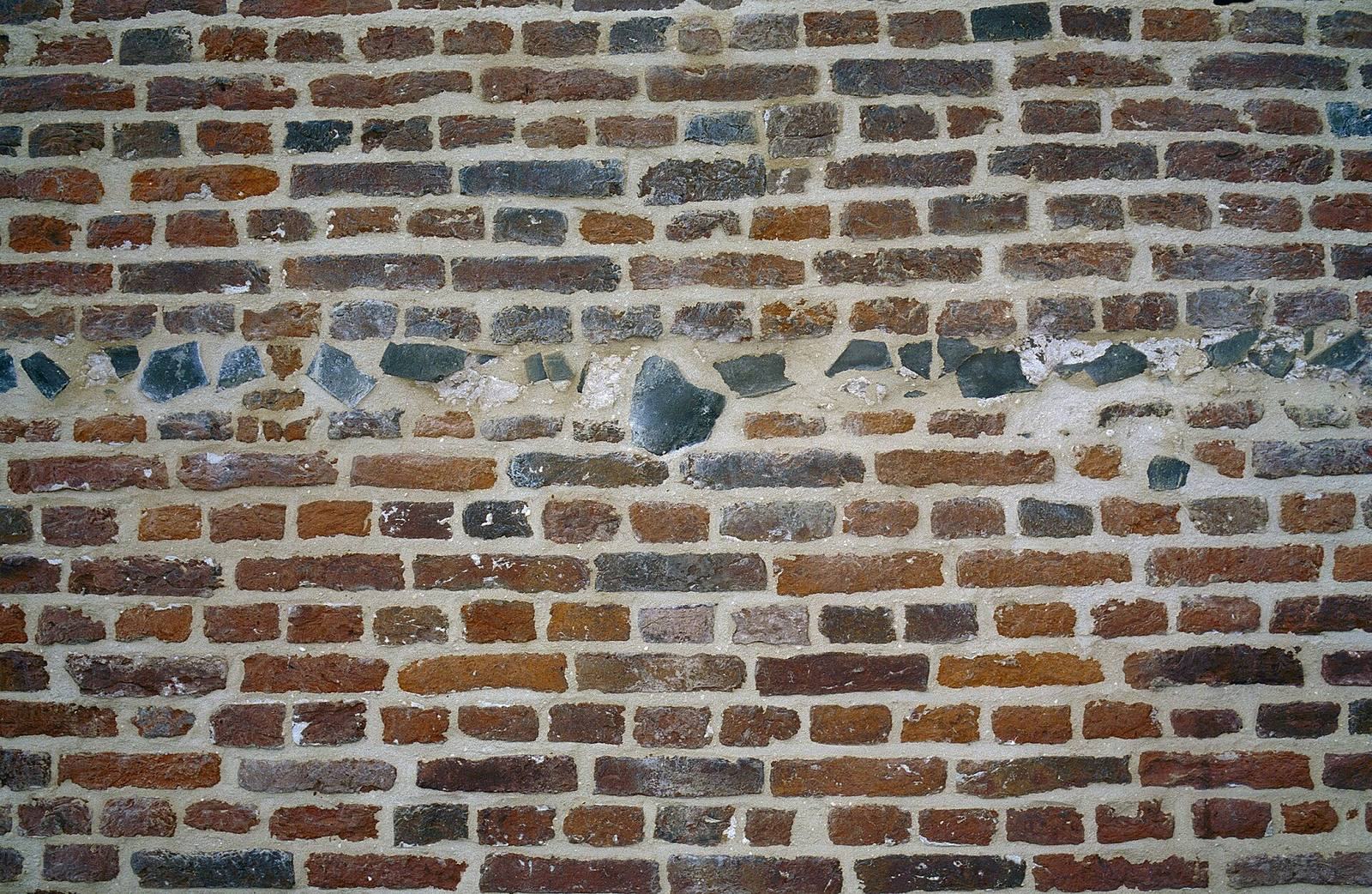
The tower measures 13.5 by 10.5 metres. Its walls are 2.5 metres thick at basement level and 2.2 metres on the first floor. Beneath it, a basement has brick vaults shaped like half-cylinders. A description from 1810 characterized the tower as square, with unusually straight walls and several large rooms, including a prison. Older small windows were bricked up, and larger openings were inserted into the thick walls. The tower was raised by one storey during the 1906 alterations.
Moat and archaeological finds
The moat reaches a depth of 8 metres at its deepest point. Divers investigating it in 2007 and 2008 recovered bottles, pottery, and ornamental copper objects. Monks had thrown the copper into the water during the Second World War in an effort to keep it from German occupying forces. Iron Age pottery fragments were also recovered from the moat. An Iron Age pile-dwelling had earlier been found in the surrounding area.
Monastic buildings
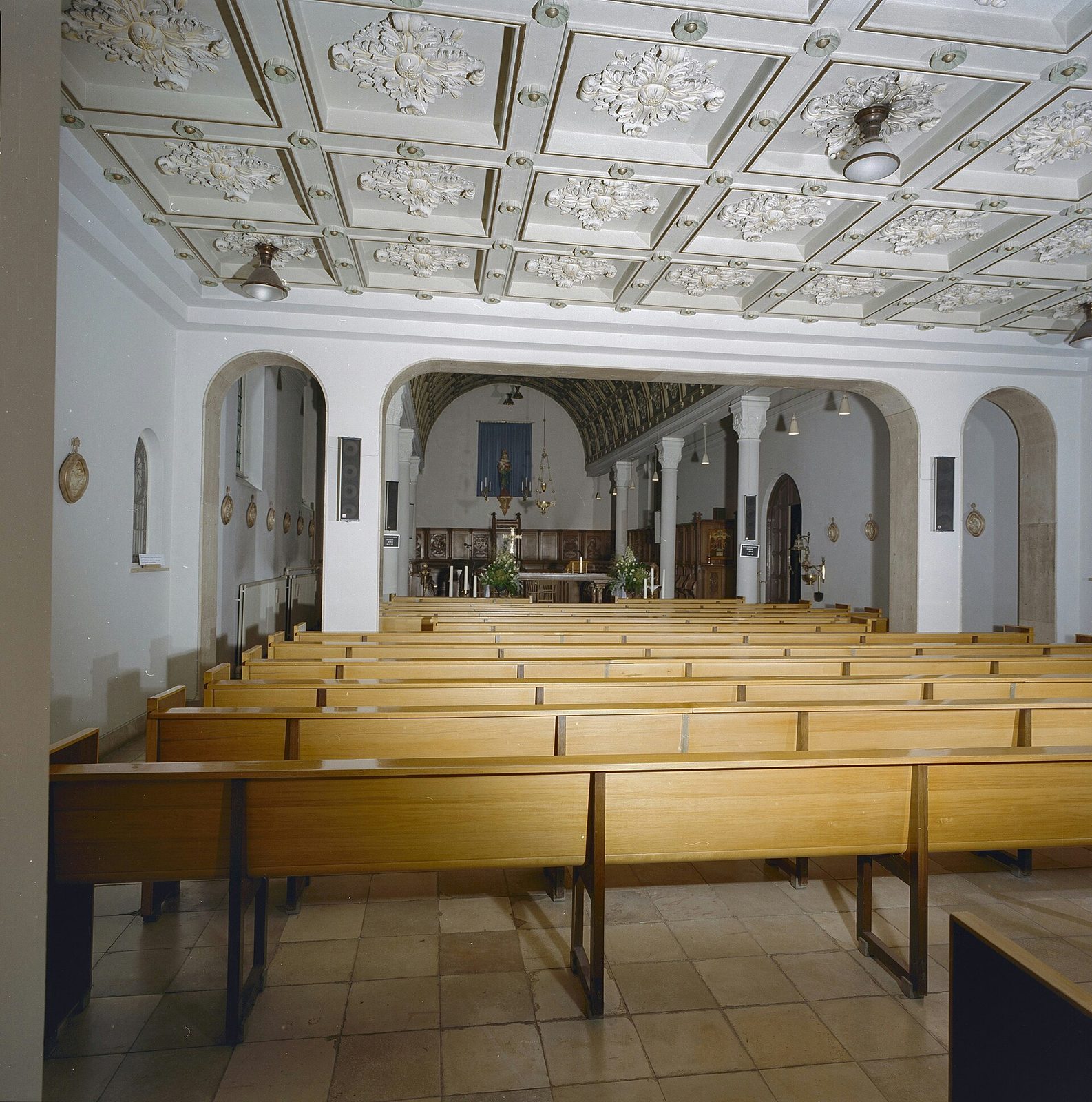
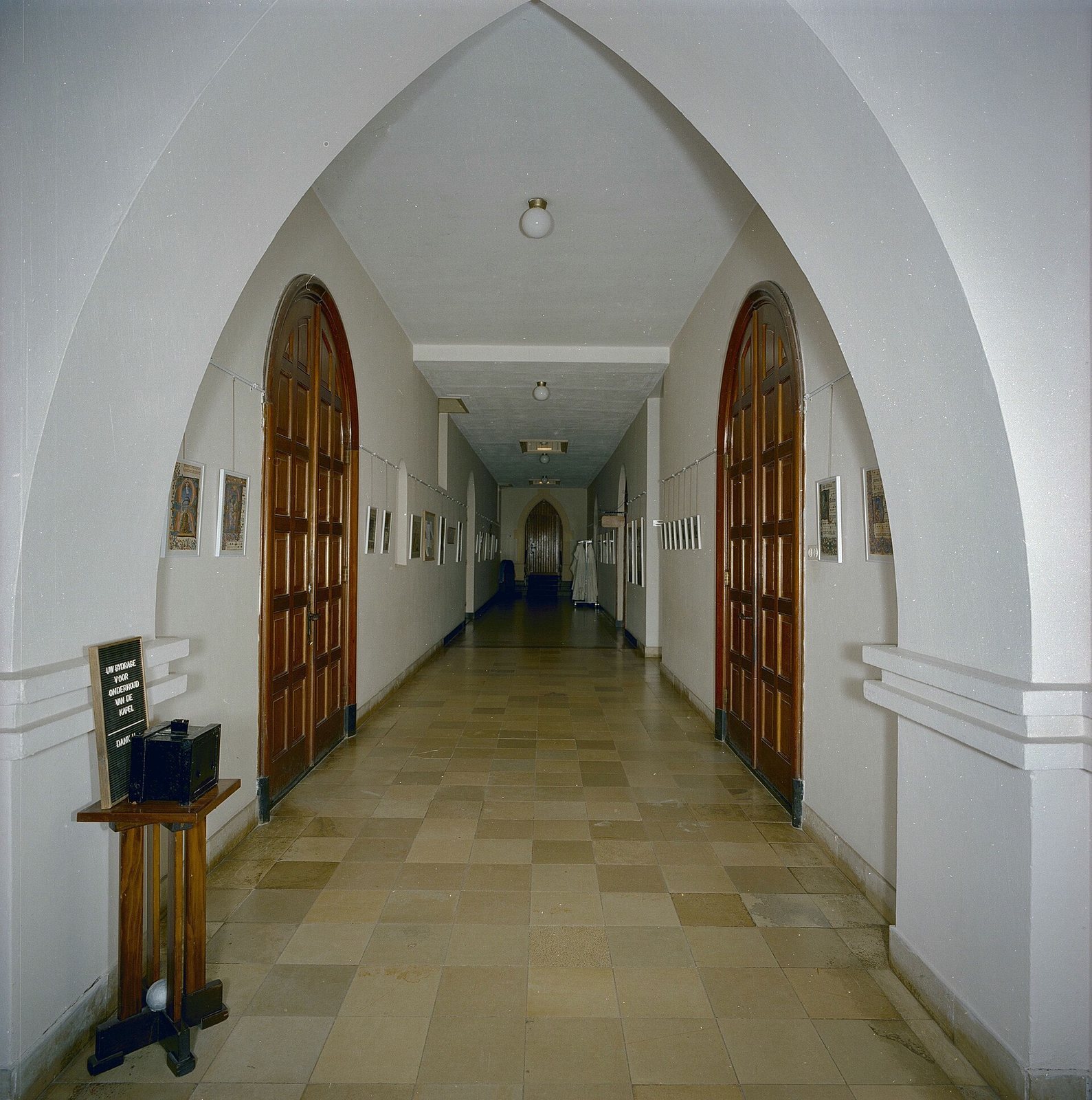
The Mariënkroon Chapel was added in 1906. A new wing enlarged the complex in 1935, while most of the other surrounding buildings were constructed for the abbey in the late nineteenth and early twentieth centuries.