Niort-de-Sault Castle: A Medieval Frontier Fortress in France
Site at a Glance
- Popularity
- Medium
- Country
- France
- Primary era
- Medieval
- Eras represented
- Medieval
- Civilizations
- French, Visigothic
- Site type
- Military
- Remains
- Castle
On this page7 sections
History
Niort-de-Sault Castle is a fortress in France whose origins are attributed to the Visigoths, a Germanic people who established a kingdom in parts of the former Western Roman Empire. A fortified installation there is recorded by 845, when Argila, count of Razès, granted it to his son Bera as a family landholding. Bera took the title Baron of Niort.
Hereditary lordship
In 1047, Bernard d’Alion, a descendant of Bera, became Viscount of Sault, a noble title below that of count. The viscountcy became hereditary when the county of Foix was formed from part of Razès. In 1132, Guillaume d’Alion married Brandinière de Foix, daughter of the count of Foix, and passed his possessions to his eldest son, also named Guillaume. The son adopted the name Niort. He initially shared the castle and its rights with his cousin Udalger, who surrendered his claim to Niort and the viscountcy in return for a horse valued at 200 Carcassonne sols, a medieval currency.
Niort family and Cathar connections
Around 1175, Guillaume de Niort, son of Guillaume d’Alion, married Esclarmonde de Montréal-Laurac. Her mother, Blanche de Laurac, was a Cathar perfect, a member of the movement’s religious elite. Esclarmonde was also a niece of the Lady of Lavaur, a prominent noblewoman associated with the Cathars who was killed by crusaders. Through this marriage, the Niort family entered close contact with Cathar leaders.
During the Albigensian Crusade, the campaign against Catharism in southern France from 1209 to 1229, Niort-de-Sault served as a refuge for many Cathar perfects. The region’s rugged mountain approaches, forests and torrents made it difficult for armies to cross and offered opportunities for ambush. The castle and surrounding area remained untouched during the crusade. Guillaume and Esclarmonde’s sons took opposing sides: Géraud, Bernard-Othon, Guillaume Bernard and Raymond de Roquefeuil fought with the crusaders at Muret in 1213, while some later fought alongside southern forces at Verfeil.
Royal conquest and later history
In 1240, Géraud de Niort submitted to Louis IX, king of France, at Peyrepertuse and surrendered the family’s castles, including Niort-de-Sault. Some lands were expected to be returned if a papal representative reconciled the family with the Church, but Louis confiscated the Niort holdings for the Crown. The people of Sault rose in support of their former lords. Géraud’s son Guillaume, aided by his uncle, the king of Aragon, tried to recover the former viscounty.
In the summer of 1255, Louis IX sent forces against Niort. After a hard siege, the family capitulated. Niort was the last fortress to submit, several months after Quéribus. Louis ordered the region’s fortified sites, including Niort, destroyed after their garrisons were removed. The castle was ultimately spared because of its strategic position on the frontier with Aragon. The Crown installed a substantial garrison, as large as the one at Puilaurens, which declined over the following centuries.
In 1260, Esclarmonde de Niort sought a retrial for her brothers and secured their rehabilitation, but the family did not recover its lands. Niort family members remained in the area, where a small manor was built beside the present church, and retained a distinguished position in Languedoc. In the fifteenth century, they continued to make marriage alliances with noble families, including the House of Lévis and the Dax family, which was allied with the Talairan branch of the Narbonne family. In 1573, a Calvinist force led by Jean de Lévis captured Niort-de-Sault and burned much of the site. Calvinism is a branch of Reformed Protestant Christianity.
Remains
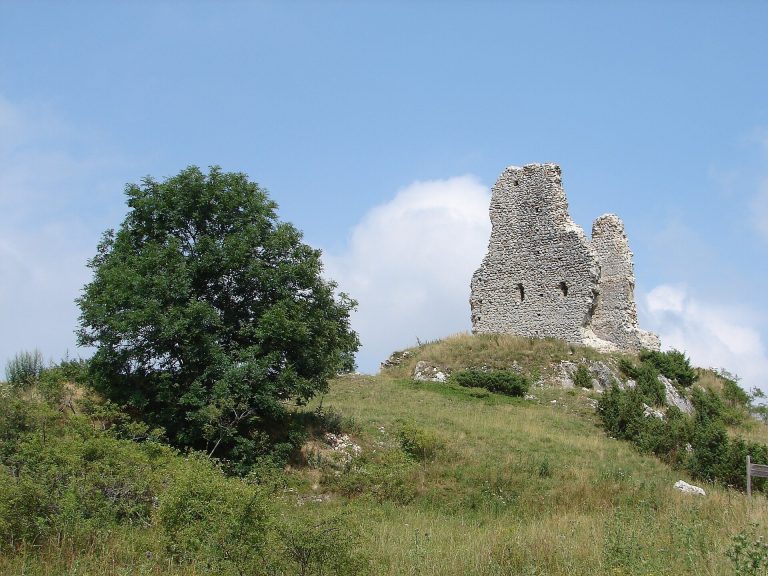
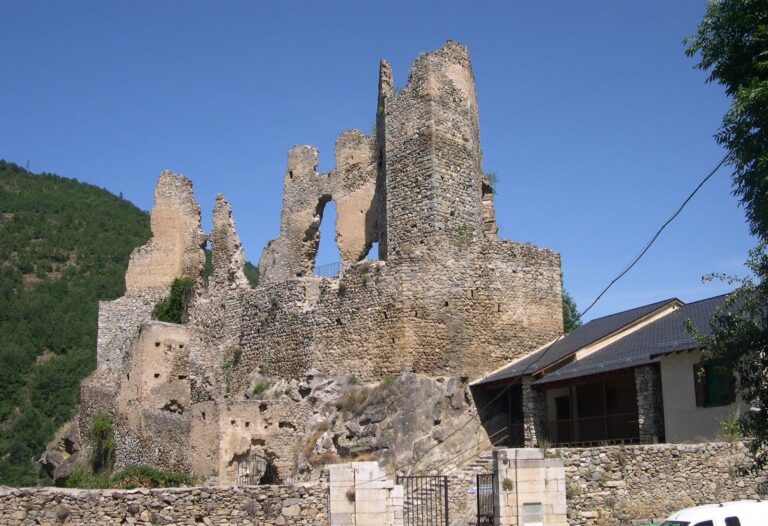
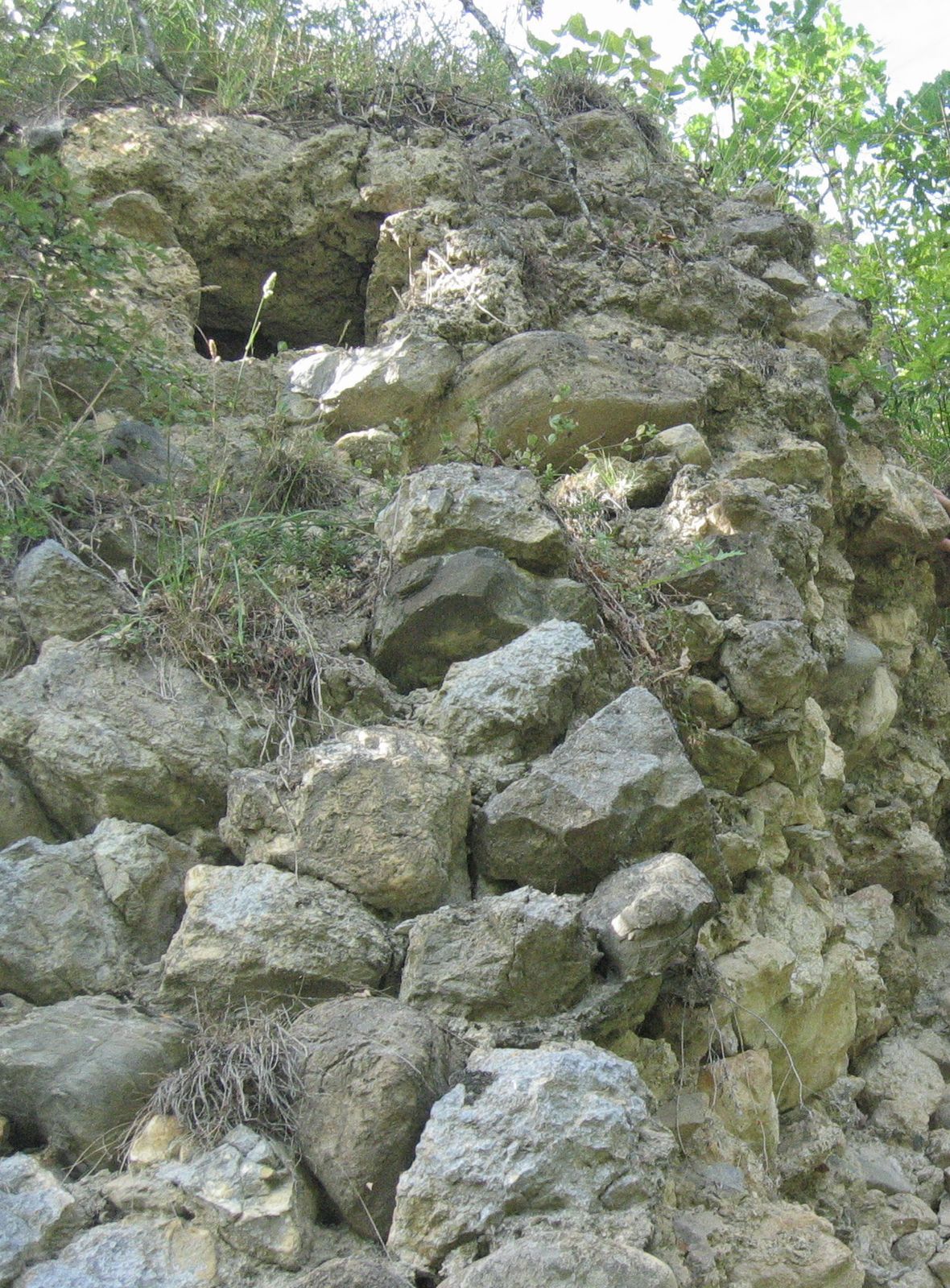
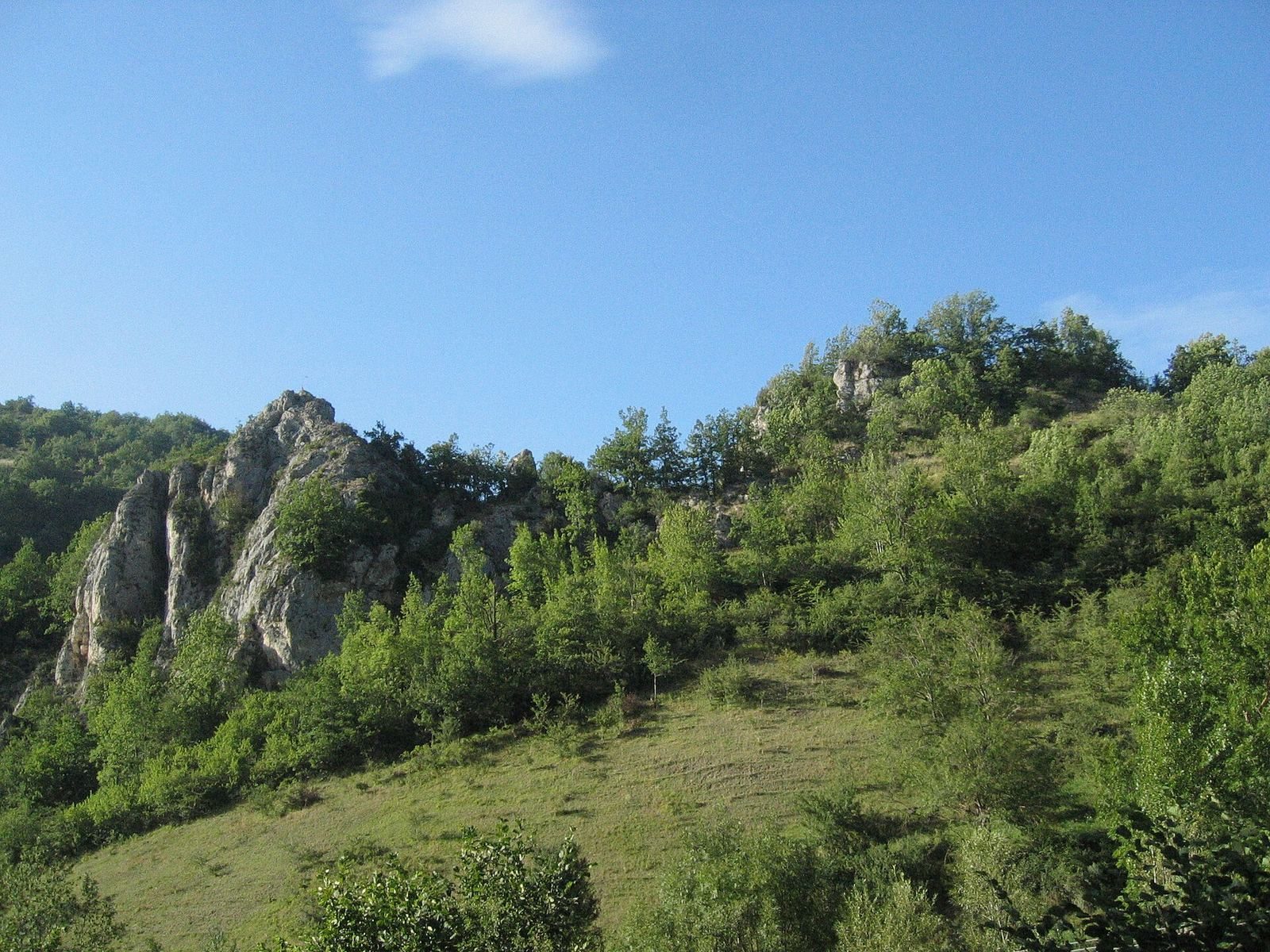
The castle occupied a rocky outcrop at about 950 metres elevation, above the village, the Rebenty River and the road from Belcaire to Mazuby. The outcrop has two pinnacles, with the keep on the second summit and the rest of the castle extending eastward. Set at the entrance to the village gorge, the site commands the Rebenty valley. Its scattered, overgrown remains include collapsed walls built from irregular stones.
Walls and defensive features
A surviving section of wall contains an opening through which a cannon could be fired. It was probably added by the royal army around the fourteenth century.
Rock-cut features and keep area
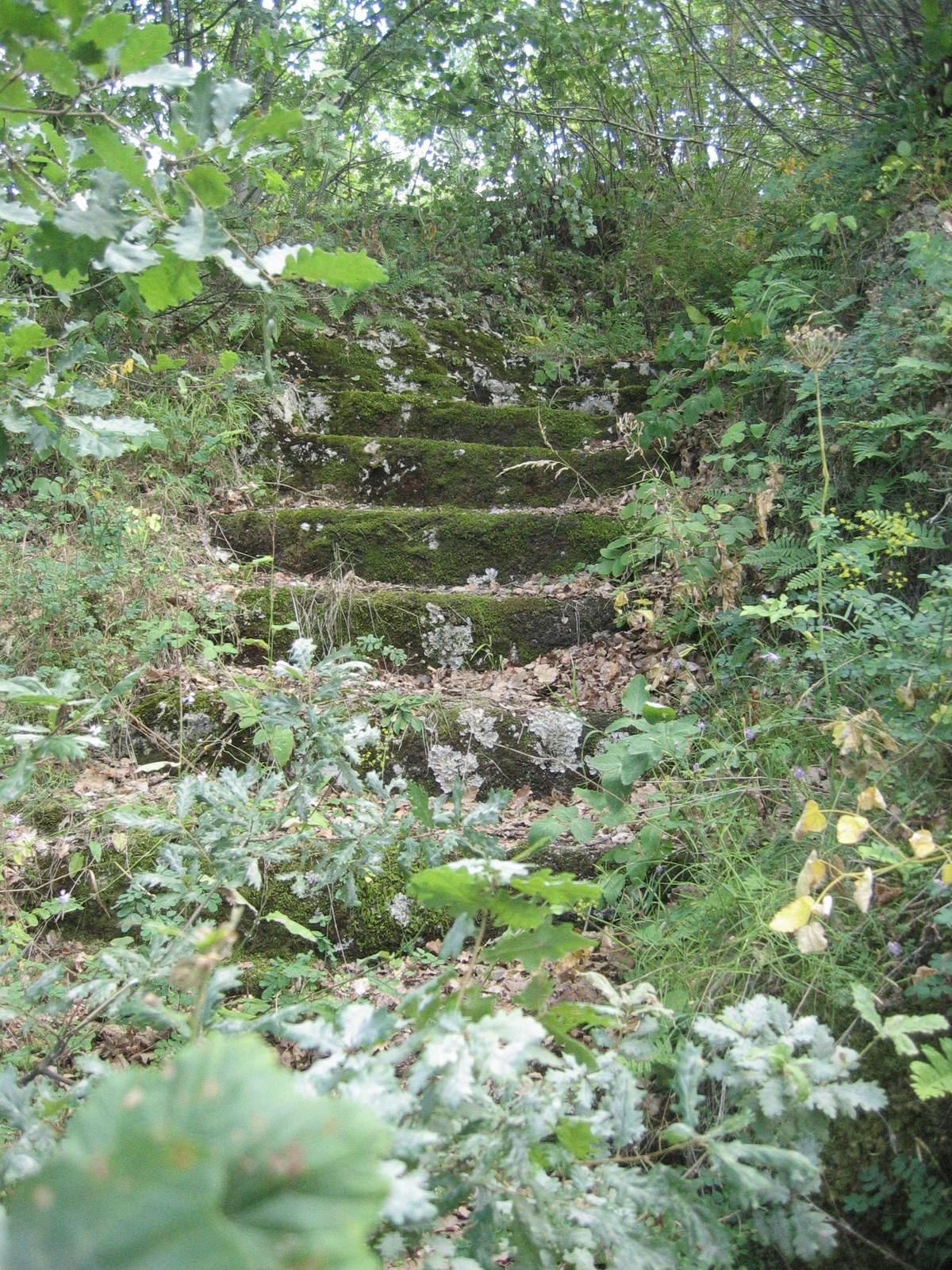
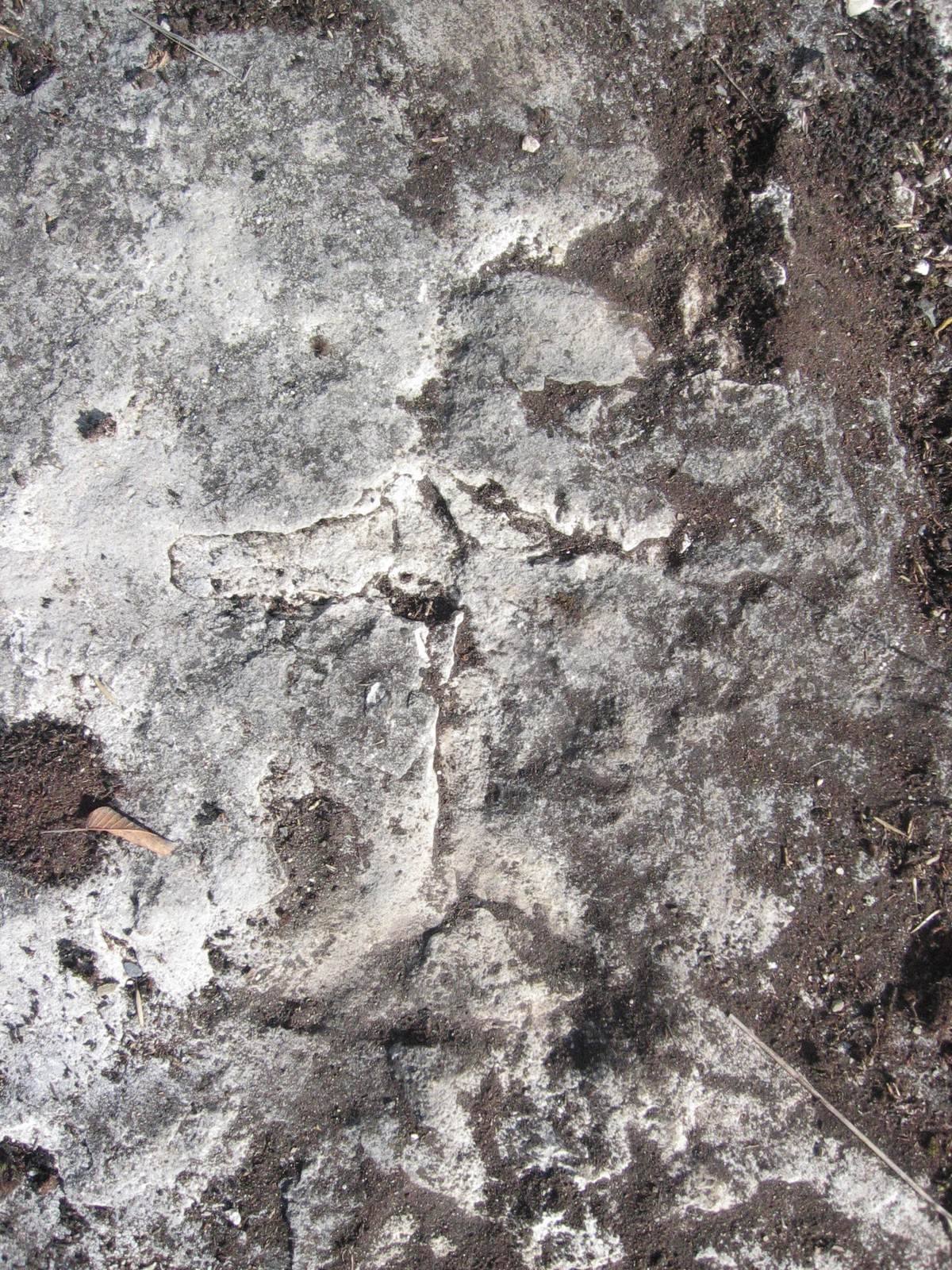
About twelve steps were cut directly into the rock, and a basin-like form also survives. Near the probable keep, a poorly preserved cross is carved into the rock. It has been interpreted as a Cathar cross.