Château de la Dame Blanche: A Historic Wine Estate in France
Site at a Glance
- Popularity
- Medium
- Country
- France
- Primary era
- Early Modern
- Eras represented
- Early Modern, Modern
- Civilizations
- French
- Site type
- Domestic
- Remains
- Manor House
On this page13 sections
History
Medieval origins and local legend
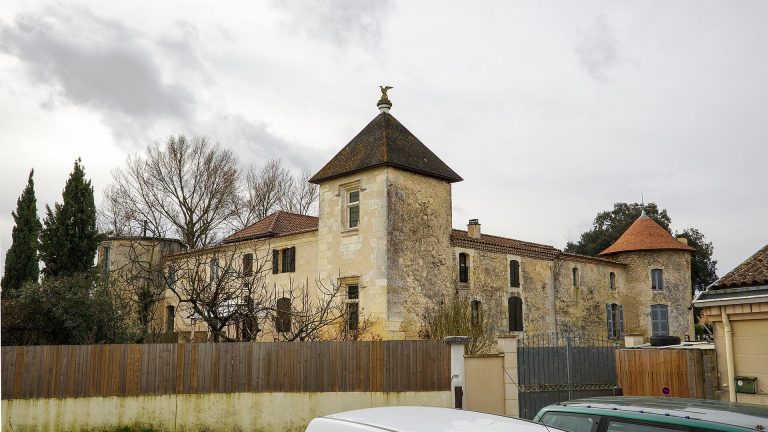
The Château de la Dame Blanche, also called the Château du Taillan, is a historic wine estate in Le Taillan-Médoc, France, with roots reaching back to the Middle Ages. Monks travelling to Santiago de Compostela, a major Christian pilgrimage destination in northwestern Spain associated with the shrine of Saint James, settled at the estate. Its position made it convenient to travel to Bordeaux while a monastery was being built there.
A local legend links the estate to Blanca, daughter of a Moorish chief based at Gironville (Macau). “Moorish” was a historical European term applied to Muslim peoples of North Africa and Iberia. The legend says her father’s forces were defeated at Poitiers by Charles Martel, an eighth-century Frankish leader associated with the victory known as the Battle of Tours or the Battle of Poitiers. Blanca was supposedly drawn to the estate by its quiet surroundings, an Aquitanian prince, or both. In the story, she settled there and had a fortress built, which is said to appear in official records from the twelfth century. Another local tale says that when white mist covers the vineyard in autumn, the princess returns to wish the estate prosperity. White Lady legends also recur in Gascony and the Pyrenees.
Owners and wine production
The estate passed from the Durfort family, lords of Blanquefort, to Léonard de la Chèze and then Pierre d’Aste, a royal councillor serving on the Grand Council, a French court that handled certain judicial matters. In 1663, Maître de Poitevin bought it from d’Aste’s heirs. Other owners followed.
Modern stewardship and protection
Henri Cruse bought the château from Alfred de Luze in 1896. The estate has produced wine under an AOC, or controlled designation of origin, since 1932. This French designation ties products to a defined area and production rules. Its red and rosé wines are classified as Cru Bourgeois Supérieur, a classification for Médoc wines, within the Haut-Médoc appellation. After her father’s death in 1992, Armelle Cruse-Falcy directed the estate on behalf of her four sisters. Laurent Marti is the owner.
In 1964, the château’s façades, roofs and vaulted cellars, along with its sixteenth- and seventeenth-century wine cellars, were listed as historic monuments. The stone altarpiece was classified as a historic monument, the higher level of French protection.
Remains
The château
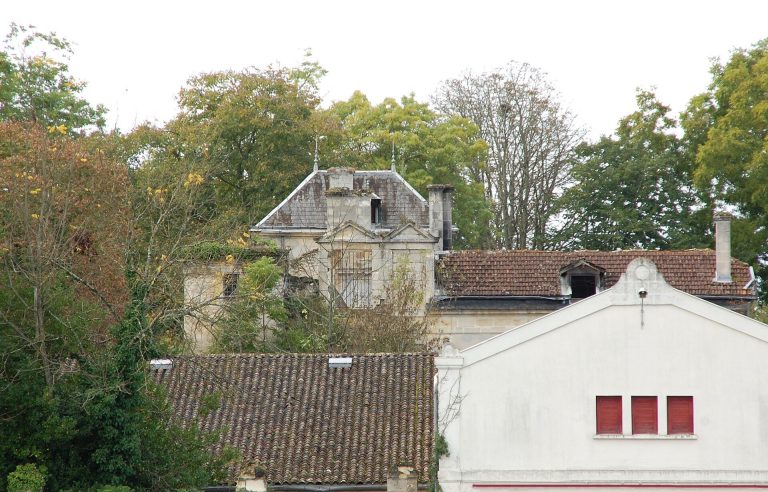
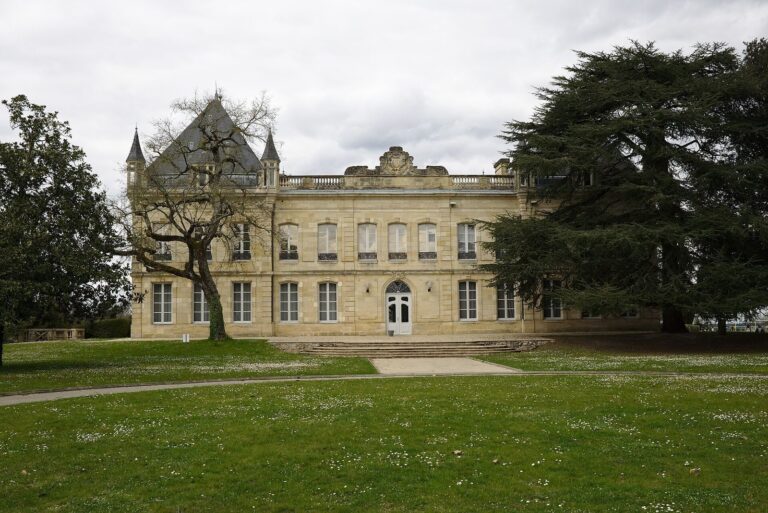
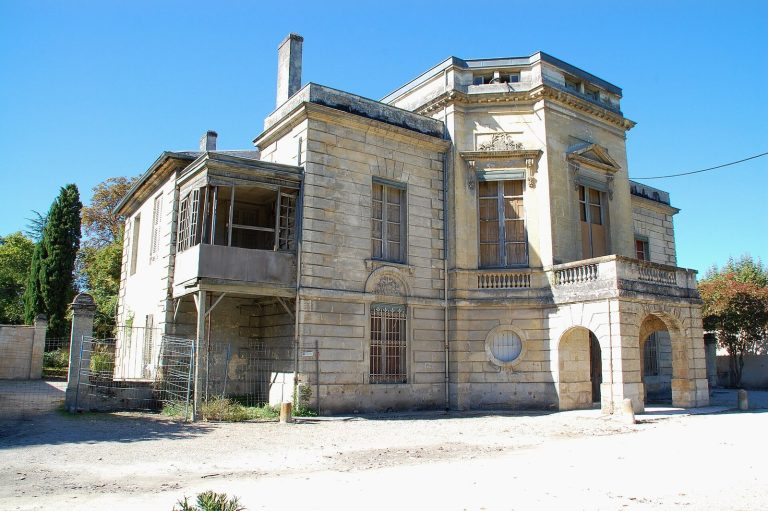
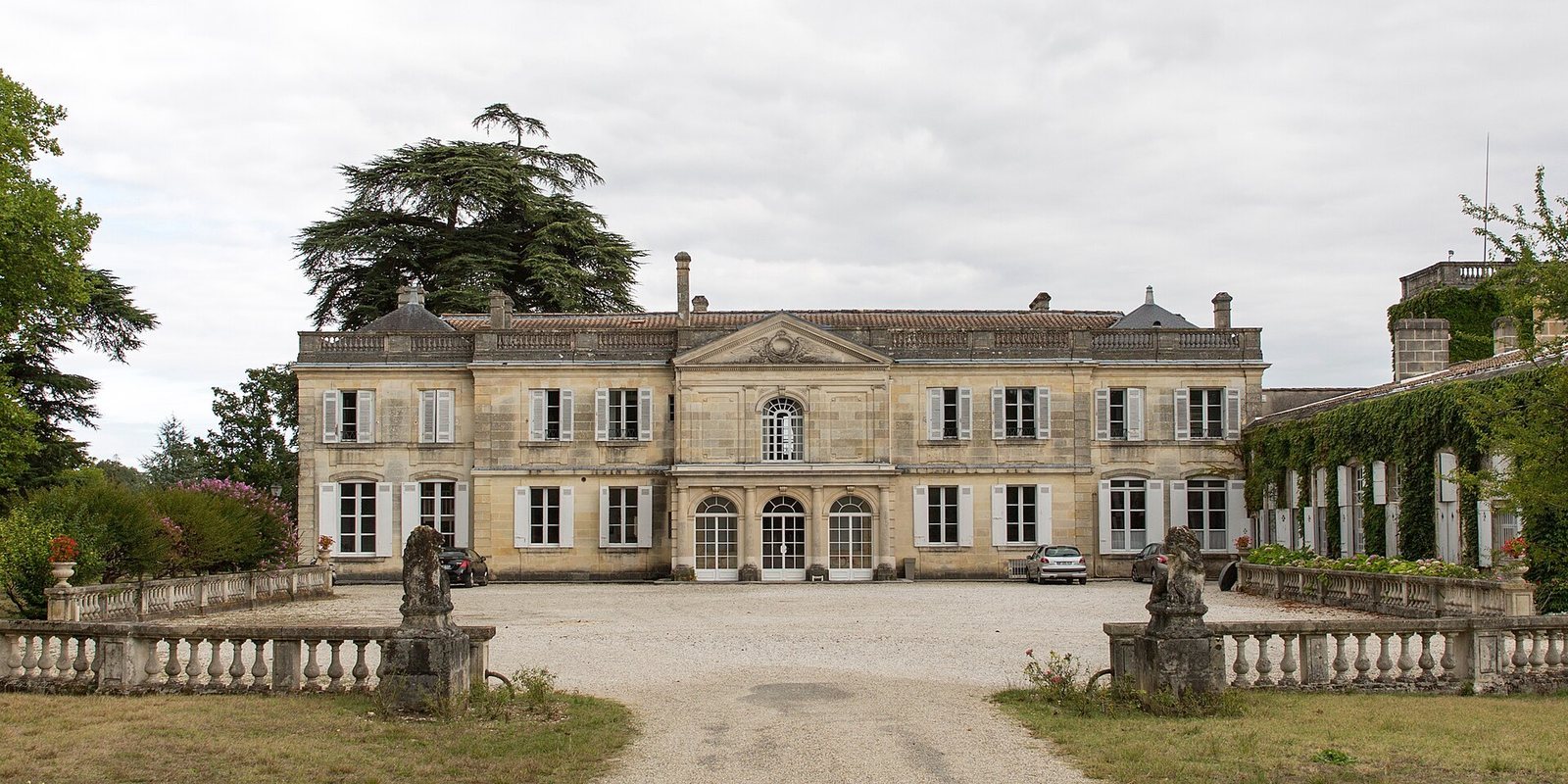
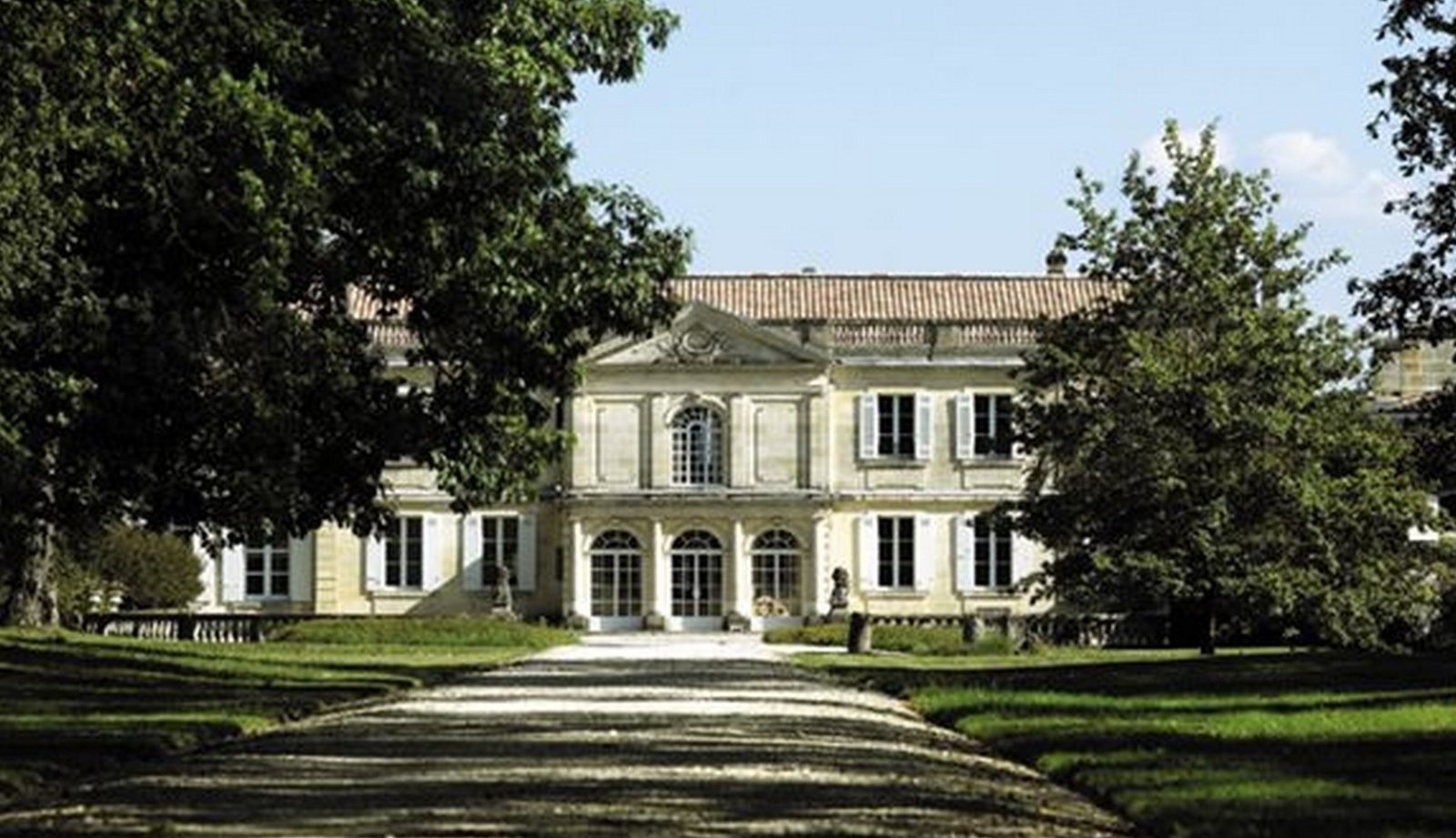
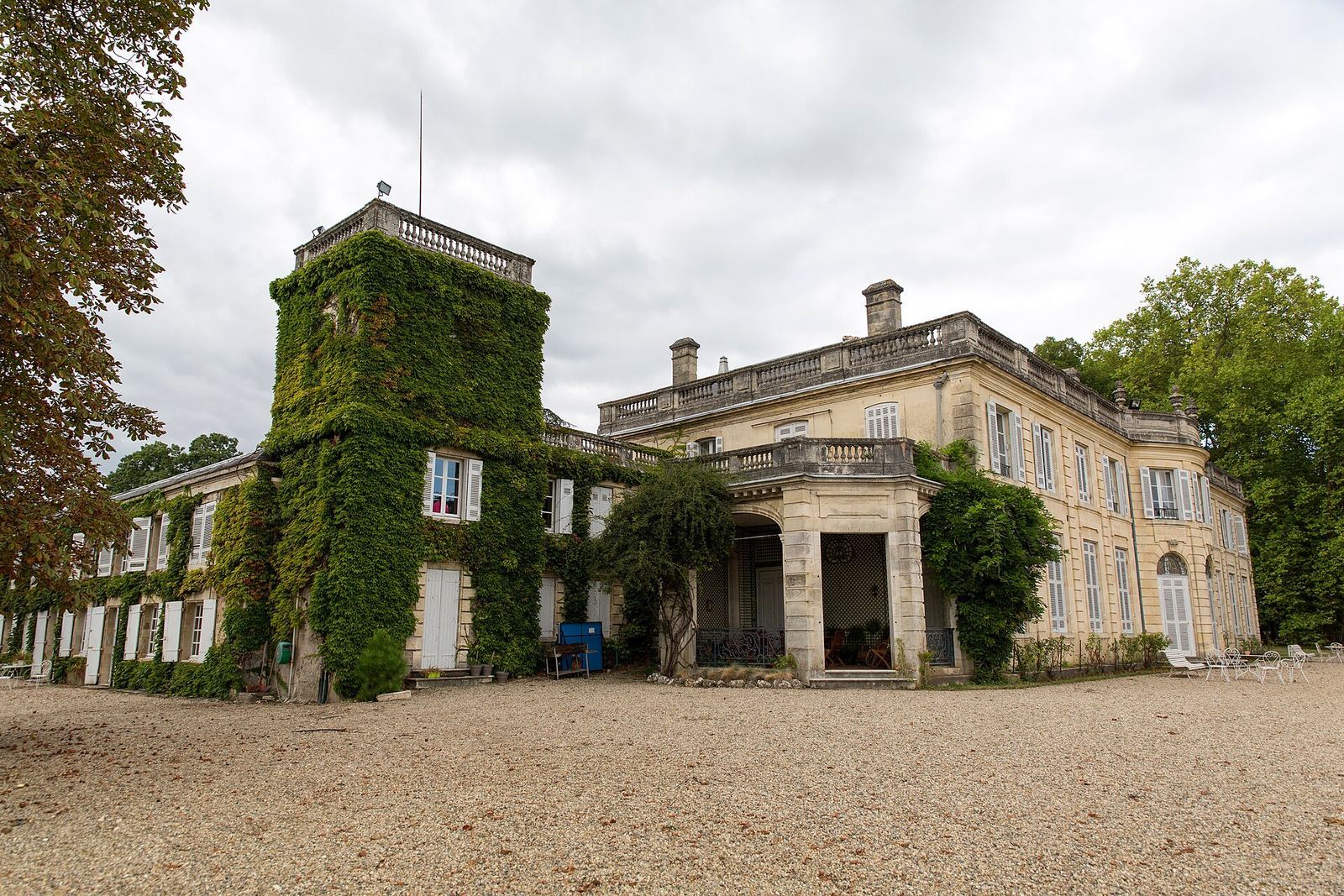
The château was built on the site of an older residence and constructed of white Gironde limestone, also widely used in Bordeaux buildings. On the courtyard side, a central section projects from the façade and is topped by a pediment remodelled in the nineteenth century. The park-facing façade has a central half-rotunda, a semicircular projection that reflects the opening of country houses toward their gardens.
Wine buildings
Historic wine storehouses
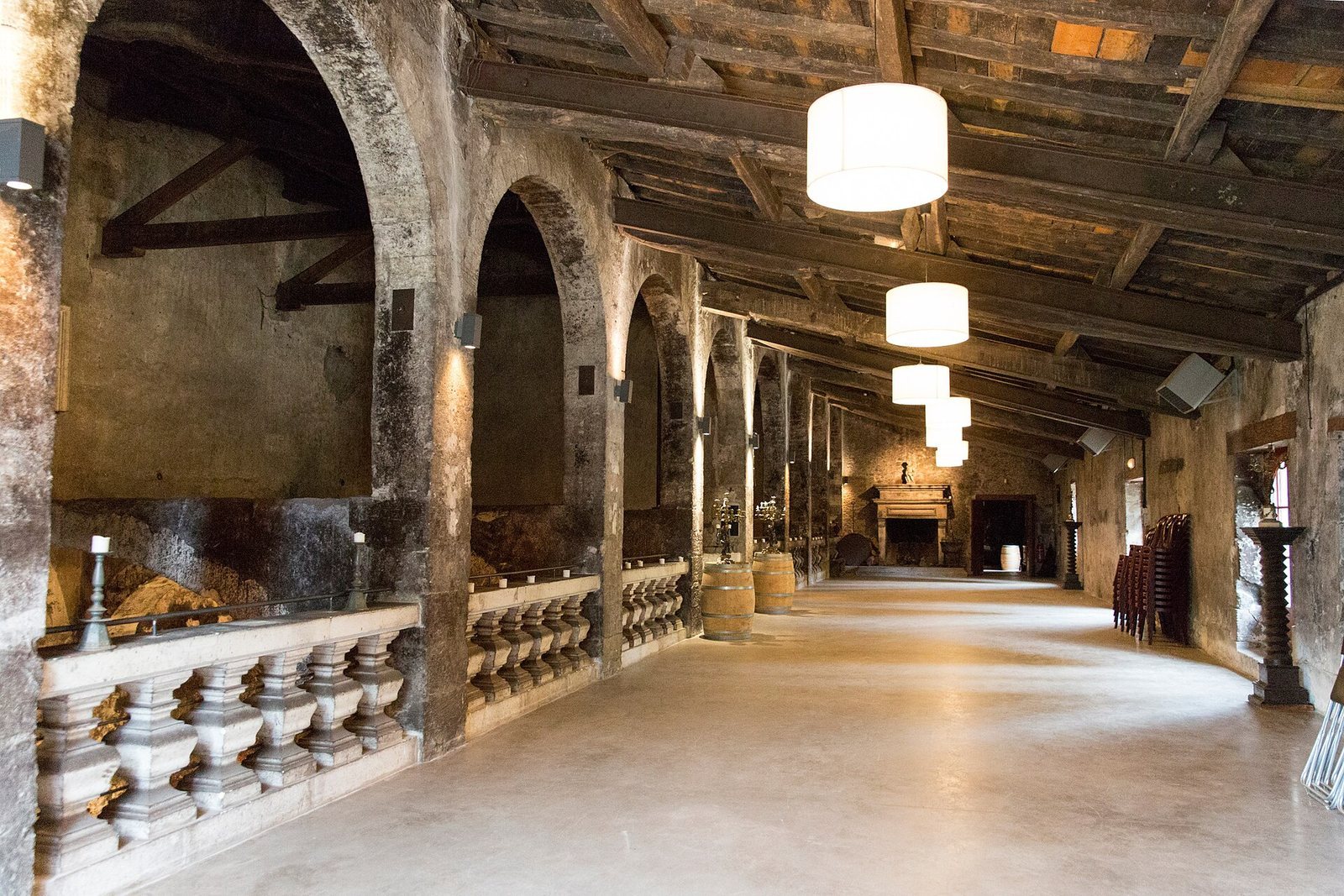
The estate’s sixteenth- and seventeenth-century wine storehouses have arches, double-vaulted ceilings and a chimney. These buildings form part of a cellar complex that also includes an underground section cut into the ground.
Underground cellar
Monks used the dug-out underground section of the cellar complex to make wine.
Vineyard and estate
The estate covers 100 hectares, with a contiguous vineyard of about 30 hectares on soils ranging from clay to limestone. The red vines occupy 28 hectares and comprise 70 percent Merlot, 10 percent Cabernet Franc and 20 percent Cabernet Sauvignon. The white vines cover 3.5 to 4 hectares and are all Sauvignon. Red and white vines receive similar care, and half of each harvest is picked by hand and half mechanically. Red-vine work includes pruning to a double-cane system, thinning shoots, removing shoots from the trunks and leaves, removing excess fruit before ripening, and controlling yields. The estate produces 180,000 bottles of red and rosé wine classified as Cru Bourgeois Supérieur, as well as a white Médoc wine called La Dame Blanche.
Religious sculpture and chapel archaeology
Stone altarpiece
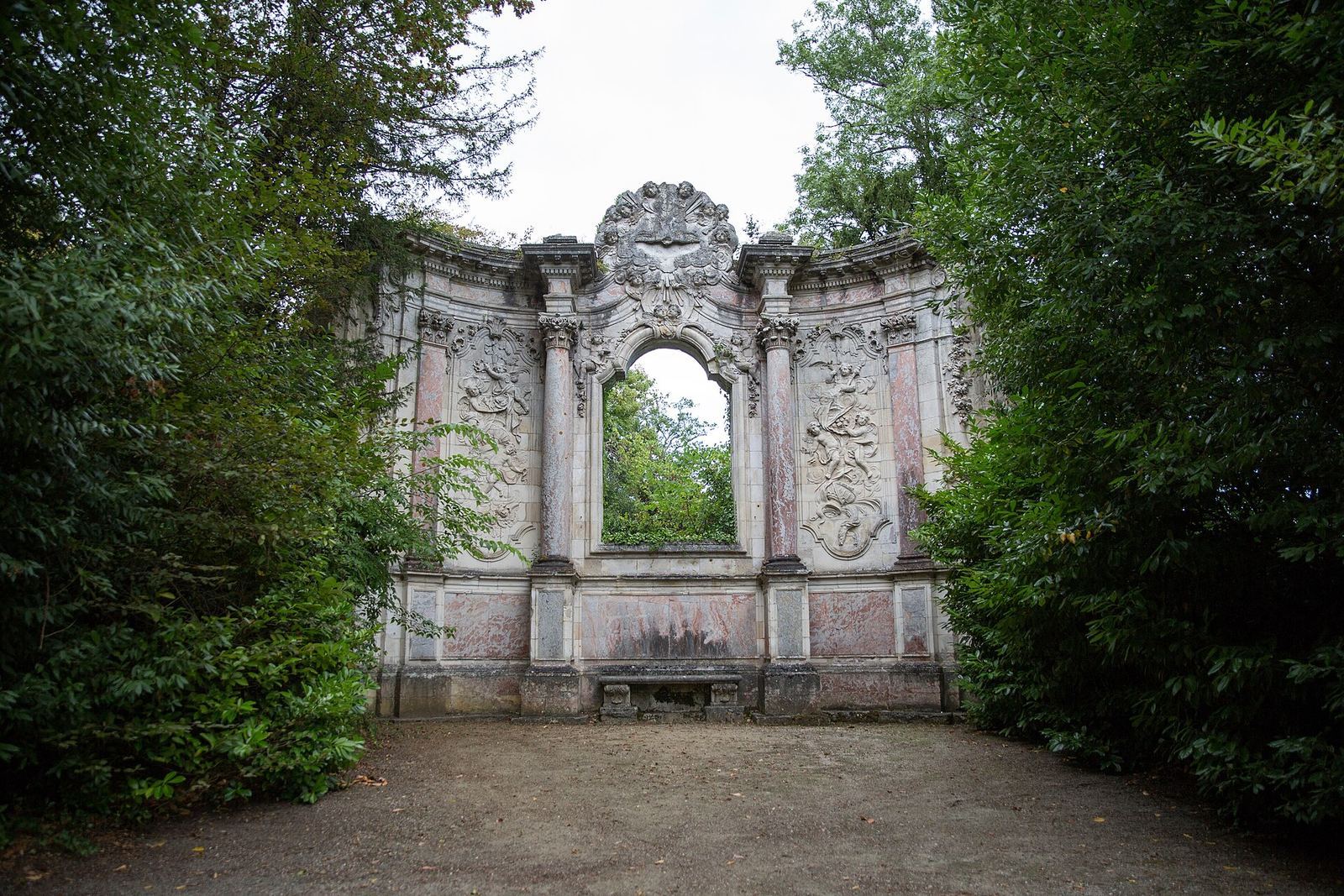
The château park contains a carved stone altarpiece, a decorated structure placed behind or above an altar. Pierre Vernet sculpted it between 1744 and 1758 for the chapel of the Manufacture hospital. Henri Cruse moved it in 1913 from an abandoned chapel on Rue de Tauzia, where it had been at risk of demolition. The chapel had been abandoned since 1881. The altarpiece’s center held a painting of the Assumption of the Virgin, the Christian belief that Mary was taken bodily into heaven, by the Parisian painter Noël Hallé. Carved side panels show cherubs carrying symbols of Christ’s Passion, his suffering and death.
Saint Mark’s chapel and burial
An altar from the former chapel of Saint Mark bears an inscription stating that the chapel’s ruins were still standing in 1786. The inscription also describes excavations west of the chapel in 1940, when a medieval stone coffin used for a non-religious burial was found with bones inside. It ends with the letters RIP.