La Boissière Castle: A French Estate and Vocational Training Centre
Site at a Glance
- Popularity
- Medium
- Country
- France
- Primary era
- Modern
- Eras represented
- Modern
- Civilizations
- French
- Site type
- Domestic
- Remains
- Castle
On this page12 sections
History
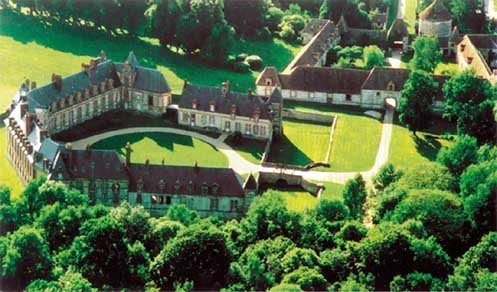
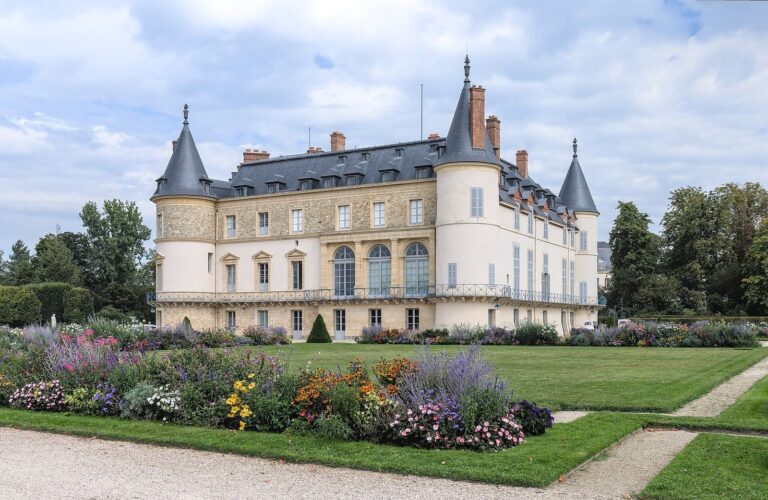
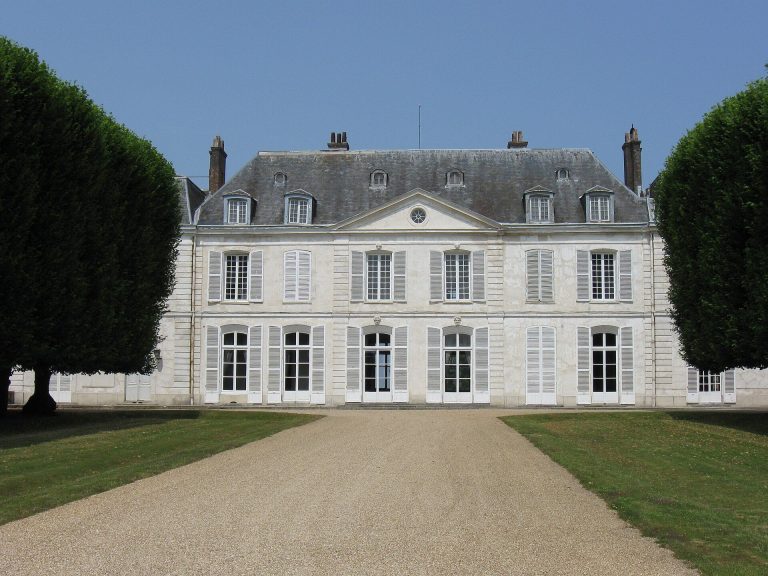
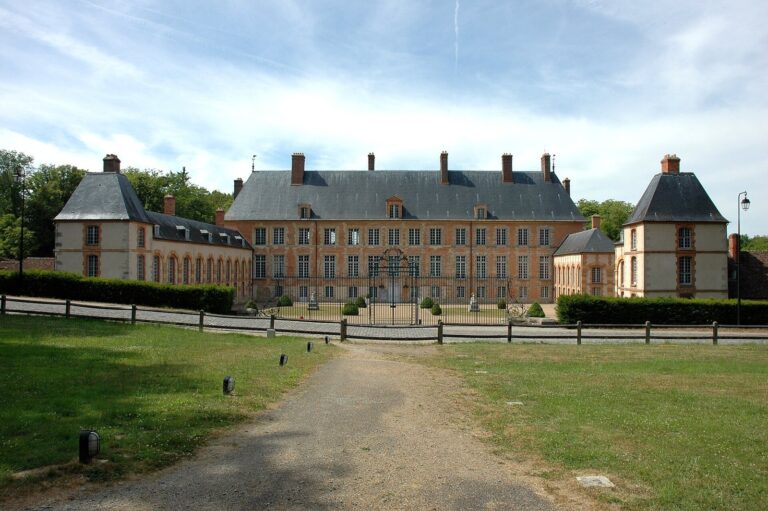
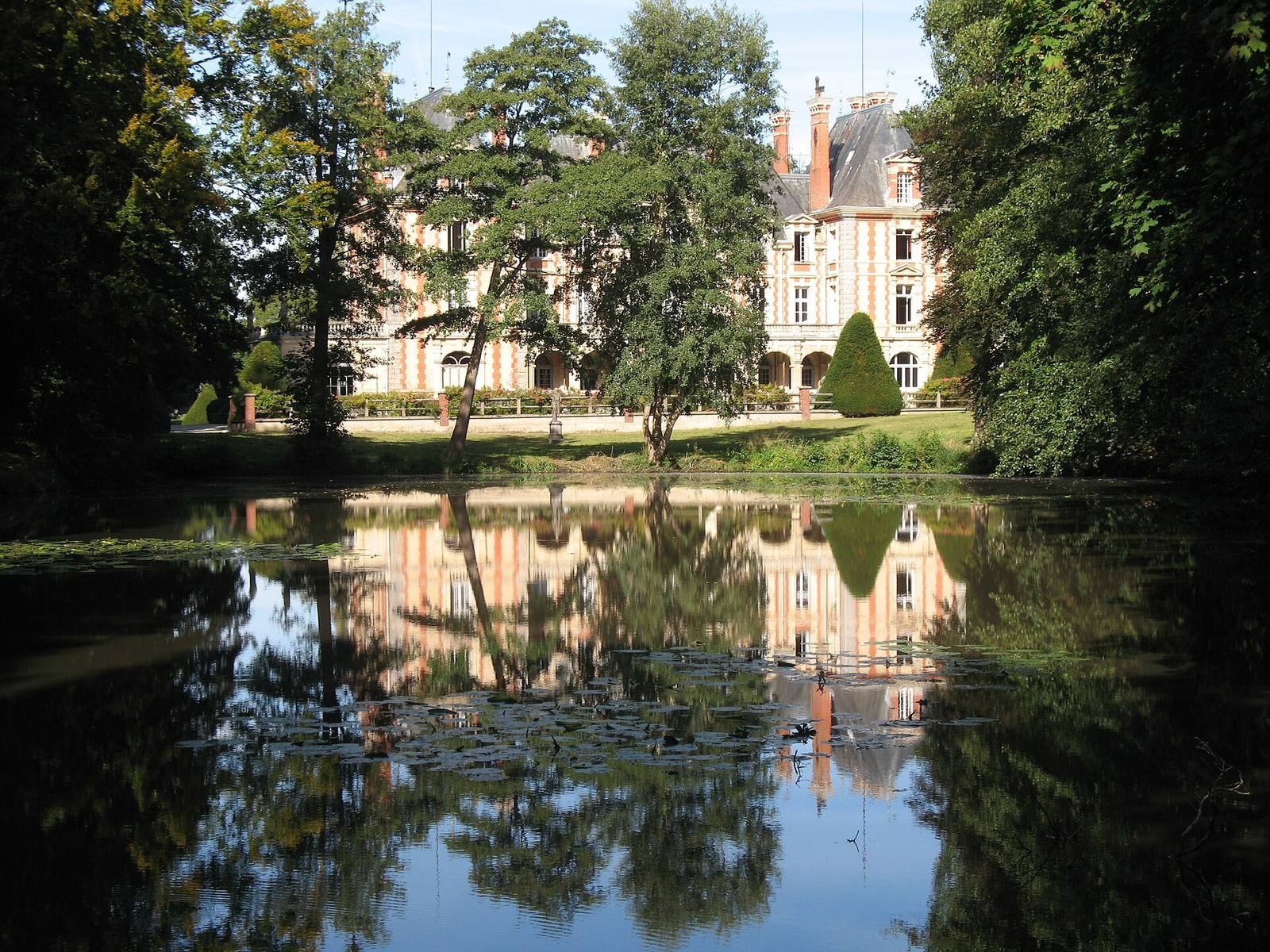
La Boissière Castle is a country residence in La Boissière-École, France, built between 1853 and 1857 in a design inspired by the Louis XIII style, an early seventeenth-century French architectural mode named for King Louis XIII. Its later history connected the estate with Olympe Hériot’s support for military orphans and with vocational training.
Medieval fief and family inheritance
In the Middle Ages, La Boissière was a fief, land held under feudal obligations, within the castellany of Saint-Léger, a territorial jurisdiction centered on a castle. The Haute-Boissière and Basse-Boissière estates passed through several families, including the Vaultiers and, by the late sixteenth century, the Maillards.
Catherine de Maillard, Lady of La Boissière, married Eustache de Malebranche in 1715. He was related to a philosopher. In 1779, Marie-Catherine de Malebranche de La Boissière married Claude Jacques Marie Le Gras, Lord of Bercagny. After their only son, Alexandre Claude, died in 1847, the inheritance was divided among his descendants. Baron Gustave Le Gras de La Boissière received the château, while his younger brother Achille received the lands and the Tremblay farm at Basse-Boissière, where he built another house.
The nineteenth-century estate
A castle had stood on the present site for several centuries before the current château was built. Two wings were added around 1890. Financier Charles Blanchard bought the estate in 1881 and lodged the actress Gabrielle Elluin, known as Mademoiselle Elluini, there.
Olympe Hériot inherited the fortune of his childless elder brother Auguste, who died in 1879, and bought the La Boissière estate in 1885. He expanded it from 780 to 1,200 hectares. Before restoration work began, he housed war orphans in the château. He died there in 1899.
Hériot philanthropy and later use
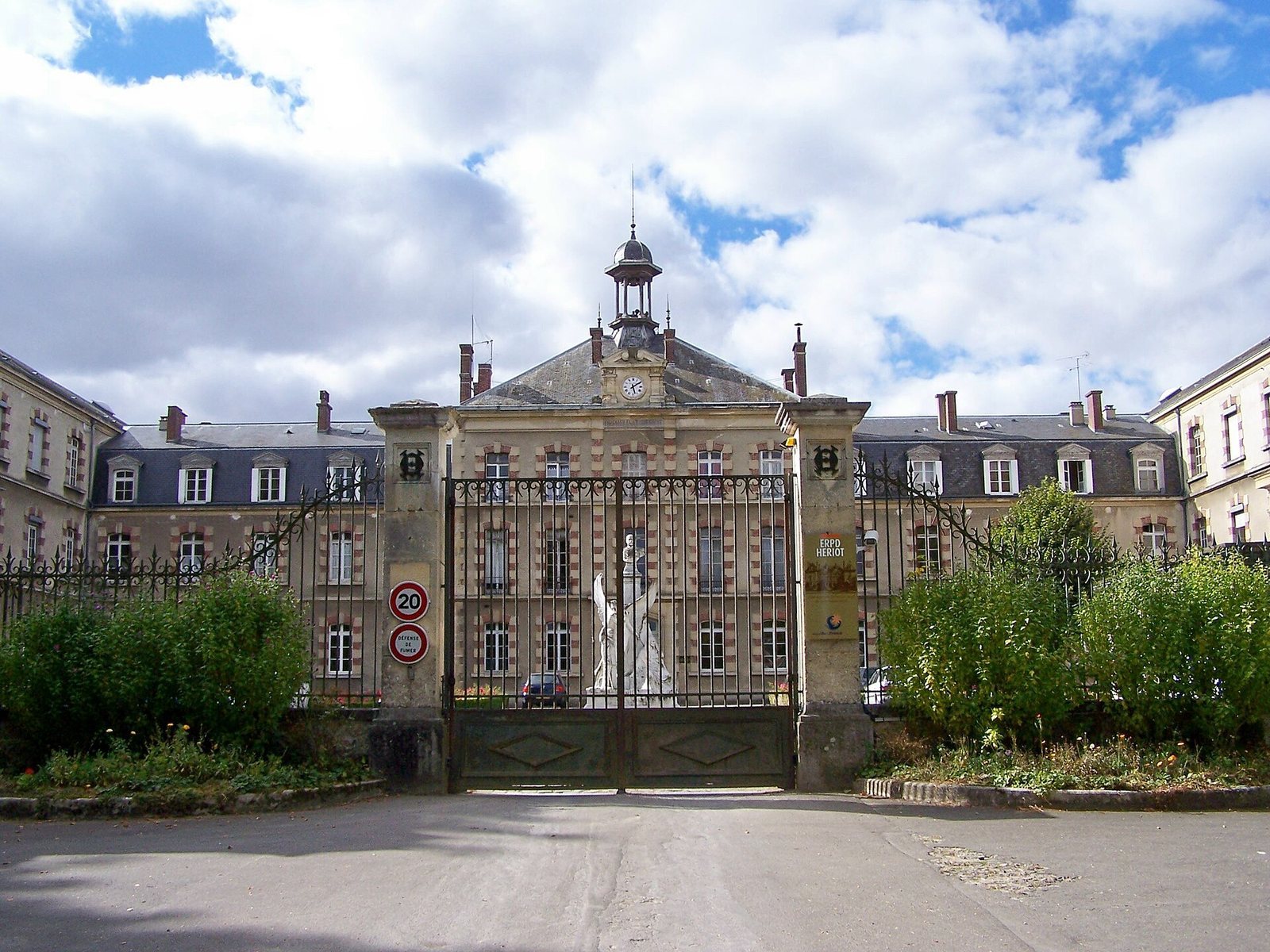
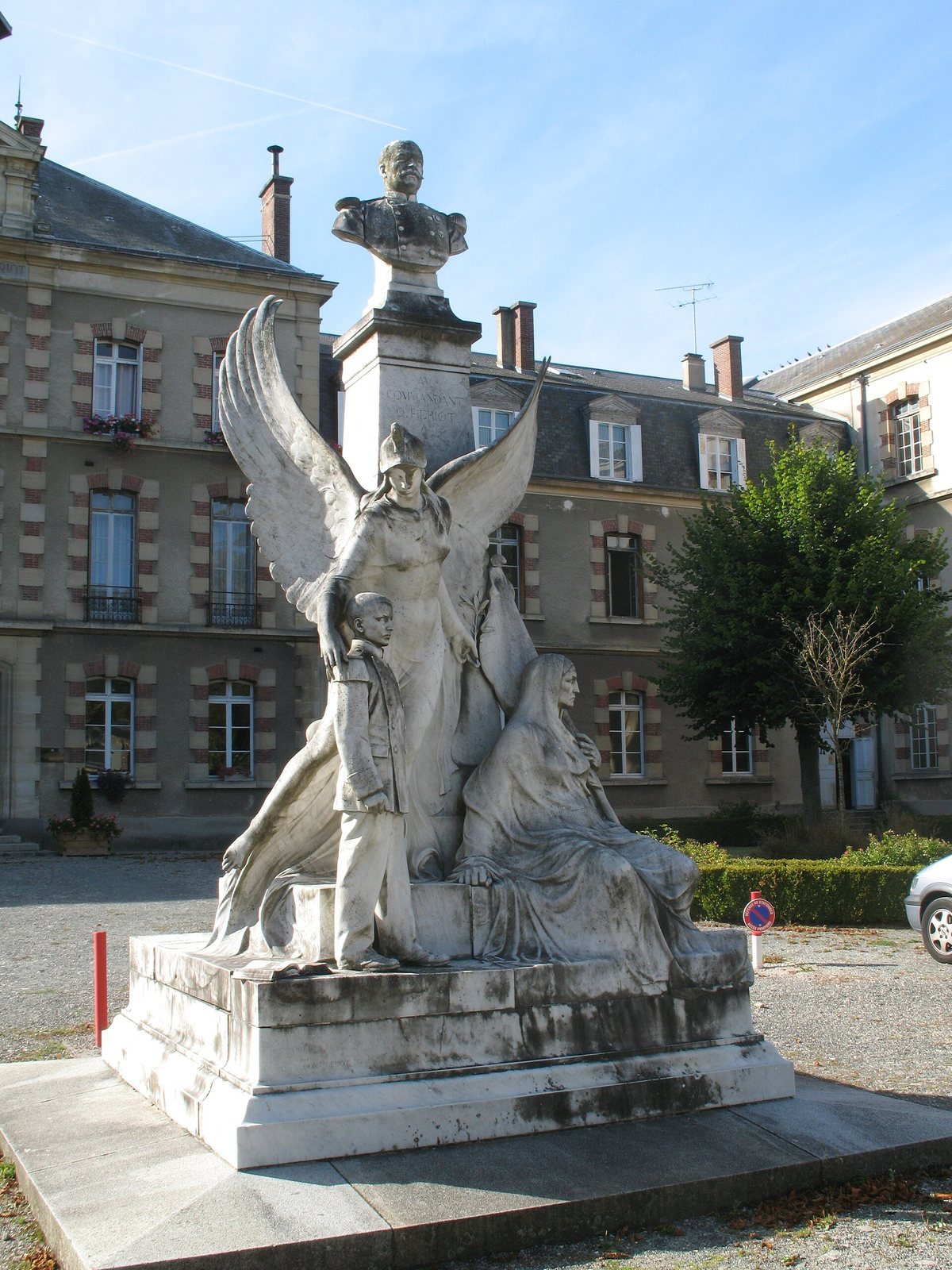
In 1886, Hériot established a military orphanage in the park for children of military personnel aged five to thirteen. Its boarding school, a few hundred metres from the château, opened in the presence of General Georges Boulanger. The institution was given to the Ministry of War, with further donations later made by Hériot’s widow, Cyprienne, whom he had married in 1887. It is now the Olympe Hériot Regional Primary School.
In 1921, Philippe Pétain presented Cyprienne with the insignia of a Knight of the Legion of Honour, France’s national order recognizing service, in recognition of her generosity toward the orphanage. In 1948, Olympe Hériot II gave the château to the French Agency for Adult Vocational Training, fulfilling his mother’s final wishes. The château has since been used to train people in horticulture and landscape gardening, including the care of its walls and gardens.
The Hall of Mirrors was registered as a historic monument in 1985. In 1987, a separate level of protection, classification as a historic monument, was applied to the vestibule, grand staircase, small salon, great dining room known as the Marble Hall, and model room.
Remains
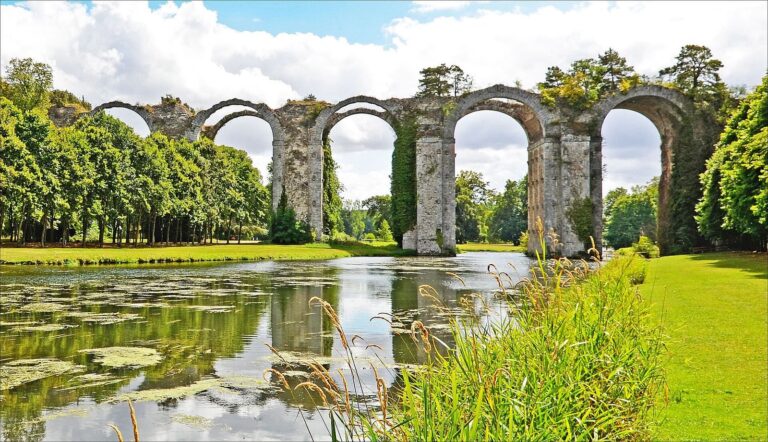
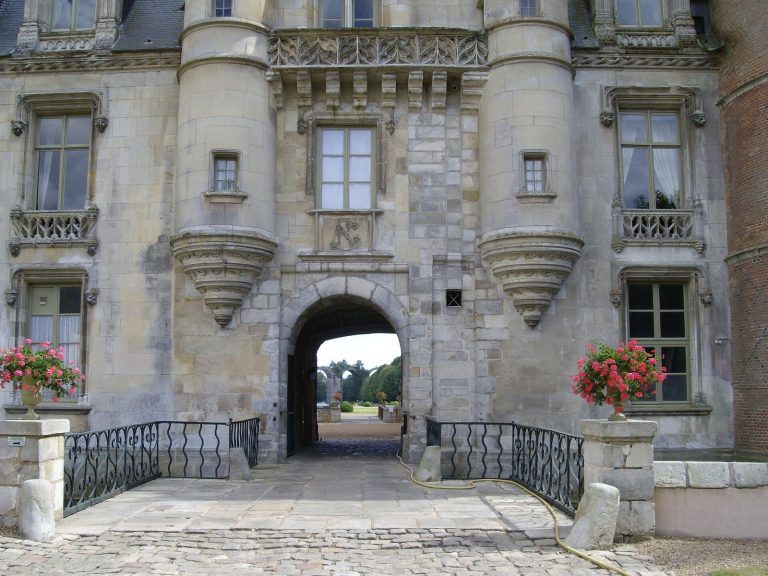
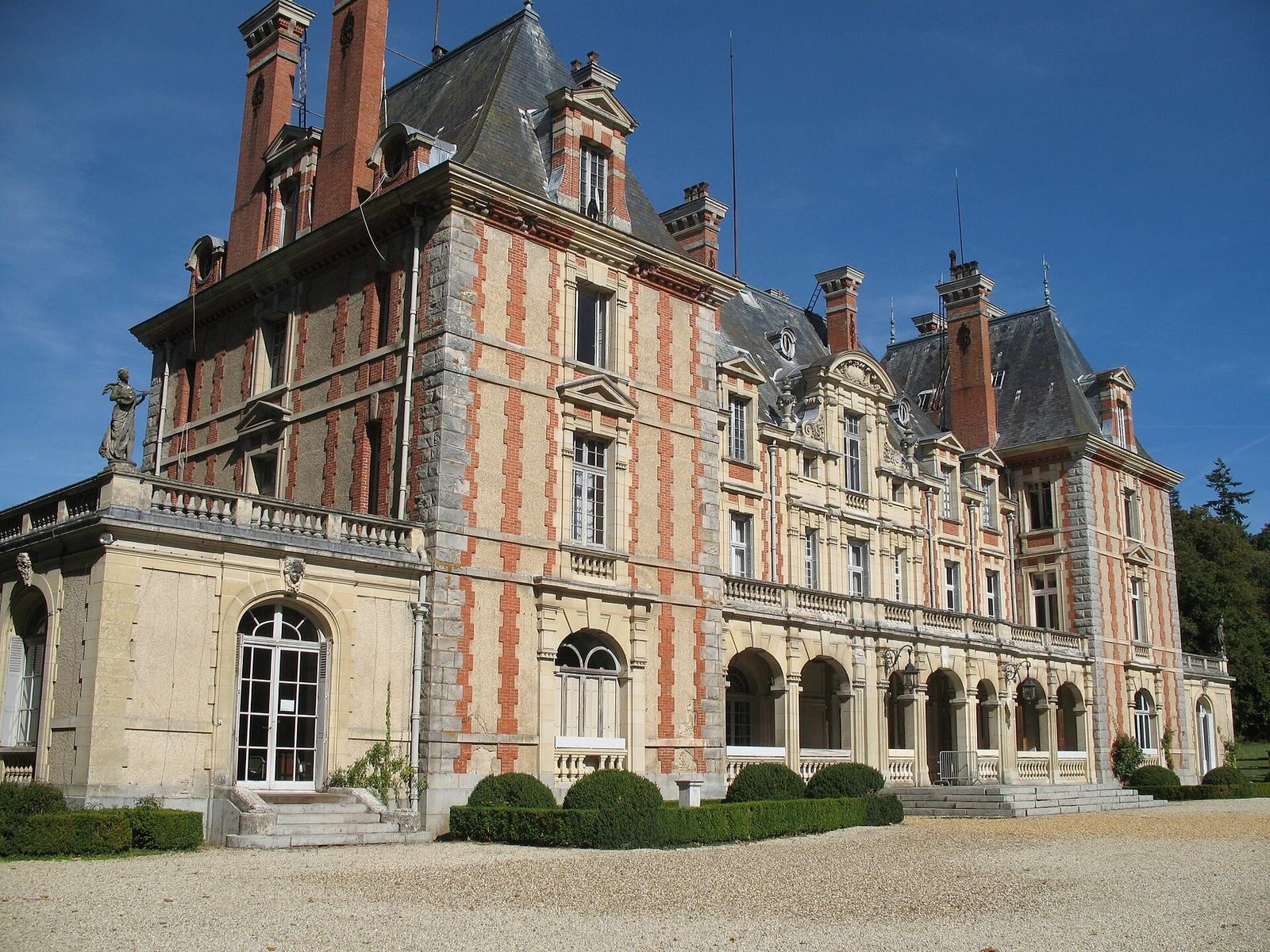
The château combines red brick with stone beneath a steeply pitched roof. Its plan partly follows that of the earlier castle and may incorporate elements of that building, while giving the layout a more symmetrical form. The later wings are each single-storey and topped by a terrace. The Maltorne runs through the park and feeds a pond with water lilies; the grounds also contain numerous plant species and century-old trees.
Château interiors
Grand staircase
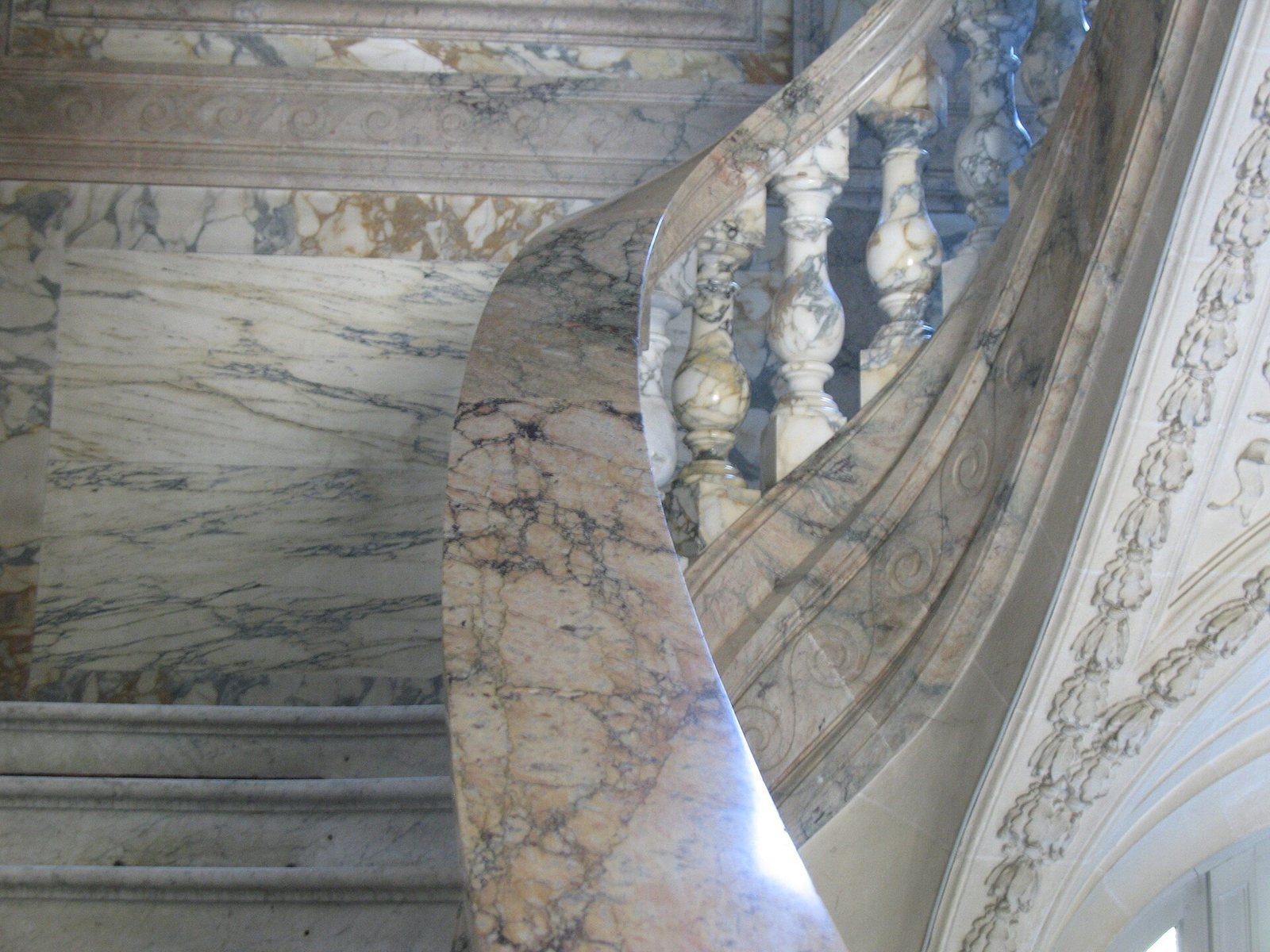
Built during the Hériot family’s ownership, the grand staircase has two flights of white and yellow marble that meet. Architect Georges Tersling signed the work; he also designed the Hériot Hotel on Rue de la Faisanderie in Paris. A full-length portrait of Olympe Hériot faces a painting by Ferdinand Roybet showing the Hériot family feasting in Renaissance dress. A Buddha figure is among the few furnishings that remained in the château after the Hériot family removed nearly all the furniture when the property was sold.
Ground-floor rooms
A colonnaded gallery contains a sequence of mirrors and two large historical paintings. One shows Saint Louis, or Louis IX, King of France from 1226 to 1270, setting out on a crusade. The other depicts an attack on a city during the Hundred Years’ War, the conflicts between England and France in the fourteenth and fifteenth centuries. A room on one side of the gallery holds a small museum of the Hériot school, with desks, uniforms, shoe-polishing boxes, beds, and maps. On the other side, the marble salon has an allegorical statue in each corner.
Library
The upstairs library contains volumes of Revue des Deux Mondes, a French literary and cultural periodical, and another full-length portrait of Olympe Hériot, made shortly before his death. The portrait’s lower legs remain concealed because the canvas has not been fully unrolled in the available space. Two ornate chairs are copies of older pieces. Fireplaces also form part of the château’s interiors.
Sculpture and family mausoleum
Bronze lionesses
On either side of the château stand bronze sculptures by Auguste Cain, each set on a marble plinth and dating to 1880. Each depicts a lioness carrying a young boar toward her cubs.
Hériot family mausoleum
The Hériot family mausoleum stands outside the present property, in the village cemetery. Its vestibule contains a marble sculpture by Félix Soulès showing the young Jean Hériot, who died aged two, supported by an angel. Steps lead down to a funerary chapel containing the family tombs. Behind the altar, a grotto lit from above holds a seated female figure surrounded by children or cherubs.