Panat Castle: A Medieval Castle in Aveyron
Site at a Glance
- Popularity
- Medium
- Country
- France
- Primary era
- Medieval
- Eras represented
- Medieval, Early Modern, Modern
- Civilizations
- French
- Site type
- Domestic
- Remains
- Castle
On this page7 sections
History
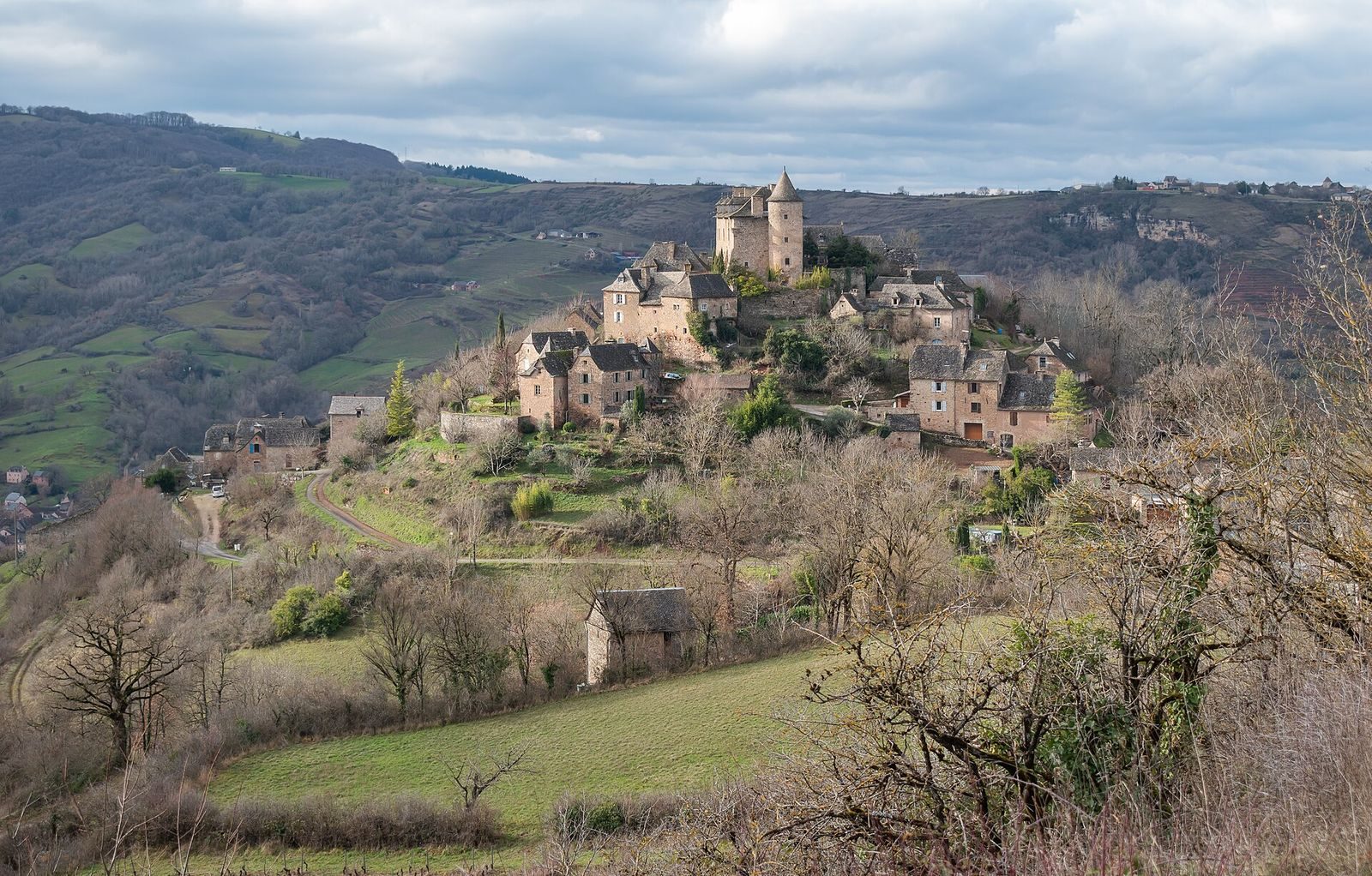
Panat Castle is a medieval castle in Panat, within the commune of Clairvaux-d’Aveyron in Aveyron, Occitanie, France. Its earliest known reference dates to 1062, when the area formed part of Rouergue.
Early references and shared lordship
The castle appears in the Cartulary of Conques, a collection of records concerning a religious institution and its lands or rights. In 1062, Albouin, son of King Harald of England, stopped at Panat and was received by the castle’s lord.
A 1316 agreement with Philip V the Tall, king of France from 1316 to 1322, set out shared lordship rights at Panat. The co-lords named in the agreement were Gui de Séverac, Bertrand de Balaguier, Aymon de Panat, Guillaume de Calmont, and Bertrand de Méjanel.
Inheritance and the Buscaylet family
Louise de Panat, a co-lady of Panat and wife of Jean de Castelnau, had been widowed three times and had no children. Her heir was her niece Louise de La Soulière, daughter of Noël de La Soulière and Madeleine de Panat-Capdenaguet. In January 1603, Louise de La Soulière married Charles de Buscaylet, then lord of La Bosque. He later became lord of Panat and Capdenaguet and brought the whole lordship of Panat under his control.
On 9 January 1623, Charles’s daughter Louise de Buscaylet married Pierre-Jean de Fontanges. Charles and his wife granted the couple half of their property, while retaining the right to use its benefits and keeping claims against others. They assigned the couple Capdenaguet Castle and revenues from Balsac, Capdenaguet, and Bruéjouls. If the couple chose to live at Panat, they were to receive revenues from Fijaguet, Nuces, Gradels, and Souyry.
Pierre-Jean’s daughter Delphine de Fontanges married René-Marc d’Adhémar, lord of Saint-Cirgues, on 14 April 1648. They had descendants.
The chapel and later status
In 1808, Count d’Adhémar described Panat’s church as more than 800 years old. He considered it likely that the church had begun as the castle chapel and was later lengthened to serve as the parish church. On 6 May 1965, the castle and the former castle chapel were listed as historic monuments.
Remains
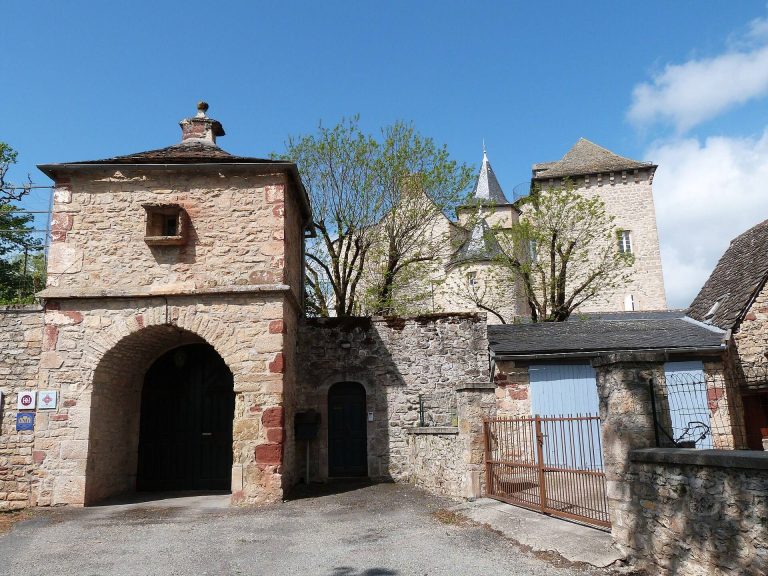
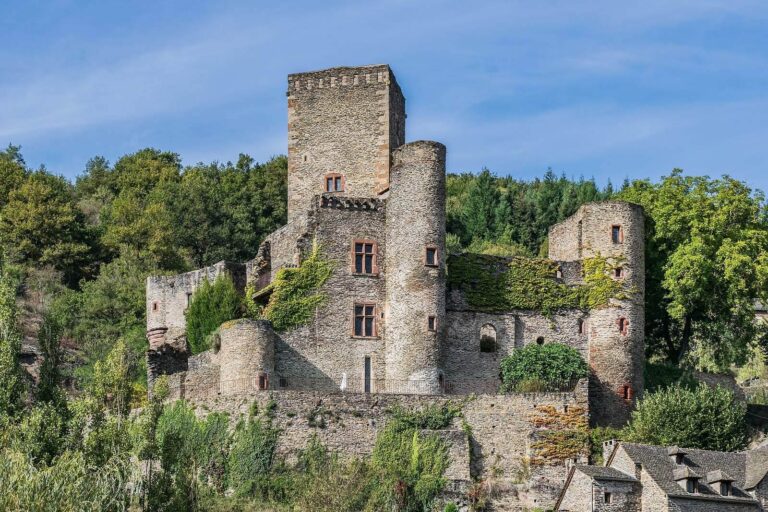
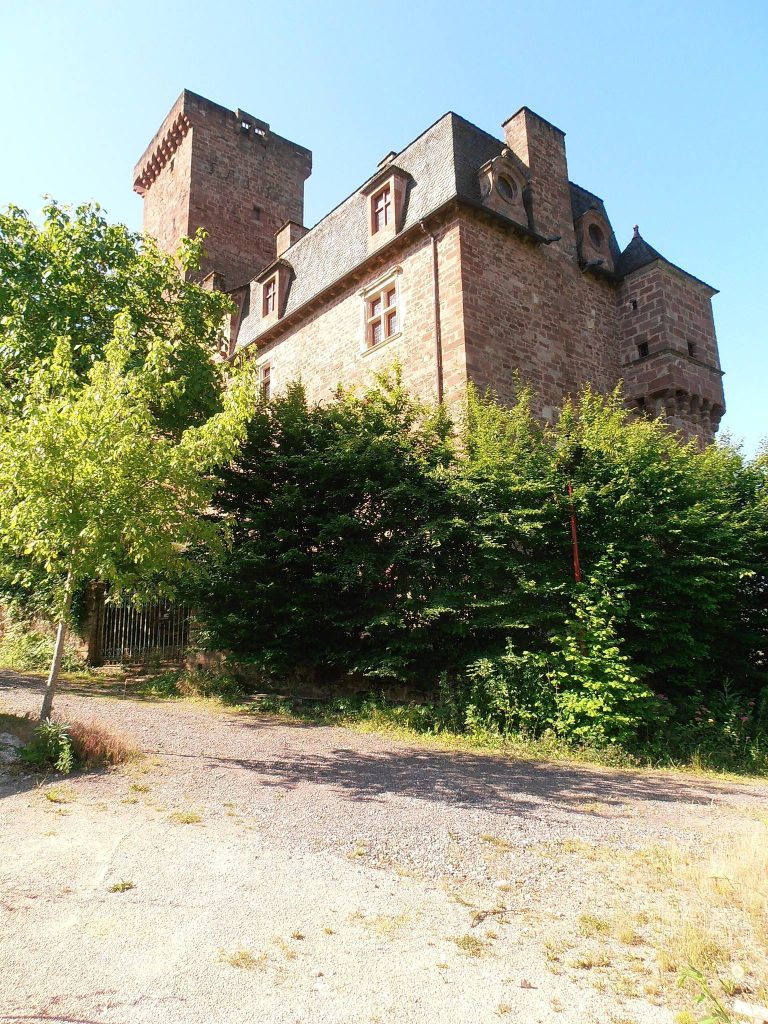
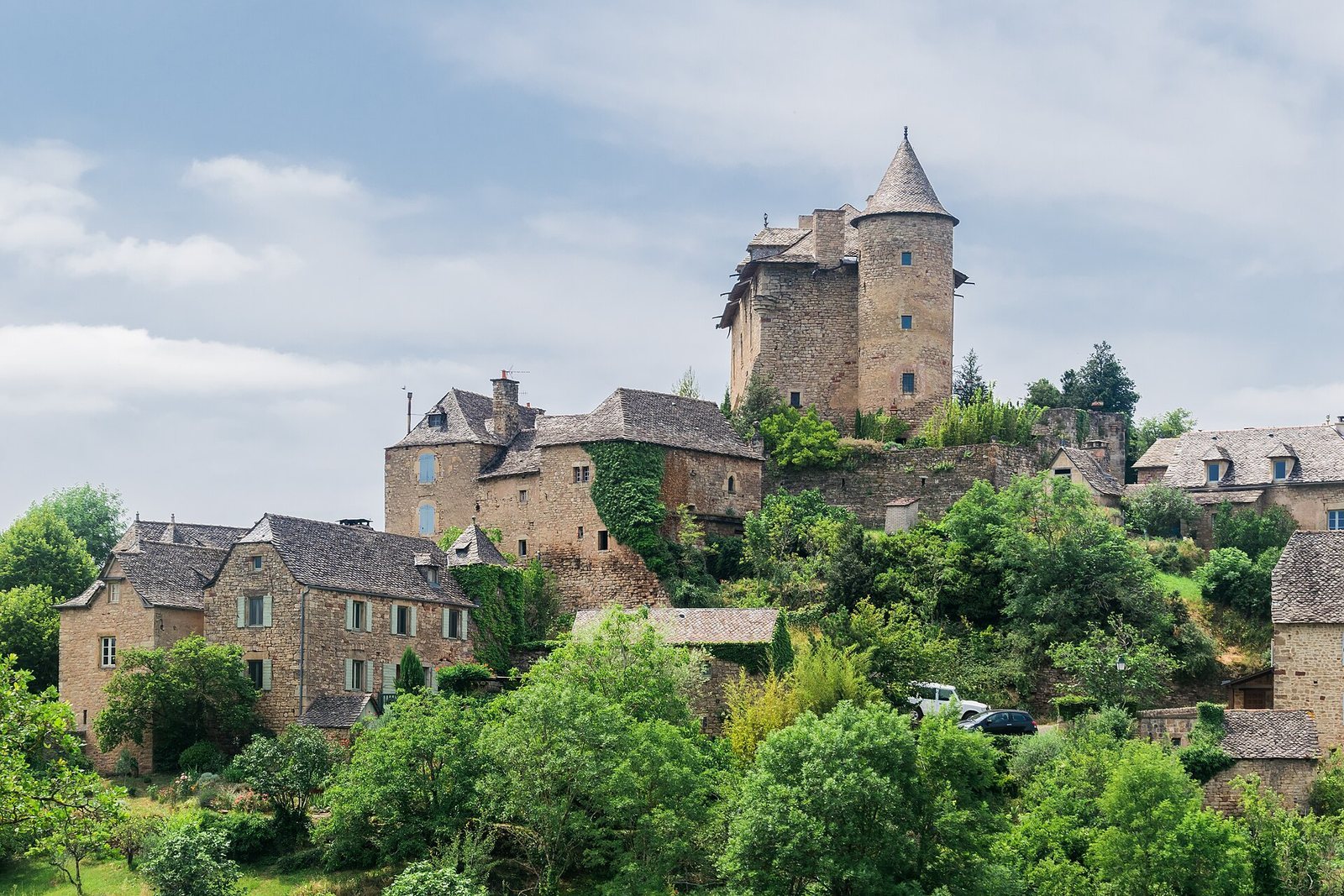
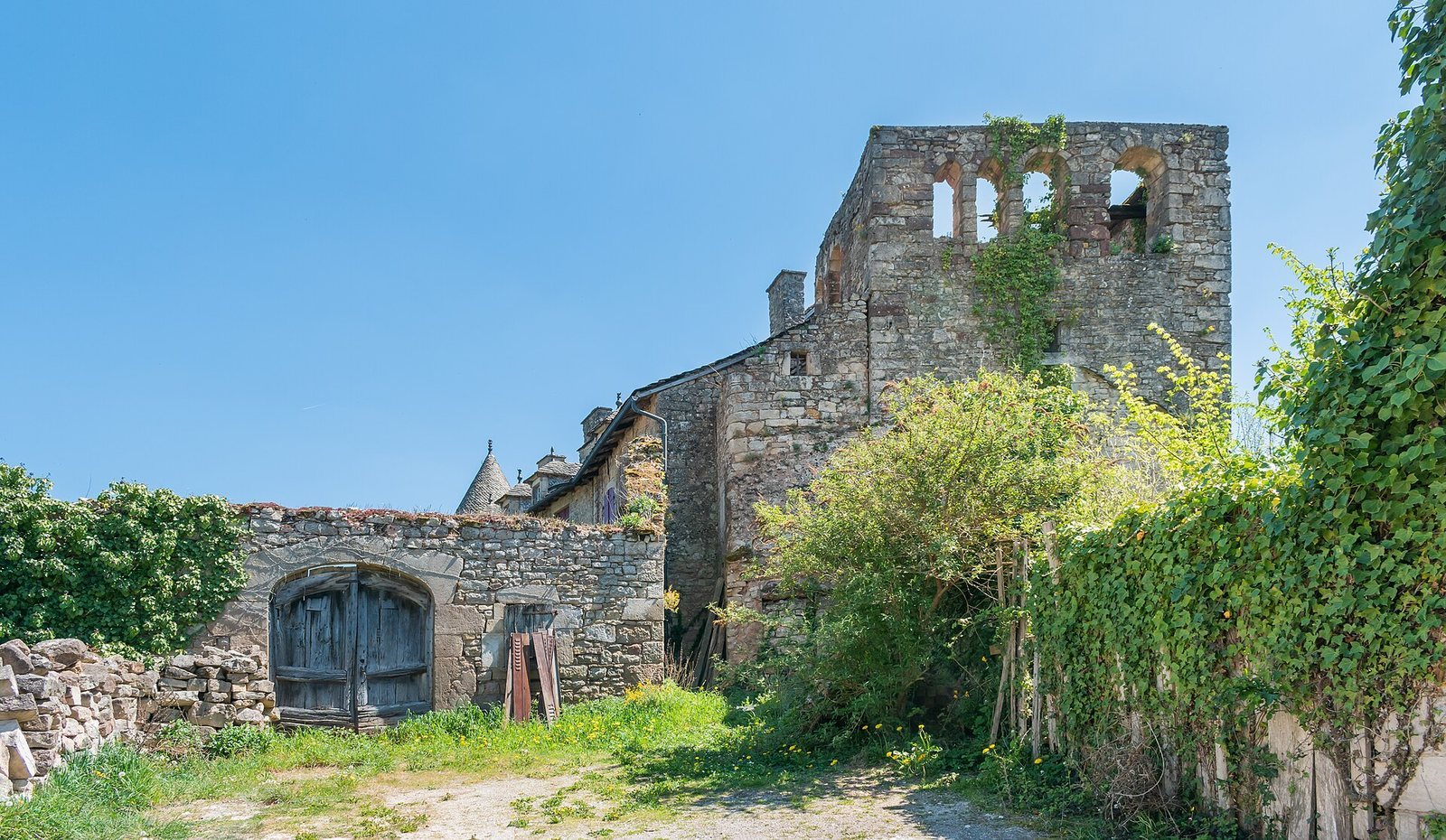
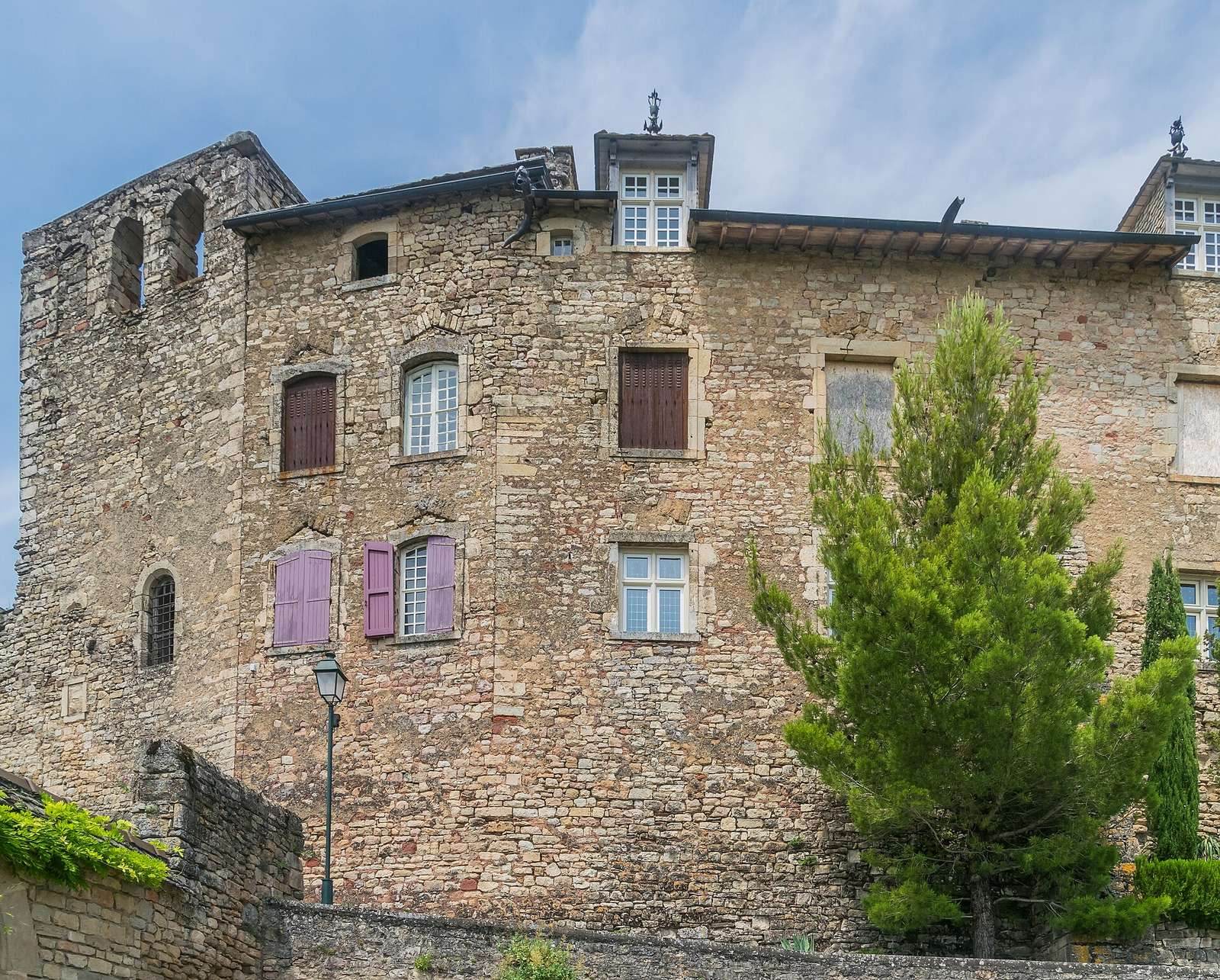
The castle’s principal façade faces the Clairvaux valley, while its opposite elevation opens onto a terrace connected to a small garden. Medieval foundations, walls, and lower-storey vaults form the older fabric of a complex altered over later centuries.
Castle fabric and additions
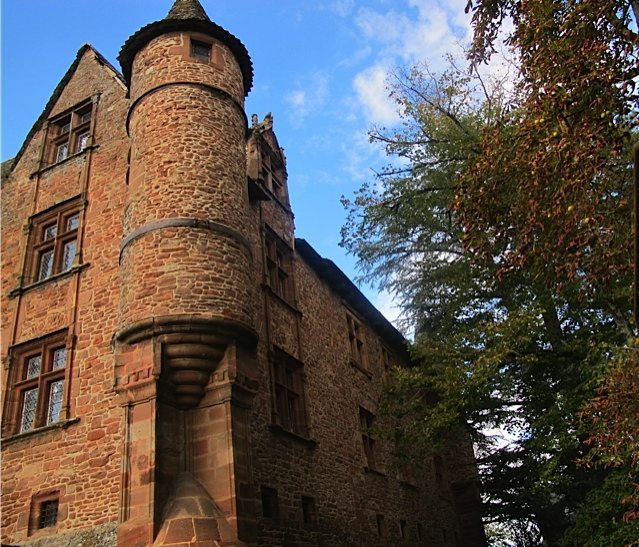
Sixteenth-century work added a small rounded turret overlooking the valley. A projecting lookout turret survives only at its base. In the early 18th century, a section with large windows was built between the castle’s main body and the parish church’s bell tower. A large interior staircase with wooden balusters, the short posts supporting its railing, was also added, and large windows were opened on the valley-facing side. Shortly before the French Revolution, a door bearing the Panat arms was inserted into the garden-facing façade. Around 1890, a nearby house in the Romanesque style, a medieval architectural tradition, was demolished, and its checkered doorway was installed on the castle’s garden side.
Adjoining church remains
The ruins of a Romanesque church adjoin the castle. The church has a single nave and a square bell tower, which stands beside the castle.