The Fortified Citadel of Jaén: A Three-Enclosure Military Stronghold
Site at a Glance
- Popularity
- Medium
- Country
- Spain
- Primary era
- Medieval
- Eras represented
- Medieval, Modern
- Civilizations
- Crown of Castile, Spanish, Umayyad
- Site type
- Military
- Remains
- Citadel
On this page9 sections
History
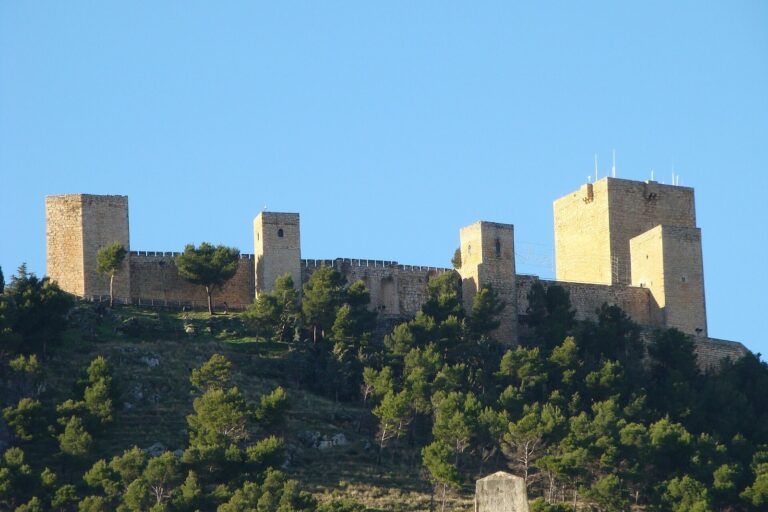
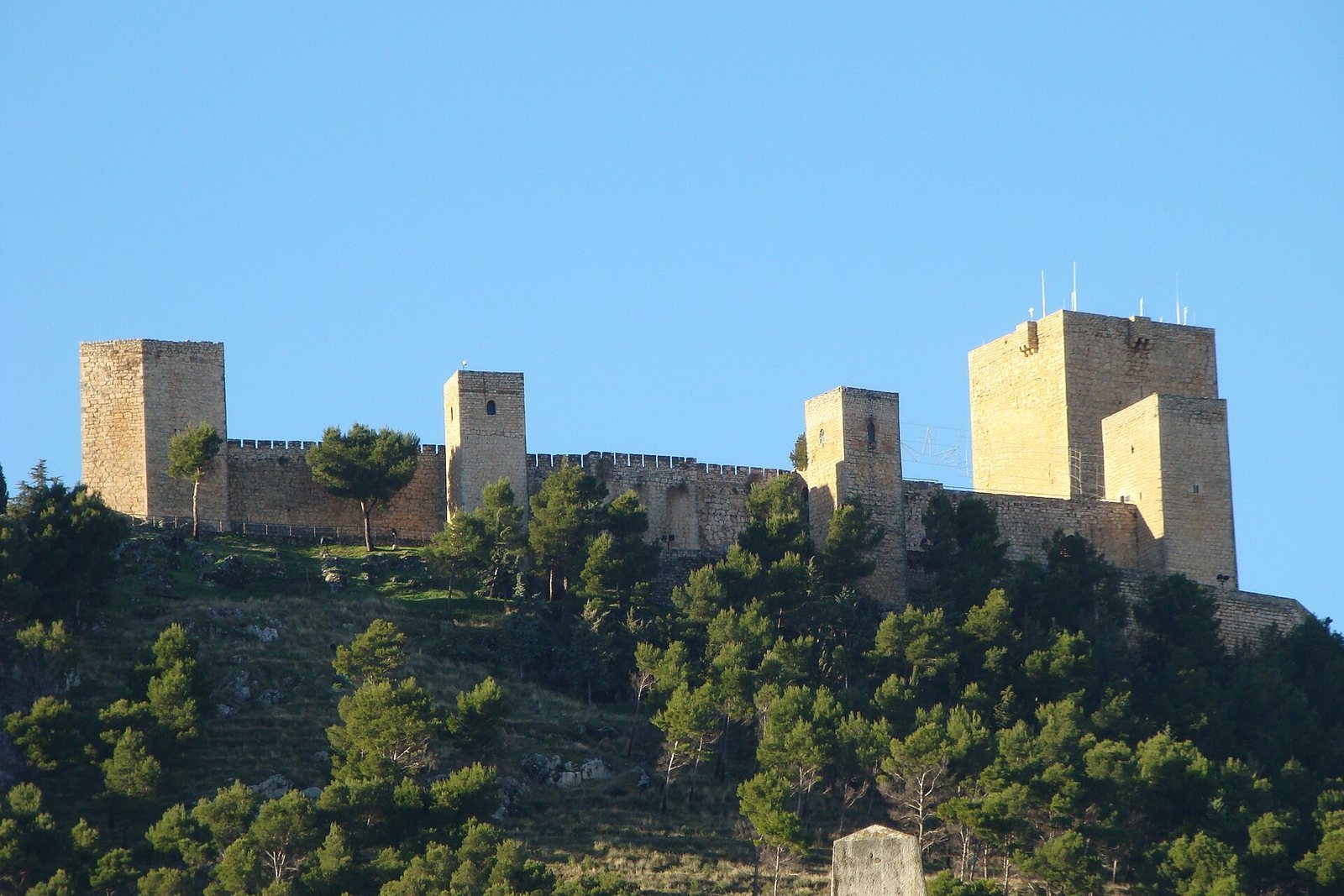
The Fortified Citadel of Jaén is a complex of three enclosures on Cerro de Santa Catalina, beside Jaén in Spain. Its strongholds were the Alcázar Viejo (Old Fortress), the Alcázar Nuevo (New Fortress), and Abrehuí. The oldest, the Alcázar Viejo, was built under Muslim caliphal rule, an era governed by a caliphate, and later altered under the Almoravids, a Muslim dynasty that ruled parts of the Iberian Peninsula. The citadel housed military garrisons and inhabitants until Castilian forces conquered Jaén. Ferdinand III, the thirteenth-century king of Castile, captured the Alcázar Viejo in 1246 after the Pact of Jaén.
Conquest and the new fortress
After the Castilian conquest, the citadel was depopulated, then occupied again during the fourteenth century. The Alcázar Nuevo was built east of the Alcázar Viejo. Although its construction has sometimes been attributed to Ferdinand III, later studies place it after his death in 1252.
Military use and changing control
In 1467, supporters of Granada’s Nasrid kingdom, whose Muslim ruling dynasty held southern Iberia until the late fifteenth century, took control of all three fortifications. The Alcázar Viejo was gradually abandoned after the fall of that kingdom. For a long period, Jaén’s municipal council appointed its governor, while the king appointed the governor of the Alcázar Nuevo. Abrehuí shared the Old Fortress’s governor.
The Alcázar Nuevo was remodeled during the fourteenth, sixteenth, and nineteenth centuries. Urgent repairs took place in 1529. It remained a military fortress with its own garrison and governor until the mid-eighteenth century, though only a couple of men served in the garrison during its final decades. The citadel was largely depopulated in the seventeenth century, but a tavern continued to operate there. The Spanish poet Baltasar del Alcázar celebrated its wine in a poem.
Destruction and restoration
French troops burned the Alcázar Viejo on 12 September 1812. Ruined buildings and sections of wall remained until a state-operated hotel was built in 1965. Its expansion from 1972 to 1974 resulted in the demolition of the remaining interior structures. Restoration during the second half of the twentieth century gave the Alcázar Nuevo its present appearance.
Remains
The three enclosures occupy almost all of the elongated summit of Cerro de Santa Catalina, on the hill’s southwestern side beside Jaén. The Alcázar Viejo extended along the crest, the Alcázar Nuevo stood to its east, and Abrehuí continued toward the hill’s narrow approach.
Alcázar Viejo
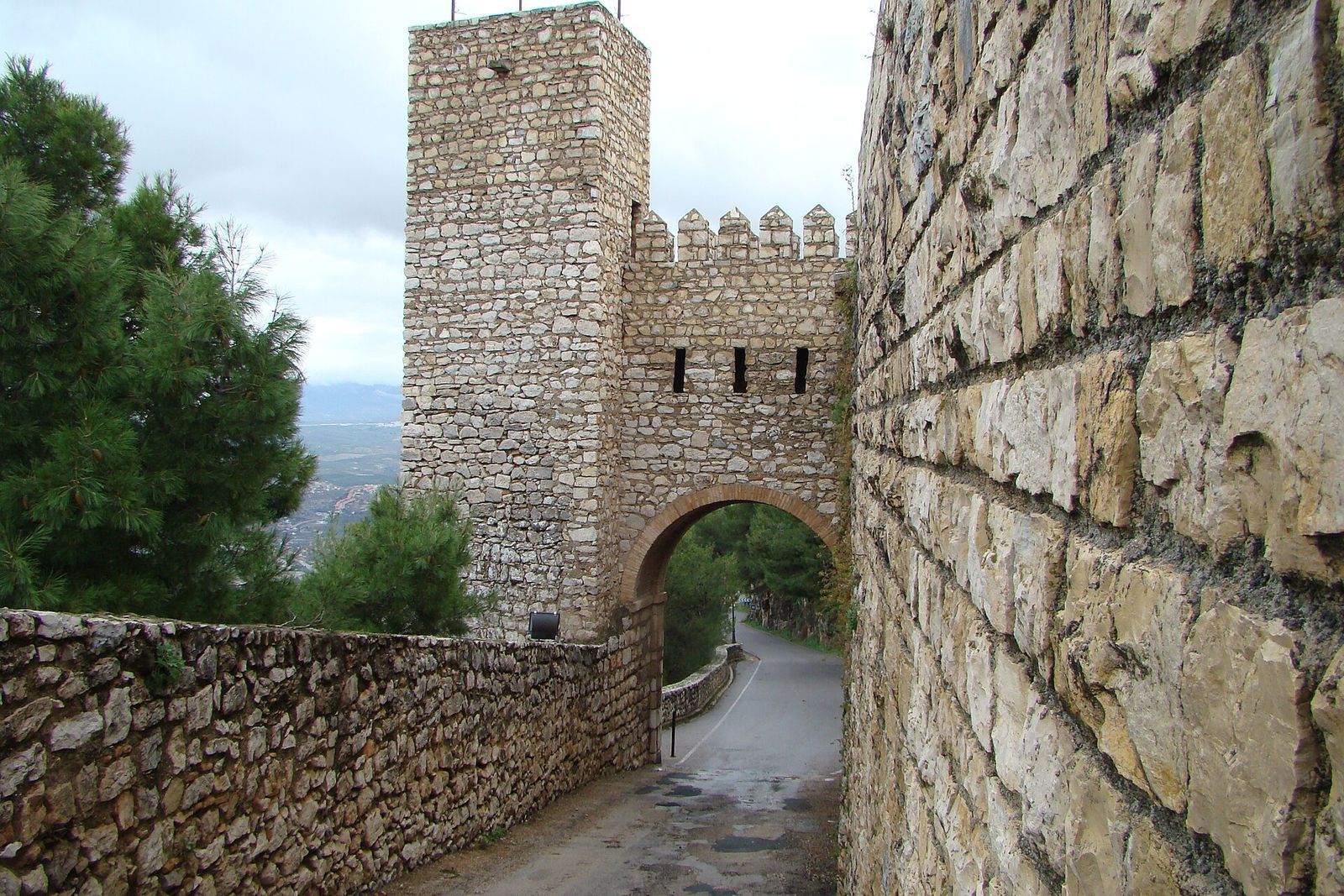
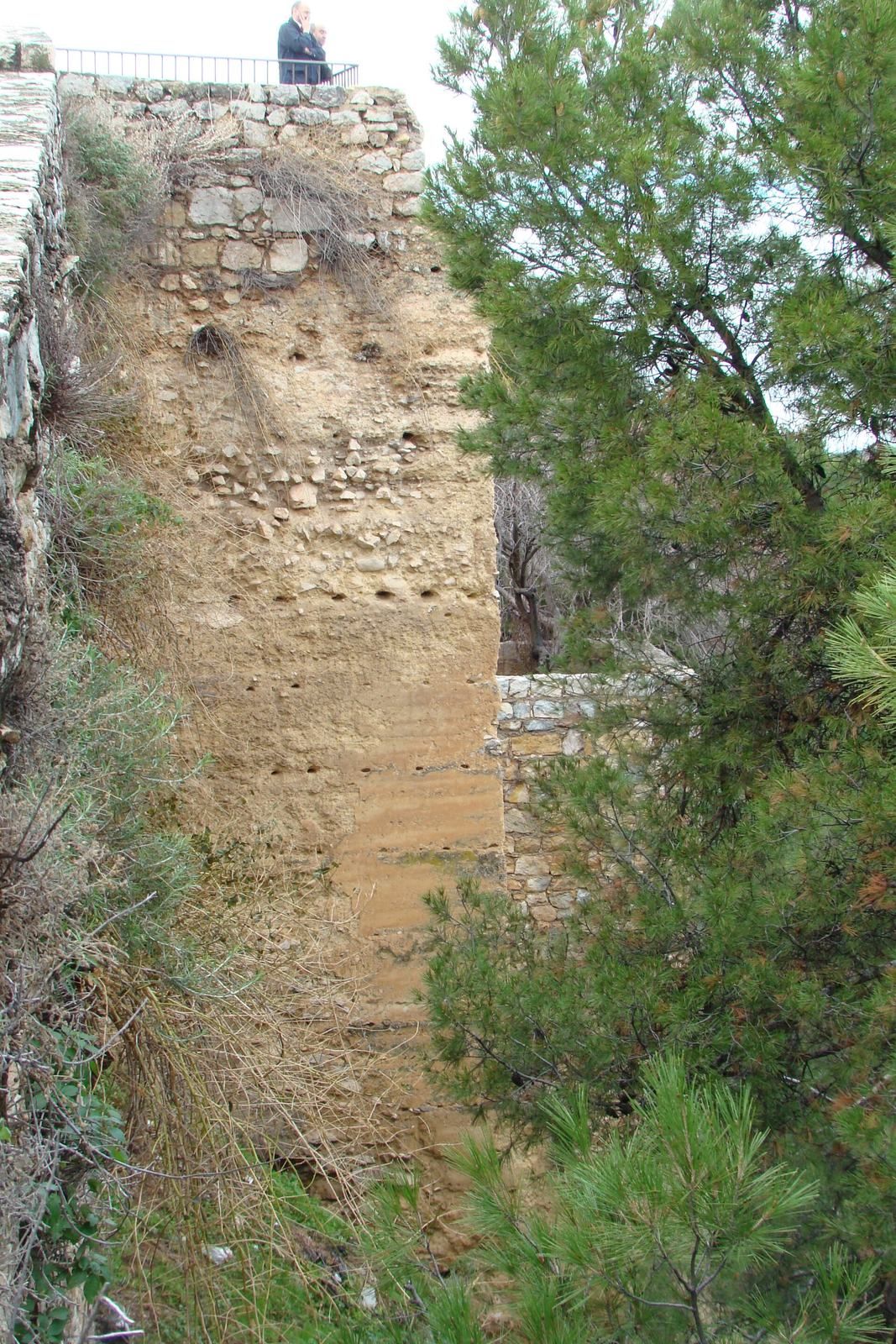
The Alcázar Viejo was an elongated enclosure with walls of rammed earth, a method that compacts earth within a frame, and square towers. Its interior held military buildings made from the same material, and likely also contained residences and supporting facilities such as cisterns. Parts of the outer enclosure survive. The principal gateway, now the entrance to the complex, is flanked by two towers and has a wall-walk, a walkway along a defensive wall. The entrance opening and the wedge-shaped stones forming its arch were substantially altered in 1809. One tower has been adapted as a viewpoint, and sections of the wall descending toward the city, with some towers, remain standing.
Alcázar Nuevo
The Alcázar Nuevo stands east of the Alcázar Viejo and was connected to it by a large tower of homage, the castle’s principal fortified tower. The fortress is in very good condition. Substantial remains of an earlier Arab castle may lie beneath it.
Abrehuí
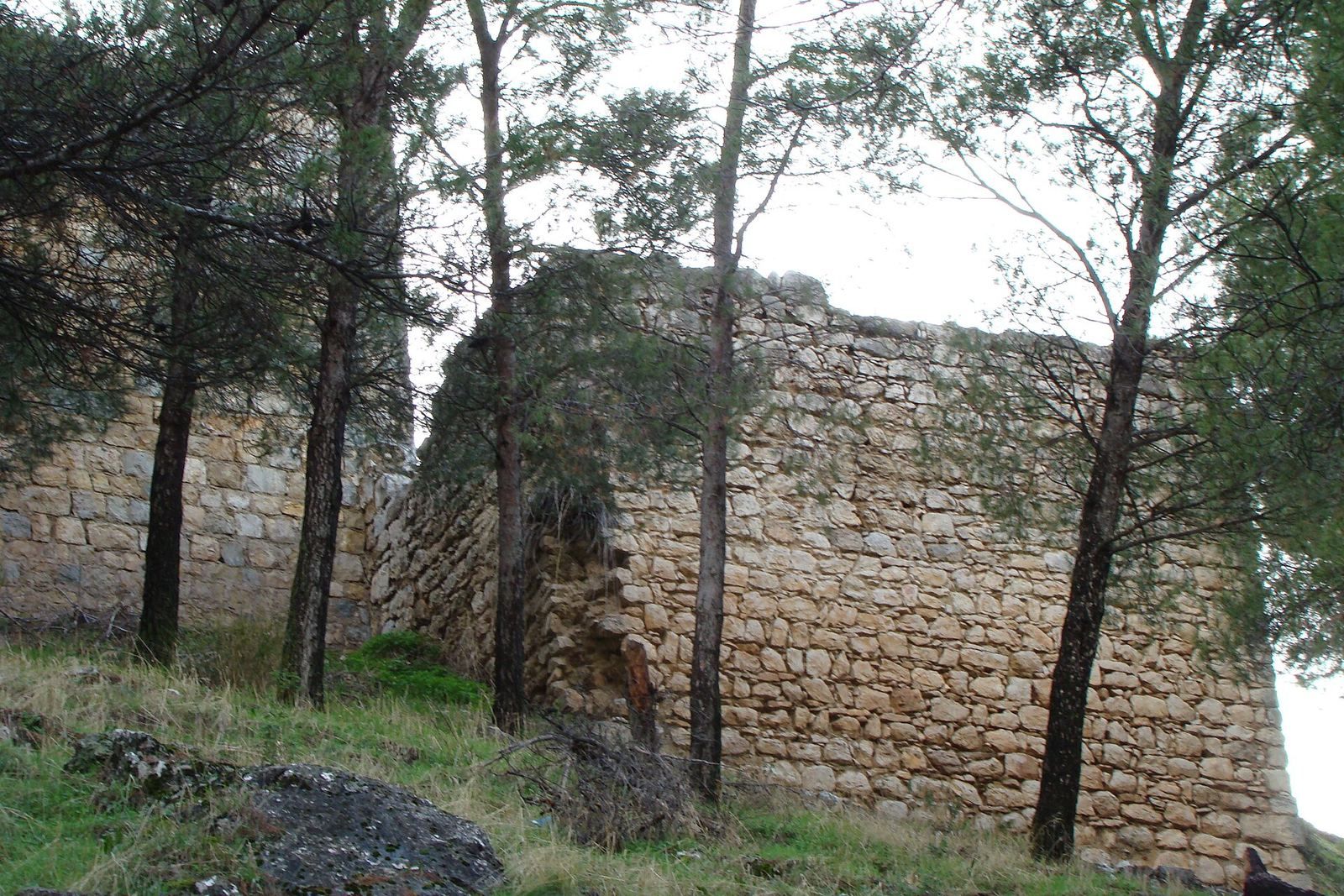
Abrehuí extended the Alcázar Viejo toward the hill’s narrow access. Its defenses included a wall with five towers, a western bastion, or projecting defensive platform, and an outer defensive wall that appears to have been added much later. The walls are built of irregular rubble stone, with small roughly shaped stones at the corners. The northern wall survives with five small bastions; the southern wall remains only in fragments.
Access path
Remains of a path that connected the city with the castle were uncovered in 2019, when archaeological work to recover the route began.