Haldem Castle: A Former Knightly Estate in Germany
Site at a Glance
- Popularity
- Medium
- Country
- Germany
- Primary era
- Early Modern
- Eras represented
- Medieval, Early Modern, Modern
- Civilizations
- Brandenburg-Prussia, German, Holy Roman Empire, Kingdom of Prussia
- Site type
- Domestic
- Remains
- Castle
On this page6 sections
History
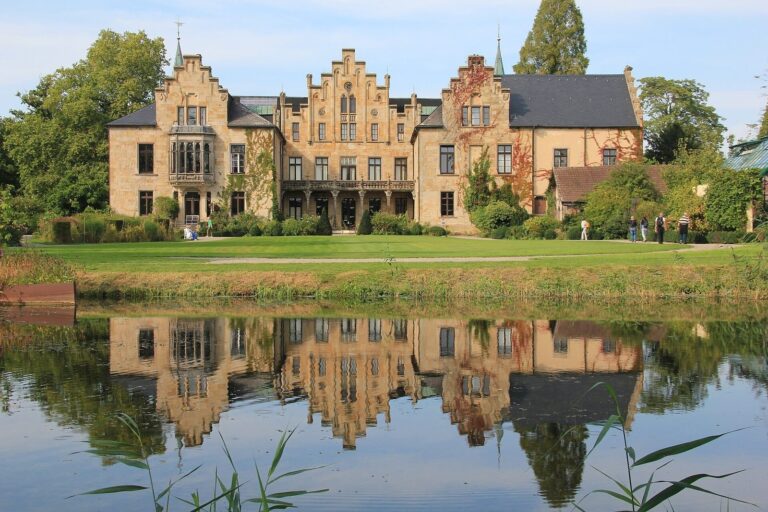
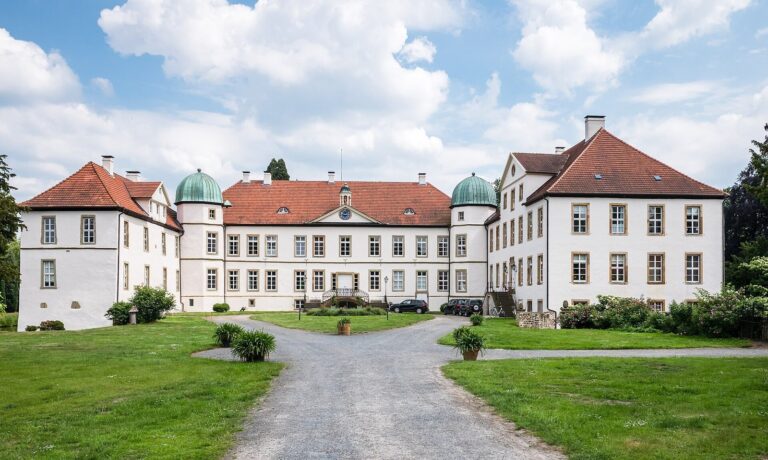
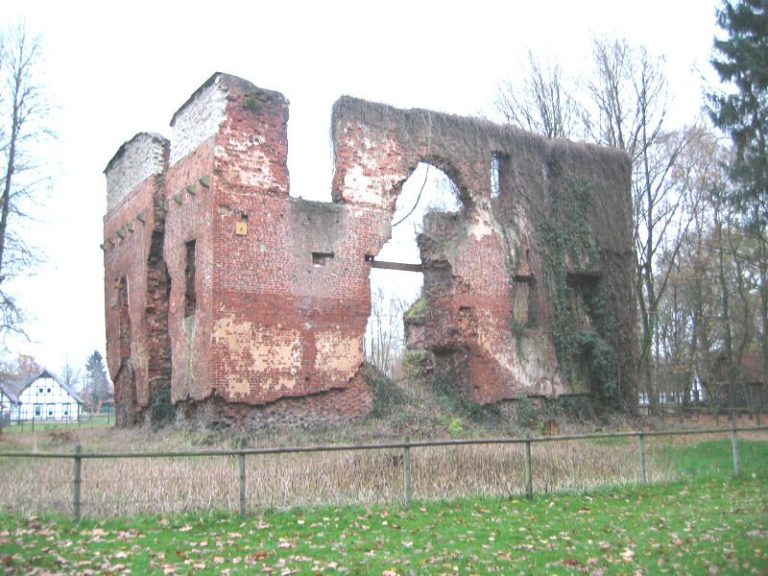
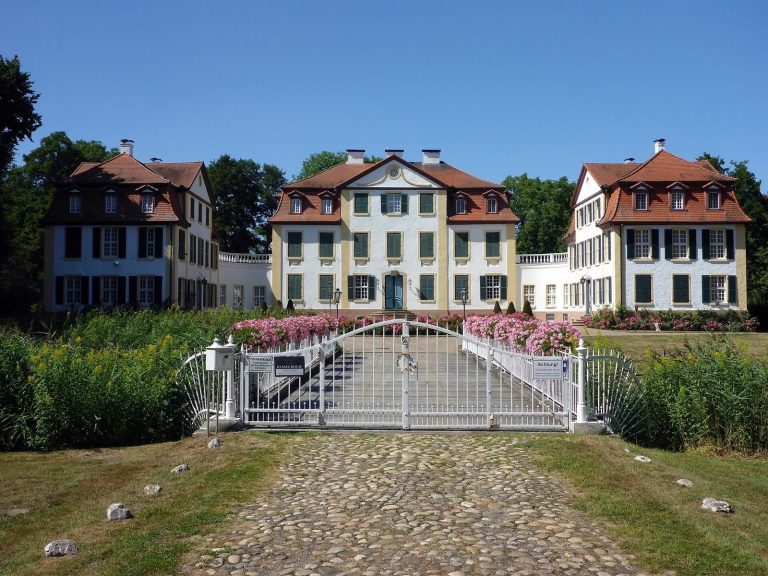
Haldem Castle is a former knightly estate in Haldem, within the municipality of Stemwede, Germany. The estate was associated with the bishops of Minden and the protection of their territorial borders. After destruction during the Thirty Years’ War (1618–1648), Julius August von der Horst rebuilt the castle in Baroque form between 1692 and 1703.
Medieval estate and border service
The earliest written reference to the Haldem estate dates to 1236, when Bishop Conrad of Minden transferred its tithe to Levern Monastery. In 1264, the brothers de Haledum, knights of the County of Stemwede, held Haldem. Bishop Ludwig of Minden granted the estates of Haldem and Rahden to the knight Gerold von der Horst in 1328, charging him with guarding the diocese’s borders.
When the von Wede family died out in 1400, Dietrich von der Horst inherited further estates at Haldem through his marriage to Johann von Wede’s sister. He moved from Bersenbrück to the castle.
Ownership and institutional use
In 1775, a Baron von der Horst enlarged the castle. He served as finance minister to Frederick the Great, king of Prussia from 1740 to 1786. The von der Horst family sold the estate in 1830 and moved its residence to Hollwinkel Castle. The buyer, Friedrich von dem Bussche-Ippenburg, was a Prussian lieutenant general.
In the 1840s, the Haldem estate was separated from the municipality of Alswede and made a distinct estate district, a local administrative unit centered on an estate. It lay within the Dielingen administrative district of Lübbecke district. The estate district was dissolved on 1 October 1928, and its territory was incorporated into the municipality of Haldem.
Until 1890, the castle housed a secular collegiate institution for women, a religiously organized community whose members generally did not take monastic vows or live in enclosure. Botho Freiherr von der Horst acquired the property in 1910, returning it to the family. The artist lived there until his death by suicide in the castle park on 27 January 1927. Ownership then passed to Philipp August von Bethmann-Hollweg, a nephew of the imperial chancellor.
Twentieth-century uses
From 1936 to 1945, the castle housed a regional leadership school of the Hitler Youth, the Nazi Party’s youth organization. Its program name, Langemarck, invoked a First World War myth that idealized the self-sacrifice of young Germans.
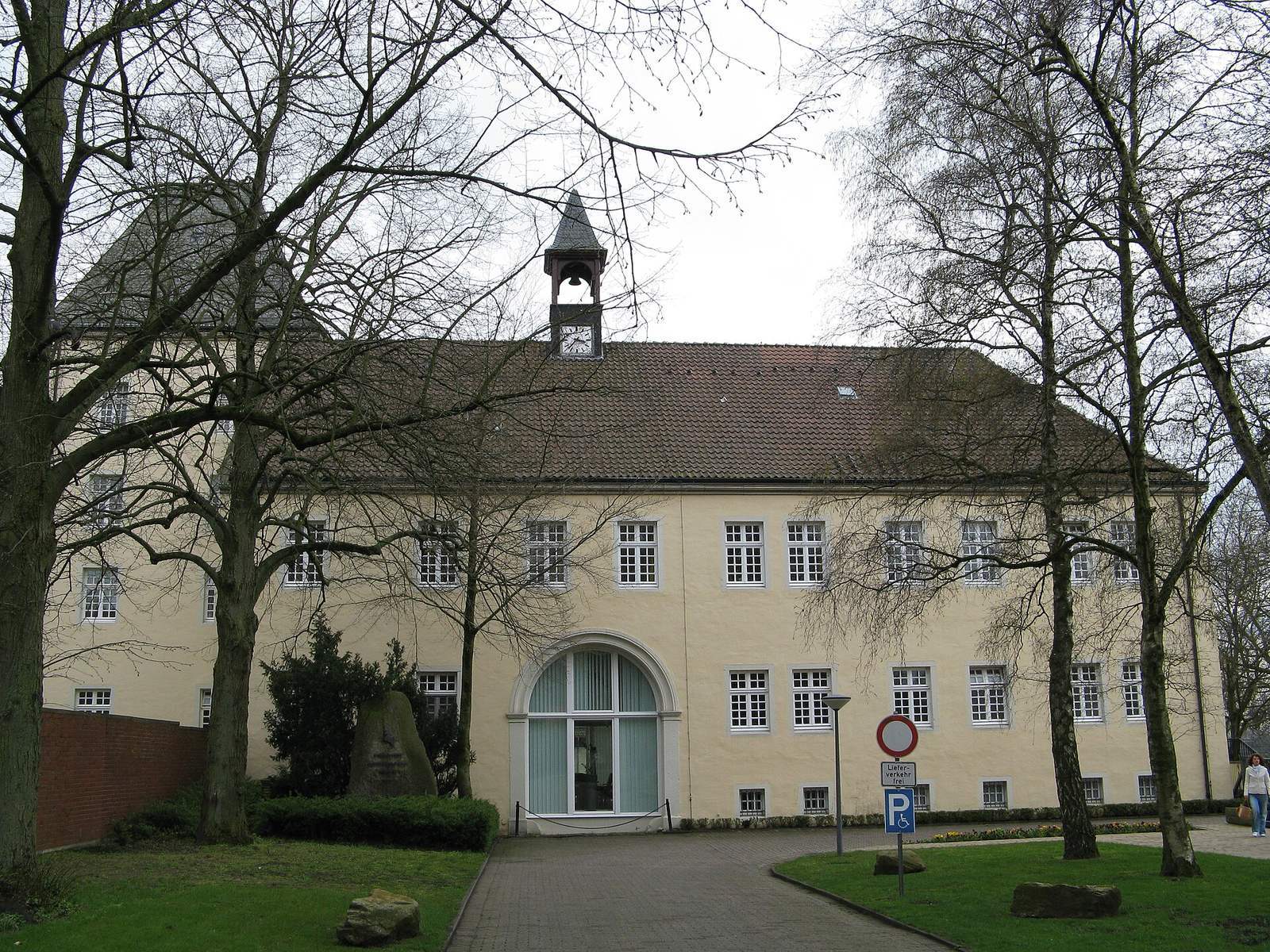
British forces occupied the castle after the Second World War. From 1947, it was briefly used for teacher training, then by an open-air school association until 1 October 1958. On 20 January 1959, an institution treating alcohol dependence opened on the grounds under the management of the Landschaftsverband Westfalen-Lippe, a public regional association serving Westphalia-Lippe. The site now houses Westphalian Clinic Schloss Haldem, a forensic treatment and rehabilitation facility for offenders with substance dependencies or mental illness.
Remains
Castle and grounds
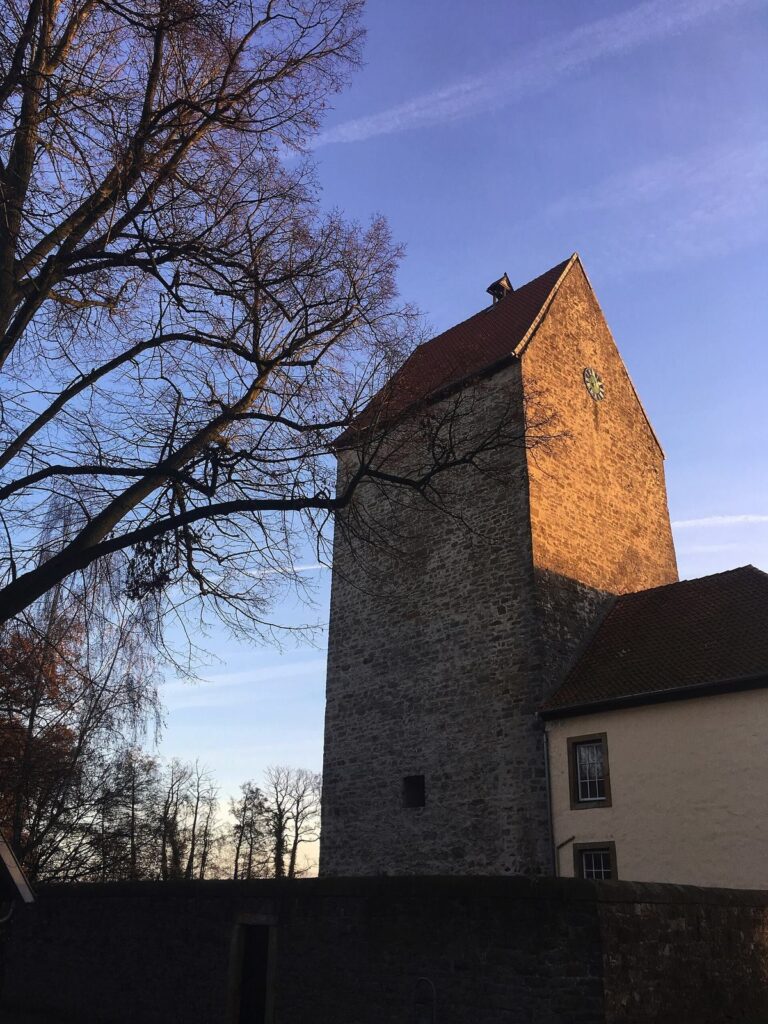
The castle stands on the southern slope of Stemweder Berg. Its Baroque form has been substantially altered through changes of use. Numerous clinic and service buildings were added to the grounds after 1960, and modern landscaped green areas replaced elements of the historic park.