Villemomble Château: An Eighteenth-Century Residence and Town Hall
Site at a Glance
- Popularity
- Medium
- Country
- France
- Primary era
- Early Modern
- Eras represented
- Early Modern
- Civilizations
- French
- Site type
- Domestic
- Remains
- Elite Residence
On this page5 sections
History
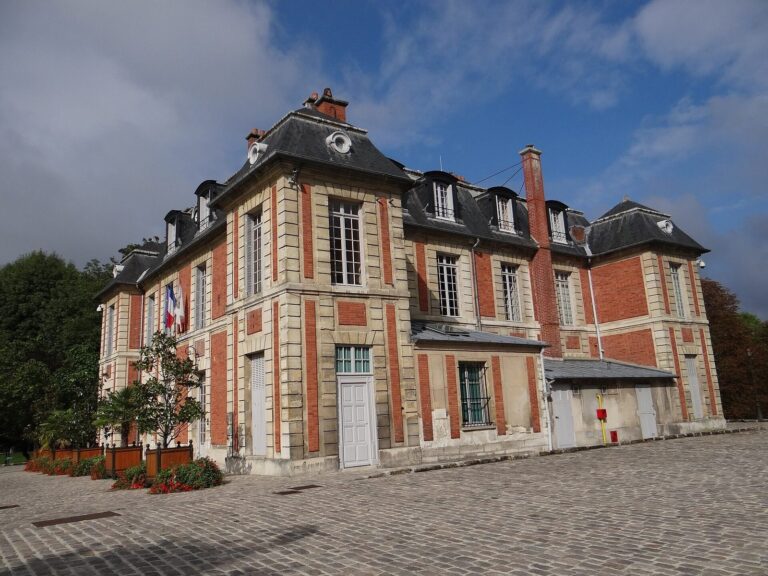
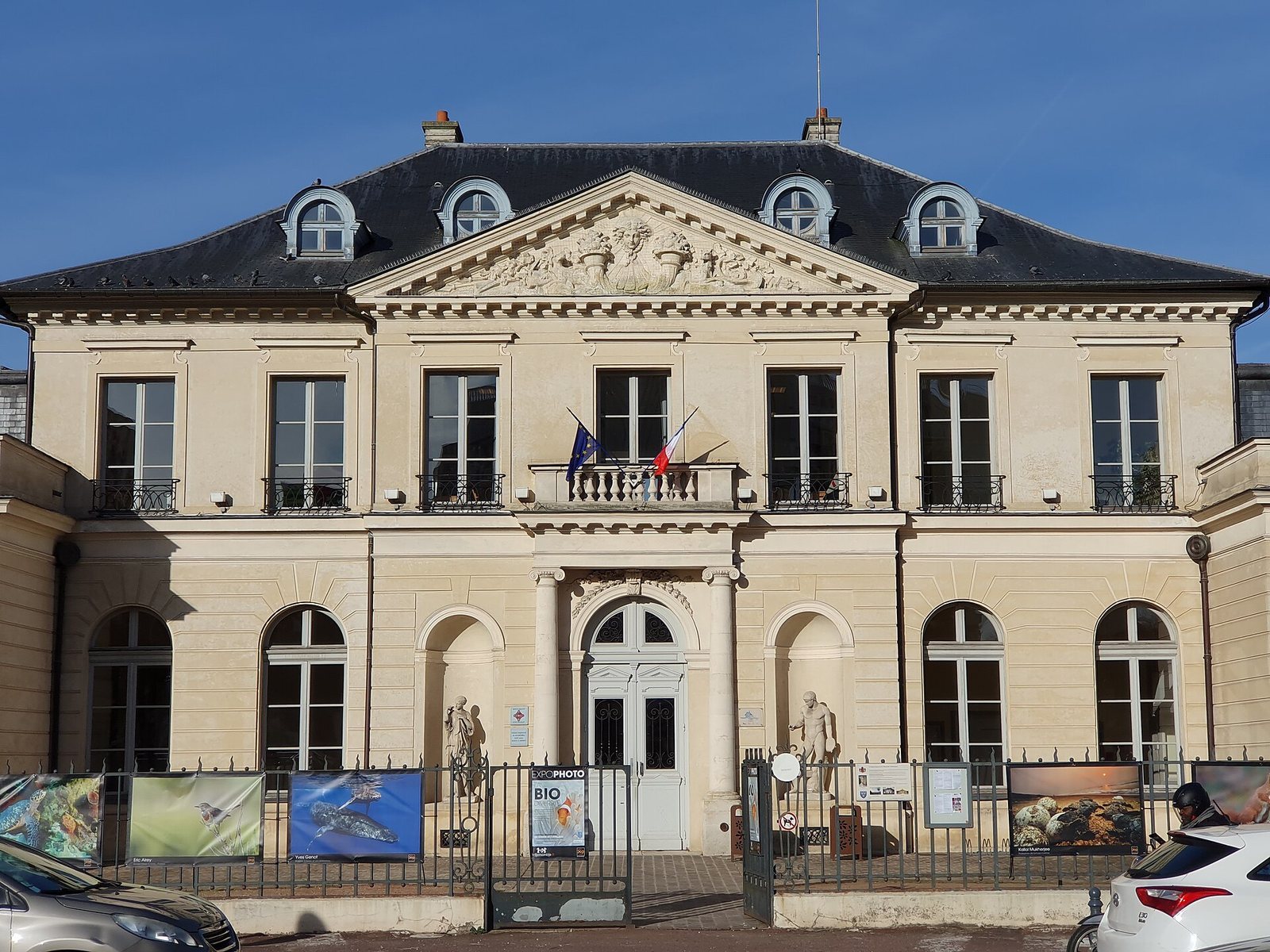
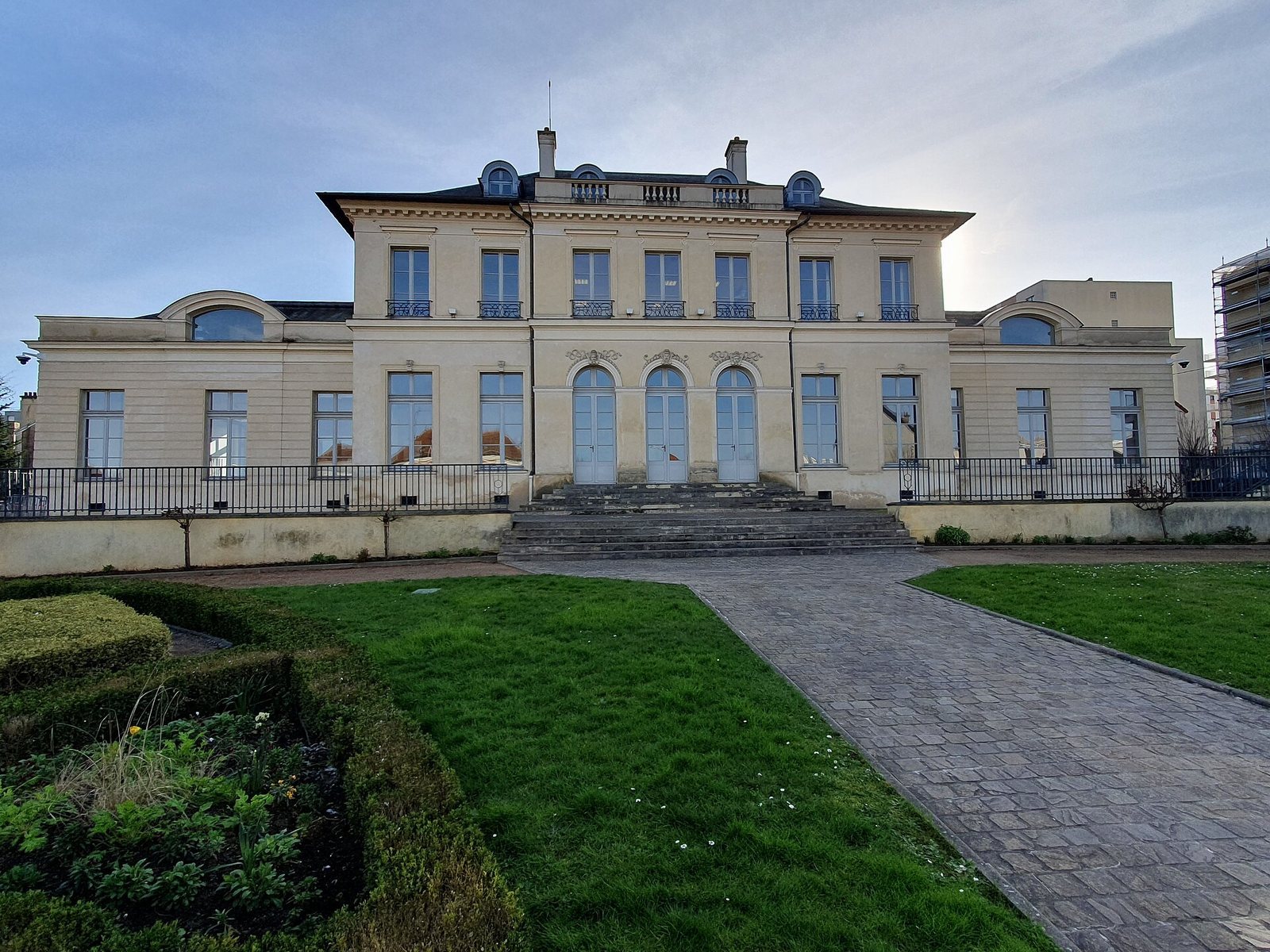
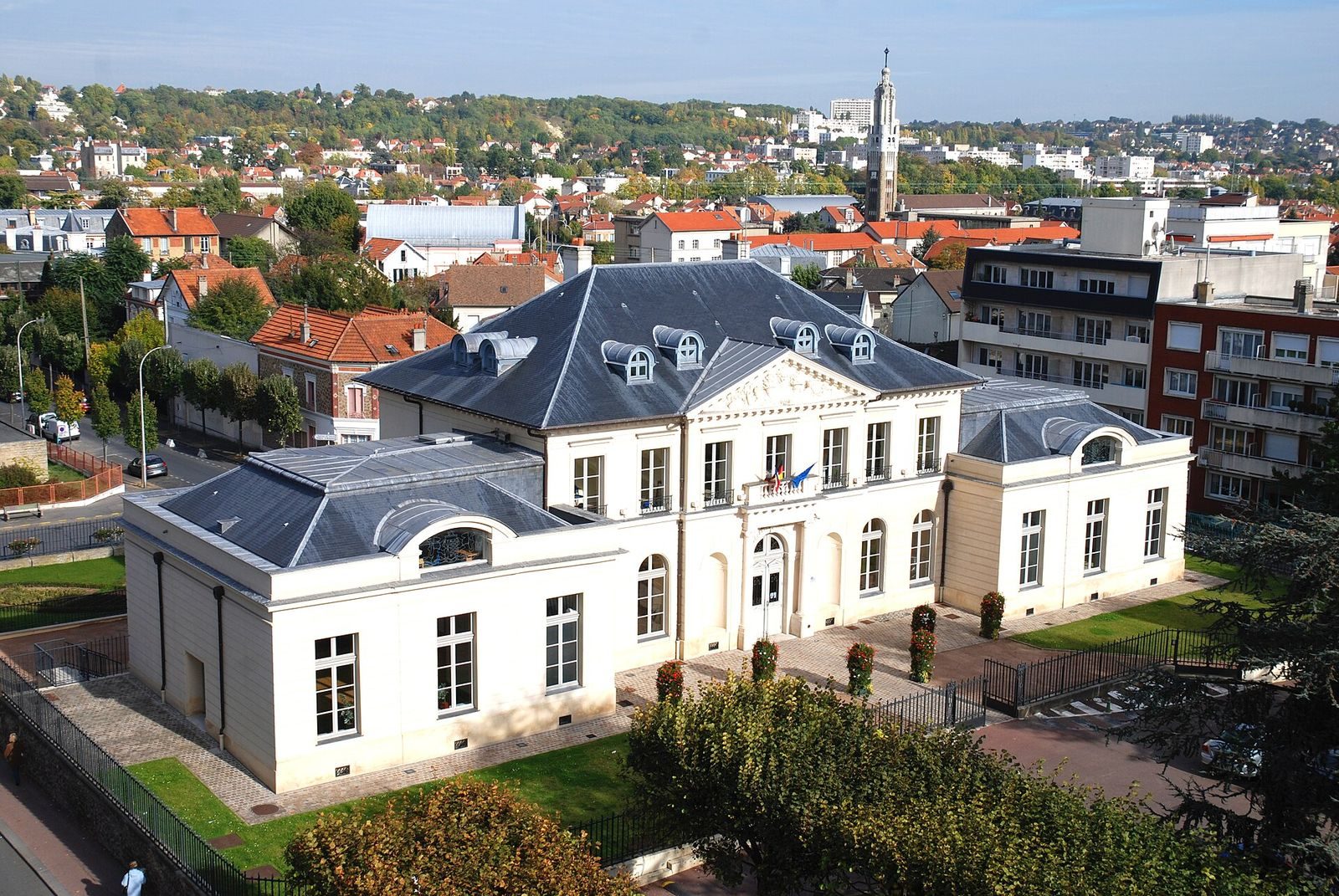
Villemomble Château is an eighteenth-century residence at Place Émile-Ducatte in Villemomble, France. Built in 1769 in the classical style to plans by Alexandre-Théodore Brongniart and Henri Piètre, it occupies the site of an earlier Renaissance château built by Florimond Robertet, secretary to Francis I.
The 1767 acquisition
On 21 February 1767, Louis-Philippe d’Orléans, Duke of Orléans, bought the estates of Villemomble, Avron, La Montagne, Vieilles Vignes, and Noisy-le-Sec from Paulin d’Aguesseau. He made the purchase for his mistress, Étiennette Marie Périne Le Marquis, and declared the acquisition in her favor when the sale contract was signed before a Paris notary that day. She became known as Madame de Villemomble and owned the lands and lordships.
Changes of ownership
From 1800 onward, the château and its lands passed through a series of owners. Nicolas Bourelle de Sivry held them from 1800 to 1807, followed by Rodolphe Emmanuel Haller from 1807 to 1818, Jean-Charles Ragoulleau from 1818 to 1823, and Achille Martin de Flube from 1823 to 1825. François Charles Gabriel Joseph Lewall owned the property from 1825 to 1831, Louis Carette from 1831 to 1836, Antoine Martin-Flacourt from 1836 to 1837, and Denis François Papin from 1837 to 1874. In 1875, Aglaé Julie Papin-Constantin and Louis-Constantin Detouche held it in partnership.
Separately, from 1836 to 1850, Louis-Philippe, King of the French, owned part of the Villemomble park, known as Parc Carette. He was a different Louis-Philippe from the Duke of Orléans who arranged the 1767 purchase.
Municipal and cultural use
The château served as Villemomble’s town hall from 1887 to 1980. A new town hall was built in the 1980s, and the château was restored in 2003 under the auspices of the Friends of Villemomble’s Seigneurial Château and Heritage, a local historical society.
The municipality now owns the château. It houses a museum and exhibition space and serves as a headquarters for cultural associations, including the Friends of Villemomble’s Seigneurial Château and Heritage and the A.A.C.V.
Remains
The château is a large residence arranged around a central block with two wings. Its design follows the French tradition of pleasure houses built as country residences. The surviving building occupies the location of Robertet’s earlier Renaissance château.